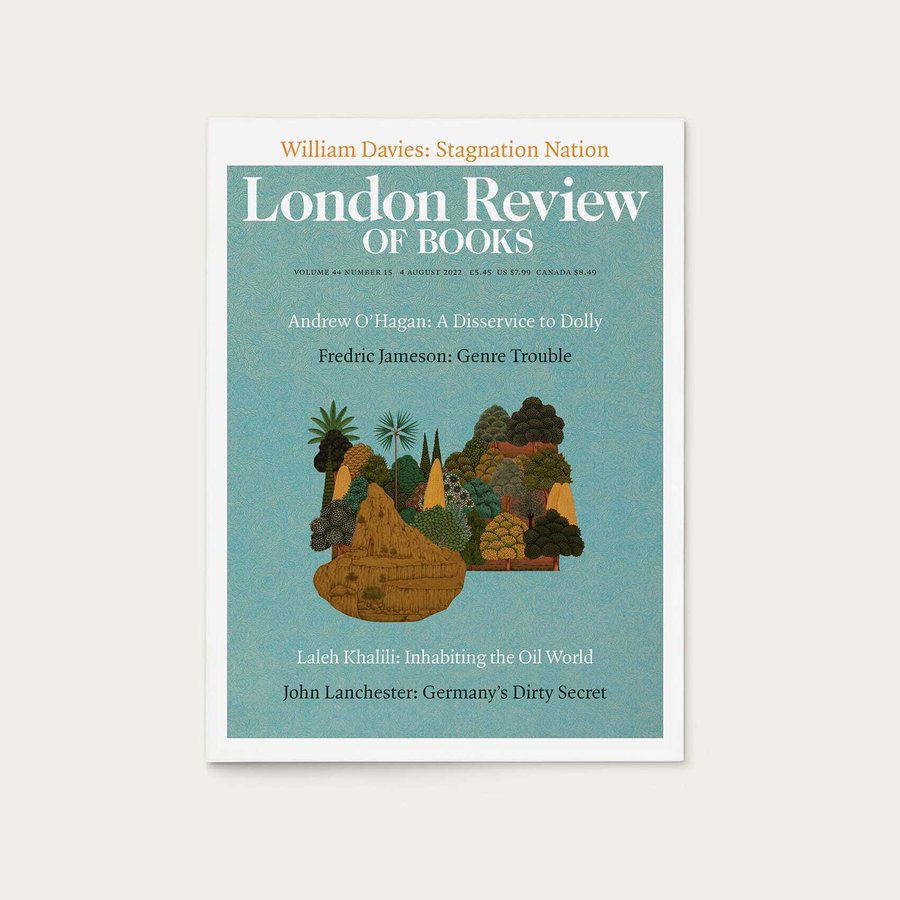
Our new issue is now online, featuring Fredric Jameson on Ben Pastor, @LalehKhalili on oil, money and democracy, John Lanchester on Wirecard, Andrew O’Hagan on Dolly Parton, @davies_will on the seductions of declinism and a cover by Alexander Gorlizki: http://lrb.co.uk
Mougins is a commune in the Alpes-Maritimes department in southeastern France. It is located on the heights of Cannes, in the district of Grasse. Mougins is a 15-minute drive from Cannes. The village is surrounded by forests, such as the Valmasque forest. In the village there are pines, olives, and cypress trees.
The village of Mougins is where Pablo Picasso lived for the last 12 years of his life and where he died in 1973 at the age of 91. Picasso was buried close to Aix-en-Provence. Picasso first visited Mougins in 1953, when he was living in nearby Cannes with his long-time muse, Francoise Gilot.
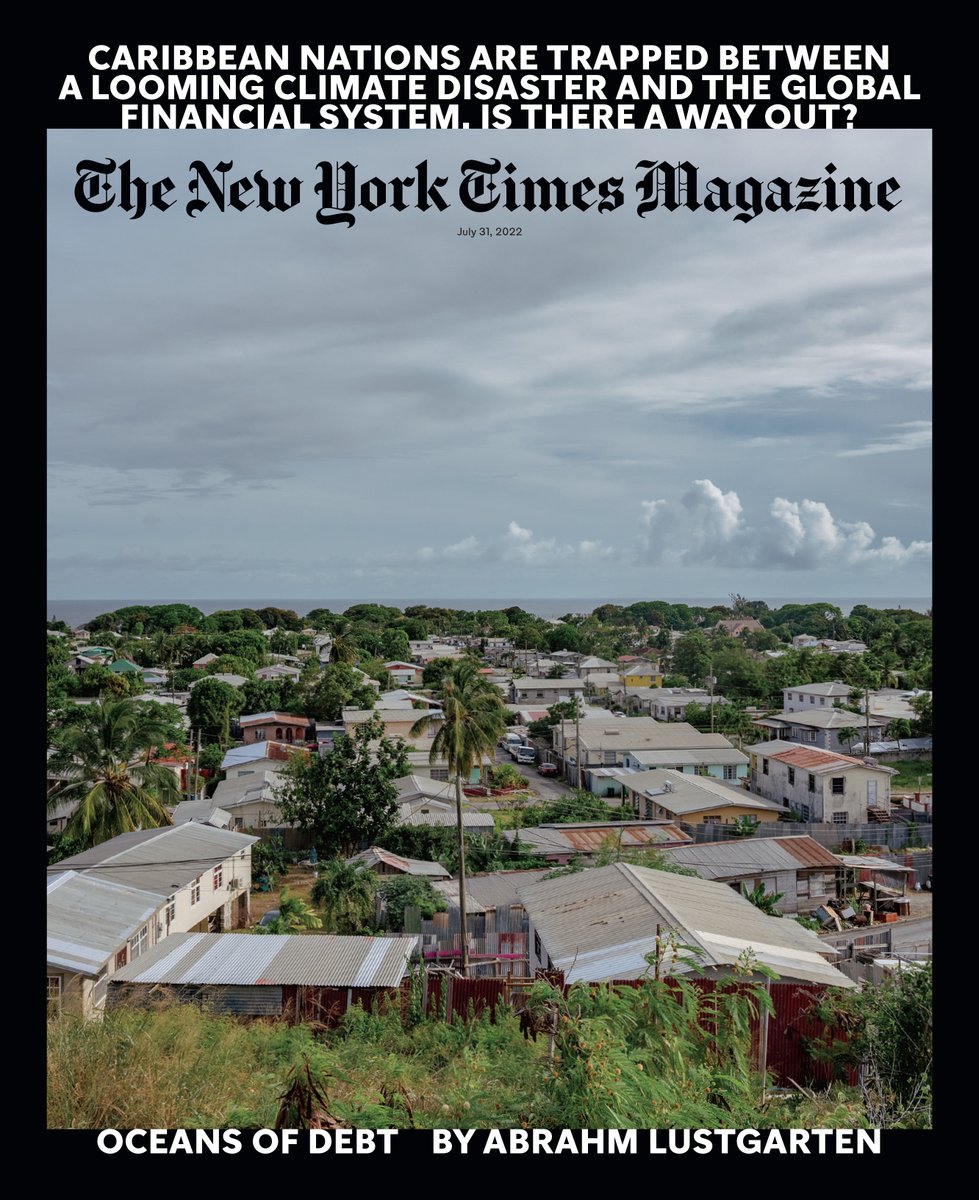
Economic devastation looms across the Caribbean, which is facing a future of climate crisis and spiraling debt. Mia Mottley, the first woman to lead Barbados, is fighting to end this fiscal spiral — and ensure her country’s survival, @AbrahmL reports.
DW Reporter Lukas Stege explores the Polish city of Gdańsk, where the Eastern Bloc began its decline! Communism‘s deterioration picked up pace when the port workers at Lenin Shipyard went on strike in 1980 and the independent union Solidarity was founded.
00:00 Intro 00:15 The Old City of Gdańsk 01:04 A Port Ride in the Pirate Ship Ferry 01:44 The Old Shipyard and the Solidarność or Solidarity Movement 06:57 Lost Place and Free Space for Artists, Galleries and Bars 07:58 Gallery Mleczny Piotr 08:36 100cnia
Join Lukas on his journey through Europe’s recent history, which was heavily influenced by these events in Gdańsk. And he also brings us to a very special lost place in this port city!
CREDITS Report: Lukas Stege, Anne Termeche Camera: Holm Weber Editing: Klaus Hellmich
Excitingly, scientists say that alternative universes are allowed by physics. We find out about the leading multiverse theories, and establish whether they could harbour an alternate version of you.
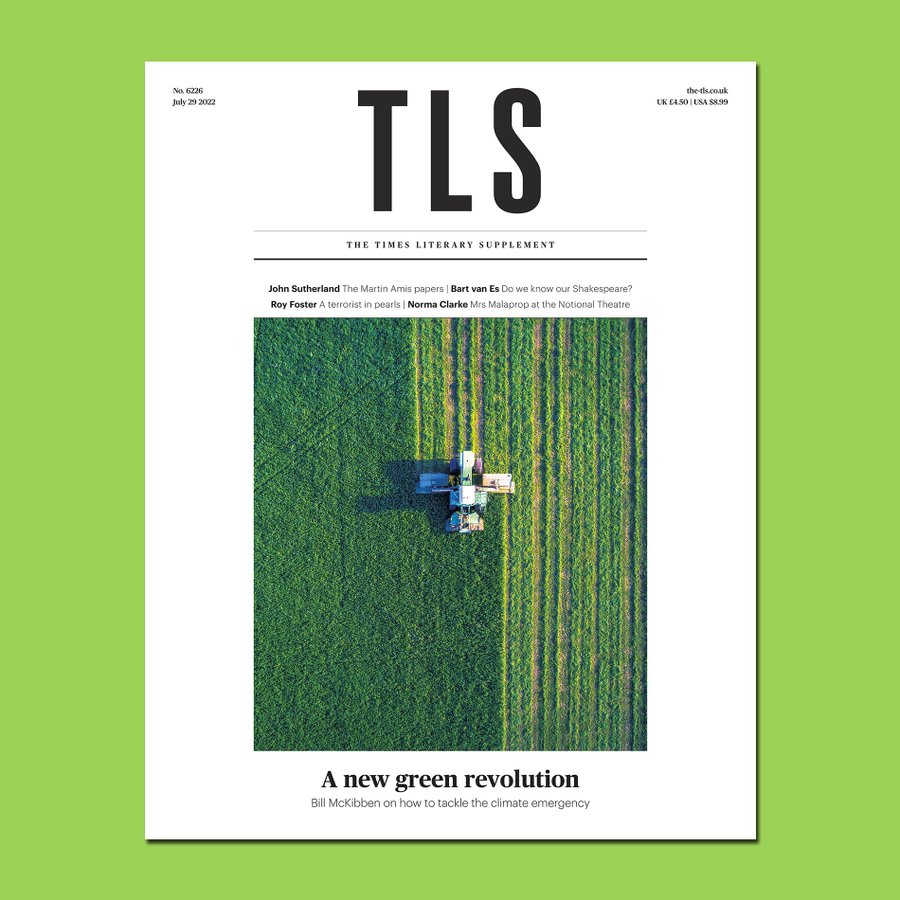
The TLS (Times Literary Supplement) for July 29, 2022 – @TheTLS, featuring @billmckibben on the future of farming; Bart van Es on Shakespeare’s life and sources; @profrhodrilewis on the sixteenth-century mind; @soniafaleiro on Geetanjali Shree; @mary_leng on straw men – and more.
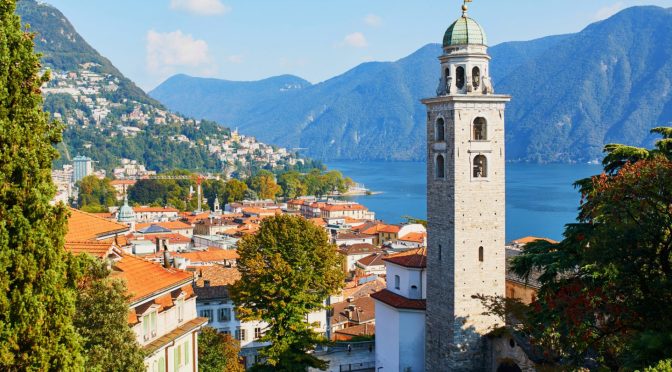
Ticino is an Italian-speaking region in southern Switzerland with palm-lined lakes and sharp Alpine peaks. Its architecture, cuisine and culture is closely related to that of neighboring Italy. Bellinzona, the capital of Ticino, is home to medieval castles. Lugano, a town on glacial Lake Lugano, is known for its waterfront promenade and Piazza della Riforma, a square lined with neoclassical buildings.
Russia cut the gas flowing through the Nord Stream 1 pipeline by half in what many see as retaliation for Europe’s support of Ukraine. EU energy ministers fear further cuts as winter approaches.
A new research review suggests the decades-long reliance on SSRIs to treat depression was based on a false premise. And why Dakar’s plant vendors show such high levels of trust.
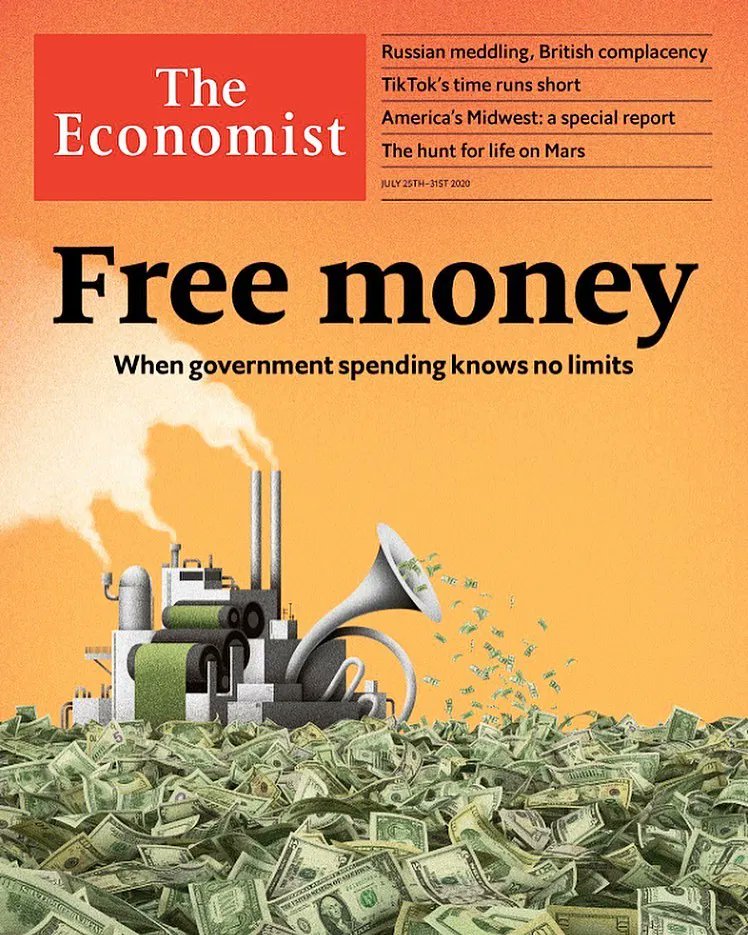
Budget constraints have gone missing. That presents both danger and opportunity
It is sometimes said that governments wasted the global financial crisis of 2007-09 by failing to rethink economic policy after the dust settled. Nobody will say the same about the covid-19 pandemic. It has led to a desperate scramble to enact policies that only a few months ago were either unimaginable or heretical. A profound shift is now taking place in economics as a result, of the sort that happens only once in a generation. Much as in the 1970s when clubby Keynesianism gave way to Milton Friedman’s austere monetarism, and in the 1990s when central banks were given their independence, so the pandemic marks the start of a new era. Its overriding preoccupation will be exploiting the opportunities and containing the enormous risks that stem from a supersized level of state intervention in the economy and financial markets.
News, Views and Reviews For The Intellectually Curious









 Boomers Daily