Tag Archives: William Shakespeare

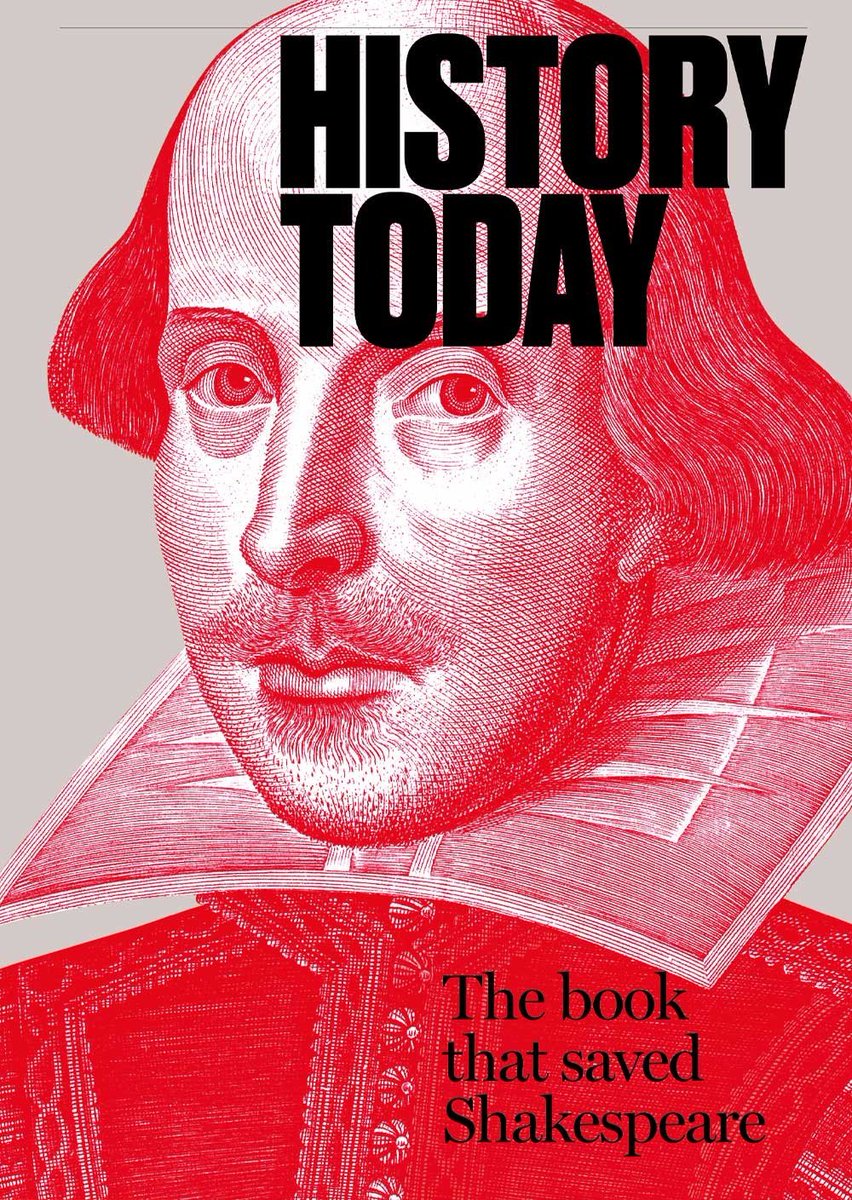
Preview: History Today Magazine – April 2023

Image

HISTORY TODAY MAGAZINE – APRIL 2023 ISSUE

The First Folio

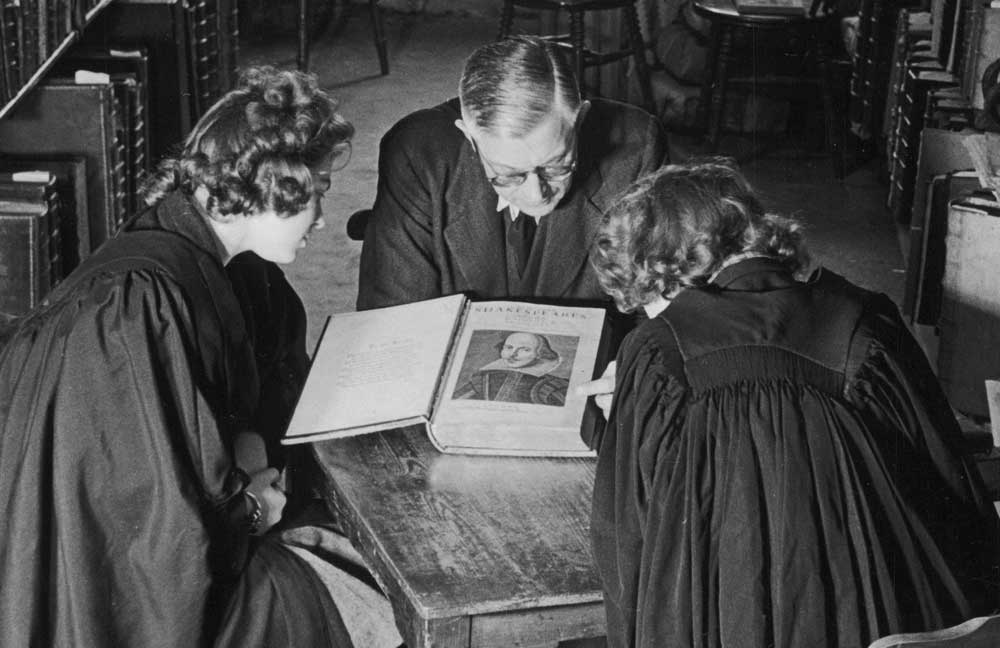
Shakespeare’s First Folio in the library of Durham University, 1950s.

The stage has a short memory, print a long one: 400 years since its first publication, Shakespeare’s First Folio is the reason we remember him.

American Moppets

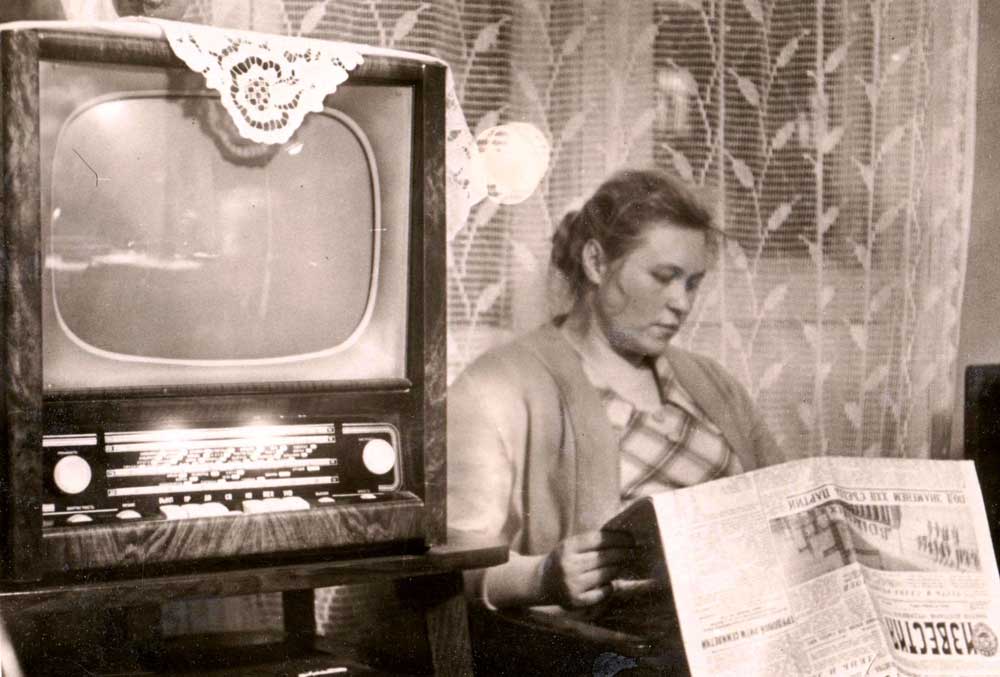
 Teleradiola "Belarus-5" in an ordinary Soviet house.
 ‘The ‘Belarus-5’ in an ordinary Soviet house,’ photographed in the 1960s. 

Americanised globalisation and the new world of Russian business in the 1990s.

In the 1990s, a version of the satirical puppet show Spitting Image arrived on Russian television. A Muscovite once told the story of his father, who took great care to record every episode on VHS.

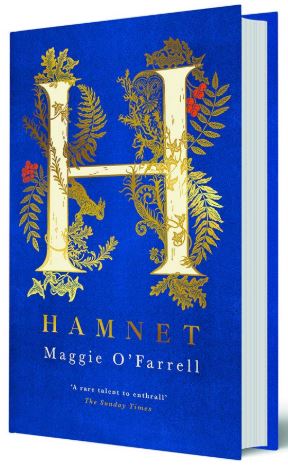
Shakespeare: ‘Hamnet’ Author Maggie O’Farrell

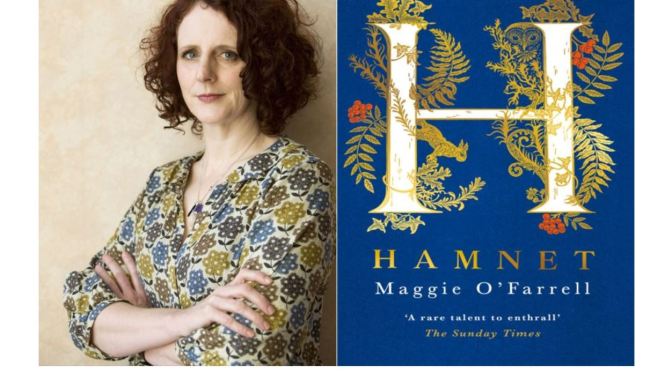
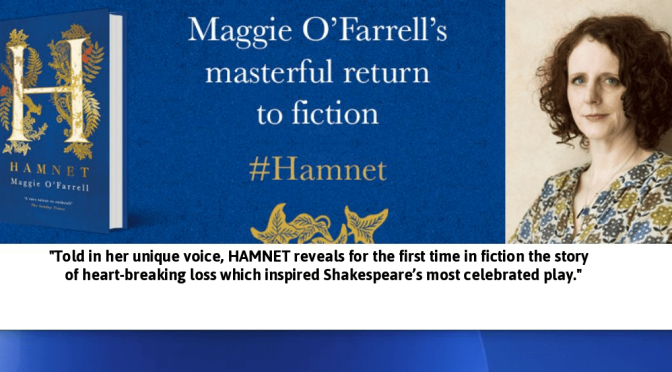
Maggie O’Farrell’s “Hamnet,” one of last year’s most widely acclaimed novels, imagines the life of William Shakespeare, his wife, Anne (or Agnes) Hathaway, and the couple’s son Hamnet, who died at 11 years old in 1596.

On this week’s podcast, O’Farrell says she always planned for the novel to have the ensemble cast it does, but that her deepest inspiration was to capture a sense of the young boy at its center.

“The engine behind the book for me was always the fact that I think Hamnet has been overlooked and underwritten by history,” she says. “I think he’s been consigned to a literary footnote. And I believe, quite strongly, that without him — without his tragically short life — we wouldn’t have the play ‘Hamlet.’ We probably wouldn’t have ‘Twelfth Night.’ As an audience, we are enormously in debt to him.”

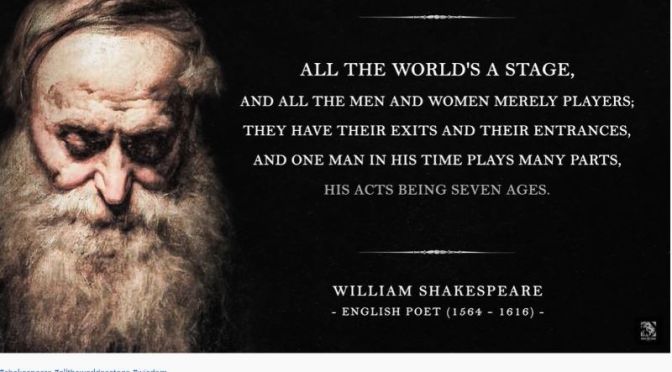
World’s Greatest Quotes: ‘The Seven Ages Of Man’ – William Shakespeare (1599)

Read by James Smillie

The Seven Ages of Man by William Shakespeare

All the world’s a stage,
And all the men and women merely players;
They have their exits and their entrances;
And one man in his time plays many parts,
His acts being seven ages. At first the infant,
Mewling and puking in the nurse’s arms;
And then the whining school-boy, with his satchel
And shining morning face, creeping like snail
Unwillingly to school. And then the lover,
Sighing like furnace, with a woeful ballad
Made to his mistress’ eyebrow. Then a soldier,
Full of strange oaths, and bearded like the pard,
Jealous in honour, sudden and quick in quarrel,
Seeking the bubble reputation
Even in the cannon’s mouth. And then the justice,
In fair round belly with good capon lin’d,
With eyes severe and beard of formal cut,
Full of wise saws and modern instances;
And so he plays his part. The sixth age shifts
Into the lean and slipper’d pantaloon,
With spectacles on nose and pouch on side;
His youthful hose, well sav’d, a world too wide
For his shrunk shank; and his big manly voice,
Turning again toward childish treble, pipes
And whistles in his sound. Last scene of all,
That ends this strange eventful history,
Is second childishness and mere oblivion;
Sans teeth, sans eyes, sans taste, sans everything.

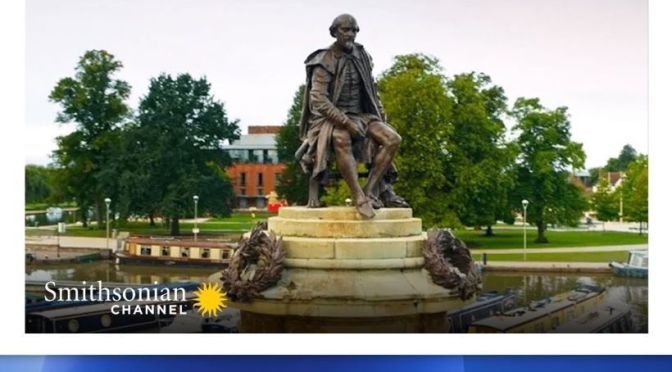
New Aerial Travel Video: ‘Stratford-Upon-Avon’

To soar over Stratford-upon-Avon in Warwickshire is to be transported back in time to the age of William Shakespeare; a man born in humble circumstances who would go on to become the most celebrated writer of all time.

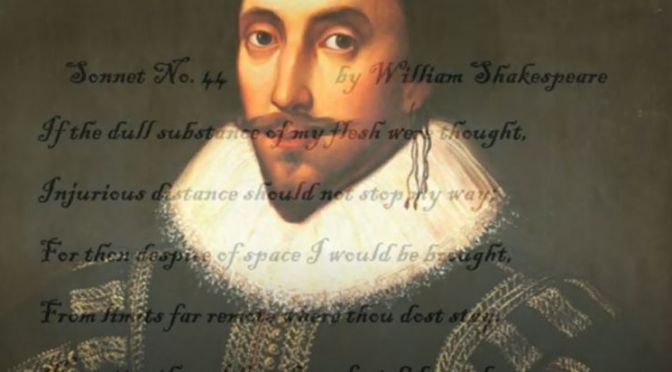
Poetry: ‘Sonnet 44’ By William Shakespeare

Read by: A Poetry Channel

Sonnet 44 is one of 154 sonnets written by the English playwright and poet William Shakespeare. It is a member of the Fair Youth sequence, in which the poet expresses his love towards a young man. Sonnet 44 is continued in Sonnet 45. 

Sonnet XLIV

If the dull substance of my flesh were thought,
Injurious distance should not stop my way;
For then despite of space I would be brought,
From limits far remote, where thou dost stay.
No matter then although my foot did stand
Upon the farthest earth removed from thee;
For nimble thought can jump both sea and land
As soon as think the place where he would be.
But ah! thought kills me that I am not thought,
To leap large lengths of miles when thou art gone,
But that, so much of earth and water wrought,
I must attend time’s leisure with my moan,
   Receiving nought by elements so slow
   But heavy tears, badges of either’s woe.

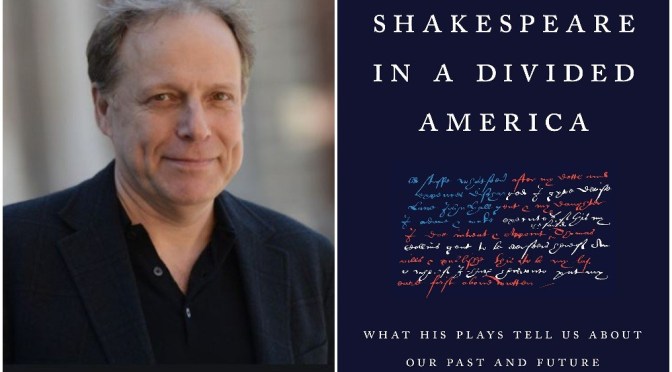
Interviews: “Shakespeare In A Divided America” Author James Shapiro

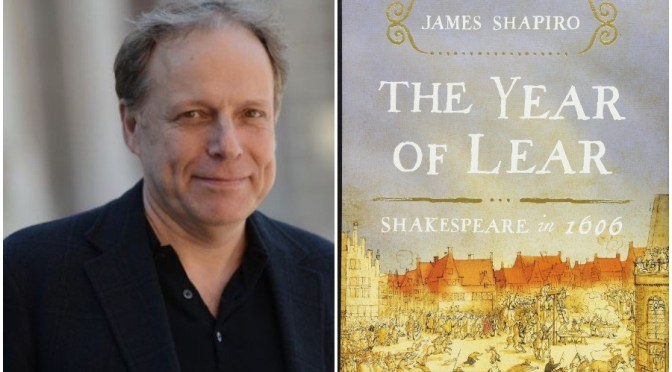
The Economist Asks PodcastIn a year of plagues, power struggles and star-crossed lovers divided by lockdown, Anne McElvoy asks James Shapiro, author of “Shakespeare in a Divided America”, what the bard would make of it all. Shakespeare is claimed by Americans of all political stripes.

But how can a lad from 16th-century Stratford-upon-Avon illuminate the past and future of the republic now? Plus, what the president might teach the professor about Shakespeare’s work. And, Shapiro prescribes a verse for the trials and tribulations of 2020.

New Literary Podcasts: Author James Shapiro On “Shakespeare And Plagues”

Octavian Report Rostrum PodcastsOctavian Report “Rostrum” spoke with him about a major theme in Shakespeare’s work and life: disease. Specifically, pandemic plagues, which ravaged London repeatedly throughout Shakespeare’s career, shuttering the theaters, and which appear (obliquely and otherwise) in some of his greatest plays.

The latest episode of the Rostrum’s coronavirus series features James Shapiro, the Larry Miller professor of English and comparative literature at Columbia University, and a leading expert on Shakespeare. Shapiro has published widely on this subject, most recently Shakespeare in a Divided America. He is also an advisor to the Royal Shakespeare Company and to the Public Theater.

Website

James S. Shapiro (born 1955) is Professor of English and Comparative Literature at Columbia University who specialises in Shakespeare and the Early Modern period. Shapiro has served on the faculty at Columbia University since 1985, teaching Shakespeare and other topics, and he has published widely on Shakespeare and Elizabethan culture.


Podcast Interviews: Irish-British Author Maggie O’Farrell On Her New Novel “Hamnet” (BBC)

BBC Radio 4 Books and AuthorsBBC Radio 4 “Books And Authors” Talks To Maggie O’Farrell on her new novel, “Hamnet”


Hamnet Maggie O'Farrell March 31 2020On a summer’s day in 1596, a young girl in Stratford-upon-Avon takes to her bed with a fever. Her twin brother, Hamnet, searches everywhere for help. Why is nobody at home?

Their mother, Agnes, is over a mile away, in the garden where she grows medicinal herbs. Their father is working in London. Neither parent knows that one of the children will not survive the week.

Hamnet is a novel inspired by the son of a famous playwright. It is a story of the bond between twins, and of a marriage pushed to the brink by grief. It is also the story of a kestrel and its mistress; flea that boards a ship in Alexandria; and a glovemaker’s son who flouts convention in pursuit of the woman he loves. Above all, it is a tender and unforgettable reimagining of a boy whose life has been all but forgotten, but whose name was given to one of the most celebrated plays ever written.

Read more or purchase

Road Trip To Stratford: Slaughters North To Cotswolds Distillery And Shakespeare

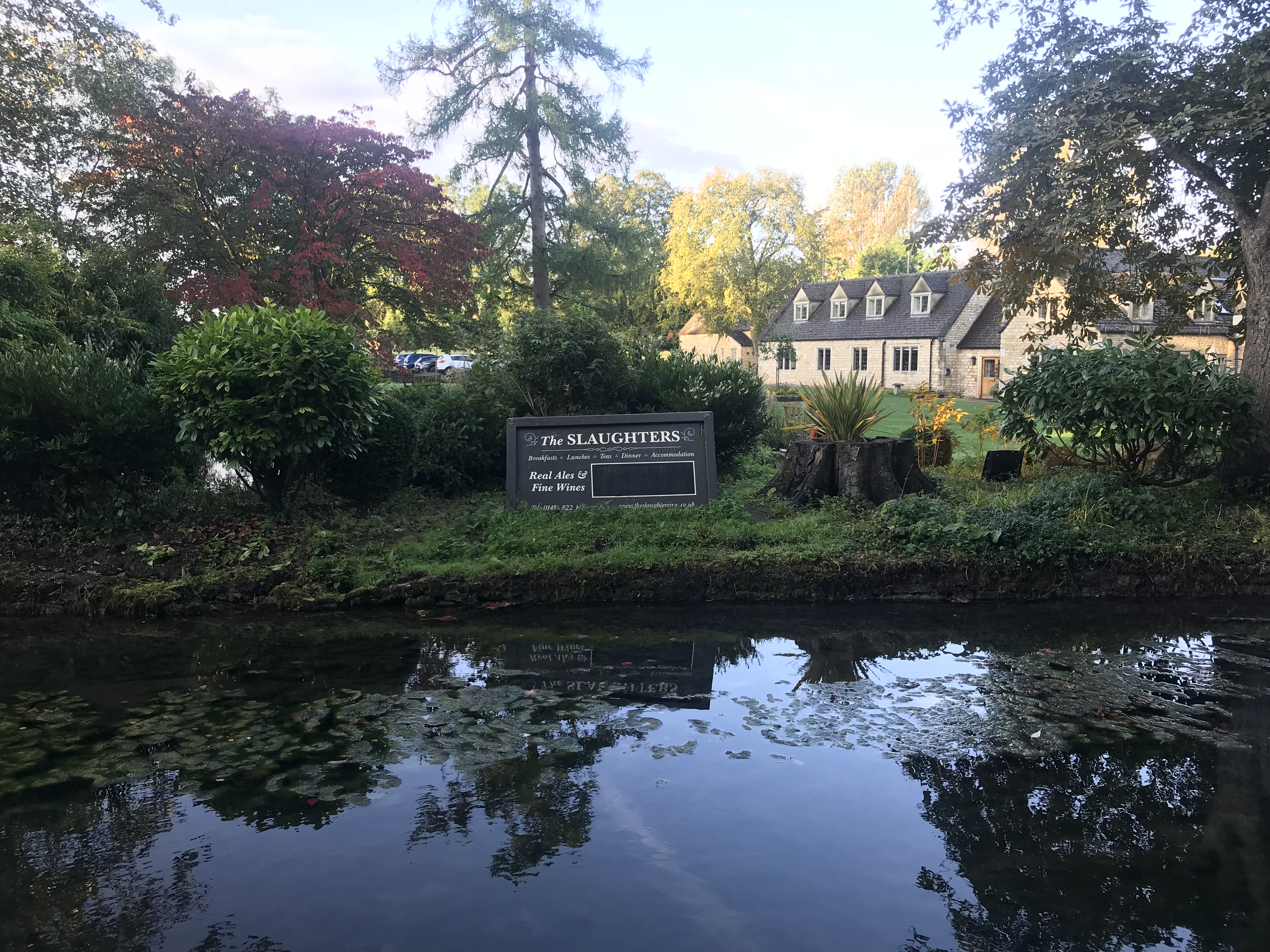
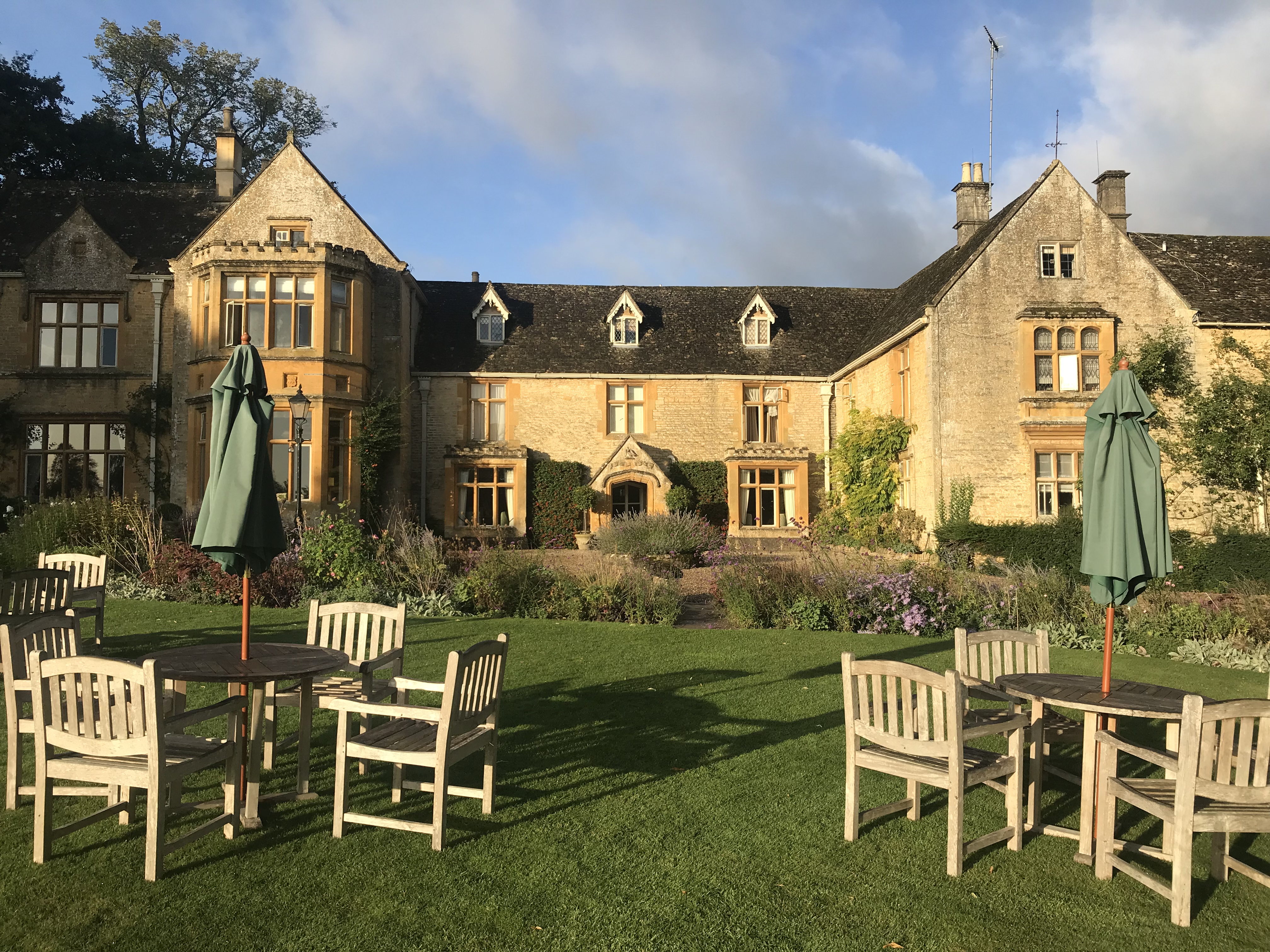
We left Lords (of the Manor) at 7 am for a 3 mile round trip hike to Lower Slaughter and back for breakfast at 8.

Breakfast was a nice spread of pastries, bread, fruit, cereals, yoghurt and juices. Ordered eggs, bacon, sausage and mushrooms.

We checked out and drove north to Stourton and the Cotswolds Distillery. Their recently opened tasting room and store was light and bright.

We were offered a tasting of 5 gins, 7 whiskies and their very special “1616 – Barrel Aged Gin. You will never find a better (and free) tasting anywhere.

We more than compensated them by buying Cotswolds Distillery clothing, hunter flasks and other items. They filled up one flask with 1616 for the ultimate roadie.

It was then off to Stratford-upon-Avon and the Arden Hotel.
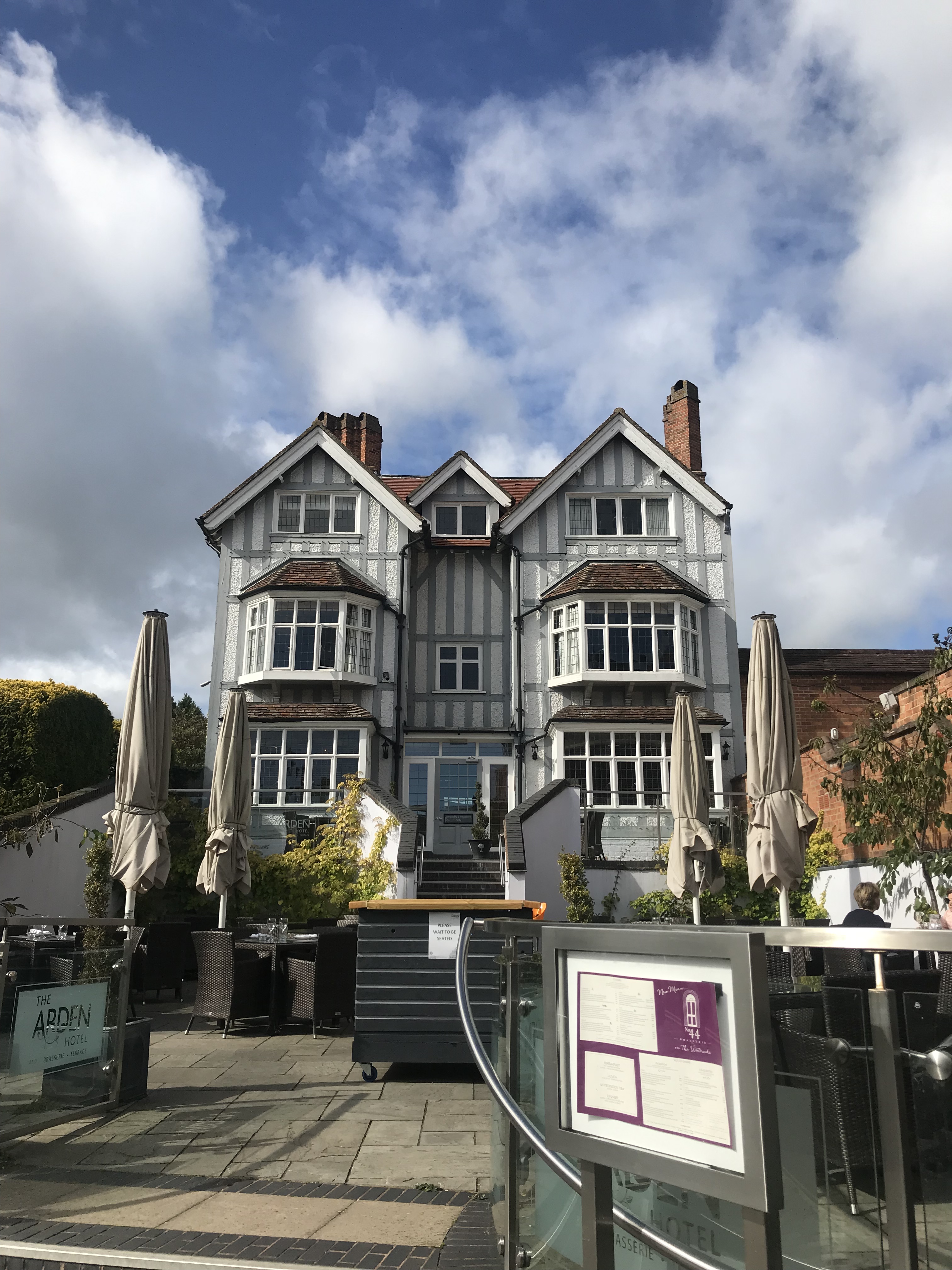
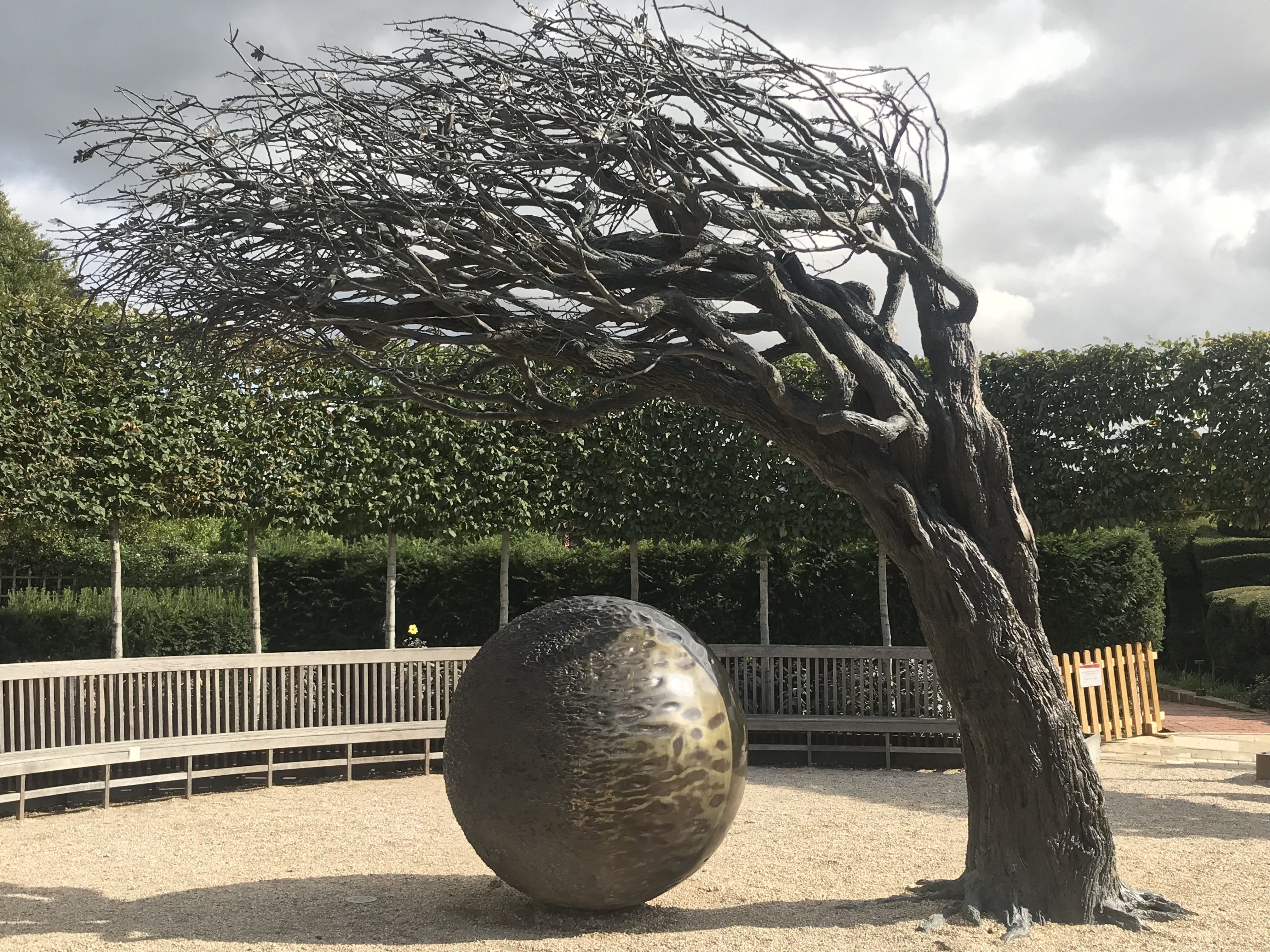
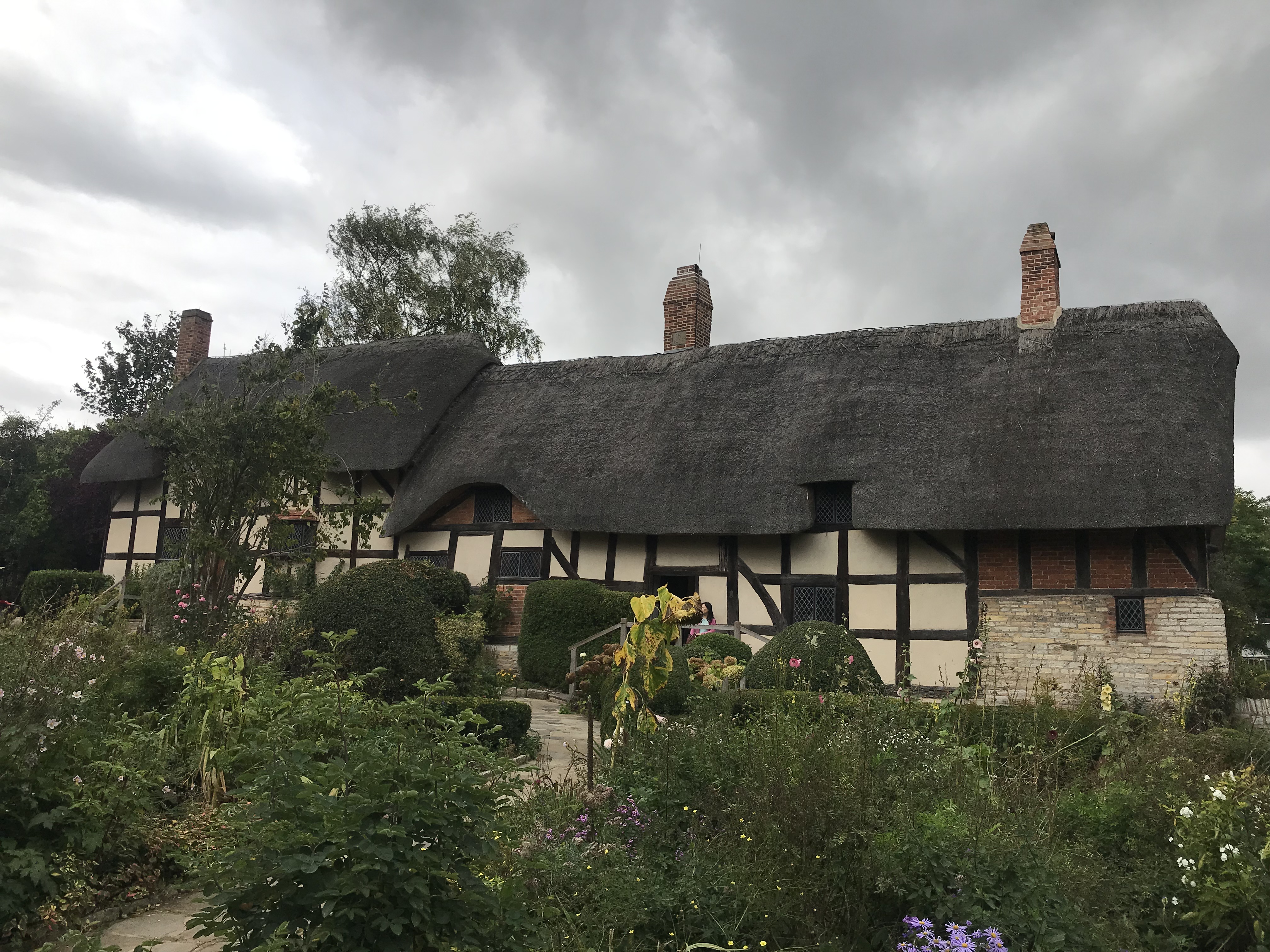
After checking in we set out to experience Shakespeare’s birthplace, exhibits, the New House, Anne Hathaway’s Cottage and Hall’s Croft.
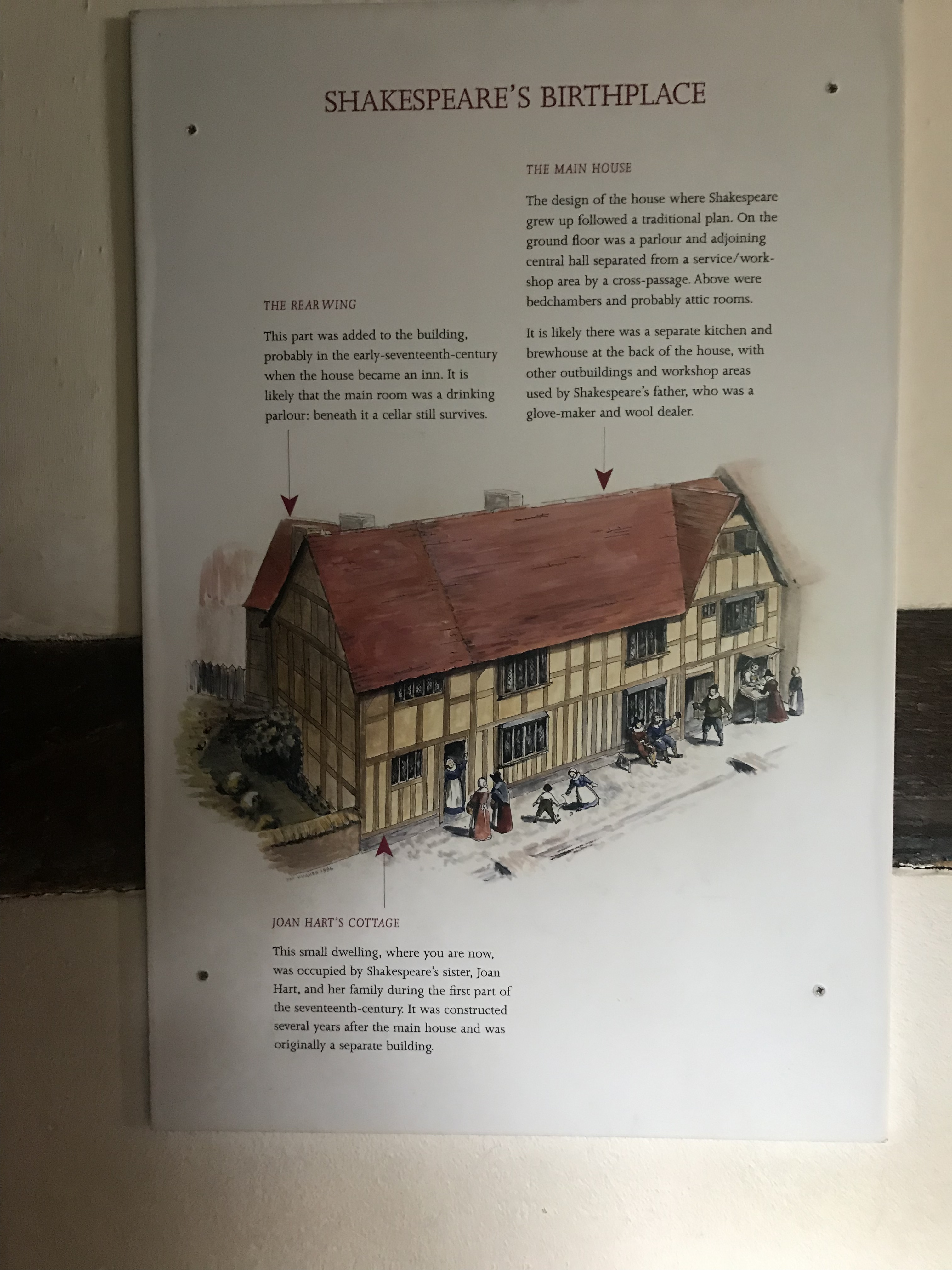
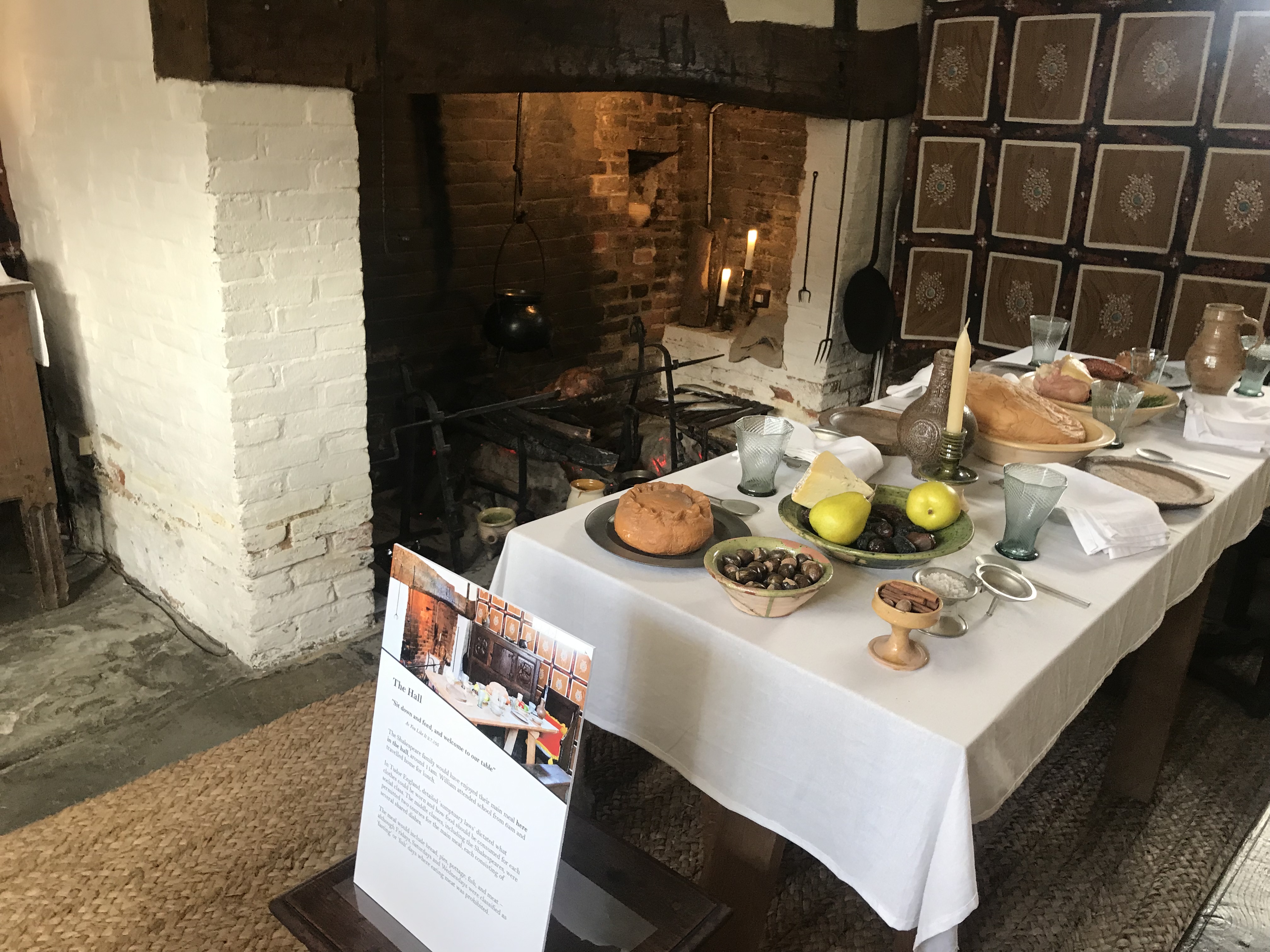
After the tour, we had Gin and Tonics and dinner at The Dirty Duck (The Black Swan years ago) and called it a night.