
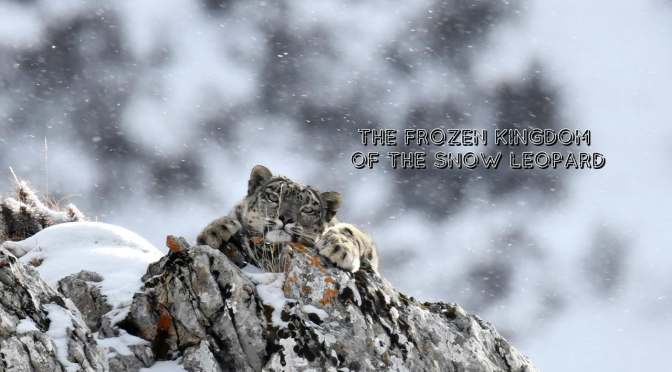
Director: Frédéric Larrey
ZED Production
Producer: Manuel Catteau
SYNOPSIS:
At the start of spring, in the upland valleys of Central Asia, the echo of a piercing yowl can be heard. For many mammals, it’s an alarm signal: For the snow leopard, it heralds the mating season, the females calling to the males, who arrive hungry, nervous, and ready to fight.
For a mother with her two young, who are far from ready to fend for themselves, a tricky phase lies ahead. Firstly, because she must hunt tirelessly to feed her litter. But also because she has protect them from males seeking to mate with her, who would kill any offspring that is not their own. If these young cats make it through the winter, it will then be their turn to reign supreme in this frozen kingdom.
Set in the remote mountains of China and Tibet, this film follows the perilous existence of a female and her two young snow leopards, who are less than a year old, in a valley of stunning beauty with a dazzling diversity of wildlife.
Two photographer brothers came upon this lost valley in 2016 and were amazed to find it home to a dense population of snow leopards in a relatively small territory. Their discovery led to this exceptional film about an elusive big cat that is rarely caught on camera.



 Its optimal weight, around 450kg depending on the options, allows it to be towed by most cars with just its B license in its pocket.


 Polydrop Trailer fully loaded model weighs only 1150LBS, it can be towed by most cars. Hydraulic disc brakes come stock on all of Polydrop Trailer models will help you drive safely.

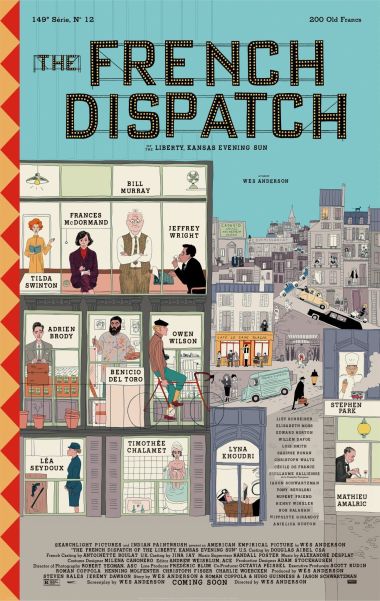 Wes Anderson’s new movie, “The French Dispatch,” which will open this summer, is about the doings of a fictional weekly magazine that looks an awful lot like—and was, in fact, inspired by—The New Yorker. The editor and writers of this fictional magazine, and the stories it publishes—three of which are dramatized in the film—are also loosely inspired by The New Yorker. Anderson has been a New Yorker devotee since he was a teen-ager, and has even amassed a vast collection of bound volumes of the magazine, going back to the nineteen-forties. That he has placed his fictional magazine in a made-up French metropolis (it’s called Ennui-sur-Blasé), at some point midway through the last century, only makes connecting the dots between “The French Dispatch” and The New Yorker that much more delightful.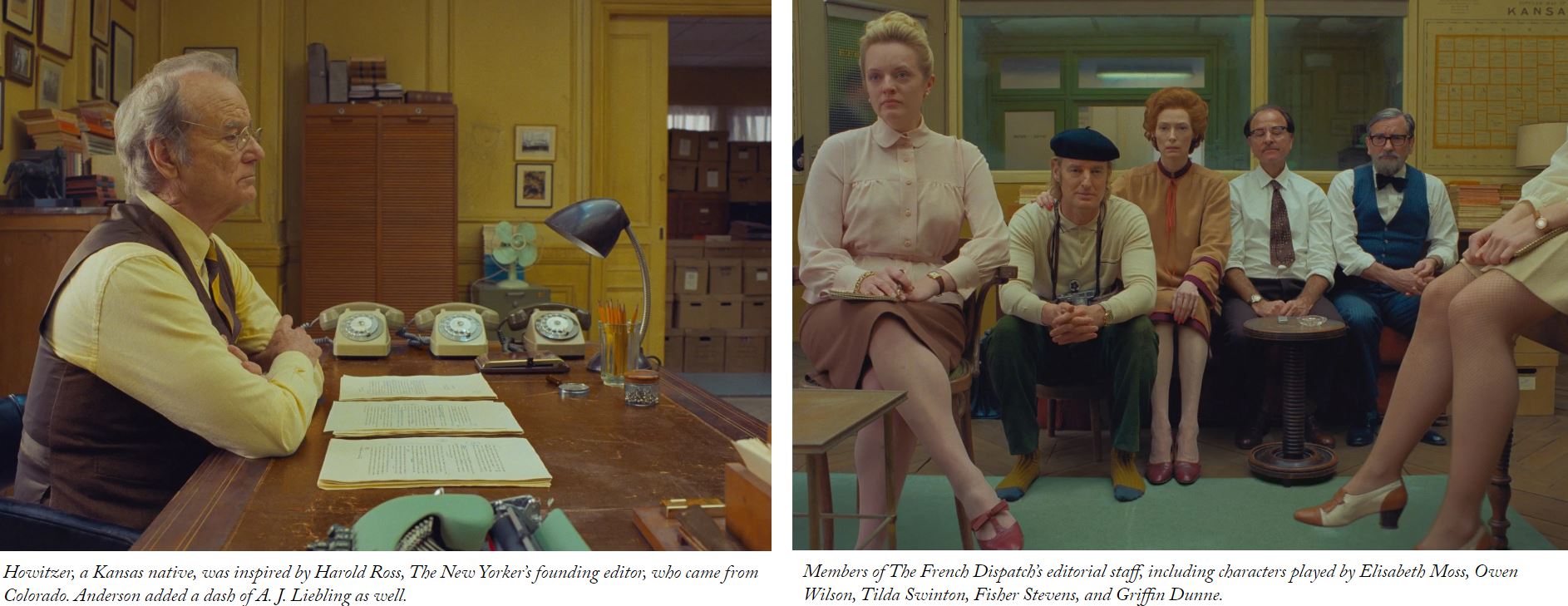
 Boomers Daily