Tensions are rising at Europe’s largest nuclear-power station, which Russian forces are using as a military base. We ask what the risks are, and whether they can be headed off.
Britain’s summer heatwave was deadly—but figuring out how deadly was no easy task. And discovering the real value of the “social capital” outside family and work relationships.
The pandemic and hybrid working have changed the very idea of the office. This is not only changing the design and purpose of offices, but the look of cities too.
Chapters 00:00 – The office: a shifting concept 00:57 – What do future offices look like? 02:30 – The office as a social destination 03:20 – The rising demand for flexible work 04:06 – How should hybrid employees be managed? 06:01 – Will hybrid work worsen gender inequality? 06:36 – How will flexible working reshape cities?
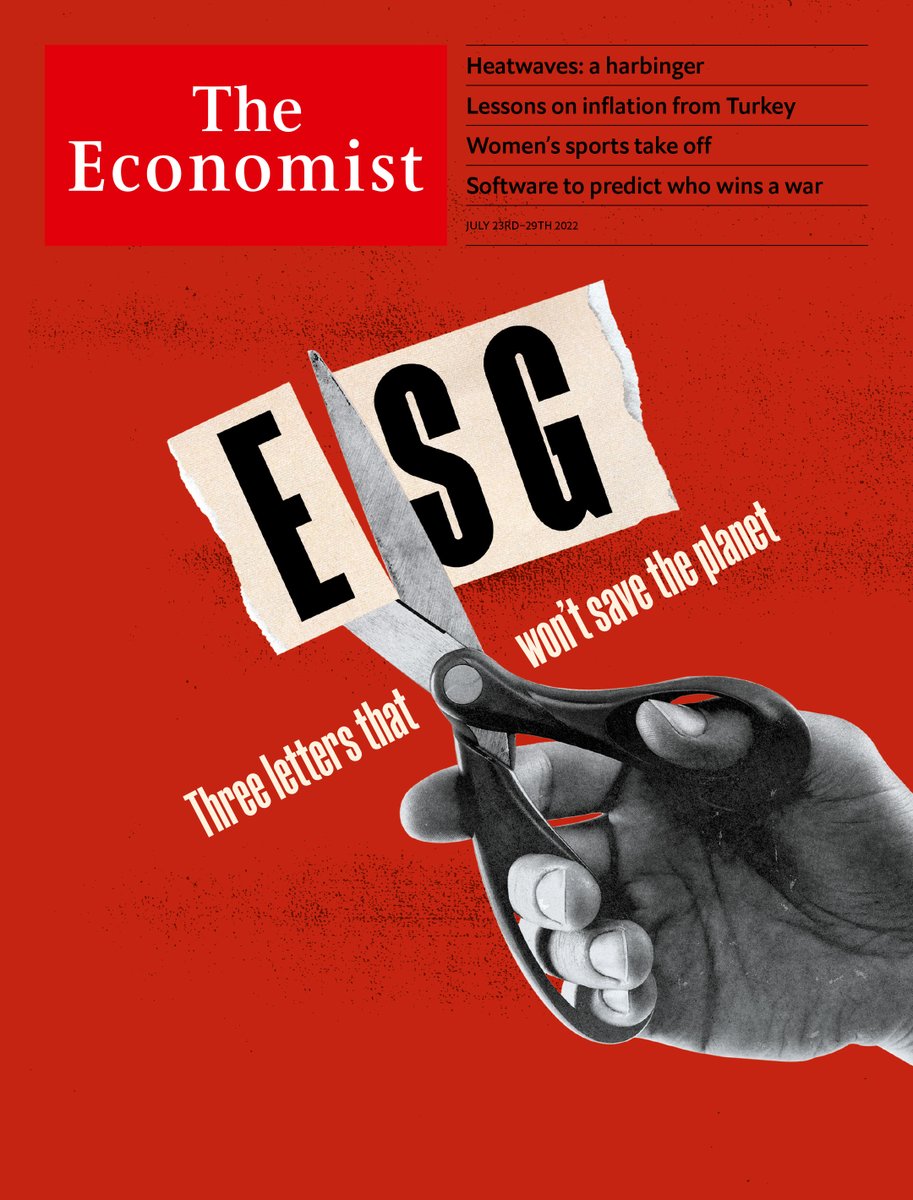
If you are the type of person who is loth to invest in firms that pollute the planet, mistreat workers and stuff their boards with cronies, you will no doubt be aware of one of the hottest trends in finance: environmental, social and governance (esg) investing. It is an attempt to make capitalism work better and deal with the grave threat posed by climate change. It has ballooned in recent years; the titans of investment management claim that more than a third of their assets, or $35trn in total, are monitored through one esg lens or another. It is on the lips of bosses and officials everywhere.
A selection of three essential articles read aloud from the latest issue of The Economist. This week, why the Democrats need to wake up and stop pandering to their extremes, Europe’s winter of discontent (9:50), and why bottling white wine in clear glass is an error (18:09).
The hype about TikTok is justified—and so are the concerns. There’s a reason why the world’s most exciting app is also its most mistrusted https://econ.st/3bQE9JX
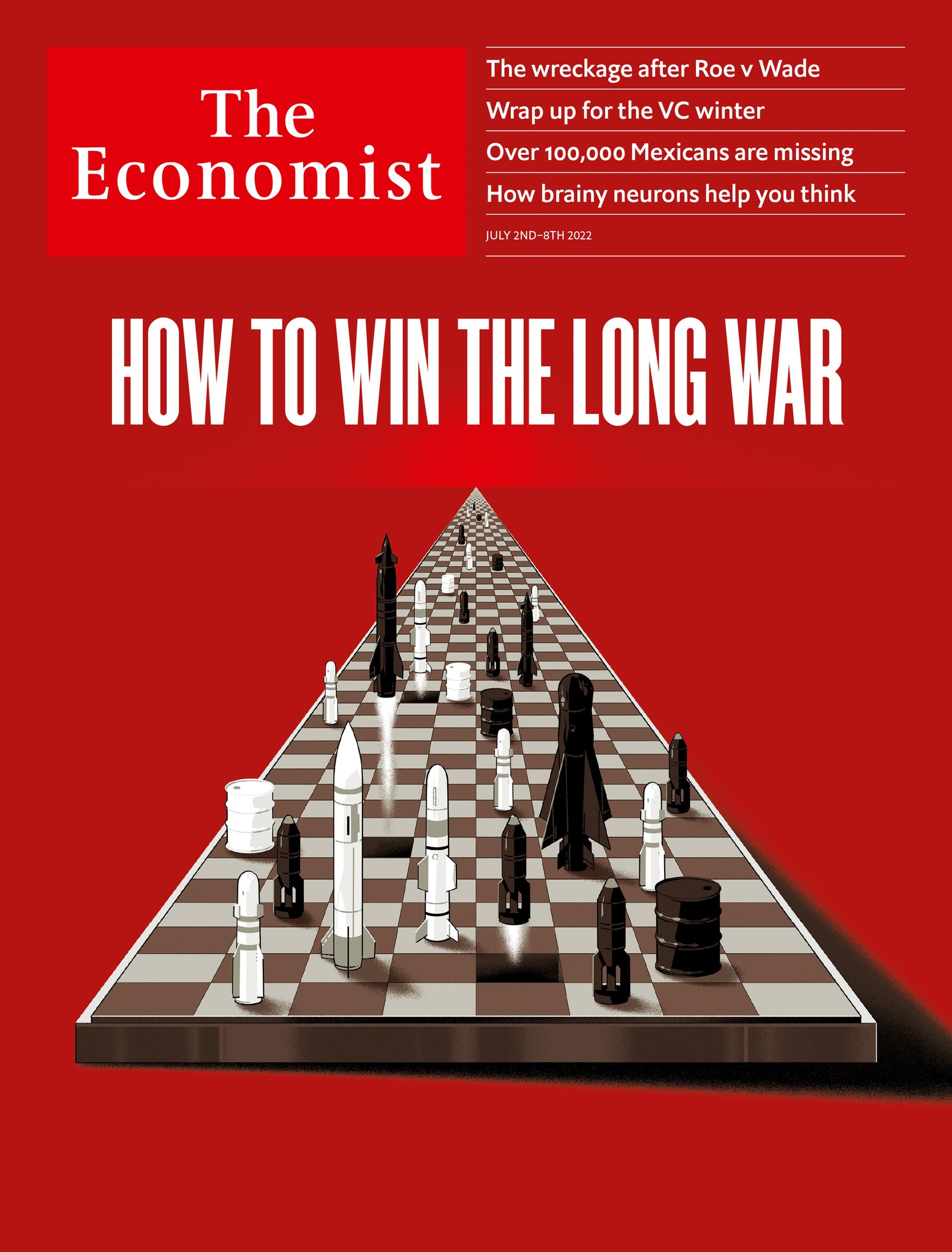
Ukraine won the short war. Now comes the long war, and so far, Russia is winning. But it does not have to be fought on Vladimir Putin’s terms
Ukraine won the short war. Mobile and resourceful, its troops inflicted terrible losses and confounded Russian plans to take Kyiv. Now comes the long war. It will drain weapons, lives and money until one side loses the will to fight on. So far, this is a war that Russia is winning.
In recent days its forces have taken the eastern city of Severodonetsk. They are advancing on Lysychansk and may soon control all of Luhansk province. They also threaten Slovyansk, in the north of next-door Donetsk. Ukrainian leaders say they are outgunned and lack ammunition. Their government reckons as many as 200 of its troops are dying each day.
The promise and perils of a breakthrough in machine intelligence
Jun 9th 2022ShareGive
Picture a computer that could finish your sentences, using a better turn of phrase; or use a snatch of melody to compose music that sounds as if you wrote it (though you never would have); or solve a problem by creating hundreds of lines of computer code—leaving you to focus on something even harder. In a sense, that computer is merely the descendant of the power looms and steam engines that hastened the Industrial Revolution. But it also belongs to a new class of machine, because it grasps the symbols in language, music and programming and uses them in ways that seem creative. A bit like a human.
The “foundation models” that can do these things represent a breakthrough in artificial intelligence, or ai. They, too, promise a revolution, but this one will affect the high-status brainwork that the Industrial Revolution never touched. There are no guarantees about what lies ahead—after all, ai has stumbled in the past. But it is time to look at the promise and perils of the next big thing in machine intelligence.
News, Views and Reviews For The Intellectually Curious







 Boomers Daily