The world is facing a growing waste problem, with 2bn tonnes produced last year alone. Is it possible to clean up this mess by turning trash into cash? 00:00 – The world has a huge waste problem.
Video timeline: 00:45 – Upcycling to reduce waste 02:46 – Building offices from recycled products 03:46 – The problem with traditional recycling 04:59 – Waste reduction relies on a circular economy 05:38 – Taiwan’s waste management success 08:20 – The problem with incineration 09:55 – Is the future zero waste? 10:43 – Consumption attitudes are changing Read our special report on waste here https://econ.st/3JrlD6y
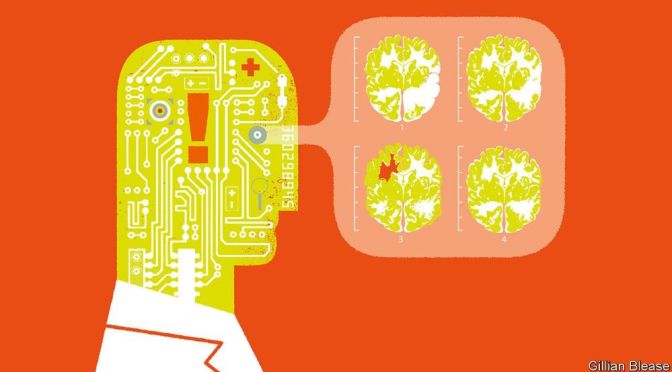
AI has the power to transform health care. From more efficient diagnoses to safer treatments, it could remedy some of the ills suffered by patients. Film supported by @Maersk
Timeline: 00:00 – Can AI help heal the world? 00:45 – How can AI spot blindness? 04:01 – Protecting patients’ privacy 05:10 – How to share medical data safely 06:11 – Medical AI is rapidly expanding 08:02 – What do the sceptics say? 08.36 – Using AI for new medical devices 11:08 – What does the future hold for medical AI?
By 2050 there could be 10 billion human mouths to feed. Eating insects could help solve the global food-supply problem.
Video timeline: 00:00 – 00:47 How to feed our growing population 00:47 – 03:23 The potential of insects 03:23 – 05:31 Eating cricket powder in Madagascar 05:31– 06:30 Madagascar’s climate change famine 06:30 – 08:00 Cricket farming in Africa 08:00 – 11:30 Expanding insect production 11:30 – 12:20 Insects: a green solution? 12:20 – 13:12 Will insects become a staple?
What will be the biggest stories of 2022? As the pandemic continues to wreak havoc across the globe, President Xi will cement his power as leader of China, tech giants will coax more of us into virtual worlds and the space race reaches new heights. The Economist is back with its annual look at the top stories of the year ahead. Film supported by @TeneoCEOAdvisory
Timeline: 00:00 The World Ahead 2022 00:40 China revels in democracy’s failings 04:11 Hybrid working becomes the new normal 07:48 The metaverse expands 11:26 An African fashion boom 14:12 The space race picks up
Fossil fuels still supply about 80% of the world’s power. How can energy be produced and used more sustainably to meet climate targets? We answer your questions. film supported by @Infosys
Timeline: 00:00 – Why energy needs to become more sustainable 00:33 – How much energy should come from renewables? 01:19 – Why isn’t nuclear power used more widely? 02:19 – How can solar power be made more efficient? 03:34 – Will biofuels become widely used? 04:30 – Do electric vehicles make a difference? 05:10 – How heating and air conditioning can be more sustainable
The wide gap in development between rich and poor children could be closed with the help of neuroscience. Might a controversial focus on genetics also help? Film supported by @Mishcon de Reya LLP
Video timeline: 00:00– The achievement gap between rich and poor kids 00:55 – Words matter in childhood development 03:16 – Conversation can combat childhood inequality 05:09 – Can genetics help close the achievement gap? 07:30 – Genetics can be controversial
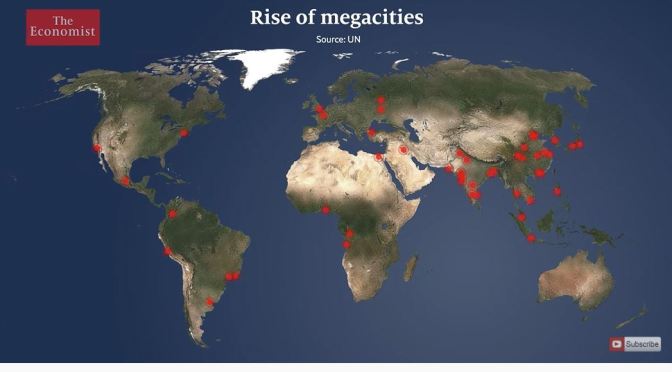
By 2050, 6 billion people could be living in megacities. How should the challenges caused by rapid urbanization be handled in the world ahead? Film supported by @Mission Winnow
Video timeline: 00:00: What are megacities? 01:01: The problem with megacities 03:07: How is Ahmedabad tackling rapid urbanisation? 04:45: How can cities manage traffic? 07:04: The problem with waste 08:00: How is Recycle Central revolutionizing trash? 10:58: What are the most urgent issues to resolve?
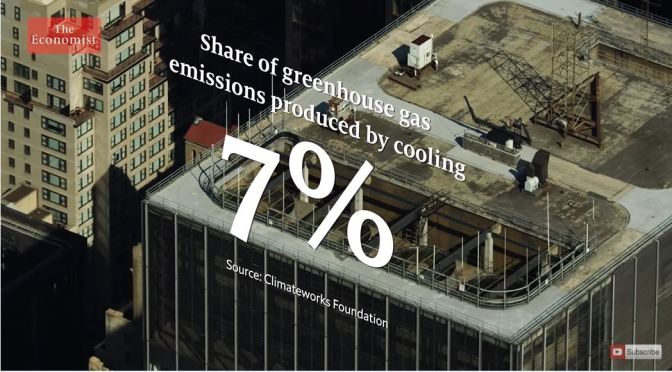
The warmer it gets, the more people use air conditioning—but the more people use air conditioning, the warmer it gets. Is there any way out of this trap?
Video timeline: 00:00: What’s the cooling conundrum? 01:05: The pros and cons of AC 03:28: How to reinvent air conditioning 05:02: Can buildings be redesigned to keep cool? 07:30: Scalable, affordable cooling solutions 10:24: Policy interventions for cooling
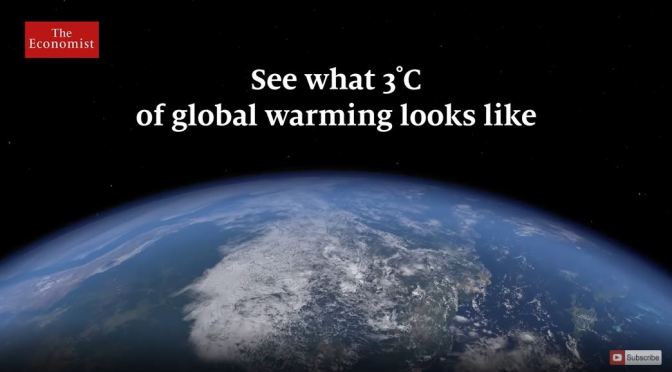
If global temperatures rise three degrees Celsius above pre-industrial levels, the results would be catastrophic. It’s an entirely plausible scenario, and this film shows you what it would look like.
Video timeline: 00:00 – What will a 3°C world look like? 00:57 – Climate change is already having devastating effects 02:58 – How climate modelling works 04:06 – Nowhere is safe from global warming 05:20 – The impact of prolonged droughts 08:24 – Rising sea levels, storm surges and flooding 10:27 – Extreme heat and wet-bulb temperatures 12:51 – Increased migration and conflict 14:26 – Adaptation and mitigation are crucial
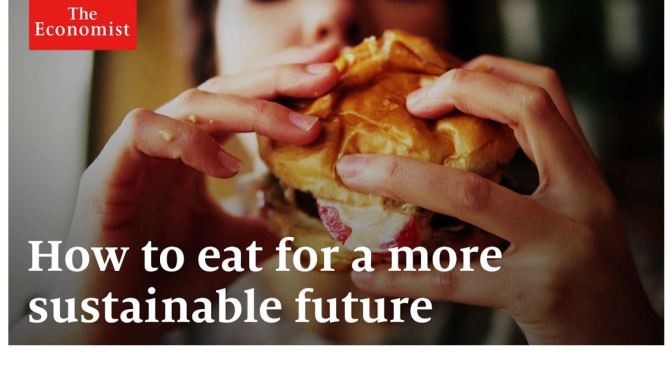
Over one-third of greenhouse-gas emissions come from food production. For a greener future, this urgently needs to change. What’s the future of food in a more sustainable world? Our experts answer your questions.
Video timeline: 00:00 – Food’s environmental impact 00:44 – Why it’s important to make food sustainable 01:34 – Will everyone have to give up meat? 02:13 – Can lab-grown meat be scaled up? 03:32 – Could nutrients and vitamins be added to new foods? 04:52 – Will insects become a new staple food? 05:35 – Why small-scale farming isn’t the main solution 06:51 – Is vertical farming more sustainable? 07:36 – Will consumers accept new foods?
News, Views and Reviews For The Intellectually Curious




 Boomers Daily