
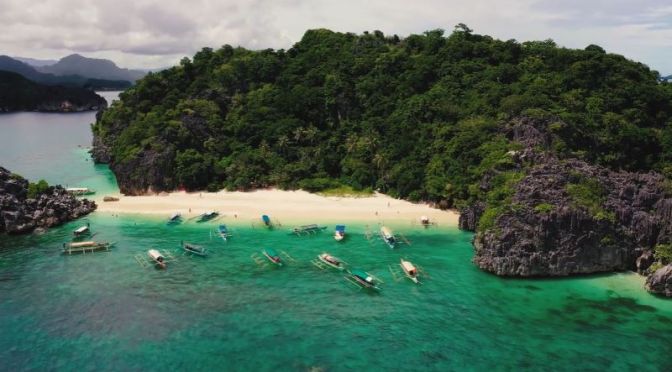
Luzon sits at the northern end of the Philippines, and is the country’s largest and most populous island. It’s known for its mountains, beaches and coral reefs, and is home to Manila, the national capital. Set on a deep bay with famed sunsets, the city has many Spanish-colonial landmarks, national memorials and monuments, a centuries-old Chinatown and a diversity of museums.
Tag Archives: Southeast Asia
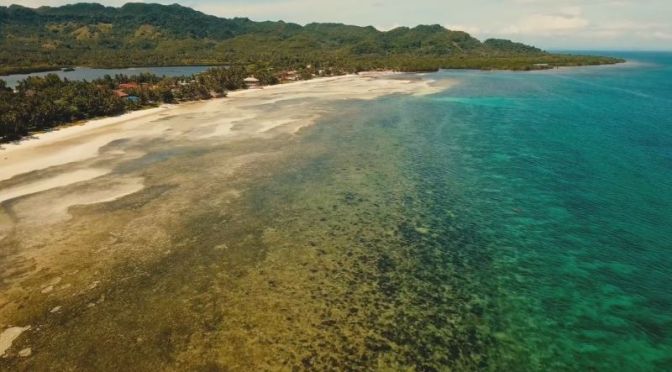
Aerial Travel: ‘Bohol’ In The Philippines (Video)
Bohol is a province of the Philippines, in the country’s Central Visayas region. It comprises Bohol Island and numerous smaller surrounding islands. Bohol is known for coral reefs and unusual geological formations, notably the Chocolate Hills. On the main island, near the town of Carmen, these 1,200 or so symmetrical mounds turn cocoa-brown in the dry season, contrasting with the surrounding jungle’s greenery.
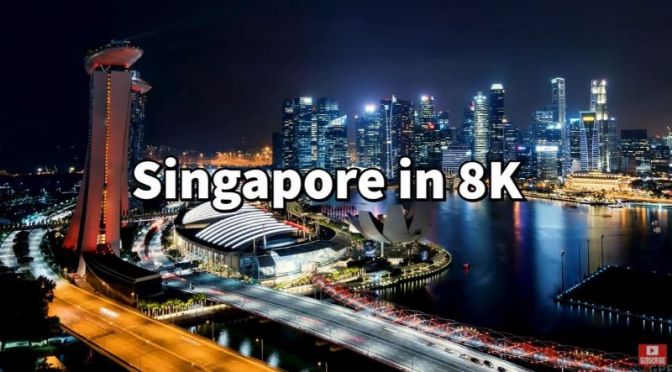
Travel: ‘Singapore’ (Video)
Singapore, officially the Republic of Singapore, is a sovereign island city-state in maritime Southeast Asia. It lies about one degree of latitude (137 kilometres or 85 miles) north of the equator, off the southern tip of the Malay Peninsula, bordering the Straits of Malacca to the west, the Riau Islands (Indonesia) to the south, and the South China Sea to the east. The country’s territory is composed of one main island, 63 satellite islands and islets, and one outlying islet, the combined area of which has increased by 25% since the country’s independence as a result of extensive land reclamation projects. It has the second greatest population density in the world. The country has almost 5.7 million residents, 61% (3.4 million) of whom are Singaporean citizens.
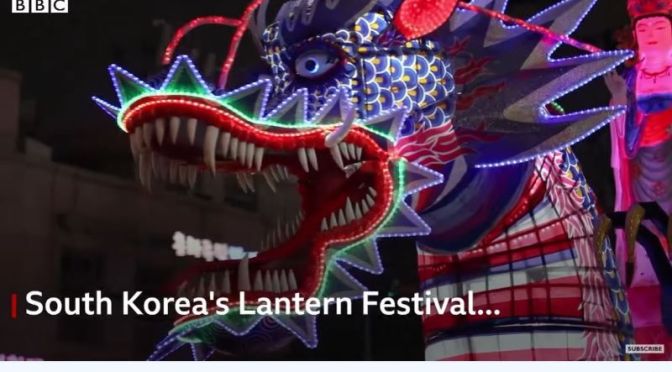
Travel & Culture: ‘South Korea’s Lantern Festival’
South Koreas Lantern Festival has won the Unesco Intangible Cultural Heritage status. It’s an annual festival that dates back centuries and it marks the birthday of Buddha. All across the country you’ll find colourful lanterns decorating temples, houses and streets and there also are large parades with elaborate floats. Unesco said the spring festival was “a time of joy” which “in times of difficulties, plays an important role in…helping people overcome the troubles of the day.” Unesco’s Intangible Cultural Heritage status aims to protect traditions, knowledge and skills which are often inherited through generations, so they are not lost or forgotten as time moves on.
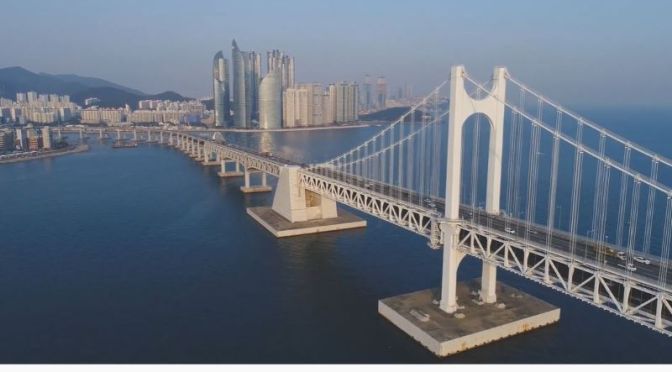
Aerial Travel: ‘Seoul – South Korea’ (Video)
Seoul, the capital of South Korea, is a huge metropolis where modern skyscrapers, high-tech subways and pop culture meet Buddhist temples, palaces and street markets. Notable attractions include futuristic Dongdaemun Design Plaza, a convention hall with curving architecture and a rooftop park; Gyeongbokgung Palace, which once had more than 7,000 rooms; and Jogyesa Temple, site of ancient locust and pine trees.
South Korea, an East Asian nation on the southern half of the Korean Peninsula, shares one of the world’s most heavily militarized borders with North Korea. It’s equally known for its green, hilly countryside dotted with cherry trees and centuries-old Buddhist temples, plus its coastal fishing villages, sub-tropical islands and high-tech cities such as Seoul, the capital.
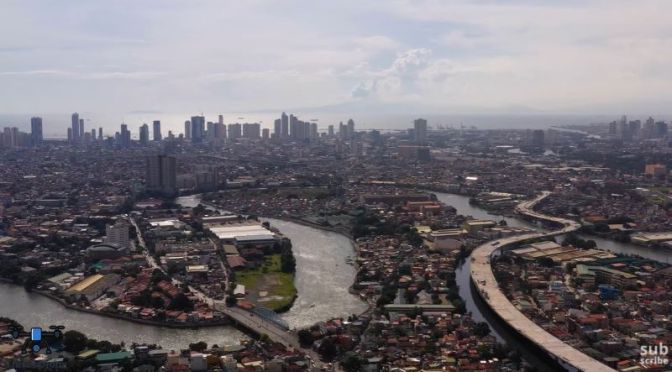
Aerial Travel Video: ‘Manila – Philippines’
Manila, the capital of the Philippines, is a densely populated bayside city on the island of Luzon, which mixes Spanish colonial architecture with modern skyscrapers. Intramuros, a walled city in colonial times, is the heart of Old Manila. It’s home to the baroque 16th-century San Agustin Church as well as Fort Santiago, a storied citadel and former military prison.
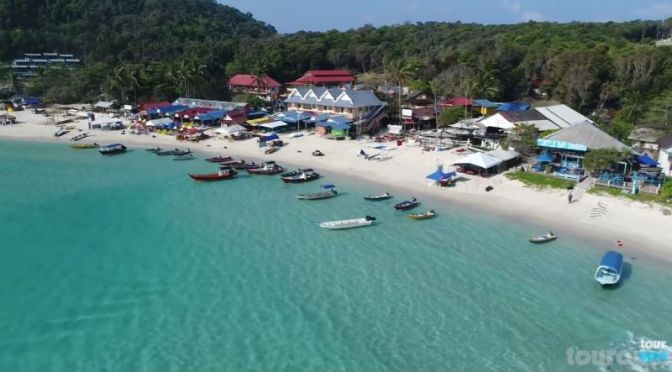
Travel Videos: Top Ten Places To Visit In Malaysia
If countries were awarded for diversity, Malaysia would top first place. Not only is Malaysia a melting pot of ethnic cultures, but it is also a blend of many different customs, cuisines and religions all coexisting peacefully together. From large island groups to mountains and tropical rainforest, the country’s geography is every bit as diverse. What’s more, Malaysia is a unique country in that is divided into two main landmasses. West Malaysia occupies the southern half of a peninsula shared with Thailand, while East Malaysia is situated on the Borneo island. Here’s a look at the best places to visit in Malaysia.
Malaysia is a Southeast Asian country occupying parts of the Malay Peninsula and the island of Borneo. It’s known for its beaches, rainforests and mix of Malay, Chinese, Indian and European cultural influences. The capital, Kuala Lumpur, is home to colonial buildings, busy shopping districts such as Bukit Bintang and skyscrapers such as the iconic, 451m-tall Petronas Twin Towers.
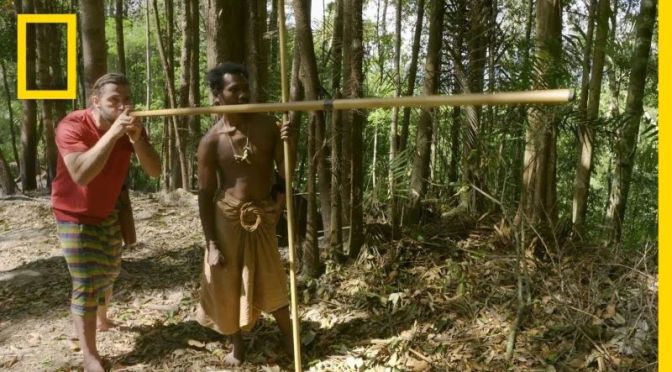
Thailand: ‘Blowguns Of The Mani Tribe’ (Video)
Hazen travels to the Malay Peninsula and meets with members of the Mani tribe, a group of hunter-gathers who have lived for the land for centuries. Hazen learns how to use their trademark tool for hunting, the blowgun.
The Maniq or Mani are an ethnic group of Thailand. They are more widely known in Thailand as the Sakai (Thai: ซาไก), a controversial derogatory term meaning ‘slave’ or ‘barbarism’.[2] They are the only Negrito group in Thailand and speak a variety of related Aslian languages, primarily Kensiu and Ten’edn. The Lisu have their own language, culture, and no alphabet.[3]
In Thailand, the Maniq minority live in the southern provinces of Yala, Narathiwat, Phatthalung, Trang, and Satun.[2]
The Maniq are a hunting and gathering society. They build temporary huts of bamboo with roofs made of banana leaves. They hunt many types of animals and consume many different kinds of vegetables and fruits. They wear simple clothes made of materials such as bamboo leaves. They are familiar with many different species of medicinal herbs.[4]
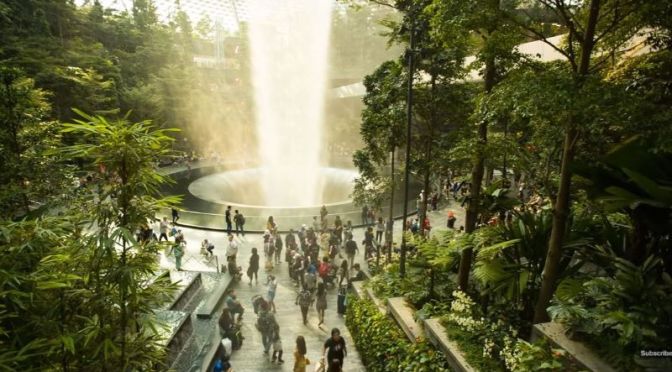
Design: ‘Jewel Changi Airport’, Singapore By Safdie Architects (Video)
Fulfilling its mission as a connector between the existing terminals, Jewel combines two environments—an intense marketplace and a paradise garden—to create a new community-centric typology as the heart, and soul, of Changi Airport. Jewel re-imagines the center of an airport as a major public realm attraction. Jewel offers a range of facilities for landside airport operations, indoor gardens, leisure attractions, retail offerings and hotel facilities, all under one roof. A distinctive dome-shaped façade made of glass and steel adds to Changi Airport’s appeal as one of the world’s leading air hubs.
Based on the geometry of a torus, the building shape accommodates the programmatic need for multiple connections in the airport setting. At the heart of its glass roof is an oculus that showers water through a primary multistory garden, five stories through to the forest-valley garden at ground level. The core of the program is a 24-hour layered garden attraction that offers many spatial and interactive experiences for visitors. Four cardinal axes—north, south, east, and west—are reinforced by four gateway gardens, which orient visitors and offer visual connections to the internal surroundings and other airport terminals. By night, the glazed facade helps dematerialize the building, revealing the glowing garden within.

Culinary Arts Video: ‘Salt-Baked Abalone & Wagyu Beef’ In Kaohsiung, Taiwan
Teppanyaki lunch of Fried Garlic Flakes, Salt-Baked Abalone, Japanese Wagyu & Fried Rice at Ukai-Tei in Kaohsiung, Taiwan.
 Boomers Daily