

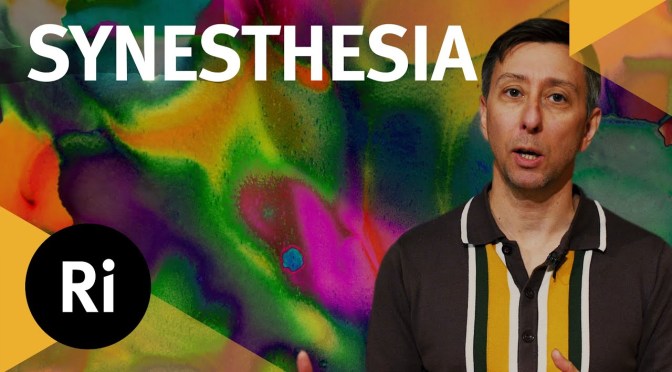
Can you imagine if each word had its own colour, or you could ‘see’ different types of music?
Synesthetes can experience the ordinary world in some pretty extraordinary ways. In this video Jamie Ward explains the variety of different ways in synesthesia can manifest itself, and what is happening in the brains of those who experience it.
Jamie Ward is Professor of Cognitive Neuroscience at the University of Sussex. He has written books a number of books about neuroscience and synesthesia.
Synesthesia is a perceptual phenomenon in which stimulation of one sensory or cognitive pathway leads to involuntary experiences in a second sensory or cognitive pathway. People who report a lifelong history of such experiences are known as synesthetes. Awareness of synesthetic perceptions varies from person to person.[7] In one common form of synesthesia, known as grapheme–color synesthesia or color–graphemic synesthesia, letters or numbers are perceived as inherently colored. In spatial-sequence, or number form synesthesia, numbers, months of the year, or days of the week elicit precise locations in space (for example, 1980 may be “farther away” than 1990), or may appear as a three-dimensional map (clockwise or counterclockwise). Synesthetic associations can occur in any combination and any number of senses or cognitive pathways.
From Wikipedia
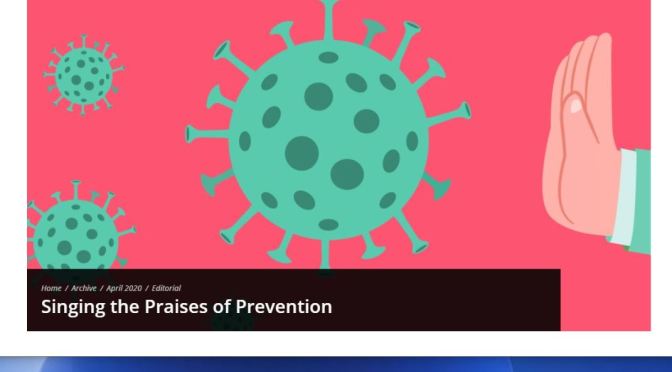
From Bob Grant, The Scientist Magazine (April 1, 2020):
Prevention has been playing a growing role in other diseases, infectious and 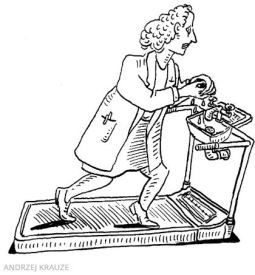 otherwise, long before this latest global pandemic. Cancer, the focus of this issue, is ubiquitous, and one would be hard pressed to find a person anywhere on Earth whose life wasn’t in some way touched by the complex and vexing malady.
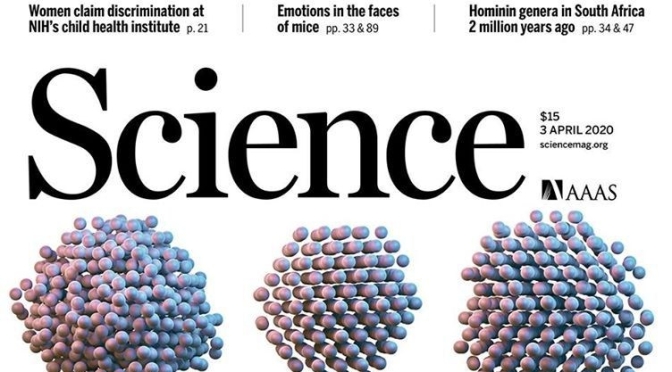
This cancer-focused issue features a cover story in which we explore one facet of cancer prevention: exercise. In this feature story, Danish researcher Bente Klarlund Pedersen explains that studies have shown frequent exercise to be useful in avoiding cancer as well as in helping cancer patients lessen the side effects of their cancers and treatments. Her research and that of others is seeking to enumerate the molecular and cellular mechanisms that underlie the benefits exercise seems to offer cancer patients.
But when one considers the practical ripples that biology sends through societies—issues of public health and the shared goal of minimizing the impact of diseases on a global scale—human behavior and prevention become vitally important.
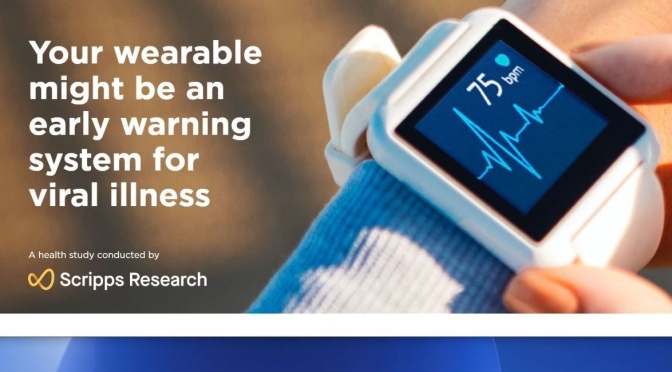
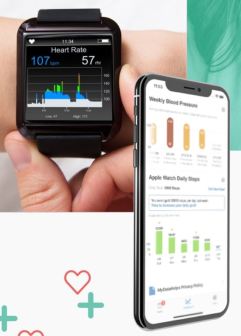 When your heart beats faster than usual, it can mean that you’re coming down with a cold, flu, coronavirus, or other viral infection. That’s the conclusion of recent medical research.
So wearable devices that measure your resting heart rate—made by Apple, Fitbit, Garmin, and others—might help scientists spot viral outbreaks, and also give you more insight into your own health.
Scripps Research designed DETECT (Digital Engagement & Tracking for Early Control & Treatment), a study that will monitor your heart rate and allow you to record symptoms like fever or coughing.
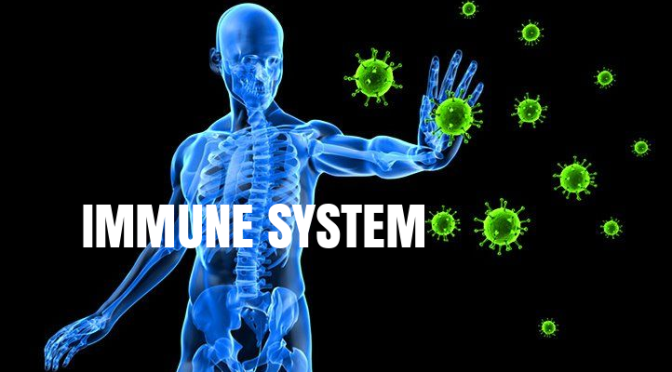
On the Mayo Clinic Q&A podcast, Dr. Jessica Lancaster, a Mayo Clinic immunologist, discusses aging and the immune system. Some people are at higher risk of getting very sick from COVID-19 because of their age or underlying health conditions, according to the Centers for Disease Control and Prevention (CDC).
Adults 60 and older and those with an underlying health condition or a compromised immune system appear to develop serious illness more often than others. This interview was recorded March 19, 2020.
Learn more about immune system research at Mayo Clinic: https://www.mayo.edu/research/centers…


 Boomers Daily