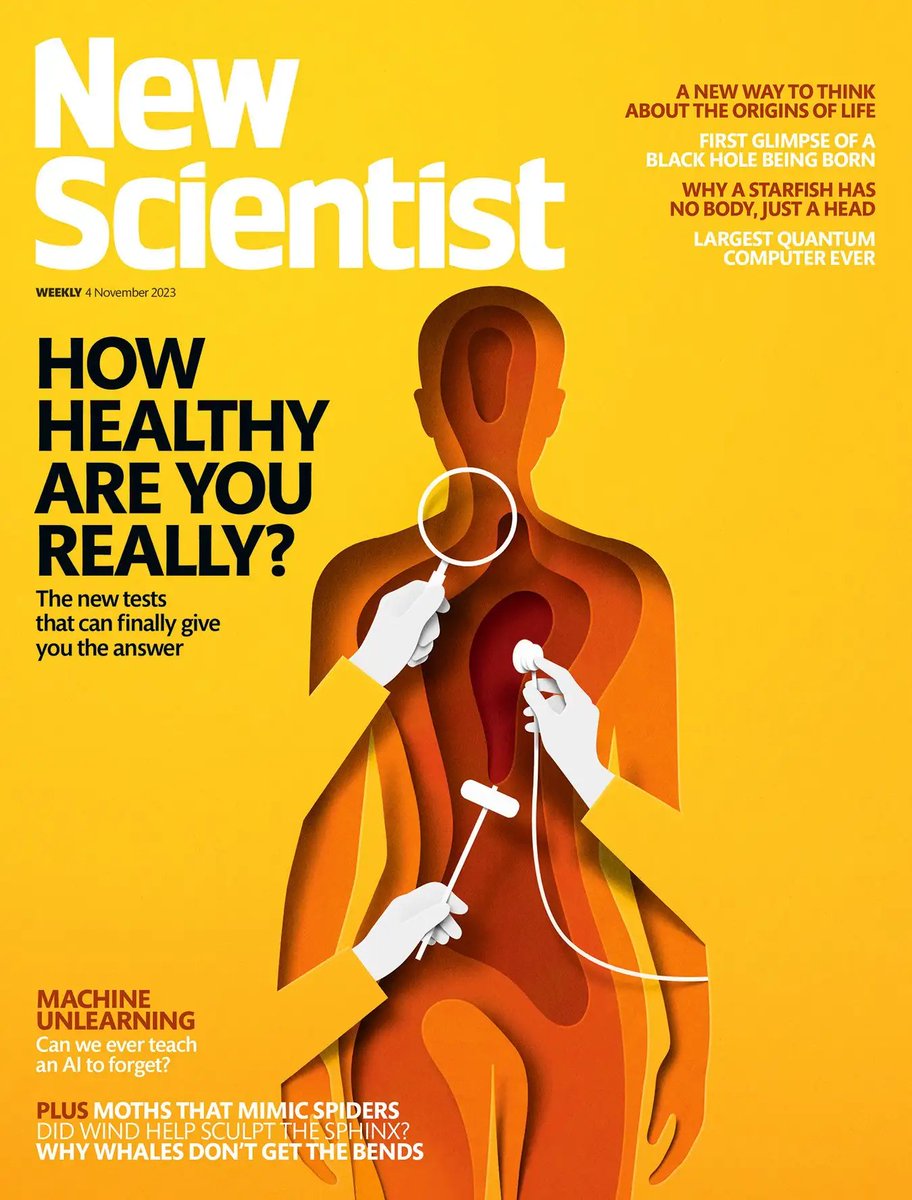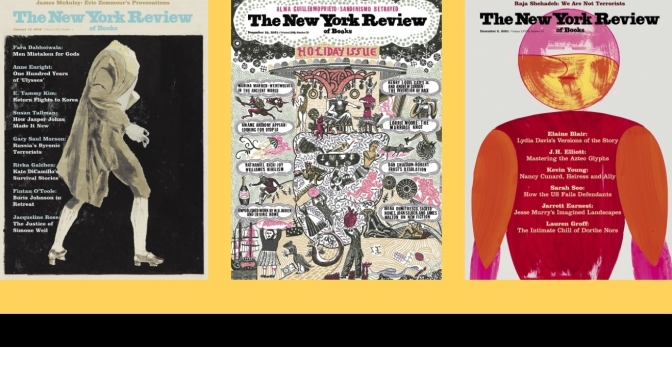


New Scientist Magazine (November 4, 2023): This issue features How healthy are you really? – New tests to give you the answer; The origins of Life; Machine Unlearning – Can we ever teach an AI to forget?; Moths that mimic spiders; Did wind help sculpt the Sphinx; and more…
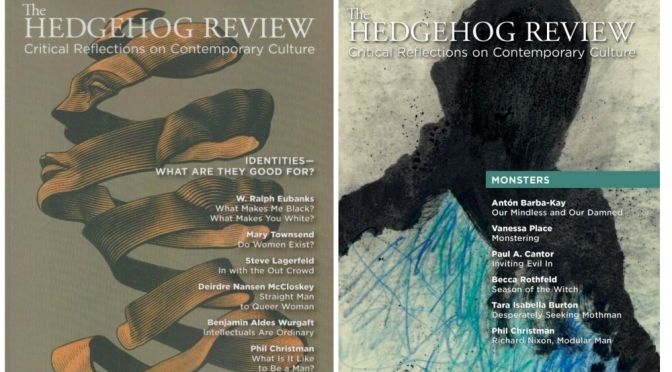
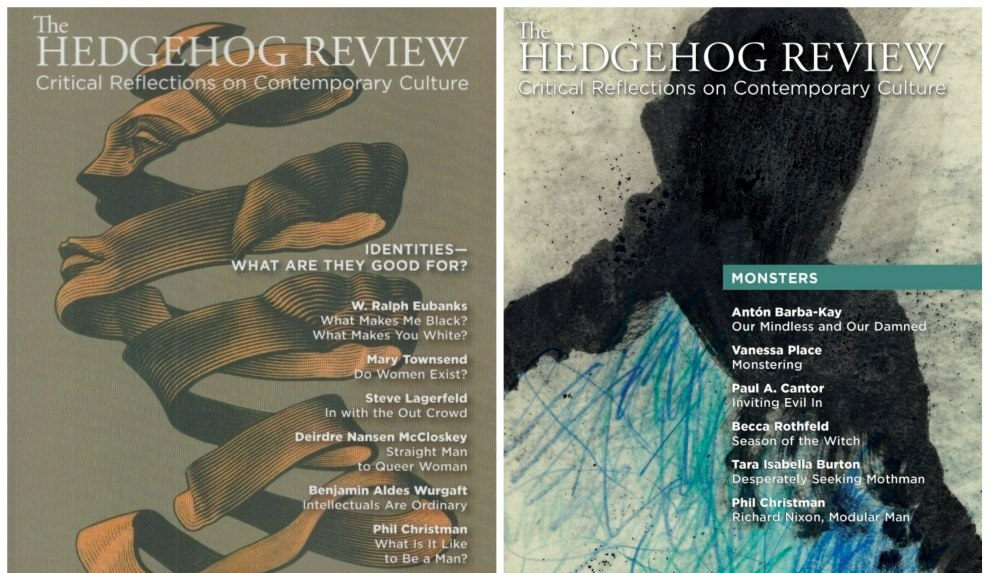
THE HEDGEHOG REVIEW (FALL 2023): MARKETS AND THE GOOD – Thinking beyond the tyranny of economics; The Myth of the Friedman Doctrine; Hamilton’s System; How We Obscure the Common Plight of Workers; Profit, Power, and Purpose and more…
Only three decades ago, amid what was hailed as a new “Springtime of Nations,” post–Cold War exuberance fueled widespread confidence in the triumphant spread of liberal democracy and free-market capitalism to all parts of the globe, including those few remaining redoubts of “truly existing socialism,” with their fusty politburos and dysfunctional command economies. The brutal 1989 Tiananmen Square crackdown notwithstanding, even the People’s Republic of China was thought to be on the road to democracy thanks to its earlier adoption of a hybrid form of capitalism with “Chinese characteristics.” Though not alone in predicting that the opening up of China’s economy would lead to the liberalization of its politics and society, the editorial pages of the Wall Street Journal were among the louder cheerleaders for that optimistic line of economic determinism.
By Kyle Edward Williams, senior editor of The Hedgehog Review and the author of a forthcoming book on the history of American business, Taming the Octopus: The Long Battle for the Soul of the Corporation.
Americans were once deeply worried about the danger posed by powerful corporations. They may be useful, wrote James Madison to a friend in 1827, “but they are at best a necessary evil only.”1 This was an old republican intuition: Concentrated power in whatever form threatened the body politic. In recent years, however, business leaders have come to believe that what Madison considered a “necessary evil” is actually the last great institution capable of making the world a better place. For Silicon Valley entrepreneurs no less than Fortune 500 CEOs, the bottom line is out, and amelioration is in. Call it conscious capitalism. Or corporate social responsibility or environmental, social, and corporate governance (ESG) investing. Many consumers, regulators, and activists expect big-business executives to act like responsible citizens and steer their firms accordingly—maybe more now than ever before. Even 92 percent of executives in a 2022 survey agreed that corporate leaders should take a stand on social issues.2
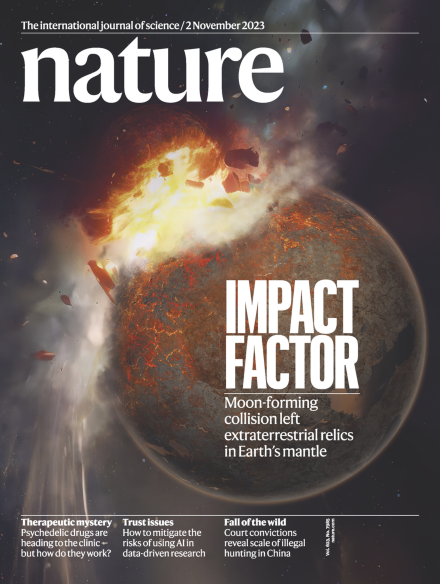
nature Magazine – November 2, 2023: The latest issue cover features an artist’s impression of the collision between the protoplanet Theia and proto-Earth about 4.5 billion years ago. It has been suggested that it was this ‘Giant Impact’ that formed the Moon, but direct evidence for the existence of Theia remains elusive.
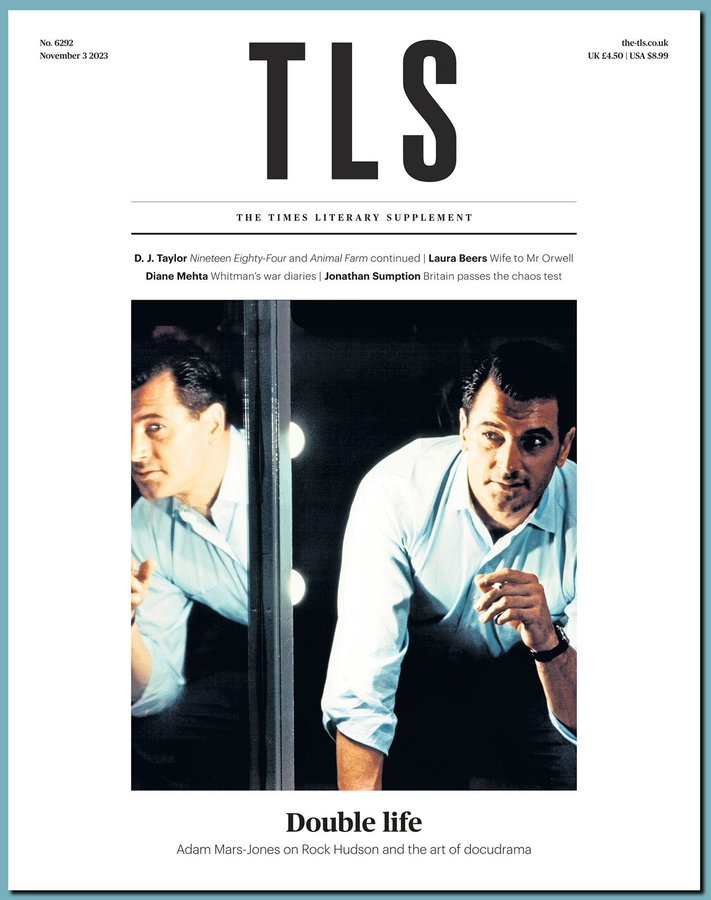
Times Literary Supplement (November 3, 2023): The new issue features Rock Hudson and the art of docudrama; Nineteen Eighty-Four and Animal Farm continued; Wife to Mr. Orwell; Whitman’s war diaries; Britain passes the chaos test and more…
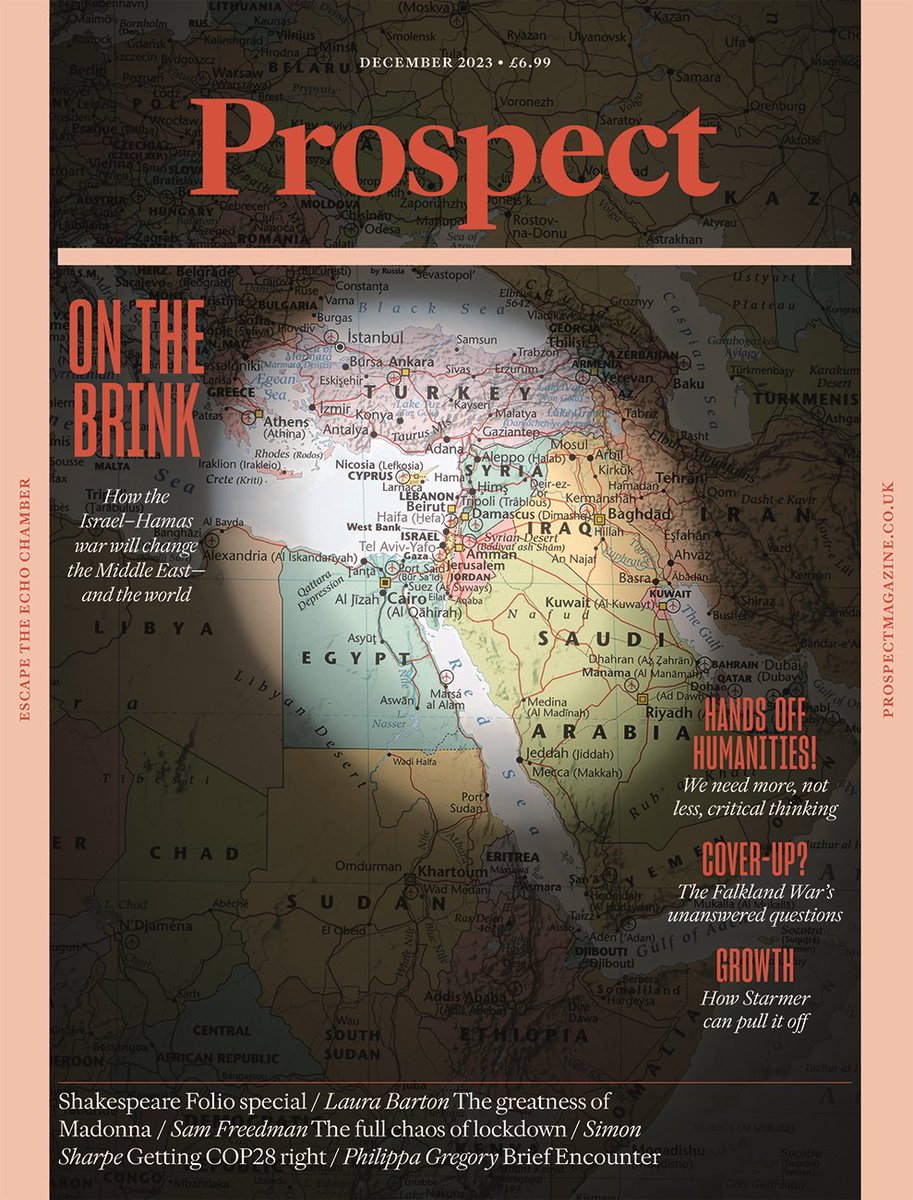
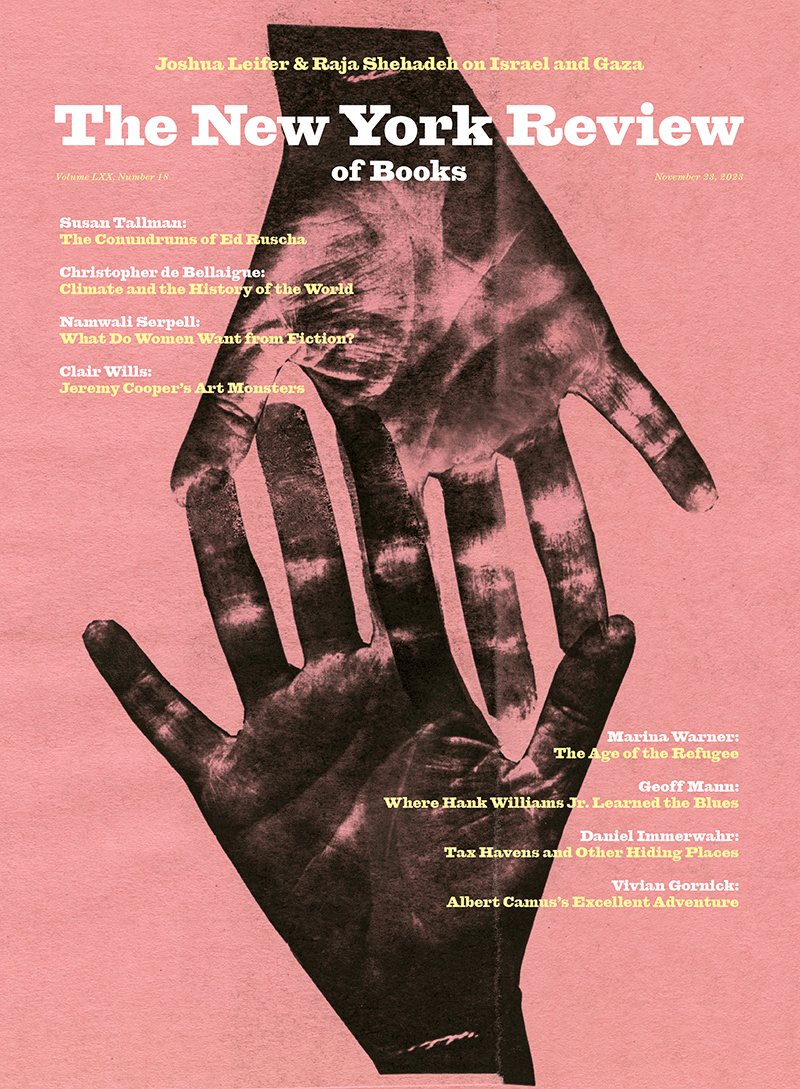
Prospect Magazine (December 2023)– The latest issue features Oh, the humanities! – History, literature, film studies; I still dream of peace – How Israel might emerge from the Gaza horror, and more…
The following words were written amid the storm of battle. Planes constantly circling in the sky, the bedroom turned into a shelter, the radio telling of new atrocities, the heart torn with fear as to the fate of missing persons. The days are now devoted to funerals and condolences, and the evenings to guarding our small community. I have participated in many demonstrations against the terrible folly of Benjamin Netanyahu, which found its outcome in the revenge and rage in Gaza on 7th October. Today, I try to be available for acts of support and solidarity with the victims on all sides. This beautiful land between the Jordan River and the Mediterranean Sea weeps bitterly, its two communities refusing to be comforted.
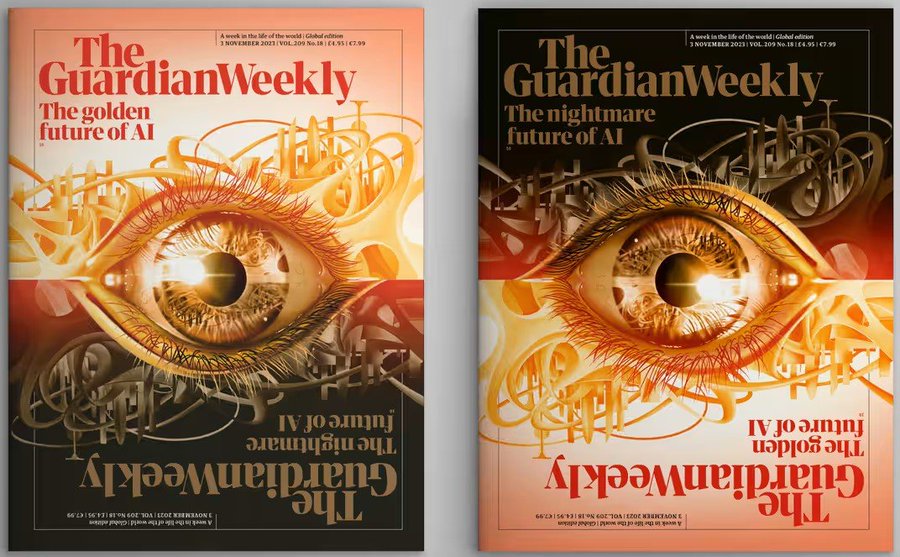
The Guardian Weekly (November 3, 2023) – The new issue features Bletchley Park, the main center of allied second world war codebreakers,and it’s no coincidence that the English country house was chosen as the venue for this week’s landmark summit on safety in artificial intelligence. The age of AI brings opportunities but also significant risks, as a number of experts in the field outlined in an open letter last week.
Global technology editor Dan Milmo discusses the pros and cons with one of the technology’s leading thinkers, Demis Hassabis, the CEO of Google DeepMind, who says the rise of AI must be thought of as seriously as the climate crisis. Then, Observer columnist Sonia Sodha argues that calling for AI to be reined in is not simply a sign of luddism.
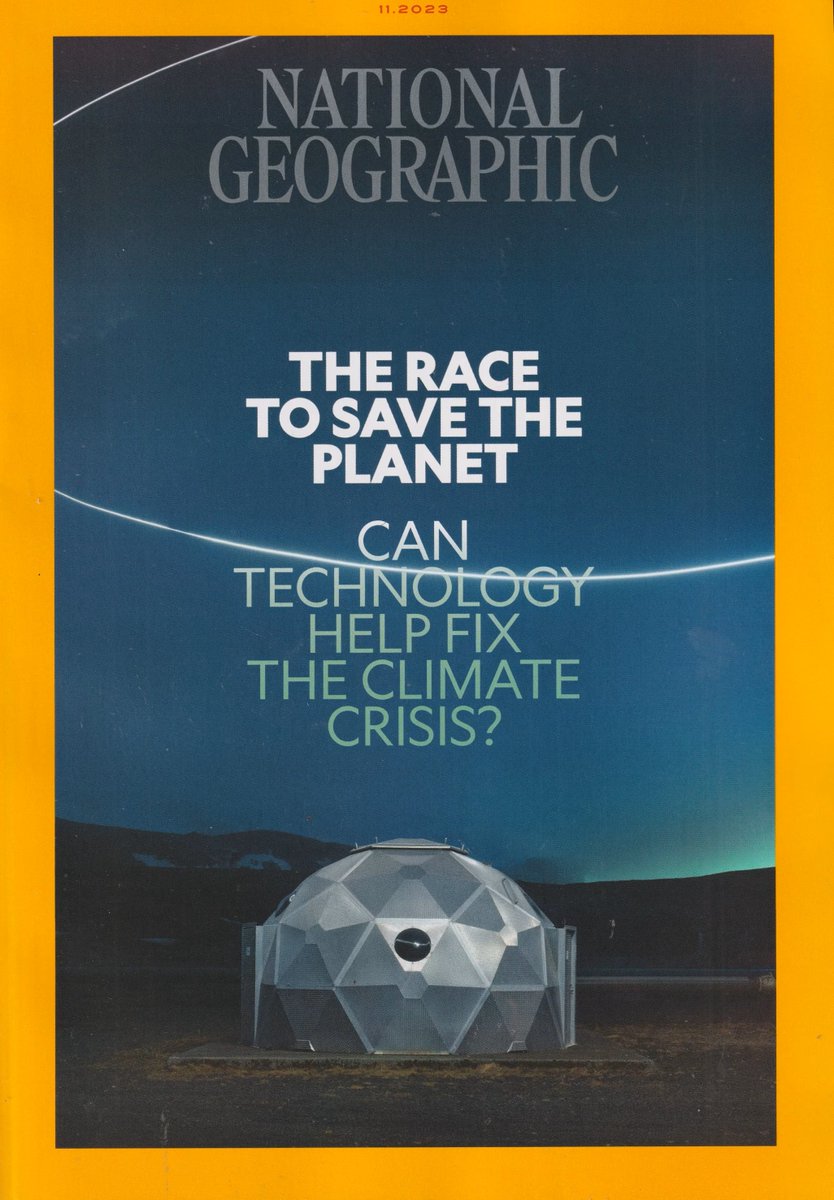
National Geographic (NOVEMBER 2023) – The latest issue features The race to capture carbon – Any climate solutions strategy requires the removal of carbon from the atmosphere. Here are 12 of the most promising strategies; What flashy feathers reveal about the secret lives of birds, and more…
Getting to zero carbon emissions won’t save the world. We’ll have to also remove carbon from the air—a massive undertaking unlike anything we’ve ever done.
BY SAM HOWE VERHOVEK
Over the past few centuries, we have dug, chopped, burned, drilled, pumped, stripped, forged, flared, lit, launched, driven, and flown our way to adding 2.4 trillion metric tons of carbon dioxide to Earth’s atmosphere.
That’s as much CO2 as would be emitted annually by 522 billion cars, or 65 cars per person living today.
On a lonely, lunar-like valley 20 miles outside of Reykjavík, Iceland, Edda Aradóttir is on a mission to put it back where it came from.
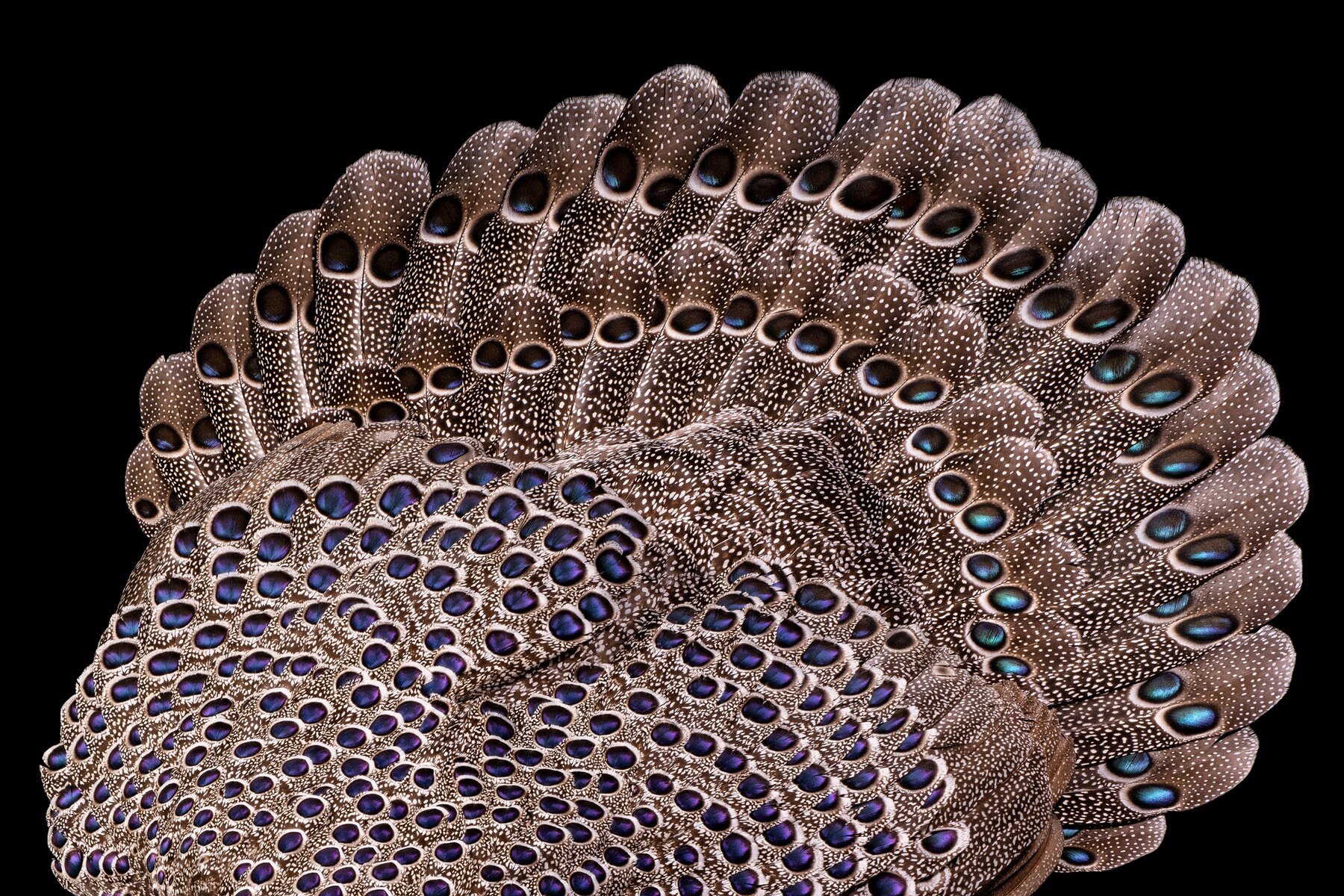
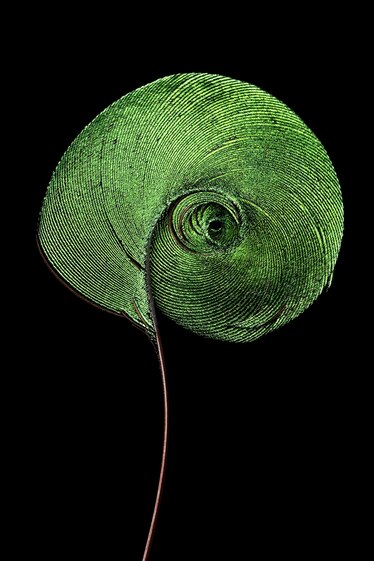
Shimmery. Spiky. Shaggy. Soft. Feathers are what make birds so alluring—but these photographs remind us that they also tell a story about the science of evolution.
BY ANNIE ROTH
PHOTOGRAPHS BY HEIDI AND HANS-JÜRGEN KOCH
In 1860 Charles Darwin wrote, “The sight of a feather in a peacock’s tail, whenever I gaze at it, makes me sick!” The plumes were so extravagant, he surmised, they could be a hindrance to survival. Darwin’s frustration with their seemingly inexplicable elegance eventually led him to the idea of sexual selection. Although this form of natural selection—driven by the preference of one sex for certain characteristics in individuals of the other sex—is well understood today, a peacock’s feather can still hold mystery for its viewers, says Heidi Koch. She and her husband, Hans-Jürgen, have spent the past few years photographing feathers in all their glorious detail.
Although both sexes of the gray peacock pheasant have back and tail feathers adorned with brilliant eyespots, the males make the best use of them. During elaborate wooing rituals, they raise and fluff up their feathers—which can reach nearly 16 inches in length—putting..
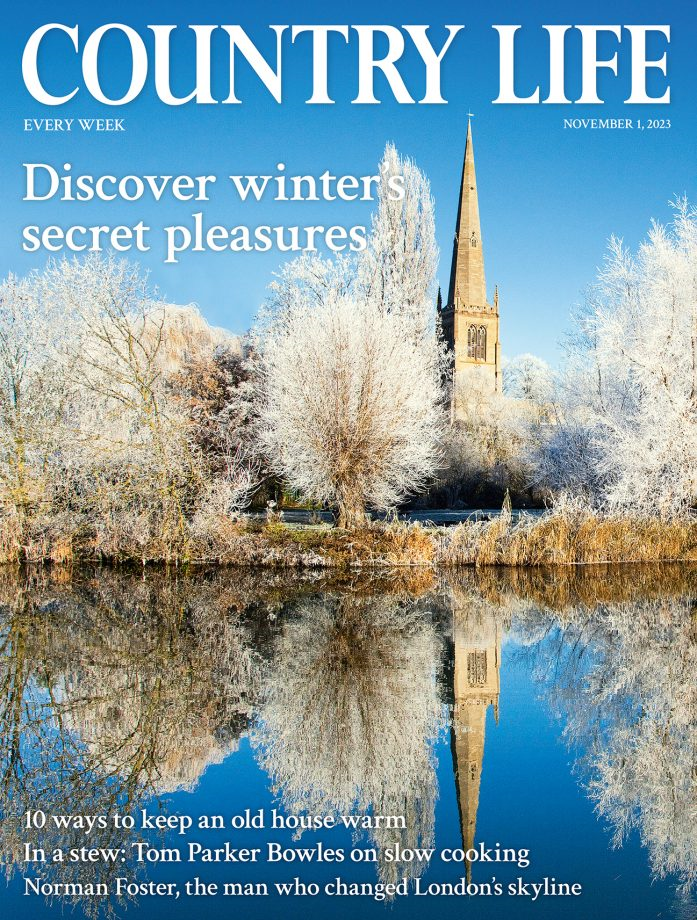
Country Life Magazine – November 1, 2023: The new issue features the rural delights of Durslade Farm to the heart of Mayfair; The secret garden in Regent’s Park in London; Norman Foster, the architect who helped shape the capital; the historic American bars that offer a taste of the US on this side of the pond, and more…
London Life
Emma Love welcomes the rural delights of Durslade Farm to the heart of Mayfair
The secret garden in Regent’s Park, seasonal suggestions and Matthew Williamson’s London
Carla Passino meets Norman Foster, the architect who helped shape the capital
Robert Crossan visits the historic American bars that offer a taste of the US on this side of the pond
Nick Trend’s favourite painting
The art historian picks a steely-eyed painting that signalled the invention of the self-portrait
At Canaan’s Edge
Carla Carlisle ponders the story of the Promised Land and hopes that common sense prevails
A local revival
The future is bright for Lytham Hall after locals stepped in to save the house at the heart of the Lancashire estate, as John Martin Robinson discovers
A nightingale sang…
Tiffany Daneff visits a garden in Kent planted for wildlife and surrounded by new woodland
Native breeds
Kate Green admires the hardy Lincoln Red, a low-input rare breed that produces quality beef
Stranger things
From horn dancing to burning barrels and cheese rolling, Harry Pearson delves into weird and wonderful British folk festivals
You’re a dark horse
The black horse is a symbol of strength and courage. Celia Brayfield gallops through the history of the fabled steed
Kitchen garden cook
Melanie Johnson savours the turnip’s sweet and nutty flavour, perfect with scallops
Travel
Jo Rodgers follows in the foot-steps of the Durrells in Corfu
Welcoming, home-from-home villas
Pamela Goodman pedals off the beaten cycle path
Speak like a Georgian
Know your ‘fubbs’ from your ‘fizzle’ — Matthew Dennison investigates 18th-century slang
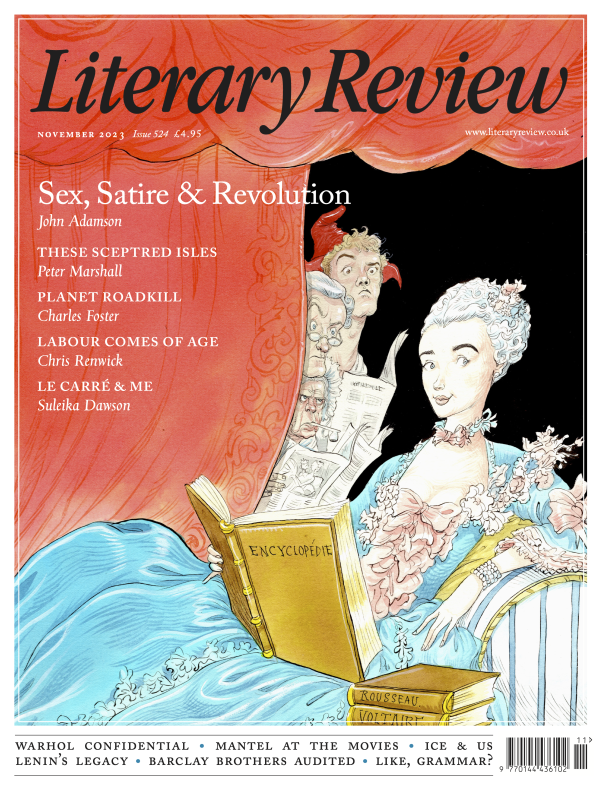
Literary Review – November 2023: The new issue features Sex, Satire & Revolution; The Race to the Future: The Adventure that Accelerated the Twentieth Century; Notes from the Atlantic Archipelago – The Britannias: An Island Quest; and more…
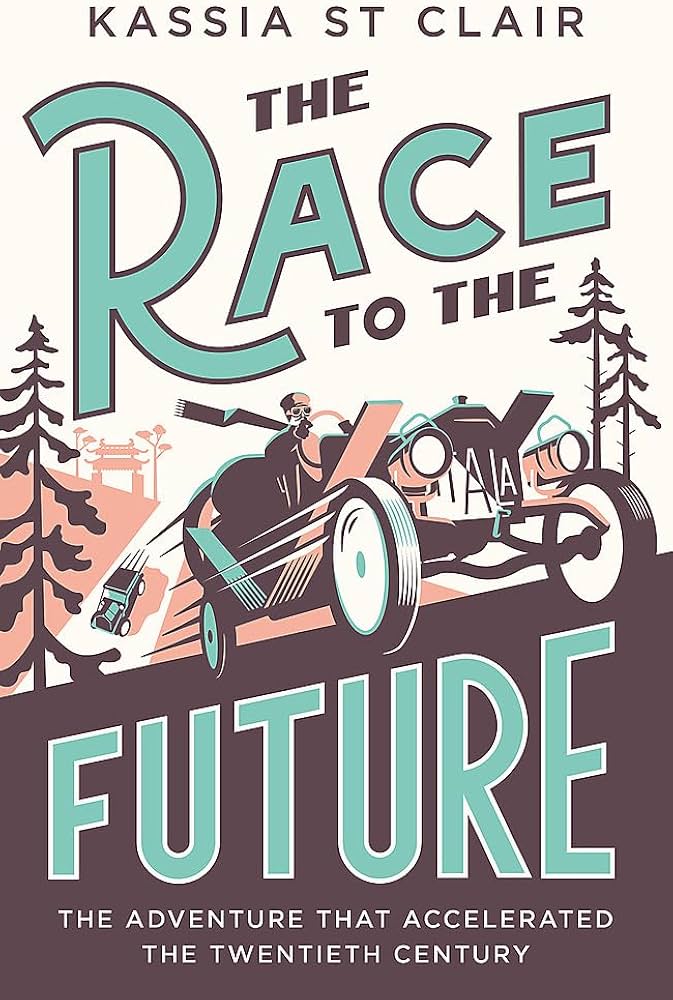
The Race to the Future: The Adventure that Accelerated the Twentieth Century
By Kassia St Clair
Cost, not a lack of courage, ensured that the entry field for the 1907 Peking to Paris car race was small. A massive two-thousand-franc deposit (equivalent to a professor’s annual salary) kept all but five of the aspiring contestants out of the race. That exclusion, as Kassia St Clair demonstrates in her captivating history of one of the most challenging endurance trials in the history of motoring, was precisely what the organisers intended.
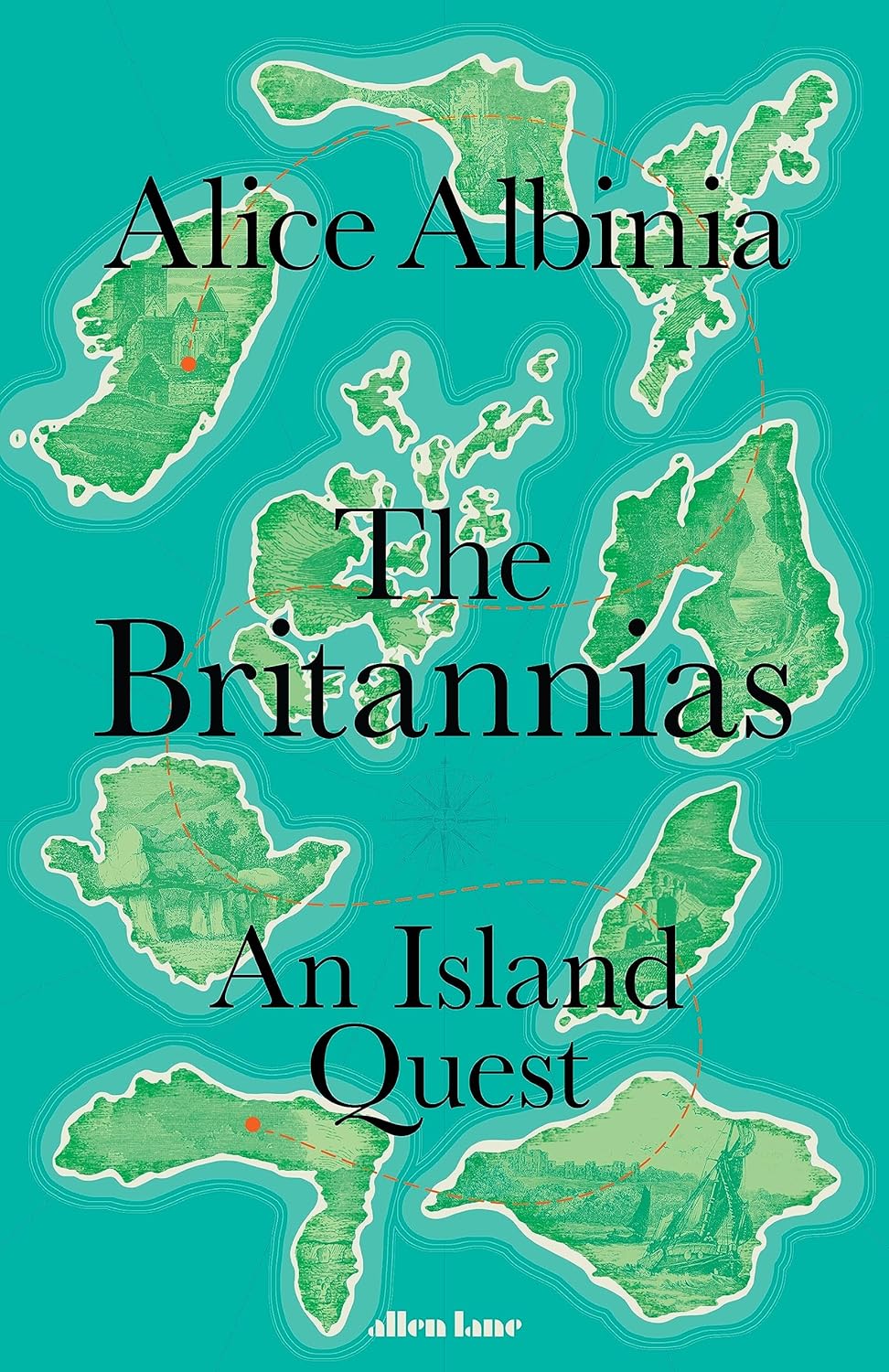
In July 2023 Orkney Islands Council voted to explore alternative governmental arrangements for the archipelago. One option proposed by the council leader was for it to become a self-governing territory of Norway, the kingdom which lost control of Orkney to Scotland in 1468. The episode – in reality, a smart political stunt in a row over the Scottish government’s transport policy – attracted extraordinary international attention. In the UK press, it was treated with an uneven mixture of constitutional soul-searching and patronising amusement at the Passport to Pimlico-styleantics of the Orcadians.
The Architectural Review (November 2023) – The November issue of The Architectural Review showcases the shortlisted architects of the 2023 AR Emerging awards, who are leading the way in careful adaptive reuse and ecological ways of building around the world. But emerging into an industry that is overly reliant on unpaid labour and race-to-the-bottom fee structures has always been difficult.
Since these conditions are rarely discussed, this issue is also dedicated to ‘beginnings’ and their paradoxes: ‘you are supposed to begin knowing something but also doing something completely new,’ writes Renee Gladman in the Keynote. Taking in napkin sketches, competitions, references and photographs, AR November 2023 serves a useful reminder that others came before, and that the beginning is behind us.
News, Views and Reviews For The Intellectually Curious