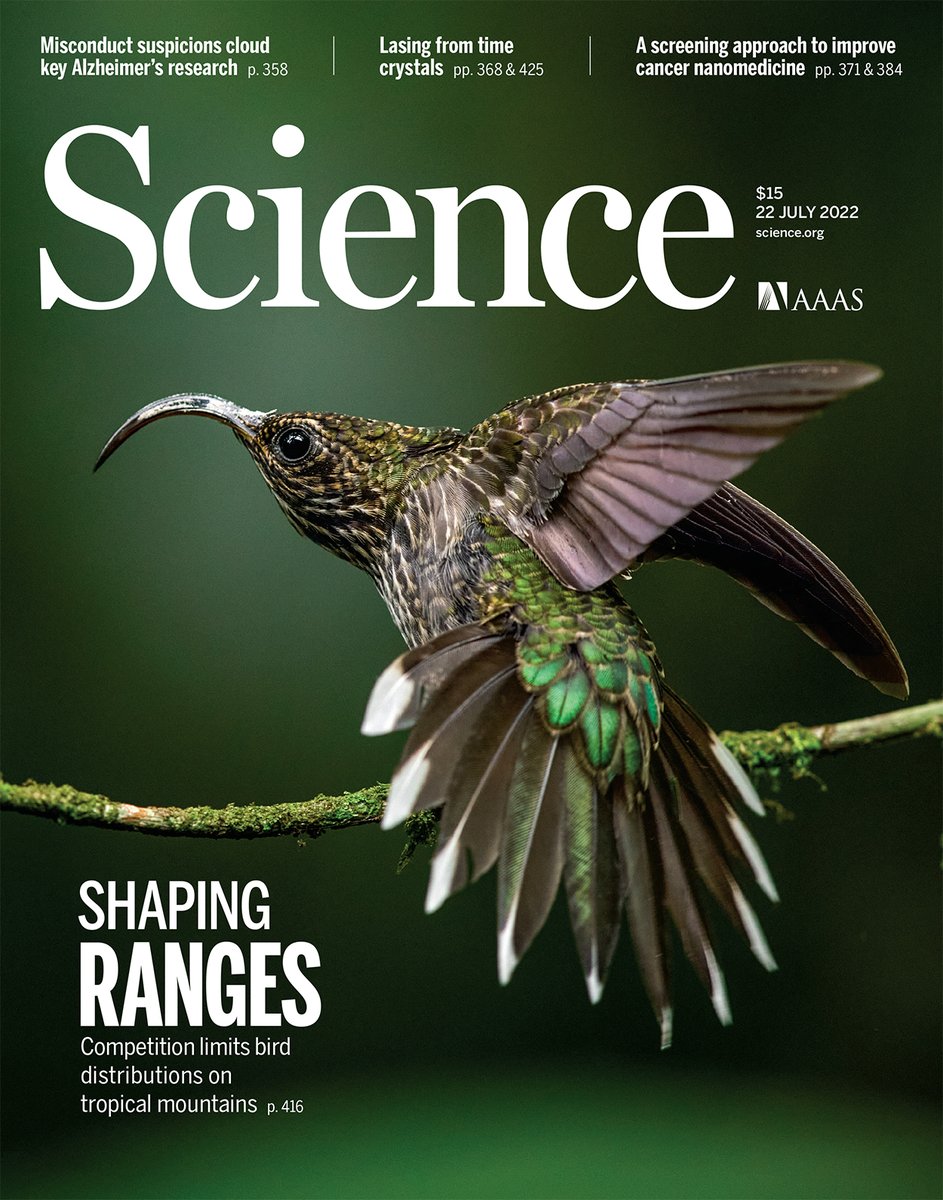

Species tend to live in narrower slices of mountainside on tropical versus temperate mountains. Stronger competition in the tropics explains this pattern for birds. For example, the habitable range of this white-tipped sicklebill (Eutoxeres aquila) is limited as a result of competition with its close relative, the buff-tailed sicklebill (Eutoxeres condamini). See page 416.
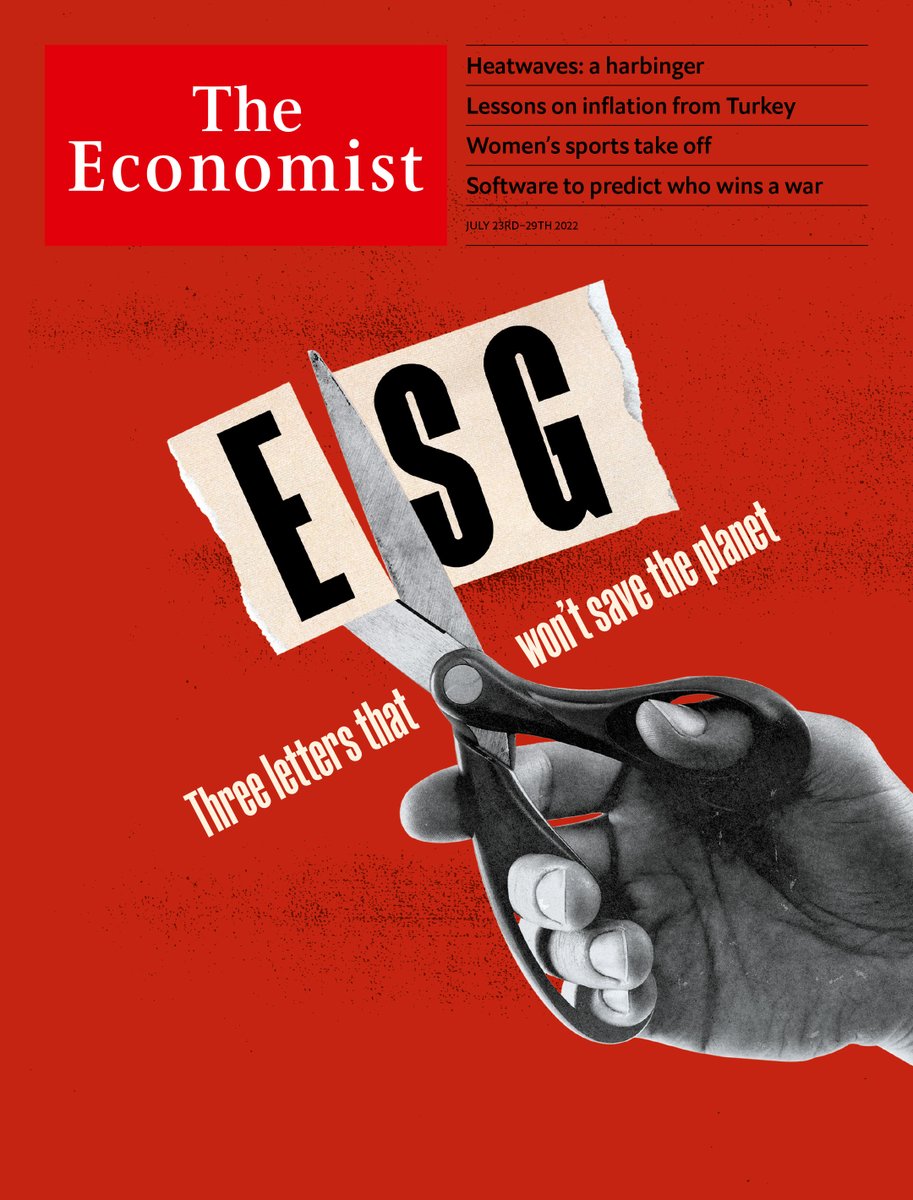
If you are the type of person who is loth to invest in firms that pollute the planet, mistreat workers and stuff their boards with cronies, you will no doubt be aware of one of the hottest trends in finance: environmental, social and governance (esg) investing. It is an attempt to make capitalism work better and deal with the grave threat posed by climate change. It has ballooned in recent years; the titans of investment management claim that more than a third of their assets, or $35trn in total, are monitored through one esg lens or another. It is on the lips of bosses and officials everywhere.
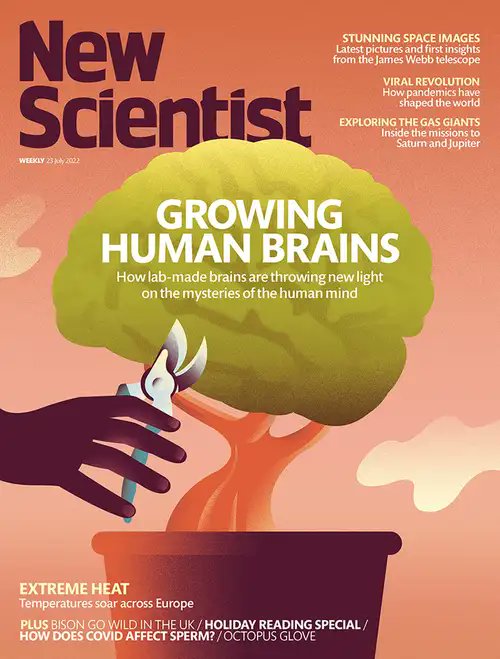
What lab-grown ‘mini-brains’ are revealing about this mysterious organ
Blobs of human brain cells cultivated in the lab, known as brain organoids or “mini-brains”, are transforming our understanding of neural development and disease. Now, researchers are working to make them more like the real thing
FEATURES – Historical plagues led to revolutions – could coronavirus do the same?
FEATURES – Scott Bolton on his missions to the gas giants of the solar system
FEATURES – What lab-grown ‘mini-brains’ are revealing about this mysterious organ
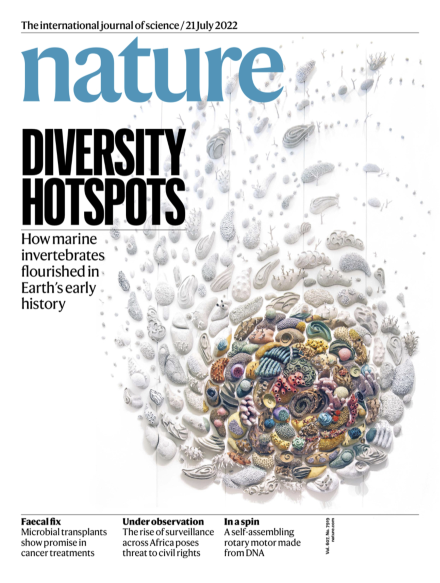
The cover shows an artistic impression of marine life in Indonesia’s coral reefs. The question of whether there are limits to biodiversity in the seas is typically addressed by examining the fossil record. In this week’s issue, Pedro Cermeño and his colleagues present a model that combines the fossil record with plate tectonics and Earth’s environmental conditions to offer insight into regional diversification of marine invertebrates. The researchers used the model to examine how biodiversity recovered after mass extinctions during the Phanerozoic eon, covering
some 500 million years of Earth’s history. They found that throughout the Phanerozoic, less than 2% of area of the globe covered by water showed signs of diversity levels reaching saturation. The team also note that as Pangaea broke up into continents, the stability of Earth’s environmental conditions allowed the development of diversity hotspots that helped to drive an increase in biodiversity in the late Mesozoic and Cenozoic eras.
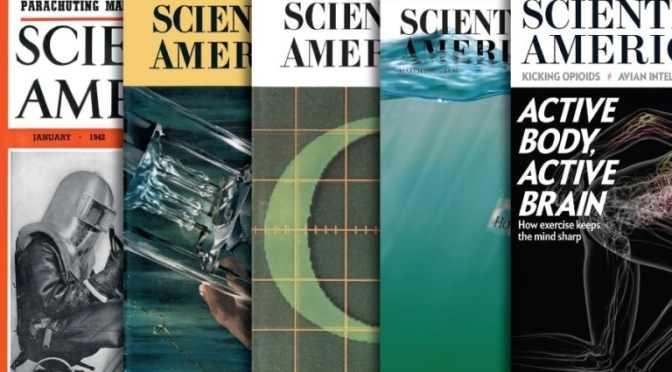
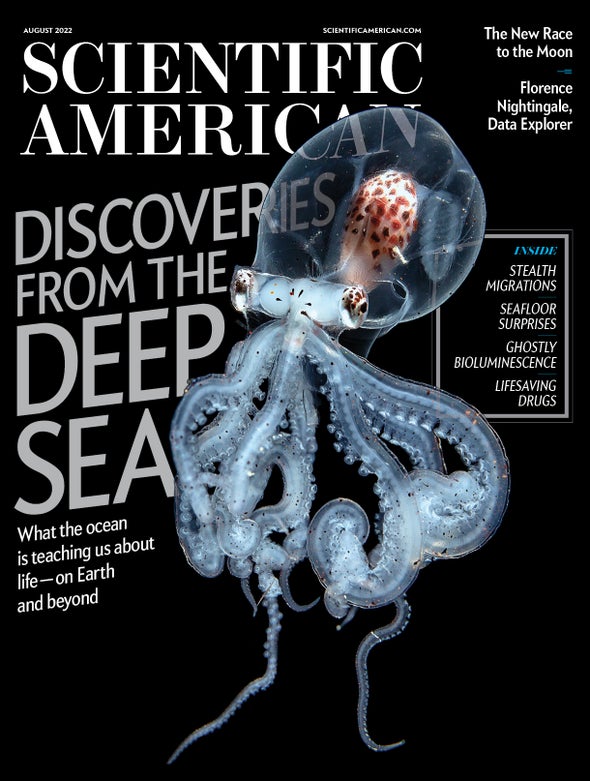
We humans may think of ourselves, or possibly beetles, as typical Earthlings, but to a first approximation, life on Earth exists in the sea. And what spectacular life! Our special package on the oceans is teeming with images of eerie, delicate, elaborate, glowing and occasionally kind of frightening creatures that have rarely been seen by terrestrial species. The in-depth report was guided by sustainability senior editor Mark Fischetti along three main themes: mystery, discovery and surprise.
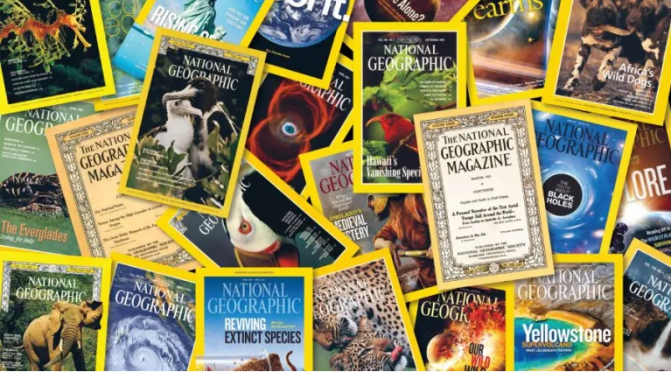
Stonehenge was a triumph—but it wasn’t the only one. In the August issue of our magazine, new discoveries reveal an era when awe-inspiring monuments were all the rage https://t.co/W80L69QobMpic.twitter.com/m2yyL9CONK
How the spirit of ancient Stonehenge was captured with a 21st-century drone
Photographer Reuben Wu took innovative risks to show one of the world’s most-photographed sites in a new light.
Reuben Wu, a British photographer and visual artist based in Chicago, was first introduced to National Geographic as most people are: When he was a child, he enjoyed looking at the magazines his father subscribed to for decades.
He dreamed of seeing his photographs in the same magazine—and even on the cover. So when National Geographic asked him to photograph an iconic monument he knows well, he was ready to work.
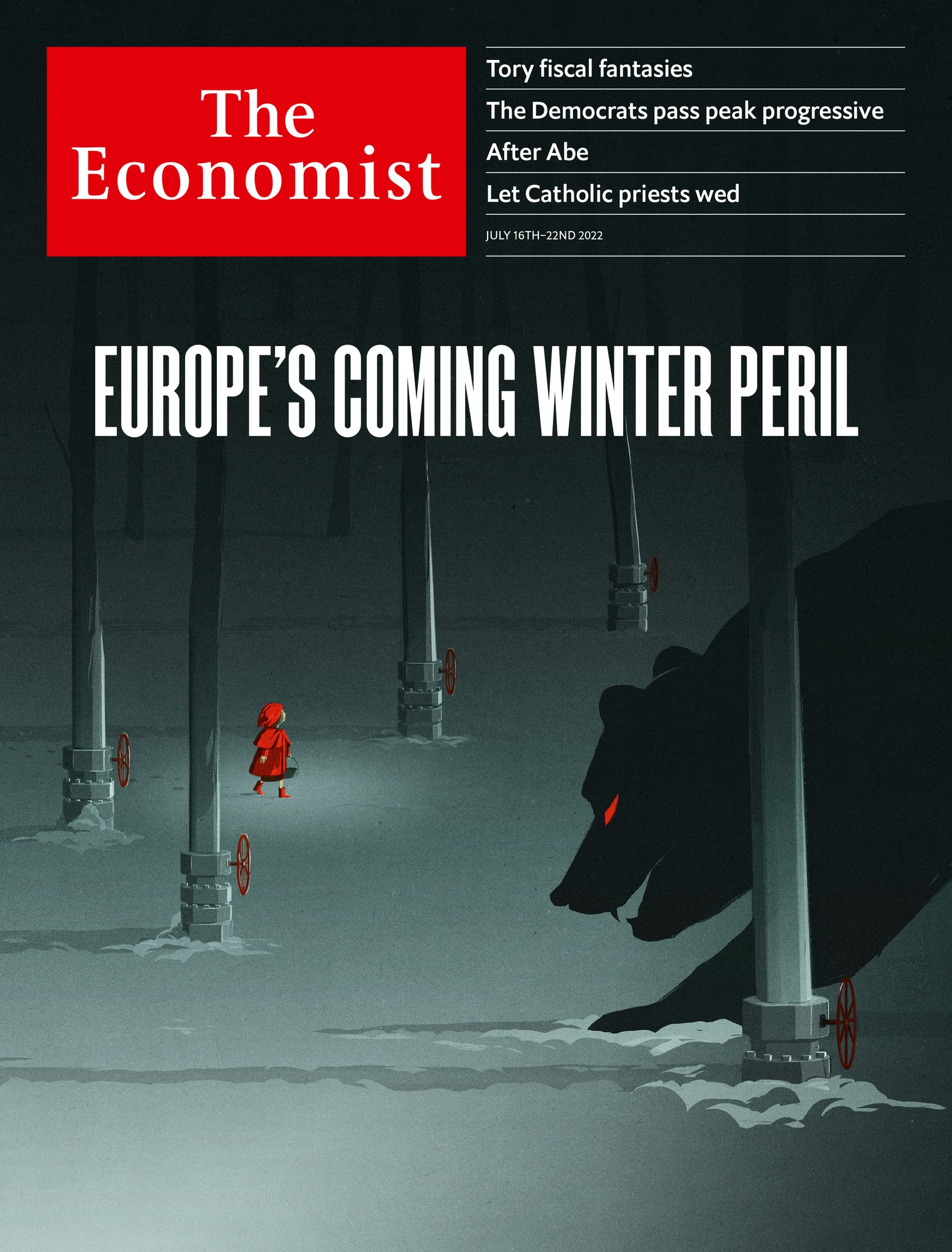
Even as temperatures soar Europe faces a bitter energy crisis later this year
There may be a heatwave in Europe, but winter is coming. It promises to be brutal and divisive: the energy crisis is rapidly worsening as Vladimir Putin strangles gas supplies https://econ.st/3aJz3ir
With their dazzling colors, glittering iridescent feathers, fantastic adornments, astonishing powers of flight, and many other unique characteristics, hummingbirds are among the world’s most extraordinary birds – true jewels of nature. This beautifully designed book offers a celebration of all aspects of hummingbirds and their world, presenting the latest scientific information in an accessible style and featuring hundreds of the most spectacular photographs of hummingbirds ever taken, all enhanced by wonderful artwork.
A familiar sight across much of the Americas, hummingbirds have long captured the imagination and played an important part in myths, legends, and other aspects of human culture. Today, hummingbirds are some of the most popular of all birds, sought after by serious and casual birders alike. They are birds that inspire questions in anyone lucky enough to see them. How can they fly like that? Why are they so colorful? How many are there? And where and how do they live? This book answers these and many other questions, offering an enlightening and enjoyable guide to hummingbirds that only deepens their wonder.
A definitive yet accessible account of all aspects of hummingbird life; More than 500 spectacular color photographs; Specially commissioned illustrations; Facts and figures on status, population, distribution, and conservation designations of all the world’s hummingbirds.