
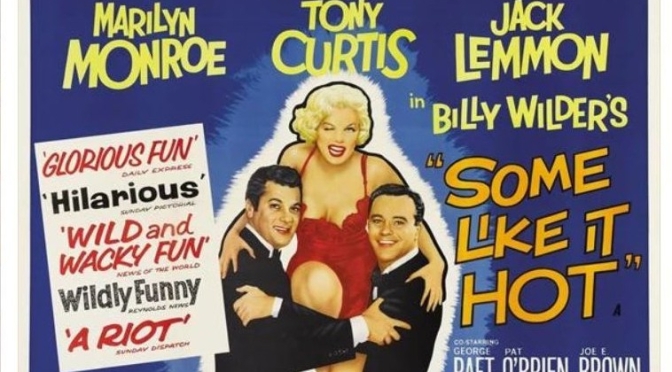
From a BBC.com cuture article:
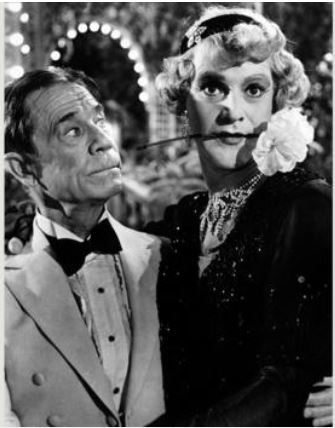 Faced with the question of why Some Like It Hot has topped BBC Culture’s poll of the best ever big-screen comedies, it’s tempting to say something similar. Wilder’s glittering masterpiece doesn’t just use the handsomest kid in town (and a terrific actor, to boot), but its most radiant sex symbol, Marilyn Monroe, and one of its most dexterous comedians, Jack Lemmon. It also has a bevy of bathing beauties, a crowd of sinister mafiosi, a glamorous seaside setting in the roaring ‘20s, and a sizzling selection of songs.
It is structured so meticulously that it glides from moment to moment with the elegance of an Olympic figure skater, and the consummate screwball dialogue, by Wilder and IAL Diamond, is so polished that every line includes either a joke, a double meaning, or an allusion to a line elsewhere in the film. To quote one character, it’s a riot of “spills, thrills, laughs and games”. To quote another, it deserves to be “the biggest thing since the Graf Zeppelin”. So why was it chosen as the best comedy ever made? Simple. What else were we going to choose?
To read more click on the following link: http://www.bbc.com/culture/story/20170817-why-some-like-it-hot-is-the-greatest-comedy-ever-made
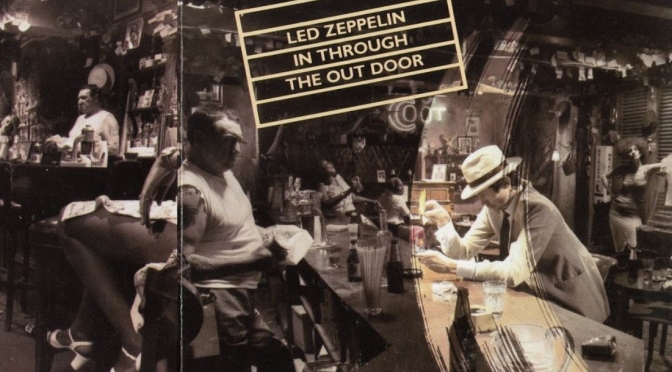
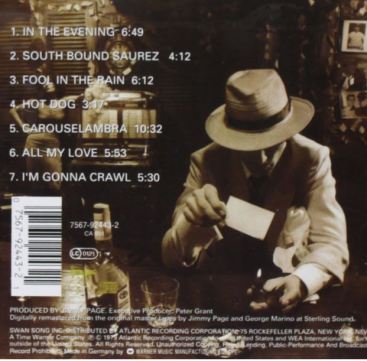 The album was rumored to be originally titled Look, but the title was changed to In Through the Out Door as a nod to the band overcoming their struggles. (“That’s the hardest way to get back in,” Page said).
 Enthusiasts and spectators will soon be out showing off their rides for the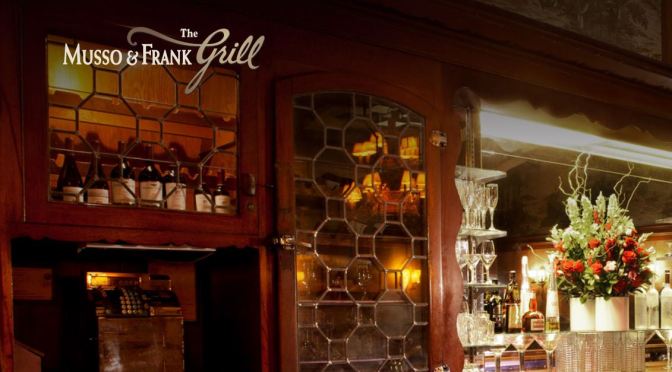
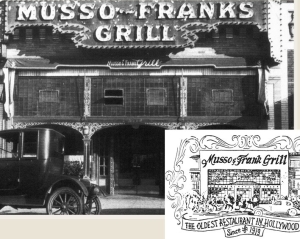 If you are among the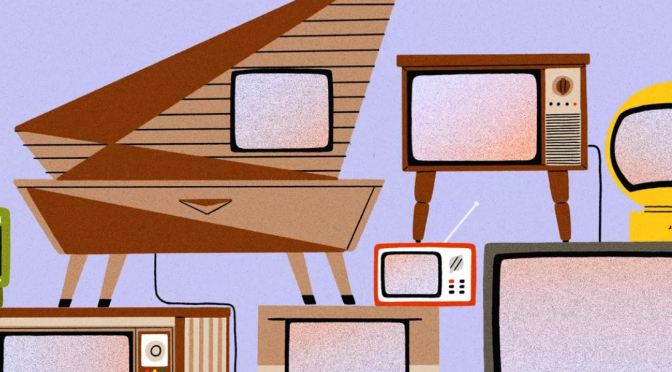
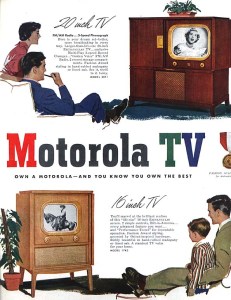 The postwar boom made TV ubiquitous: In 1950, 3,880,000 households in America had a TV—about 9 percent of the total population. By 1960, 90 percent of all households had at least one. This was the golden age of appliance marketing for all kinds of durable goods, from cars to dishwashers, and television marketers initially took a curious tack with their wares. While the auto industry and manufacturers of coffee makers and cooktops positioned their products as accessible components of a high-tech future, the makers of television sets often sold their devices as elegant pieces of contemporary or even classic furniture.
 JAY MYSELF documents the monumental move of renowned photographer and artist, Jay Maisel, who, in February 2015 after forty-eight years, begrudgingly sold his home—the 36,000 square-foot, 100-year-old landmark building in Manhattan known simply as “The Bank.” Through the intimate lens of filmmaker and Jay’s protégé, noted artist and photographer Stephen Wilkes, the viewer is taken on a remarkable journey through Jay’s life as an artist, mentor, and man; a man grappling with time, life, change, and the end of an era in New York City.
 Pencils are discarded, as lighters and umbrellas are, because at some crucial moment they fail in their purpose. They refuse to ignite, quail before a shower, or simply snap. But pencils have merely suspended their usefulness. Their potential still lies within them. They can go on setting down by the thousand the words by which the world works.



 Boomers Daily