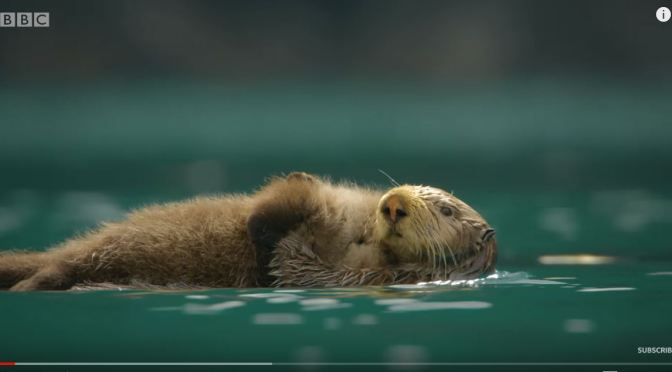
Otters band together to survive collapsing glacier ice | Spy In The Wild – BBC
Narrated by David Tennant.

Narrated by David Tennant.
 Hear the latest science news, brought to you by Nick Howe and Benjamin Thompson. This week, why stress makes mice turn grey, and how to think about climate change.
In this episode:
Anecdotal evidence has long suggested stress as a cause of grey hair. Now, a team of researchers have showed experimental evidence to suggest this is the case. Research Article: Zhang et al.; News & Views: How the stress of fight or flight turns hair white
Ancient bones suggest that giant ground sloths moved in herds, plus an atomic way to check for whiskey fakes. Research Highlight: A bone bed reveals mass death of herd of giant ground sloths; Research Highlight: Nuclear-bomb carbon unmasks fraudulent luxury whisky
To tackle climate change, the former UN secretary for climate change argues that the biggest change needs to be mindset. Comment: Paris taught me how to do what is necessary to combat climate change
The latest on a new virus from Wuhan in China, and insights from ancient African genomes. News: China virus latest: first US case confirmed; Research Article: Lipson et al.
A rising world population means we’ll need more food in the coming years. But much of our food relies on insect pollination, and insects are in decline around the world. Can we make flowers better at being pollinated, to help solve this problem?
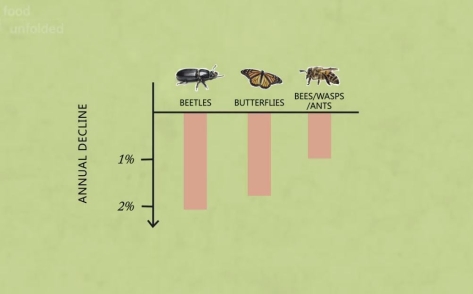
Research from the Glover Lab (https://twitter.com/Beverley_CUBG) in the Department of Plant Sciences (https://twitter.com/PlantSci)
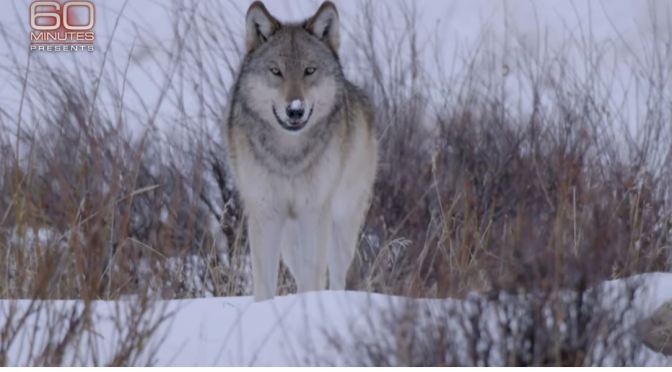
In the dead of winter, 60 Minutes went looking for wolves in Yellowstone National Park, and we weren’t alone. These fierce and feral animals are the darlings of tourists willing to endure frigid temperatures to catch a glimpse of a distant pack crossing a snow-covered ridge.
 Listen to the latest from the world of science, brought to you by Benjamin Thompson and Nick Howe. This week, observations of objects orbiting a black hole, and rethinking how we measure screen-time.
In this episode:
Researchers have uncovered a population of dust-enshrouded objects orbiting the supermassive black hole at the centre of the galaxy. Research Article: Ciurlo et al.
A London landmark’s height lends itself to a physics experiment, and generous behaviour in parrots. Research Highlight: An iconic structure in London moonlights as a scientific tool; Research Highlight: Parrots give each other gifts without promise of reward
To understand the effects of online media consumption, researchers argue that the way it’s measured needs to change. Comment: Time for the Human Screenome Project
A decline in human body temperature, and a new report on research culture. News: Not so hot: US data suggests human bodies are cooling down; News: Stressful, aggressive, damaging: huge survey reveals pressures of scientists’ working lives
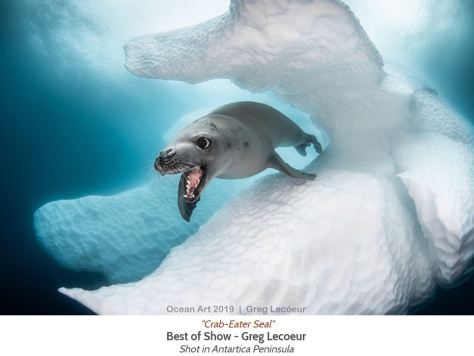
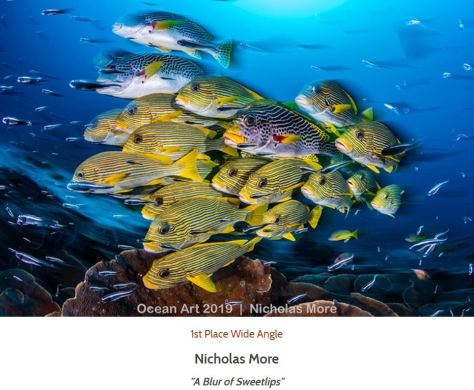
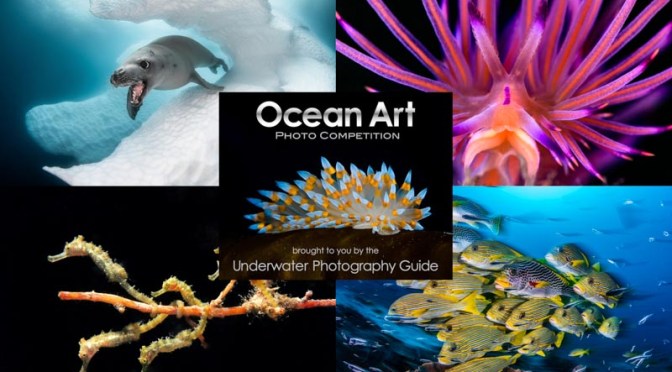
 January 13, 2020 – The prestigious Ocean Art Underwater Photo Competition, organized by the Underwater Photography Guide, has announced its 2019 winners. The 8th annual competition attracted an extremely high caliber of photos from oceans around the world. These photos showcase the best underwater photographs of the year. 2019 was one of the most competitive years to date. Our two new categories, conservation and blackwater diving, had an overwhelming response of incredible photos and were two of the highlights of the competition.
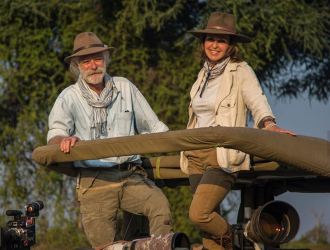
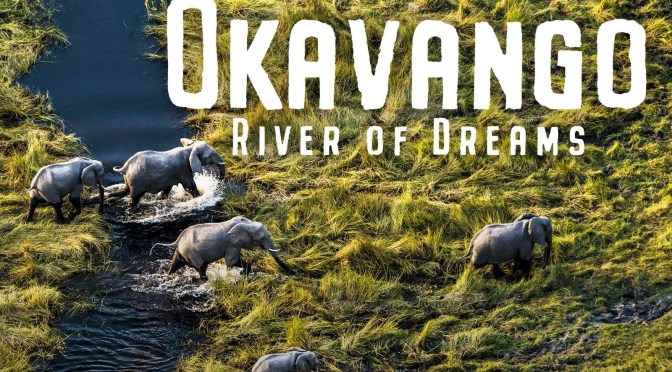
Beverly Joubert and Dereck Joubert on OKAVANGO: RIVER OF DREAMS (DIRECTOR’S CUT), a documentary premiering at the 2020 Sundance Film Festival.
Okavango: River of Dreams, follows a cast of wildlife whose destiny is forever linked to this unique desert oasis and its extraordinary journey as it winds its way to the Kalahari Desert, the only river in the world to disappear inland.
Presented by Dropbox.
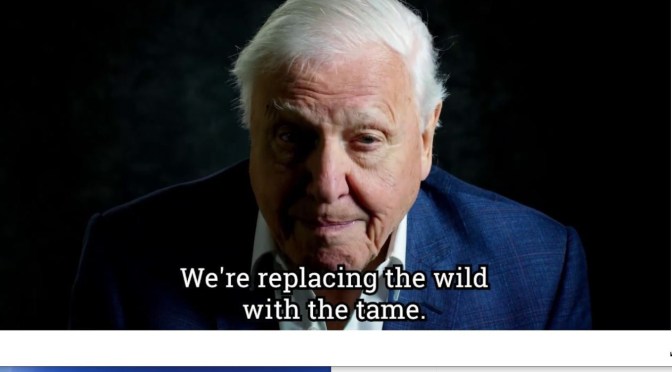
Sir David Attenborough has warned that “human beings have overrun the world” in a trailer for his new film.
The feature-length documentary, titled David Attenborough: A Life On Our Planet, looks back on the defining moments of his life and the environmental devastation that has taken place during that time. As well as highlighting some of the issues that climate change poses, he also explores some of the potential solutions.
In the trailer, the veteran broadcaster, 93, said: “I’ve had the most extraordinary life. It is only now that I appreciate how extraordinary.”
For the full story click here: https://www.telegraph.co.uk/news/2020…
This winter, NASA is sending a team of scientists, a host of ground instruments, and two research aircraft to study the inner workings of snow storms. The Investigation of Microphysics Precipitation for Atlantic Coast-Threatening Snowstorms, or IMPACTS, field campaign will be the first comprehensive study of East Coast snowstorms in 30 years.
Music credit: “Snowfall” by Andy Blythe [PRS], Marten Joustra [PRS], “Snow Blanket” by Benjamin James Parsons [PRS] from Universal Production Music
Credit: NASA’s Goddard Space Flight Center/Scientific Visualization Studio
Katie Jepson (USRA): Lead Producer, Narrator
Ellen T. Gray (ADNET): Lead Writer
Jacquelyn DeMink (USRA): Lead Animator
Kathryn Mersmann (USRA): Project Support
LK Ward (USRA):Project Support
Aaron E. Lepsch (ADNET): Technical Support
This video is public domain and along with other supporting visualizations can be downloaded from NASA Goddard’s Scientific Visualization Studio at: https://svs.gsfc.nasa.gov/13519
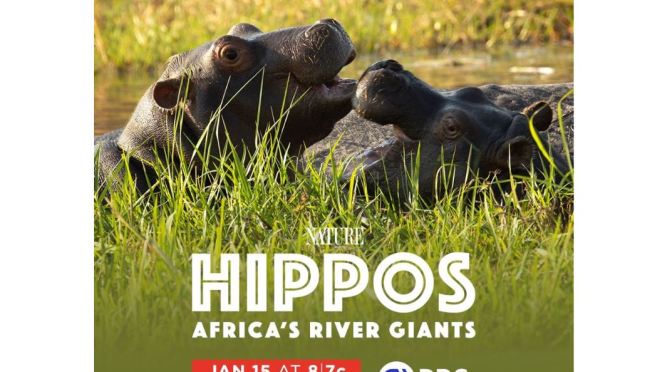
Follow director Brad Bestelink as he captures the lives of hippos, a task that few filmmakers have attempted before.


 Boomers Daily