

From a Classic Driver online listing:

Offered as an affordable, six-cylinder sports car, the first Triumph TR6 rolled off the production line in 1968 as a 1969 model. It’s intended target was to rival similar sports cars at the time, and although most were designed with sleek, curved lines, the TR6 was squared off at both ends, making it stand out from it’s competitors. With just a seven year production span, the TR6 grew to become a true British classic.
The Triumph TR6 was offered as a convertible only, with a factory steel hard top available optionally.
Triumph produced a range of TR models, from the TR1 right up to a limited run of the TR8, but it was the sixth car in the range that really stood out from a sales point of view. The TR5 enjoyed a very brief thirteen-month period of manufacture between 1967 and 1968. Less than 3,000 units were produced before the TR6 came in to improve on many of the specifications. Unlike its predecessors, the Triumph TR6 was more reliable mechanically, which means that there are many original models still on our roads.
Website: https://www.classicdriver.com/en/car/triumph/tr6/1968/723270
 Ever since
 Fifty-five years after co-founding the rock band The Who, Pete Townshend is still at it. The lead lyricist and guitarist says he actually doesn’t enjoy performing but views it as an “easy” job necessary to finance his lifestyle and support his family and staff. Economics correspondent Paul Solman sits down with Townshend to discuss aging, surviving child abuse and art’s ability to inspire hope.
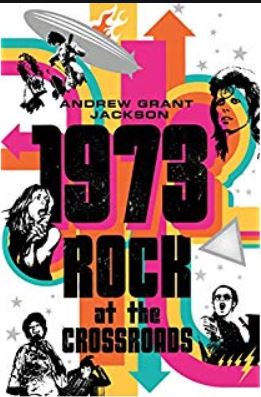 Led Zep’s Houses of the Holy reflected the rise of funk and reggae. The singer songwriter movement led by Bob Dylan, Neil Young, and Joni Mitchell flourished at the Troubadour and Max’s Kansas City, where Bruce Springsteen and Bob Marley shared bill. Elvis Presley’s Aloha from Hawaii via Satellite was NBC’s top-rated special of the year, while Elton John’s albums dominated the number one spot for two and a half months.
 You may have seen the aftermath of a landslide, driving along a twisty mountain road—a scattering of rocks and scree impinging on the pavement. And up until now, that’s pretty much how scientists have tracked landslides—roadside observations and spotty satellite images. Now, researchers are hoping to track landslides systematically by instrumenting an entire








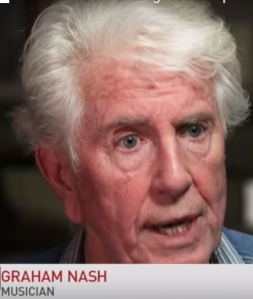 Two-time Rock and Roll Hall of Fame inductee Graham Nash has hits aplenty spanning his nearly six-decade career. But the 77-year-old singer-songwriter recently chose to perform a special run of shows featuring his lesser-known first two solo albums in their entirety, which together describe a crucial chapter in his personal and artistic life. Tom Casciato recently spoke to Nash to learn more.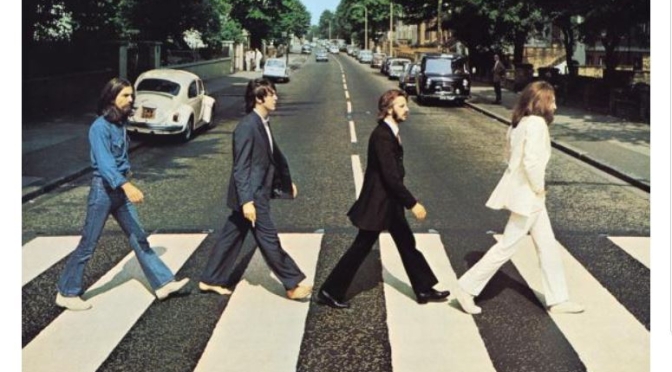
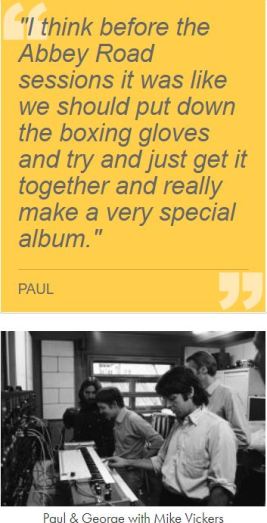 “Abbey Road” was the Beatles’ last word—the final recordings by the most popular and influential artists of the nineteen-sixties. Now, on the occasion of its fiftieth anniversary, “Abbey Road” has been expertly remixed by Giles Martin, George Martin’s son and protégé, and reissued in a super-deluxe edition that comes with an archive of studio outtakes and a hundred-page book of essays and liner notes that chronicle how the recordings were made. “The Beatles are good even though everybody already knows that they’re good,” the classical composer Ned Rorem observed in 1968, alluding to how the band’s immense popularity confounded the usual notions of discriminating taste. If anyone needs to be reminded of this, this new edition of “Abbey Road” should do the trick.
 Boomers Daily