

New Health Infographics: “What Are Synbiotics?”


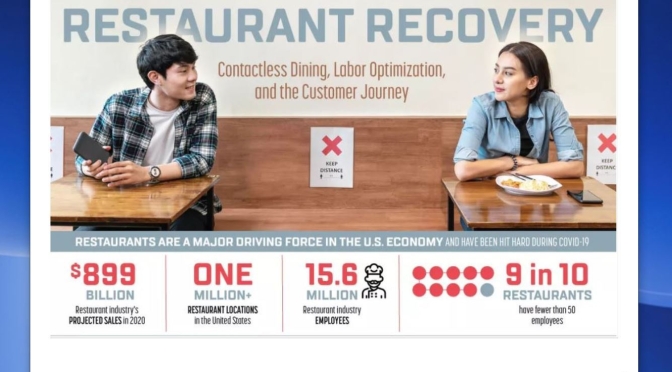
Restaurants must function at 75% capacity in order to achieve profitability. With many restaurants operating at 50% capacity or less, how do they make up the remaining 25%? The three main contributing factors are contactless dining, labor optimization and changing the customer journey. Learn more about how restaurants are recovering during the COVID-19 pandemic in this infographic by OneDine.



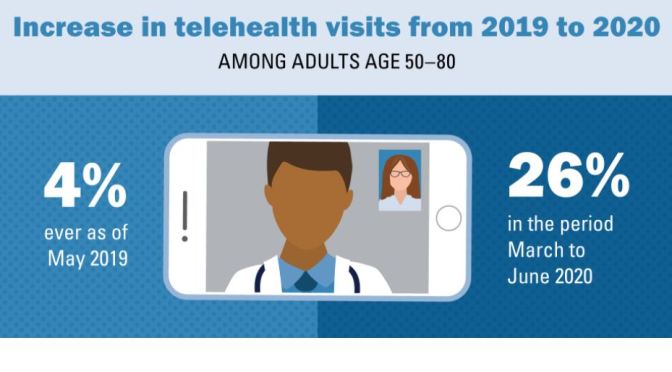
From 2019 to 2020, there was a substantial increase in the proportion of older adults who reported that their health care providers offered telehealth visits. In May 2019, 14% of older adults said that their health care providers offered telehealth visits, compared to 62% in June 2020.
Similarly, the percentage of older adults who had ever participated in a telehealth visit rose sharply from 4% in May 2019 to 30% in June 2020. Of those surveyed in 2020, 6% reported having a telehealth visit prior to March 2020, while 26% reported having a telehealth visit in the period from March to June 2020.

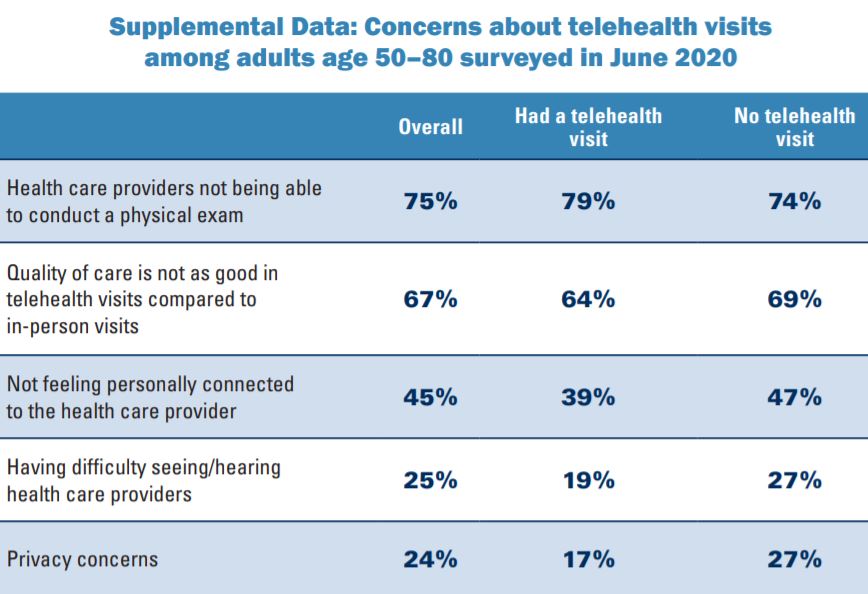
Over the past year, some concerns about telehealth visits decreased among adults age 50–80 whether or not they had a telehealth visit. Older adults’ concerns about privacy in telehealth visits decreased from 49% in May 2019 to 24% in June 2020, and concerns about having difficulty seeing or hearing health care providers in telehealth visits decreased from 39% in May 2019 to 25% in June 2020. Concerns about not feeling personally connected to the health care provider decreased slightly (49% to 45%).
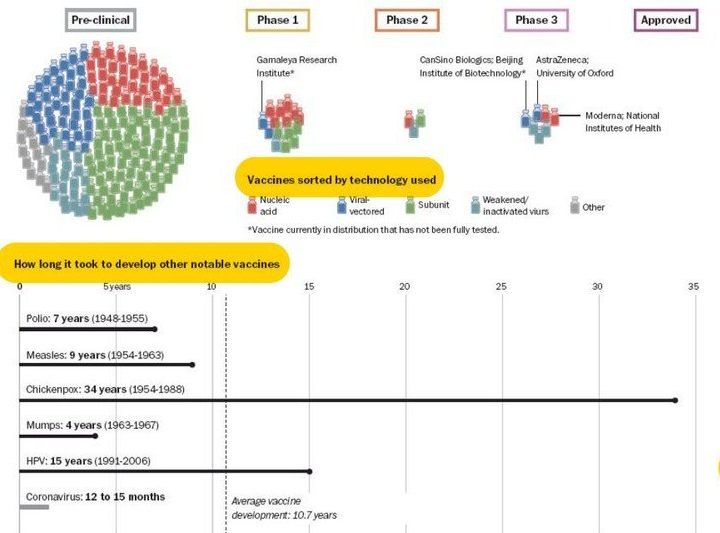
WASHINGTON POST (AUG 16, 2020): Researchers in the United States set an audacious goal in January to develop a coronavirus vaccine within 12 to 18 months. This would be a world record. The mumps vaccine is considered to be the fastest to move, in four years, from scientific concept to approval in 1967. The quest for an HIV vaccine continues, 36 years and counting.


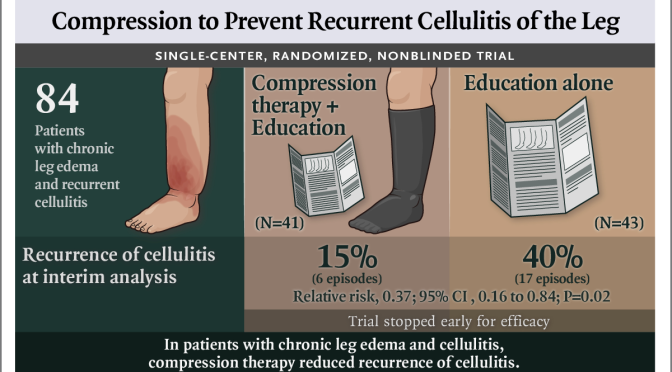
New England Journal of Medicine (Aug 13, 2020) – In this small, single-center, nonblinded trial involving patients with chronic edema of the leg and cellulitis, compression therapy resulted in a lower incidence of recurrence of cellulitis than conservative treatment.
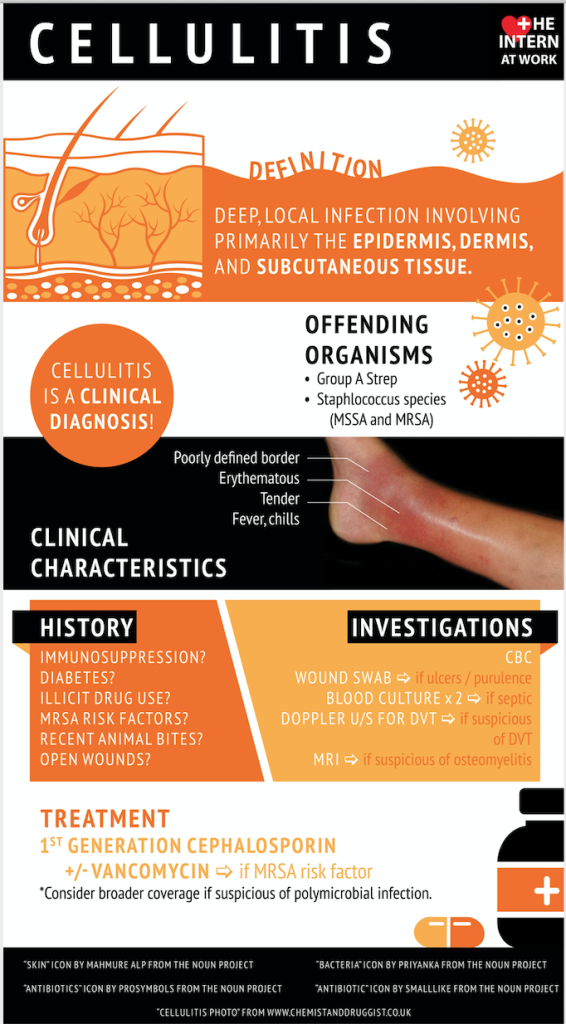
The researchers have conducted a single-center, randomized, nonblinded trial that aimed to find out an association between the compression therapy and controlled incidents of chronic edema of the leg and people with cellulitis that can be defined as an infection of the skin that involves subcutaneous tissues or the innermost layer of the skin. Cellulitis can be caused by trauma or scratching of other lesions due to animal or human bites that result in fever, extreme pain, and redness of the skin.

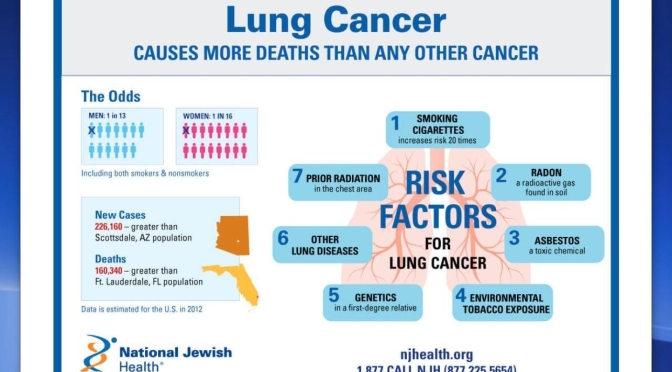
NEJM (Aug 13, 2020) – Population-level mortality from NSCLC in the United States fell sharply from 2013 to 2016, and survival after diagnosis improved substantially. Our analysis suggests that a reduction in incidence along with treatment advances — particularly approvals for and use of targeted therapies — is likely to explain the reduction in mortality observed during this period.
“The survival benefit for patients with non-small cell lung cancer treated with targeted therapies has been demonstrated in clinical trials, but this study highlights the impact of these treatments at the population level,” said Nadia Howlader, Ph.D., of NCI’s Division of Cancer Control and Population Sciences, who led the study. “We can now see the impact of advances in lung cancer treatment on survival.”






 Boomers Daily