Tag Archives: Homes

Sustainable Architecture: TMRW Home In Melbourne

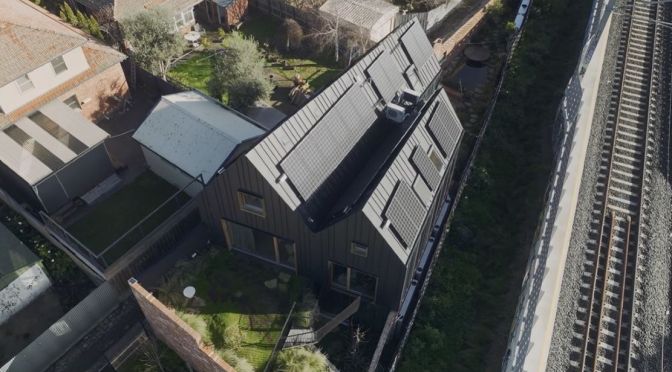
The Local Project – Passionate about creating a small home that considers a sustainable future, Marc and Felicity Bernstein at Hütt Homes collaborated with Blum to bring functionality into their family’s sustainable home.

Video timeline: 00:00 – Introduction to the Small, Sustainable and Timeless Home 00:48 – The Shape of the Land 01:12 – A Walkthrough the Home 01:41 – Making the Most of the Small Space 02:00 – Blum Addicts 02:14 – Blum’s Input 02:45 – Blum Storage Options 03:10 – The First Floor 03:38 – The Top Floor 03:54 – 5 Principles of a Passive House 04:44 – Creating a Carbon-Neutral Home 05:13 – A Home That Ticks Every Box

From the exterior of the small home, the architecture considers brick and concrete as main elements of the design, while the interior uses timber as a key material to minimise the home’s carbon footprint. Utilising an open plan approach in the small home allows for a connection to the rear and first-floor gardens. Throughout the residence, a sense of communal living has been infused alongside sustainable elements.

In the sunken living room – where the sense of the communal spirit of the small home is evoked – the surrounding timber edges allow for extra seating for larger gatherings. At the other end of the house, the kitchen and dining room showcase the collaboration with Blum through storage units and cupboards. Helping to provide functionality, organisation and ergonomics while increasing the home’s passive living, Blum specified products such as the LEGRABOX in the kitchen and first-floor bedrooms to enhance storage and aesthetic function.

Moving upstairs to the private spaces, Blum has assisted with the home’s organisation and ergonomics with floor-to-ceiling cupboards in the master to staircase storage systems in the children’s rooms. Additionally, a net has been installed in the children’s rooms, hanging over the ground level and allowing for extra play space without taking away from liveable areas. Further assisting with the passive living of the home, a garden has been installed on the first level and a living green wall in the bathroom adds a natural flow of oxygen. Continuing the importance of indoor air quality, a mechanical heat recovery system has been installed to capture fresh air and remove any stale air.

Furthermore, a heat exchanger allows for temperature stability all year while maintaining energy efficiency. Throughout the small home, an emphasis on creating a carbon neutral project is referenced in the architecture and interior design choices. From the use of timber to the living green wall and connections to the gardens, sustainability is the key focus of Blum and Hütt Homes’ collaboration. An inspiration for upcoming architects and designers to think and design responsibly, TMRW Home is a responsible family residence that considers the present and the future.

Designers: One Bathroom Rendered Three Ways (AD)

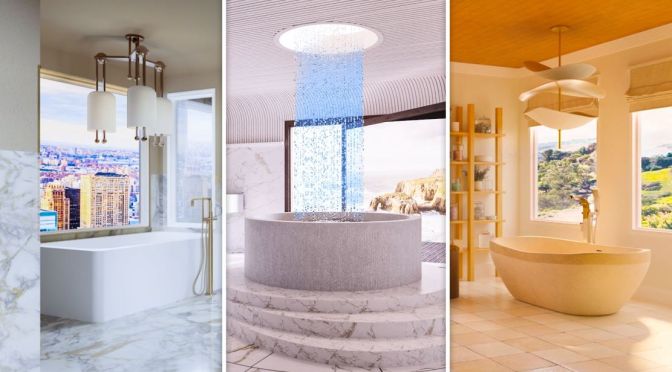
Architectural Digest – We gave interior designers Lula Galeano, Laura Hodges, and Alvin Wayne a photo of the luxury bathroom – then asked each of them to create a design for it in their particular style, however they pleased.

Designer Portfolio Pictures provided by:

Three artists, one canvas, each bringing something different to space. See which designer comes closest to creating your dream bathroom.

Renders provided by:

Spacejoy, a design-led commerce platform powered by interactive 3D technology. Spacejoy pairs customers with expert designers to create a stunning home featuring handpicked products from top brands that you can shop instantly. https://www.spacejoy.com/

Home Tours: The ‘Dolphin Sands Studio’ In Tasmania

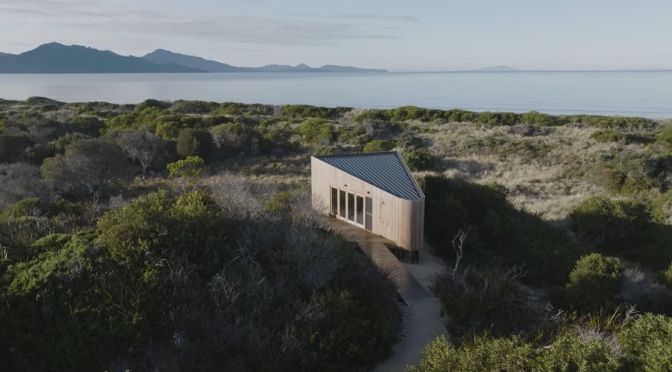
The Local Project – At the end of an undulating path is Dolphin Sands Studio, a small cabin that floats atop the dunes and looks out to The Hazards mountain range and the Peninsula beyond. From the open deck of the cabin, the doors open up to the main living spaces of the studio cabin.

Video timeline: 00:00 – Introduction to the Tiny Cabin on a Hidden Beach 00:31 – The Location of Dolphin Sands 00:45 – A Walkthrough and Around the Cabin 01:04 – The Spacial Components 01:24 – Conceived as a View Finder 01:59 – Utilising as Few Materials as Possible 02:20 – Room for Two 02:48 – Providing Protection 03:05 – The Triangular Form 03:28 – The Architects Proud Moments

Consisting of a kitchen, living space and bedroom – with an adjacent bathroom – the cabin home holds everything the occupants need in one space. Located on a hidden beach in Tasmania, Australia, Dolphin Sands Studio by Matt Williams Architects has been conceived as a viewfinder – giving the occupants unmatched views across the bay. Completing the architecture and interior design, the architect worked alongside the builder to consider how the triangular form of the remote cabin could embrace its surroundings.

This was done by employing a large south-southeast facing window and using as few materials as possible to create a calm space for the occupants. Built on an exposed site, Dolphin Bay Studio embraces its surroundings by inserting itself as one with the landscape. Conceived as a solid tent, the cabin home allows for protection from the elements while maintaining an immediacy with the landscape.

Employing sustainable materials, Matt Williams Architects establishes that the materials work in tune with the weather while not taking away from the experience of living in the unique beach cabin. Capturing the golden sunrise every morning, the position of the cabin home allows the occupants to completely embrace the spectacular views and become one with the community. Though Dolphin Sands Studio is small in scale, the location and proximity to the bay brings external space for the occupants to enjoy.

With a desire to reduce the impact on the terrain, as well as flora and fauna, the architect and builder created a minimally impactful home that inserts itself into the bay. Also offering an escape from the worries of everyday life and the bustling cityscape, the cabin is a uniquely designed home that considers more than its occupants. With an offer of serenity, sustainability and waterside living, Dolphin Bay Studio pushes towards what is possible when designing and living sustainably.

Architectural Tours: Off-Grid ‘Limestone House’ In Melbourne, Australia

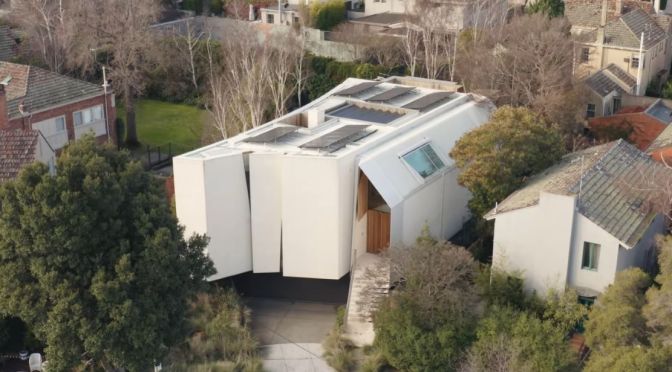
The Local Project – Crafted by John Wardle Architects, this sustainable off-grid house is best explored by means of a house tour. Combining seamless interior design and architecture with a minimal environmental impact, Limestone House forms a cohesive celebration of functionality.

Video timeline: 00:00 – Introduction to the Sustainable Off-Grid House 00:41 – The Location and The Vacant Lot 01:22 – Architects Declare 01:39 – The Living Building Challenge 02:06 – Passive House Standards 02:40 – The Shading Systems 03:04 – What’s Behind the Walls 03:19 – The Energy Supply 03:35 – Requirements of the Living Building Challenge 03:50 – The Two Main Materials Used 04:12 – An Interesting History Behind the Timber 04:42 – The Handmade Aspects 05:01 – Floating on a Sea of Native Grasses

Located in the Melbourne suburb of Toorak, Limestone House rests on the Wurundjeri Land of the Kulin Nation. Initially vacant, the project site excited the clients with the possibility of building a sustainable off-grid house. Paying homage to the environmental agenda, the landscape design of Limestone House sees the building float above a sea of native grass. Guiding the design of Limestone House is the Living Building Challenge and Passivehaus, two rigorous standards of sustainability.

In order to satisfy the standards, John Wardle Architects ensures that the home operates as a sustainable off-grid house, harvesting its own water and disposing of all of its waste water. Externally, a set of edible plantings on the terrace meets the requirement for food production on site. The Passivehaus standard sees a tightly-sealed, sustainable off-grid house emerge. While a passive ventilation system consistently delivers fresh air into the home at a slow speed, an airtight barrier seals heat into the dwelling, maximising energy efficiency.

Similarly, high-performance insulation is applied to the walls, roof and floor and the home features triple-glazed windows. Shading systems take the form of motorised venetian blinds to the northeast and west, as well as operable timber louvres at roof level over the courtyard. Internally, the material palette of Limestone House consists primarily of stone and timber. Concrete benchtops and Queensland siltstone complement the calming tonal character of the scheme alongside hydrowood oak. Many of the trees used for the oak come from a valley that was flooded during a 1940s hydroproject – now the timber comprises a bespoke dining room table.

A sustainable off-grid house, Limestone House produces its own energy and a surplus of five per cent that is exported to the grid. While meeting the design brief, John Wardle Architects ensures that the residence forms a unique embracement of natural serenity, in distinction from other sustainable dwellings of the past.

Architectural Tours: An 8′ Wide House In Toronto

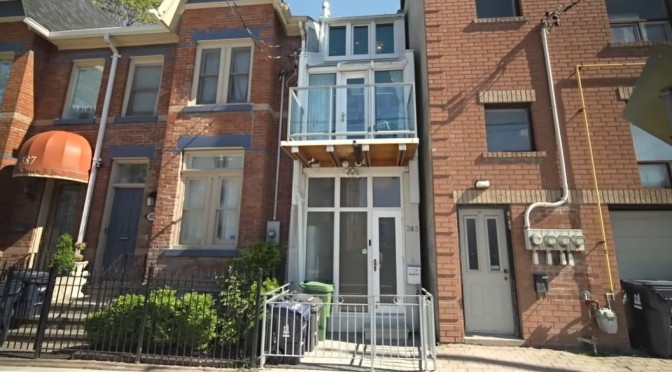
This ultra-narrow house looks modern on the outside, but inside it’s a cozy and welcoming home with multiple levels designed around a meandering set of stairs that run up the center of the home. With lots of wood, exposed copper pipes, and small dimensions, the owner often describes the house as feeling like a boat or a treehouse.

While it might seem like the house was recently built as an in-fill house or accessory dwelling unit, there has actually been a narrow single-story structure on the property since at least 1880. It wasn’t until 1980 – a full century later – that the then-owner, an architect, applied to the committee of adjustments to build the house as it is today.

With such a long and narrow floorplan, an important feature of the house is the full glass walls and skylights at both ends of the house, which lets natural light flow into each room and prevents the house from feeling dark and confined.

Lifestyle: Country Life Magazine – Nov 16, 2022

Country Life Magazine – November 16, 2022 issue:

SURVIVING WINTER: Joe Gibbs summons the fortitude of our forebears in a bid to survive the cold season in an old house with rattling windows, draughty chimneys and a leaky roof.

NEWS: What impact will inflation and the cost-of-living crisis have on our historic houses and churches?

MASTERPIECEThe Forstye Saga‘s enduring appeal.

ARCHITECTURE: Drapers’ Hall: An enduring force for good.

FURNITURE: The joys of gilded furniture.

INTERIORS: Fat, often glistening metallic tassels, fringes, cords and braids—known as passementerie—have been beautifying interiors for centuries, reveals an admiring Matthew Dennison.

Homes & Design: Dwell Magazine – Nov/Dec 2022

Image

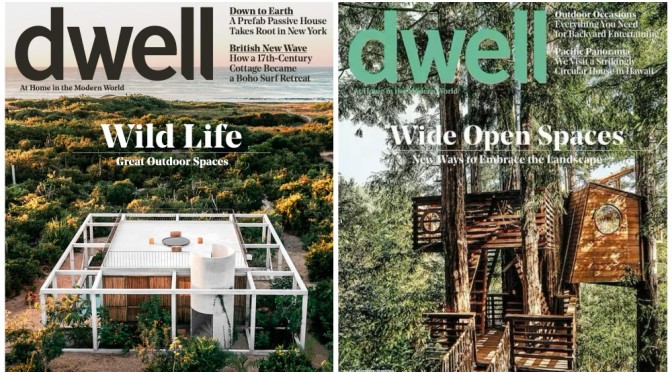
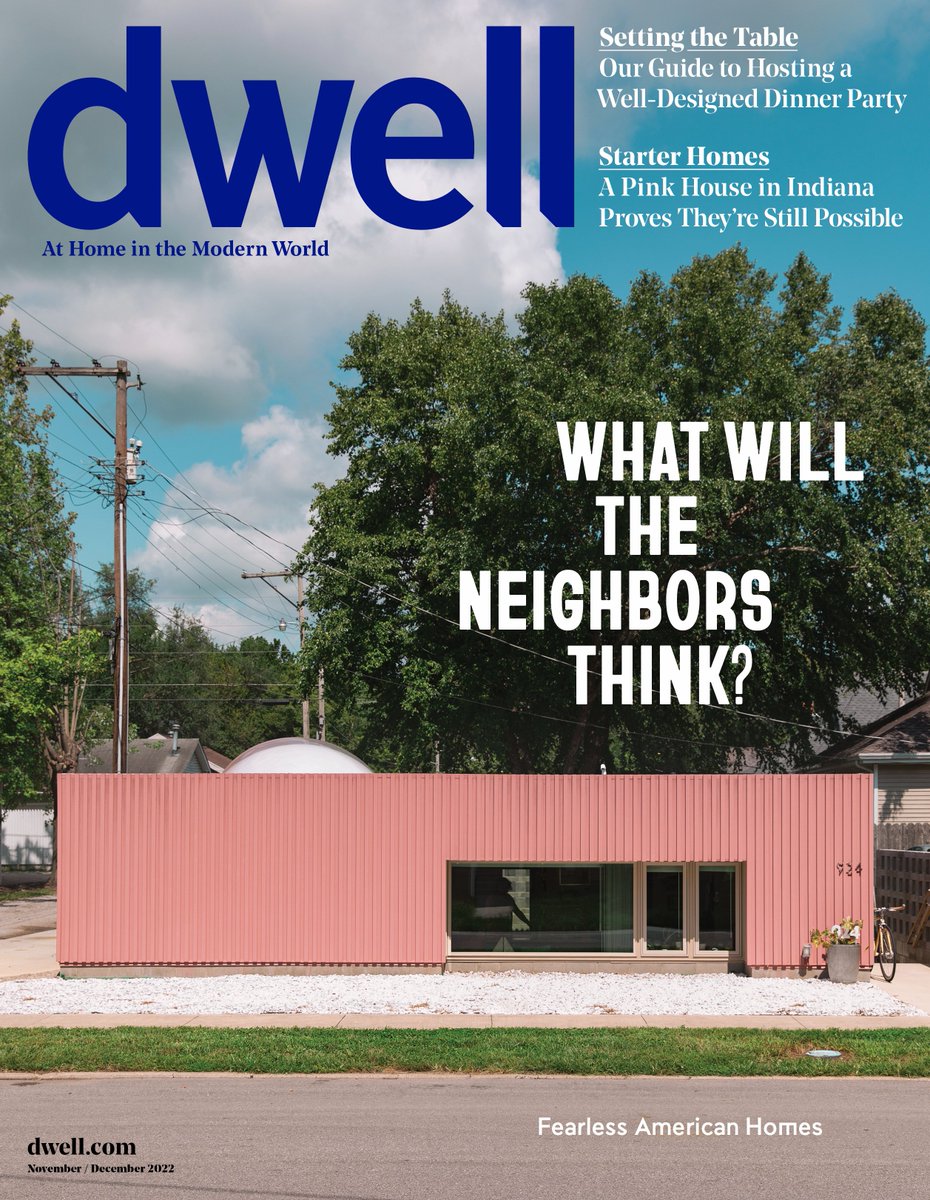
Dwell – November / December 2022 issue:

What Will the Neighbors Think: Fearless American Homes

  • Setting the Table: Our Guide to Hosting a Well-Designed Dinner Party
  • Starter Homes: A Pink House in Indiana Proves They’re Still Possible
Six American Designers Share Their Inspiring New Takes on a Dream Dinner Party

Six American Designers Share Their Inspiring New Takes on a Dream Dinner Party

We can all get stuck in a rut. This holiday season, break out of yours.

New Initiatives and Leaders Are Bringing Power and Profits to America’s Crafting Communities

New Initiatives and Leaders Are Bringing Power and Profits to America’s Crafting Communities

Geechee basketmakers, Gee’s Bend quilters, and Native American artisans are developing ways of navigating markets that have not always had their best interests at heart.

A Composer and Fashion Designer Add an Inspiring Creative Space to Their Los Angeles Backyard

A Composer and Fashion Designer Add an Inspiring Creative Space to Their Los Angeles Backyard

The two-level ADU is decked out with a light-filled recording studio for him, and for her, a luminous design space with soaring ceilings and sliding glass doors.

The Art Of Architecture: ‘Santo By Th Sea’ (Vietnam)

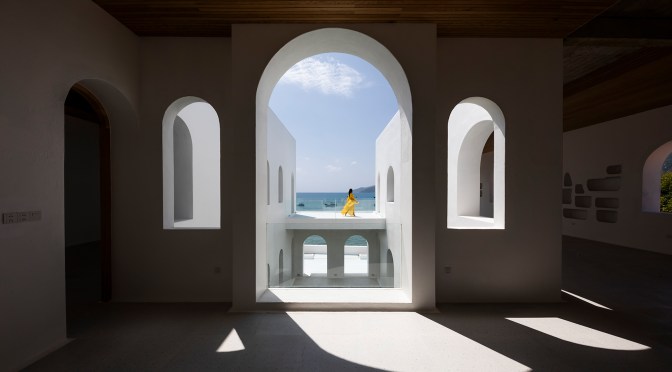
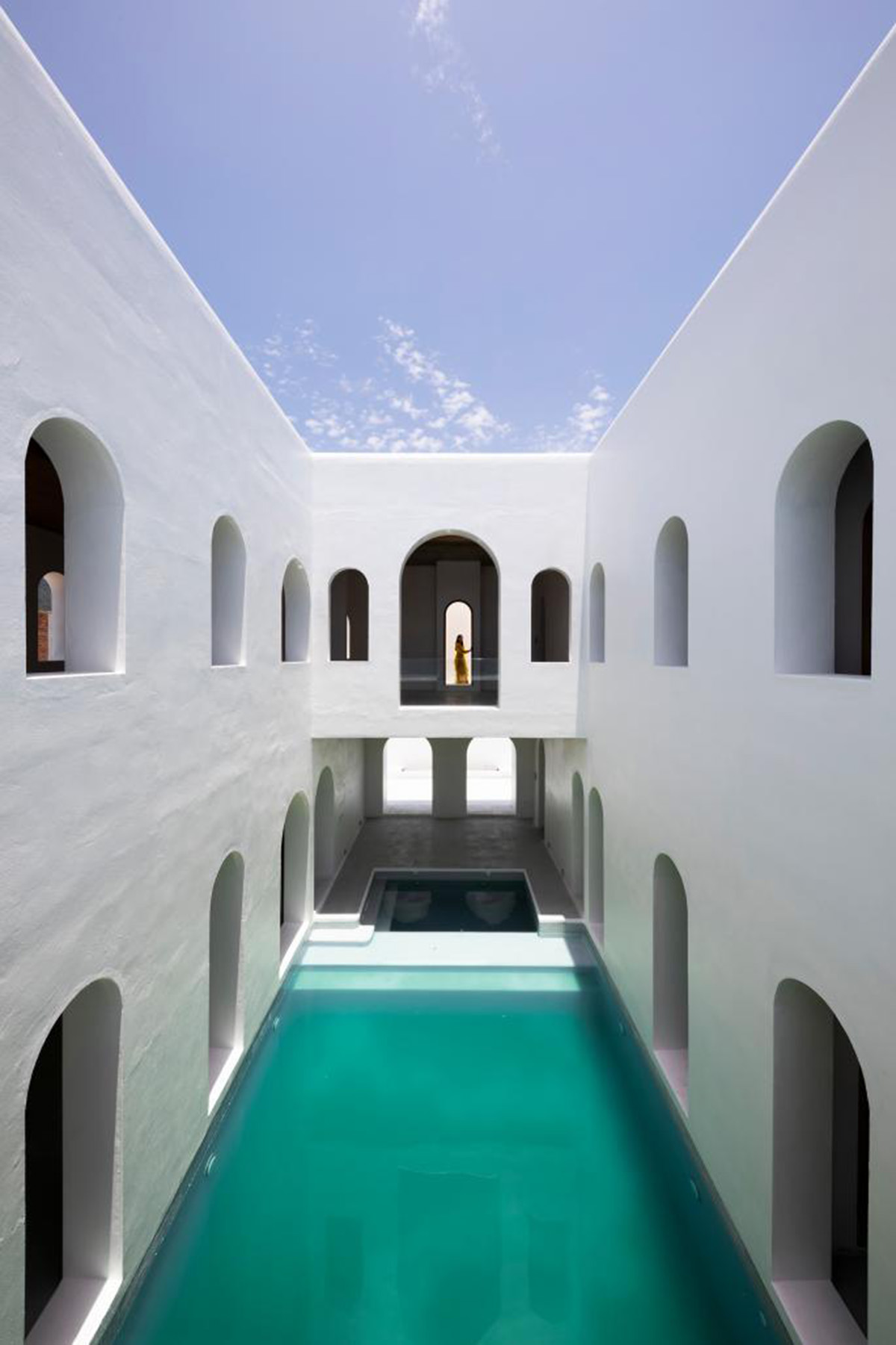
“Santo by the Sea” was developed based on the idea of ​​​​the owner’s desire to have a Mediterranean Revival – Santorini architecture.

WA Awards 42nd Cycle is open for Votes until 4 December 2022

However, the difficulty when developing this style is that the doorways are very small and narrow as well as how to bring new modernity to the house. From that concept,

Santo by the Sea

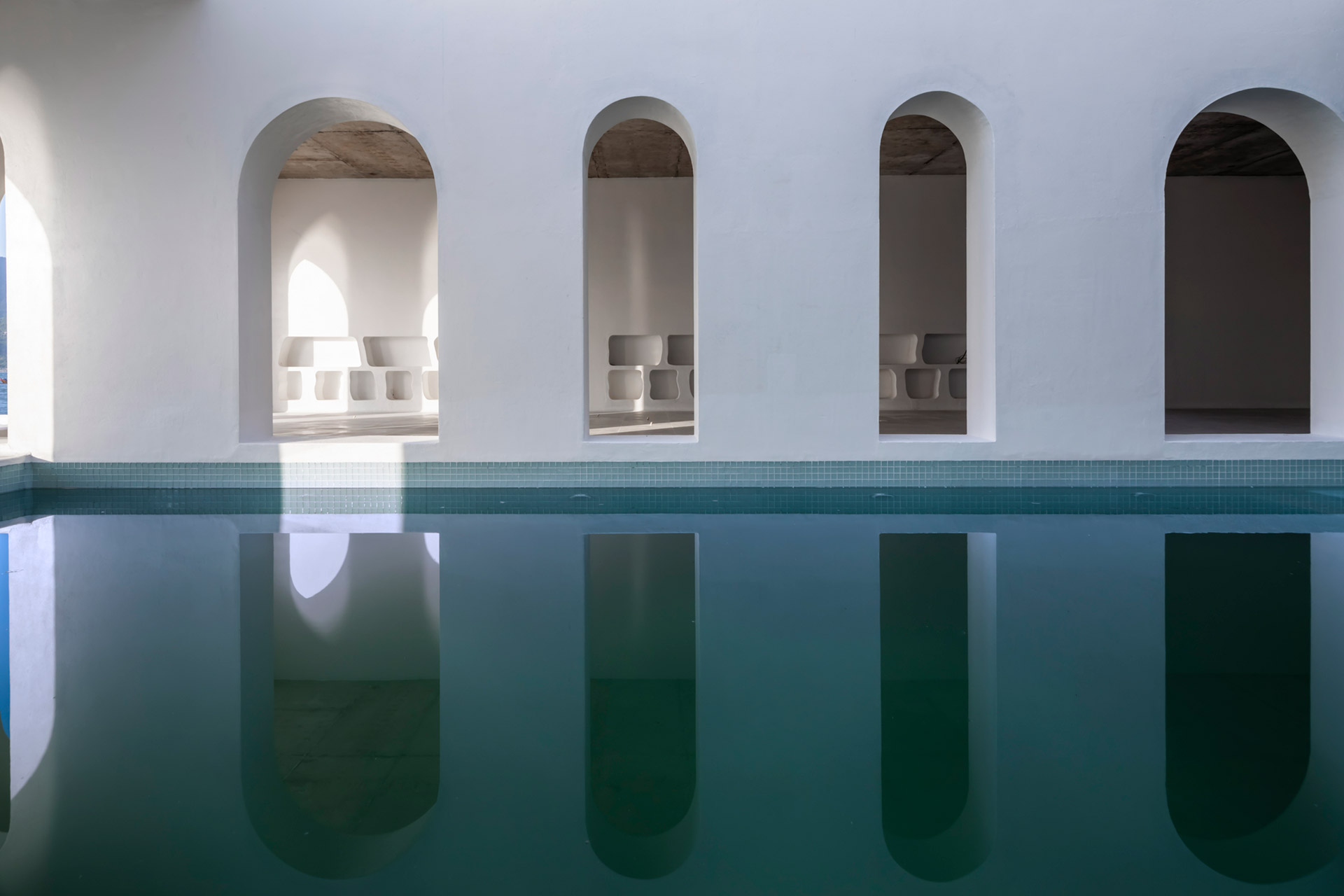
Santo by the Sea is designed with large arched doorways to make the most of the beauty of the surrounding nature and bring natural light to the interior spaces.

SANTO by the Sea House / Pham Huu Son Architects - Exterior Photography, Windows

SANTO by the Sea House / Pham Huu Son Architects - Exterior Photography, Facade, Arch, Arcade

Architecture 2022: ‘Dune House’ In New Zealand

herbst architects dune house

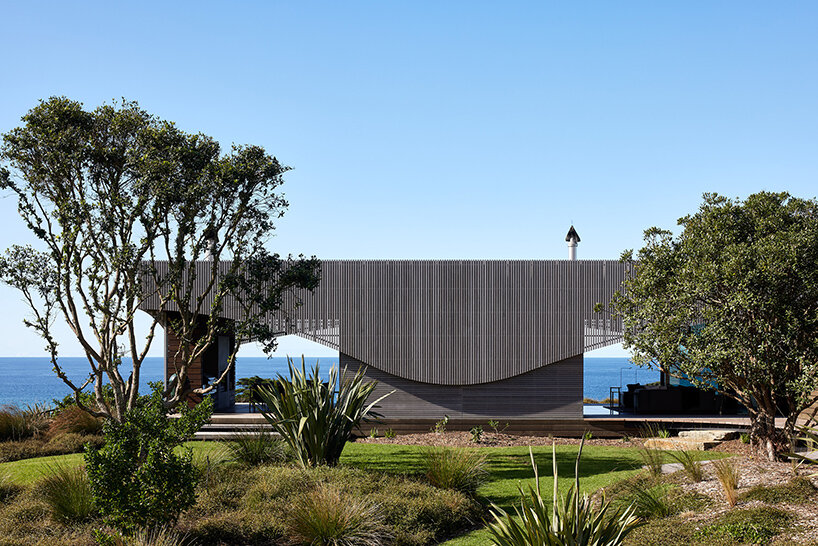
Auckland-based studio Herbst Architects takes to an expansive dunescape along the eastern coast of New Zealand to construct its Dune House.

herbst-architects-dune-house-new-zealand-designboom-07a

The dwelling is designed in celebration of its undulating site, which is covered with a native flowering plant known as Muehlenbeckia to create a lush, green landscape rolling downward to the beach.

herbst-architects-dune-house-new-zealand-designboom-05a

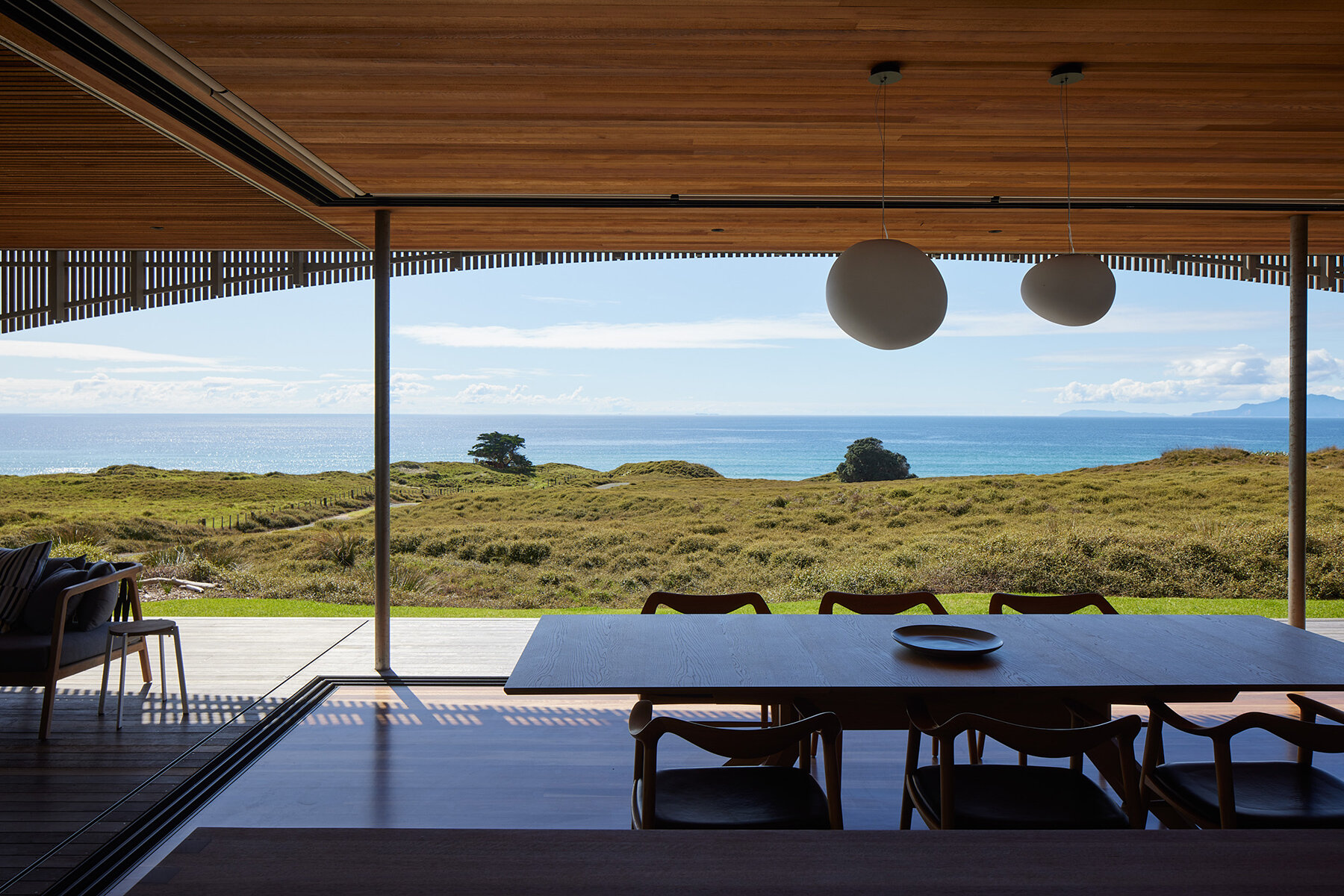
The project comprises a main house with two bedrooms and two smaller ‘sleepout’ structures, following the needs of the client, while it is perched two hundred meters from the high-water mark — following local regulations. Thus, the home is safe from flooding and enjoys sweeping views of the sparkling horizon.

Read article at Designboom

Design: Northside House In Clifton Hill, Australia

The Local Project – Through warm and inviting additions, Northside House becomes a dream house for the clients of Wellard Architects. In partnership with Artedomus, Wellard Architects have carefully considered the owners’ personalities with the selection of colours, tones and materials.

Video timeline: 00:00 – Introduction to Dream House 00:39 – An Alterations and Additions Project 00:51 – The History Behind Northside House 01:10 – Layout of the Dream House 02:01 – The Overarching Theme of Compression and Release 02:50 – Joining Forces with Artedomus 03:17 – The Main Materials Utilised Throughout The Home 05:02 – Artedomus’ Involvement 05:37 – The Architect’s and Artedomus’ Favourite Aspects 06:13 – Proud Moments from the Architect’s

Located on a corner site of Clifton Hill, Northside House is an existing heritage home that once housed an Italian plasterer and showrooms. However, with carefully considered alterations and additions, the dream house becomes a space for private family dwelling that also opens to the surrounding community. From the front of the Federation-era home, the house tour leads guests past the principal bedrooms and bathrooms of the original home.

Wellard Architect’s alterations and additions become evident with the double-height hallway that marks the transition between the old and new. Located upstairs is a lounge and study, which offer a warm and light-filled retreat where one can find some privacy in a busy household. On the ground floor, the living and dining spaces have been subtly zoned so no space feels too cavernous. From the blonde timber walls and ceiling to the terrazzo flooring, the dream house encompasses a natural form of living.

Desiring a cosy interior, the clients and Wellard Architects worked closely in the selection of decor, furniture, finishes and fixtures for the interior space. During these project development stages, Artedomus was approached for its robust materials that would fit the brief of a busy family’s dream house. In the ensuite bathroom, porcelain tiles from Portugal infuse warm tones, while the vanity and basins use Travertine Zena and INAX tiles to establish calmness throughout.

Additionally, the main bathroom uses Verde Bardini granite and Fiandre Maximum porcelain tiles which meld with the selected Agape Vieques steel bath that sits sculpturally in the centre of the bathroom. Flowing throughout the rest of the dream house, Artedomus products can also be appreciated in the generously-sized kitchen, where Nerofino Brushed Quartz has been employed for the splashback.

Alongside the creation of a cosy atmosphere, the kitchen further instils the clients desire to have a home that can be used for entertaining – with space for intimate family cooking or a gathering of friends and neighbours. Opening up to the back garden courtyard, the orange-bricked façade of the garage seamlessly balances the terracotta shingles of the dream home and merges the heritage home with the modern additions.