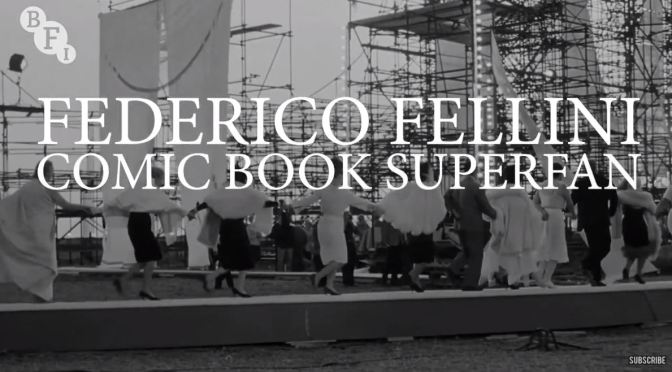
Federico Fellini’s films were bright, surprising and above all, fun. His films are a testament to an extraordinary imagination, but also a deep love of an art form that is often overlooked: comics!
In this video essay, BFI producer Nic Wassell speaks to Fellini experts to draw out the links between the great director’s love of American and Italian comics and the surreal, joyful imagery found in his films.
Hotel Torni (“Hotel Tower”) is a historical hotel located in Helsinki, Finland, and a part of the Sokos Hotels hotel chain. When opened in 1931, it became the tallest building in Finland, a position it maintained until the completion of the new Neste headquarters in neighboring Espoo in 1976.
It remained the tallest building in Helsinki until 1987. The interior of the building was completely renovated in 2005. It is located in central Helsinki, the so-called Helsinki Design District.
The hotel was designed by architects Jung & Jung in 1928, and has 14 stories. It is allegedly the place where the murder of the Mata Hari-like Minna Craucher was planned in 1932.
The hotel served the needs of air defense during the Second World War, when members of the Finnish women’s paramilitary organization Lotta Svärd kept watch for enemy bombers. Immediately after the cessation of the war, Hotelli Torni served as the headquarters of the Allied Control Commission monitoring Finnish compliance with the obligations of the Moscow Armistice. It became known as a center of culinary excellence.
The Moulin Rouge, the famous cabaret with a windmill that opened in the Montmartre section of Paris 130 years ago, is still drawing crowds to its spectacular shows featuring a chorus line of often-topless dancers. And it’s now the inspiration for a hit Broadway musical. Correspondent Alina Cho visits the landmark that has inspired artists and writers (and even marriage proposals), and talks with its artistic director and dancers, along with the Tony Award-winning set designer of the new Broadway show, “Moulin Rouge!: The Musical.”
Moulin Rouge (“Red Mill”) is a cabaret in Paris, France.
The original house, which burned down in 1915, was co-founded in 1889 by Charles Zidler and Joseph Oller, who also owned the Paris Olympia. Close to Montmartre in the Paris district of Pigalle on Boulevard de Clichy in the 18th arrondissement, it is marked by the red windmill on its roof. The closest métro station is Blanche.
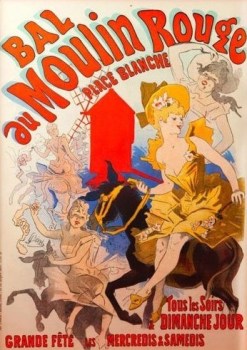
Moulin Rouge is best known as the birthplace of the modern form of the can-can dance. Originally introduced as a seductive dance by the courtesans who operated from the site, the can-can dance revue evolved into a form of entertainment of its own and led to the introduction of cabarets across Europe. Today, the Moulin Rouge is a tourist attraction, offering musical dance entertainment for visitors from around the world. The club’s decor still contains much of the romance of fin de siècle France.
Every artist needs to learn and master the still life. Written by a well-known artist and expert instructor, The Art of Still Life offers a comprehensive, contemporary approach to the subject that instructs artists on the foundation basics and advanced techniques they need for successful drawing and painting.
In addition to Casey’s stunning paintings, the work of over fifty past and present masters is included, so that the book will do double duty as a hardworking how-to manual and a visual treasure trove of some of the finest still life art throughout history and being created today.
A Massachusetts native, TODD M. CASEY studied at art schools in Boston and San Francisco before embarking on the classical artistic education offered by Jacob Collins’s famed Water Street Atelier in New York City. A modern master of the still life genre, Casey teaches at several institutions, including the Art Students League of New York. He is represented by Rehs Contemporary Galleries, Inc., New York, and his paintings are held in numerous private collections worldwide. He lives with his wife and daughter in New York’s Hudson Valley. Visit his website at toddmcasey.com.
The vivid photographs are arranged according to the signs’ imagery, with sections such as Spirit of the West, On the Road, Now That’s Entertainment, and Ladies, Diving Girls & Mermaids. Sixteen of the most iconic landmark signs include brief histories on how that unique sign came to be. A resource section includes a photography index by location and a Neon Museums Visitor’s Guide.
Take to the road to discover the history and artistry of North America’s disappearing neon signs.
Neon Road Trip chronicles the history of the commercial neon sign with a curated collection of photographs capturing the most colorful and iconic neon still surviving today.
John Barnes studied art, graphic design, sculpture and photography, earning a BFA degree in documentary photography from the University of Delaware 1984. He worked as a commercial advertising photographer for over fifteen years both on the east coast and in San Francisco, and has been a fine art photographer for the last 30 years. He recently spent the last two years traveling around the United States and Canada photographing iconic neon signs. John resides in Seattle but spends most of his time traveling taking photographs.
A new look at antique US railroad maps reveals how cities grew over the past 200 years. The FT’s Alan Smith and Steven Bernard trace how cities, people and the economy spread from coast to coast.
We’ve come a long way since the first heartbeat was heard. This American Heart Month, we take a look at the history of cardiac care — and celebrate the leading-edge innovations that make a better future possible.
An archaeologist of antiques, Mike Wolfe has taken viewers on a nationwide scavenger hunt for historic finds via his History Channel series, “American Pickers.”
But he’s not just about buying up the past; he’s also helping preserve it, by restoring old Main Street buildings in Le Claire, Iowa, and elsewhere. Lee Cowan talked with Wolfe about his passion for relics of history.
Phoebe C. Segal, Mary Bryce Comstock Curator of Greek and Roman Art
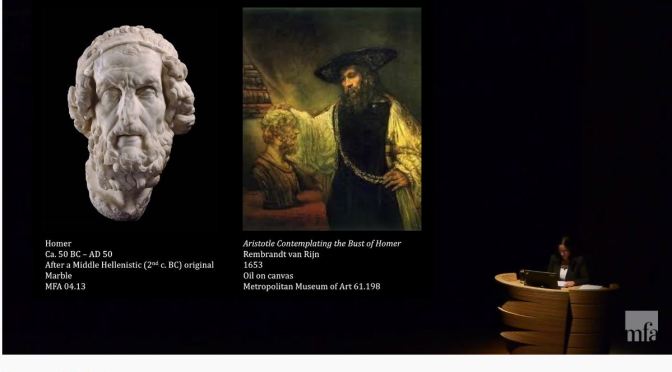
Homer is the legendary author of the Iliad and the Odyssey, two epic poems that are the central works of ancient Greek literature. The Iliad is set during the Trojan War, the ten-year siege of the city of Troy by a coalition of Greek kingdoms. It focuses on a quarrel between King Agamemnon and the warrior Achilles lasting a few weeks during the last year of the war. The Odyssey focuses on the ten-year journey home of Odysseus, king of Ithaca, after the fall of Troy. Many accounts of Homer’s life circulated in classical antiquity, the most widespread being that he was a blind bard from Ionia, a region of central coastal Anatolia in present-day Turkey. Modern scholars consider these accounts legendary.
Take a close look at the tombs of the Napatan kings who conquered and ruled Egypt from the late 8th century to 666 BCE, using objects that the MFA excavated from 1913 to 1932 with archeologist George Reisner.
Napatan kings later held sway over the kingdom of Kush in the northern Sudan, and built pyramids for themselves and their wives in cemeteries at Kurru and Napata. Studying these lavishly decorated pyramids, and the mortuary rites that took place in the attached chapels, makes clear some of the differences between ancient Egyptian and Napatan beliefs and priorities.
Susan K. Doll, Nubian scholar
Wednesday, October 30, 2019
News, Views and Reviews For The Intellectually Curious



 Hotel Torni (“Hotel Tower”) is a historical hotel located in Helsinki, Finland, and a part of the Sokos Hotels hotel chain. When opened in 1931, it became the tallest building in Finland, a position it maintained until the completion of the new Neste headquarters in neighboring Espoo in 1976.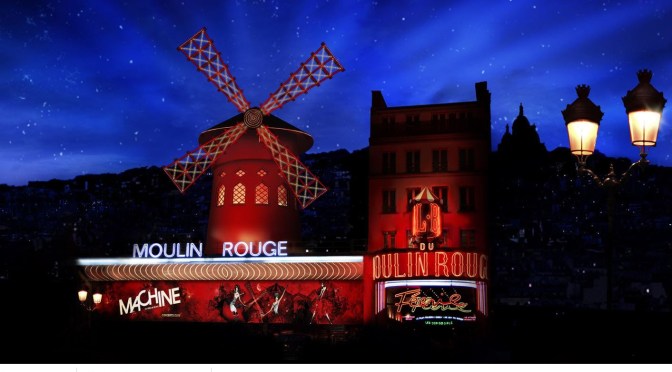
 the inspiration for a hit Broadway musical. Correspondent Alina Cho visits the landmark that has inspired artists and writers (and even marriage proposals), and talks with its artistic director and dancers, along with the Tony Award-winning set designer of the new Broadway show, “Moulin Rouge!: The Musical.”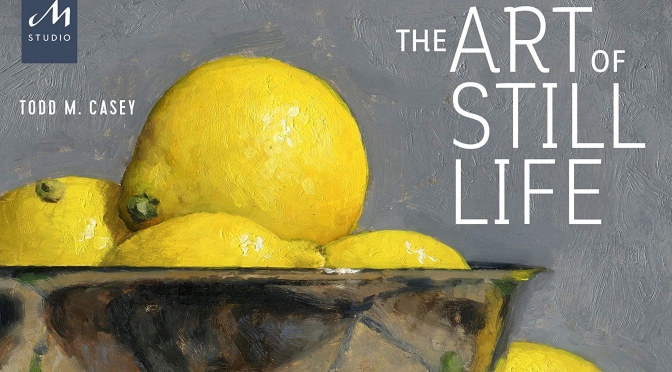
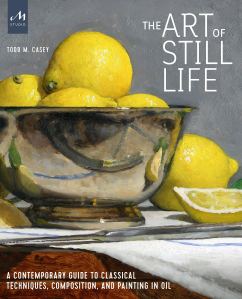 Every artist needs to learn and master the still life. Written by a well-known artist and expert instructor, The Art of Still Life offers a comprehensive, contemporary approach to the subject that instructs artists on the foundation basics and advanced techniques they need for successful drawing and painting.
 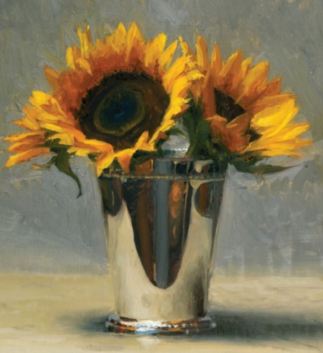 manual and a visual treasure trove of some of the finest still life art throughout history and being created today.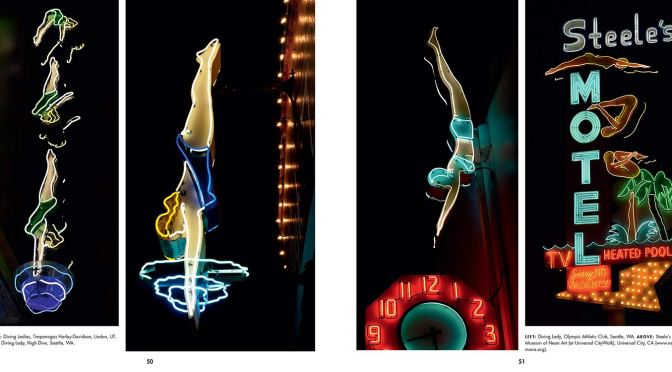
 The vivid photographs are arranged according to the signs’ imagery, with sections such as Spirit of the West, On the Road, Now That’s Entertainment, and Ladies, Diving Girls & Mermaids. Sixteen of the most iconic landmark signs include brief histories on how that unique sign came to be. A resource section includes a photography index by location and a Neon Museums Visitor’s Guide.


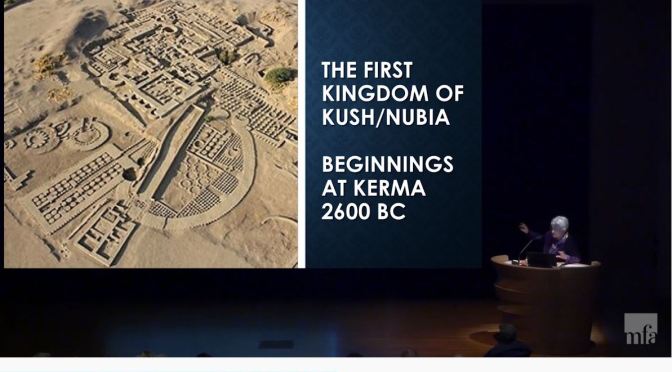
 Napatan kings later held sway over the kingdom of Kush in the northern Sudan, and built pyramids for themselves and their wives in cemeteries at Kurru and Napata. Studying these lavishly decorated pyramids, and the mortuary rites that took place in the attached chapels, makes clear some of the differences between ancient Egyptian and Napatan beliefs and priorities.
 Boomers Daily