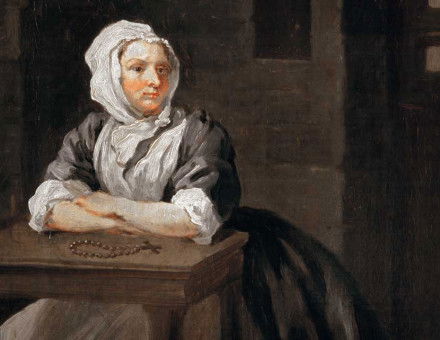
Found guilty of the Temple Murders in 1733, Sarah Malcolm became the most notorious woman in Britain. Did she commit the crime alone? Did she commit it at all?
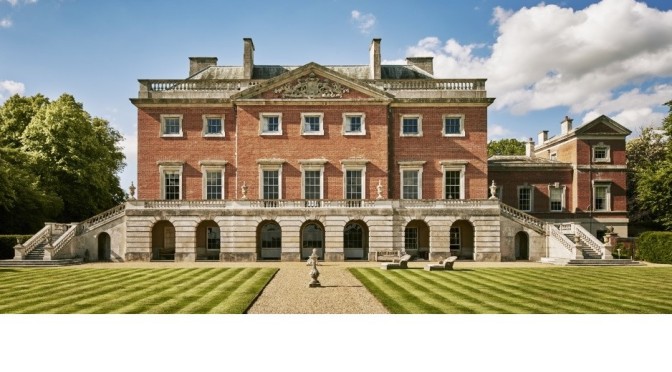
House & Garden (February 3, 2023) – Peter Sheppard and Keith Day welcome us into Wolterton Hall, an 18th-century English country house in Norfolk, England. Both Peter & Keith have been steadily restoring and redecorating Wolterton Park since they bought the estate in 2016 — bringing the state rooms back to their original glory and creating beautiful, practical living spaces.
Video timeline: 00:00 – Boudoir: “The walls were covered with a green hessian” 02:30 – Saloon: “This is where we have our best parties” 05:29 – State Bedroom: “It’s really funny to have a state bedroom when your friends come and stay…” 06:17 – State Bathroom: “It’s not conventional to have a bath of this size” 07:30 – Kitchen: “You shouldn’t hide away beautiful things” 08:49 – Living Room: “This was the Walpole’s library” 09:57 – Picture Room: “A 20th-century collection of paintings”
Watch the full episode of Design Notes as we tour Wolterton Hall and Peter & Keith explain how they live in the Palladian rooms of the piano nobile, from the State Bathroom with its alabaster-panelled bath to the Saloon that looks out on 500 acres of parkland. #HouseTour#ManorHouse#CountryHouse#England#HomeDesign
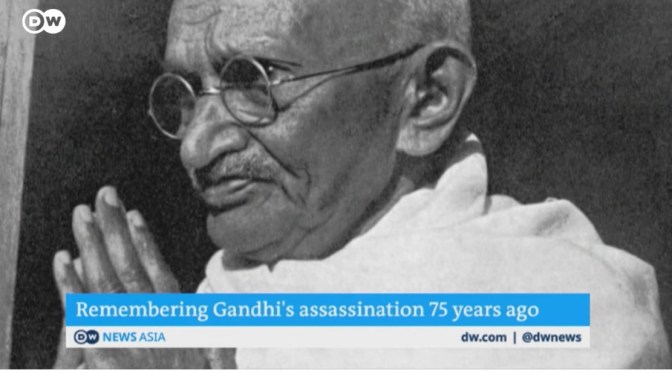
DW News – 75 years ago today, Mahatma Gandhi, who led the campaign for India’s independence, was assassinated in Delhi. The former lawyer is often called the “Father of the Nation” and credited with leading a non-violent struggle for independence from British rule.
Gandhi wanted an independent, peaceful India that protected religious freedom. But that was challenged by growing Muslim and Hindu nationalism. In 1947, India gained independence from the British, but at the cost of Partition – Muslim majority Pakistan and Hindu majority but secular India, came into being. Religous riots followed and Gandhi went on hunger strike to oppose the violence.
On January 30th, 1948, he was assassinated by a Hindu nationalist who believed Gandhi had been too accommodating to Muslims during the Partition. Around a million people turned out for his funeral. That was in 1948. But the India of 2023 is rather different. Hindu nationalism has been emboldened by Prime Minister Narendra Modi – leaving Gandhi’s legacy in tatters, as DW Correspondent Manira Chaudhary finds out.
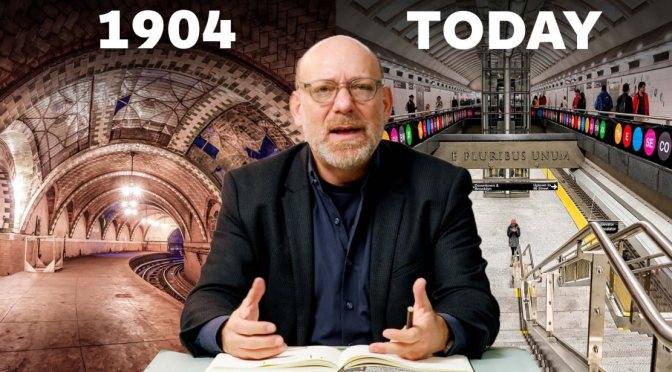
Architectural Digest – Today Michael Wyetzner of Michielli + Wyetzner Architects returns to Architectural Digest to explore the history of New York City’s storied subway system, breaking down the architectural and design details found in some of its oldest and newest stations.
Victoria and Albert Museum (January 24, 2023) – Moulin Rouge! The Musical is a spectacle of romance and cabaret, set in the heart of Paris’ bohemian scene during the Belle Époque era. Bringing Baz Luhrmann’s landmark film to life on stage, the production is a musical mash-up extravaganza, immersing you in a world of splendour and glory.
Video timeline:00:00 Catherine Zuber’s design process 0:29 What is Moulin Rouge! The Musical? 00:49 Was the Moulin Rouge real? 01:05 Adapting Baz Luhrmann’s film 01:23 Creating a costume for Satine – design sketches 02:17 Researching the history of showgirls 02:49 How does the costume work? 03:53 Designing costumes for theatre 04:12 Mounting and installing the costume in the Re:Imagining Musicals display
Join Costume Designer Catherine Zuber and Curator Harriet Reed as they take us behind the scenes, introducing the real Moulin Rouge and showgirls of the time, showing the original design sketches for Satine’s dazzling diamond studded costume, and demonstrating how one vital mechanism is crucial for the piece’s quick change on stage.
The costume is now in the V&A’s collection of Theatre and Performance and can be seen as part of the Re:Imagining Musicals display until November 2023.
The Cotswold Explorer – Quenington is a village in the Cotswolds along the River Coln, near Fairford and Cirencester. The church has two fantastic Norman doorway carvings, some of the best examples of the kind in the whole country.
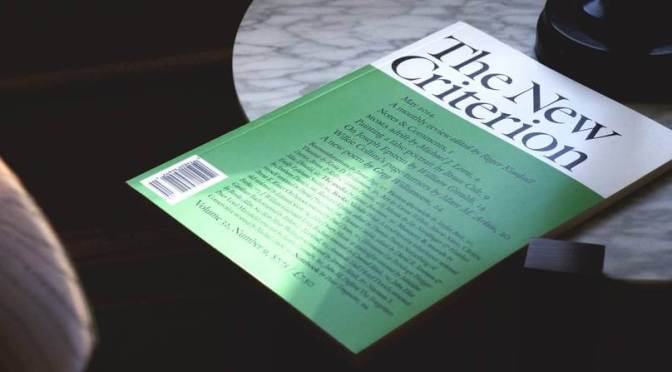
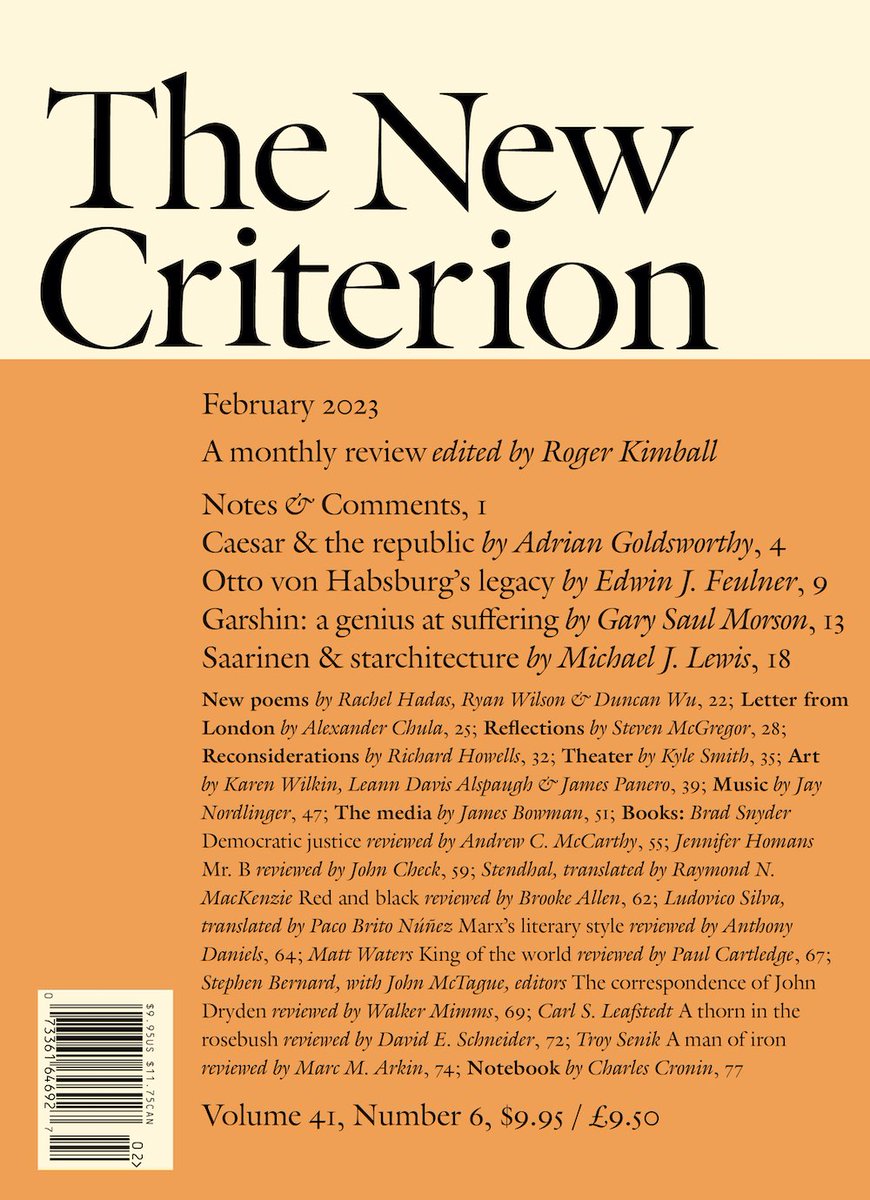
Caesar & the republic by Adrian Goldsworthy Otto von Habsburg’s legacy by Edwin J. Feulner Garshin: a genius at suffering by Gary Saul Morson Saarinen & starchitecture by Michael J. Lewis
New poems by Rachel Hadas, Ryan Wilson & Duncan Wu
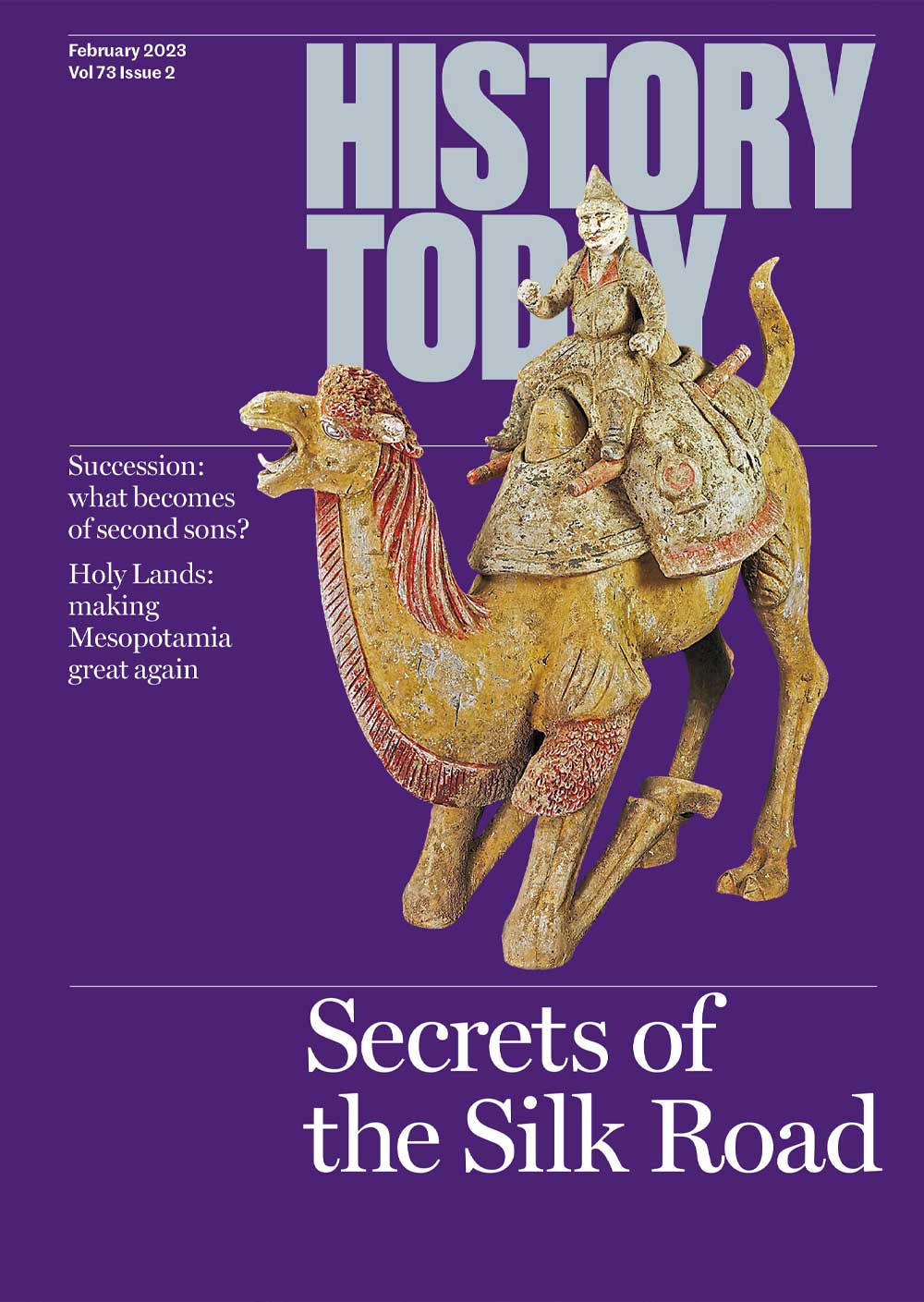
It was not easy to be the second son. The younger brothers of the French kings could choose either to rebel or reconcile, but neither option was straightforward.







 S
S










 Boomers Daily