
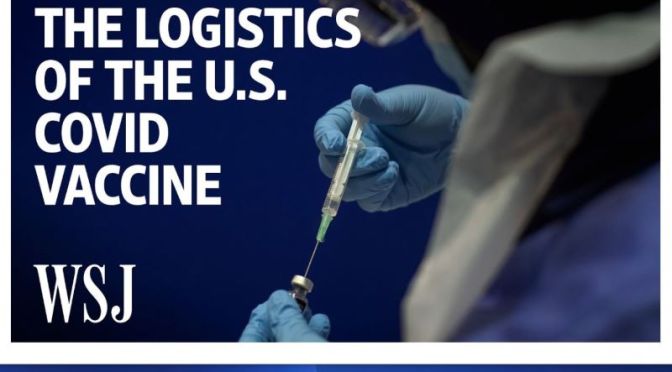
As states and hospitals in the U.S. race to roll out the first Covid-19 vaccines, WSJ’s Daniela Hernandez hears from a hospital administrator and immunization expert about the logistical challenges involved in this first phase of the vaccination process.
Photo: Victoria Jones/Zuma Press
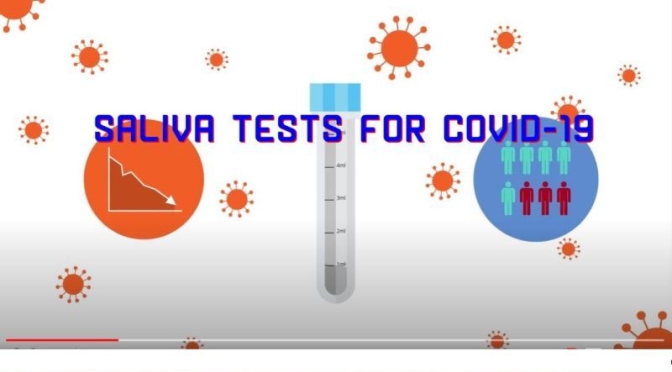
Screening testing is one tool the University of Pennsylvania is using to help reduce the risk of COVID-19 spread within the University community. That’s why we’re performing saliva-based viral testing for students, faculty, postdocs, and staff who are on campus.

U.S. nears final vaccine review as daily national deaths top 3,250, Facebook hit with antitrust lawsuits, and Florida sheriff deputies deliver meals to kids doing virtual school.
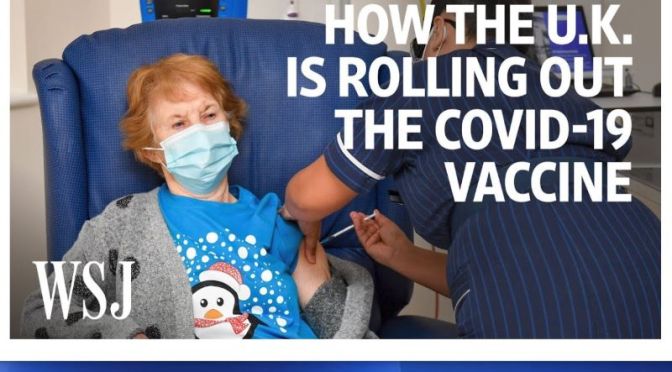
The U.K. became the first Western nation to vaccinate patients against Covid-19. WSJ explains how the country is planning to roll out the BioNTech-Pfizer vaccine at record speed, making it a test case for the rest of the world.
Photo: Jacob King/Bloomberg News

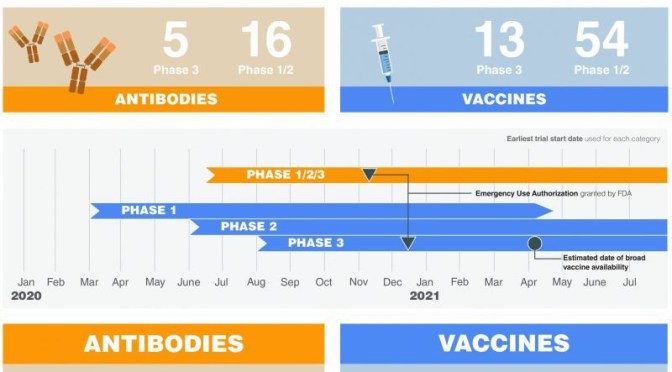
Staff Writer Meredith Wadman and host Sarah Crespi discuss what to expect from the two messenger RNA–based vaccines against COVID-19 that have recently released encouraging results from their phase III trials and the short-term side effects some recipients might see on the day of injection.
Sarah also talks with researcher Xing Chen, a project co-leader and postdoctoral scientist at the Netherlands Institute for Neuroscience, about using brain stimulation to restore vision. Researchers have known for about 70 years that electrical stimulation at certain points in the brain can lead to the appearance of a phosphene—a spot of light that appears not because there’s light there, but because of some other stimulation, like pressing on the eyeball. If electrical stimulation can make a little light appear, how about many lights? Can we think about phosphenes as pixels and draw a picture for the brain? How about a moving picture?
Travel bubbles are under development in some places in an effort to revive air travel, which has plummeted during the pandemic. WSJ explains how reopening the skies without quarantine requirements at both ends of a trip could help reboot the global economy.
Illustration: Crystal Tai







 Boomers Daily