


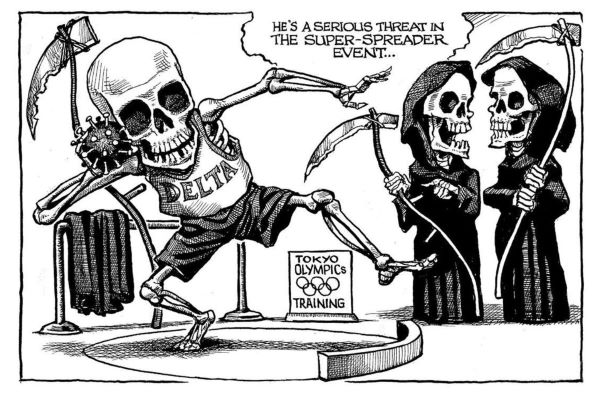
Covid-19’s Delta variant is proliferating world-wide threatening unvaccinated populations and economic recovery. WSJ breaks down events in key countries to explain why Delta spreads faster than previously detected strains. Composite: Sharon Shi


Here’s a question that’s been on my mind and perhaps yours: Is the US healthcare system expensive, complicated, dysfunctional, or broken? The simple answer is yes to all.
Below are 10 of the most convincing arguments I’ve heard that our system needs a major overhaul. And that’s just the tip of the iceberg. Remember, an entire industry has evolved in the US just to help people navigate the maddeningly complex task of choosing a health insurance plan.
Covid-19 is complex. It can affect the nervous system, leading to language disorders, strokes and seizures. Scientists are still trying to understand why. 75% of people hospitalised with the virus continue to suffer from secondary symptoms at least six months after they recover. Many find it hard to function in their daily lives. Researchers hope understanding Covid’s impact on the brain could pave a way for treatment.



Across much of the world, covid-19 restrictions are starting to ease. The Economist has crunched the data to calculate how close countries are to pre-pandemic levels of normality—but will life ever be the same again? Read more here: https://econ.st/3AG9siz
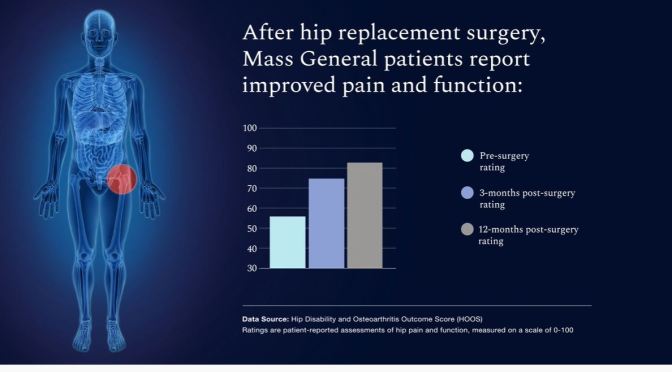
The mission of COMPASS is to provide patients with access to comprehensive quality and safety data across a variety of Massachusetts General Hospital surgical specialties. In this video, learn about performance data for Mass General hip replacement surgery including its success rate and recovery and rehabilitation.
Chronic pain affects about 40% of the UK population. While there is growing recognition that pain can be an illness in and of itself, there is still a lot we don’t know.
Anand Jagatia hears from fibromyalgia sufferer Vicky Naylor on what it’s like to live with chronic pain, and the Guardian’s science correspondent Linda Geddes about the causes for these sometimes debilitating conditions.
Human physical activities differ significantly from other species. How, when and why did these capabilities evolve? What adaptations underlie them? And how did the evolution of human physical activity affect other key human characteristics that have advanced our species?
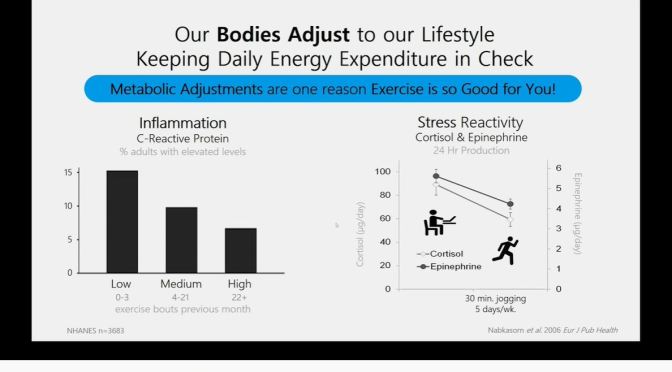
Herman Pontzer explores the evolution of human metabolism and its role in our evolution and health. From an evolutionary perspective, life is a game of turning energy into offspring. The strategies that species use to acquire energy, in the form of food, and allocate energy to the essential tasks of growth, maintenance, movement, and reproduction, are incredibly diverse and reflect the ecological pressures and opportunities encountered. There is a deep evolutionary history of the human metabolic strategy and our divergence from other apes.
Timeline: 00:00 – Start 01:38 – The Evolution of Human Metabolism
More from: CARTA: The Evolution of Human Physical Activity (https://www.uctv.tv/carta-physical-ac…)








 Boomers Daily