
From a Fast Company online article:
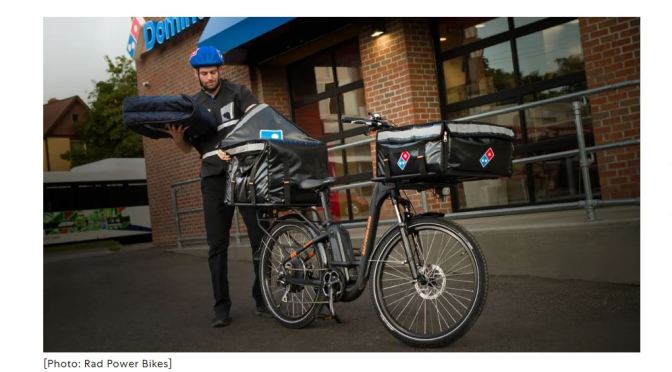
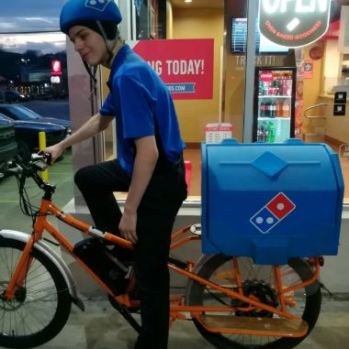 The national pizza chain recently announced a partnership with Rad Power Bikes, a Seattle-based electric cycle startup, in which Rad will provide Domino’s franchise owners with e-bikes to replace vehicle deliveries. Through the exclusive partnership, Domino’s franchise owners will have the option to purchase a custom-outfitted e-bike for up to $1,400. Switching from vehicle deliveries is not mandatory, but according to Brian Rinckenberger, commercial sales director for Rad Power Bikes, it’s likely to be an appealing option for Domino’s franchises as e-bikes could help speed up delivery times and create opportunities to have more people making deliveries at once.
That is what played out when Domino’s tested out making deliveries by e-bike in Houston, Miami, and New York City earlier this year. According to Rinckenberger, stores saw improvements in overall delivery time and service, as e-bikes are able to skirt around congested vehicle traffic lanes and can be parked much more easily.
To read more click on following link: https://www.fastcompany.com/90390713/the-dominos-delivery-of-the-future-will-arrive-by-electric-bike?utm_campaign=eem524%3A524%3As00%3A20190821_fc&utm_medium=Compass&utm_source=newsletter
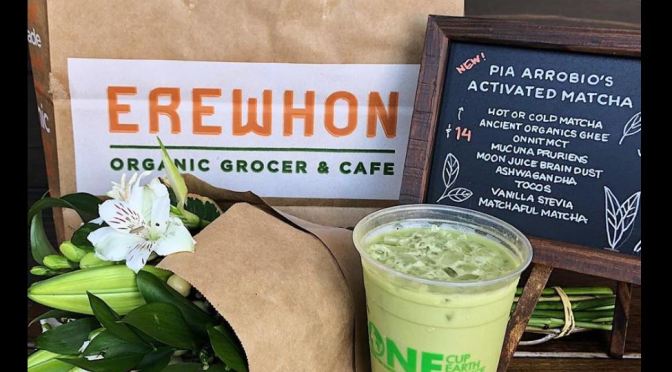
 “In the beginning, the company was so in rapture with health and wellness, that they’d get cashews from some exotic place and you’d end up spending 20-some dollars for a bag of nuts,” Widener says. “But I’d still buy a bag because I wanted to learn about it, and I felt better when I ate ‘em.” The supermarket-as-classroom ethos even influences Erewhon’s physical layout: the grocer builds shelves that are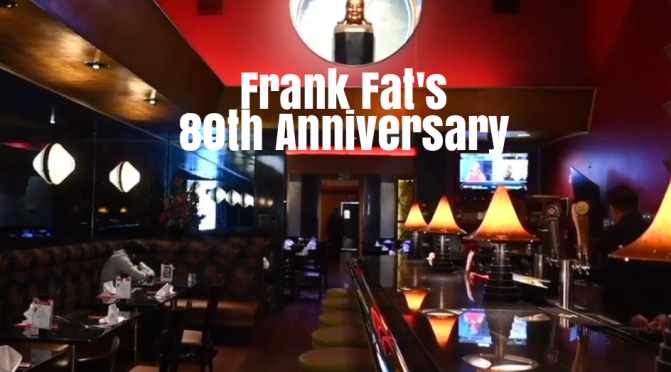
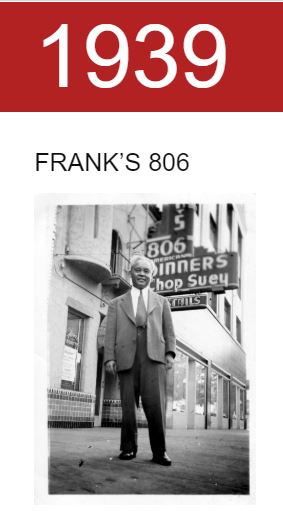 Walk into Frank Fat’s and you’ll find people today of all political stripes, with a love for authentic Chinese food — cuisine that attracted politicians like former Gov. Jerry Brown. As a bachelor governor in the 1970s, he loved to hang out in the kitchen at closing time, where he might find a free meal, according to California State Librarian Greg Lucas.
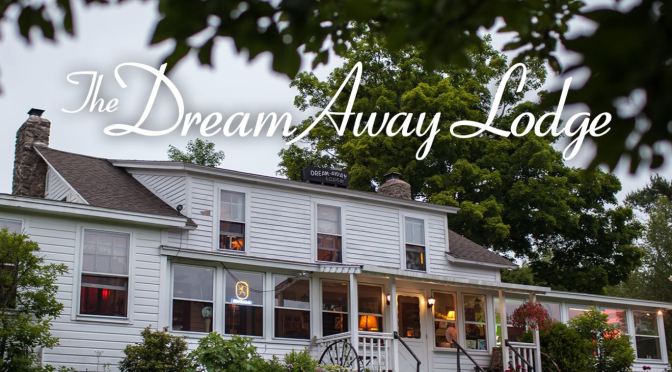
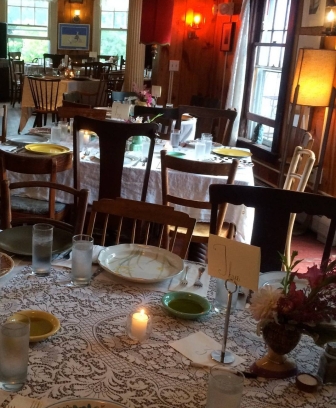 To find the Dream Away Lodge—an eccentric, roadhouse-like restaurant I’d heard whispers about for years—we blind-trusted our GPS to lead us deep into the western Massachusetts woods, down dark lanes where gnarled limbs from tall trees reach to grab at low-floating headlights. The place has long attracted mountain beatniks seeking folk-music hootenannies in its wood-paneled den and enclosed porch, but current owner Daniel Osman, a former theater artist with ties to the Radical Faeries, a global gay-hippies collective, has painted yet another layer onto its long history.
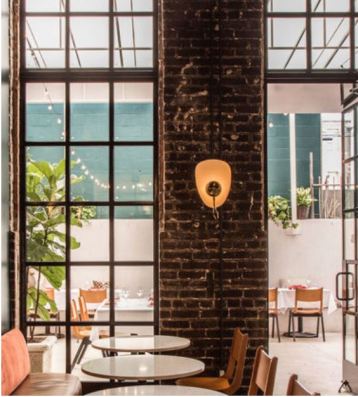 The nine suites at Arts District Firehouse Hotel are intended to capture a “dreamy mix of the elegant and bizarre”. Each is individually designed in layout and colour theme and named accordingly: Red, Orange, Yellow, Green, Blue, Indigo, Violet, White and Black.
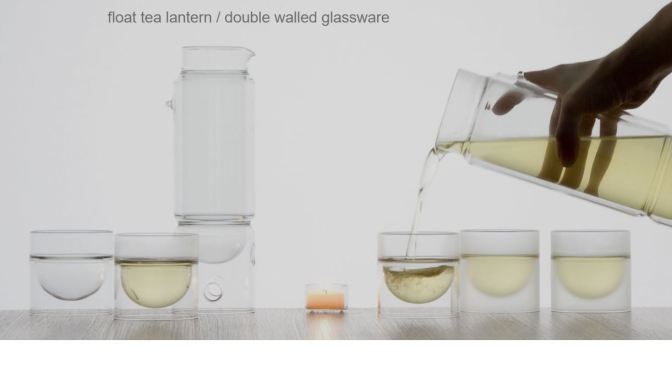
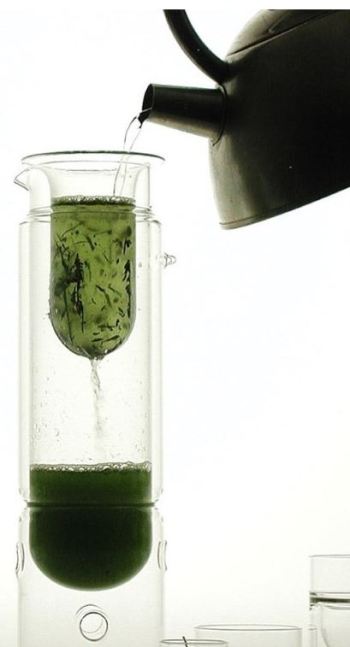 Molo’s Float Tea Lantern presents an absolutely new way of brewing and consuming tea that’s still steeped in tradition. The brewer features a double-wall construction, with enough space below the inner vessel for a tea-light candle to help keep your brew warm. A perforated glass chamber sits atop the ‘kettle’, allowing you to brew green tea as it filters through into the kettle, being heated to consumption temperature by the candle. The double-wall construction proves handy here, allowing you to lift and serve the vessel without feeling its heat, as the outer wall stays conveniently insulated against high temperatures thanks to a constriction in the middle of the kettle’s design.
 If you are among the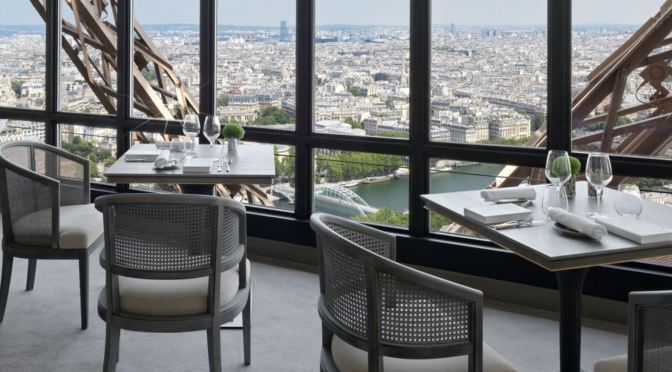
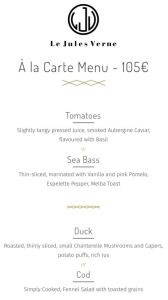 Eating well on the Dame de Fer, a.k.a. the Iron Lady or Eiffel Tower, is tradition. When it first opened in 1889, there were already four restaurants on the first floor, tucked away in wooden pavilions. And to celebrate the landmark’s 130th birthday this year, three-Michelin-starred chef Frédéric Anton (of Le Pré Catelan in the Bois de Boulogne) will take the helm of the City of Light’s highest gastronomic destination, soaring 410 feet above the city.
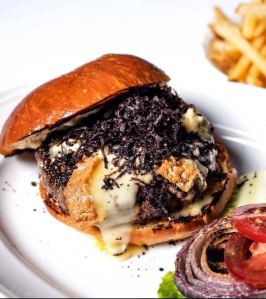 “I was really focused on the idea of a burger, but taking it to the next level in terms of quality and flavor. I wanted to make it this kind of luxurious dining experience,” said Sullivan.
 Boomers Daily