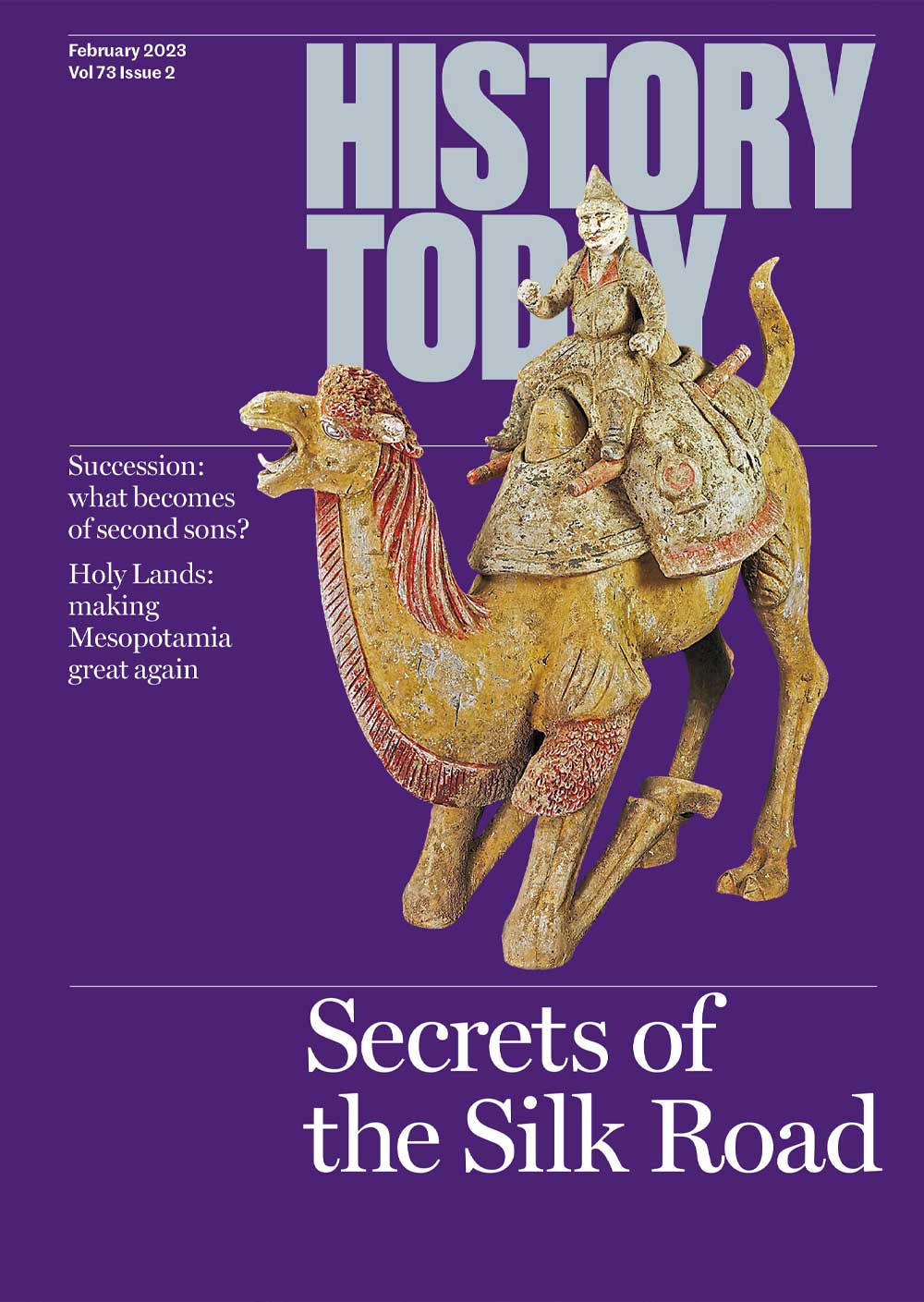
It was not easy to be the second son. The younger brothers of the French kings could choose either to rebel or reconcile, but neither option was straightforward.
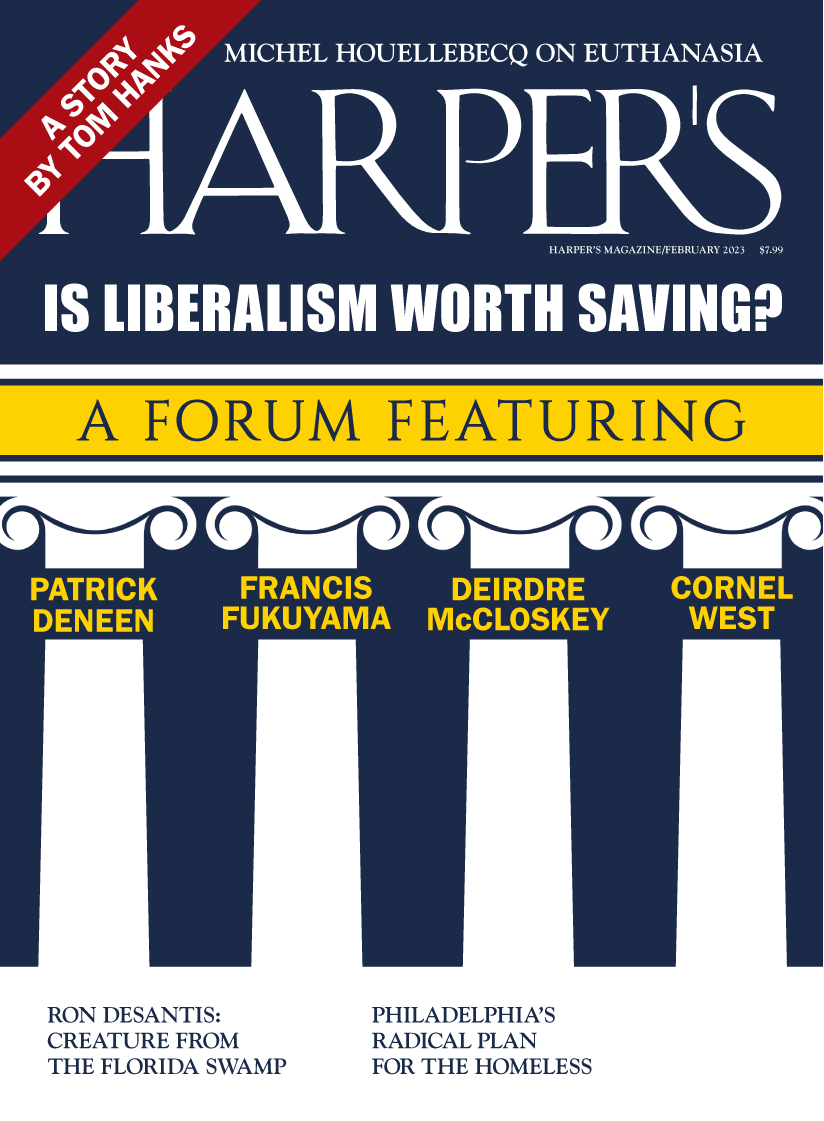
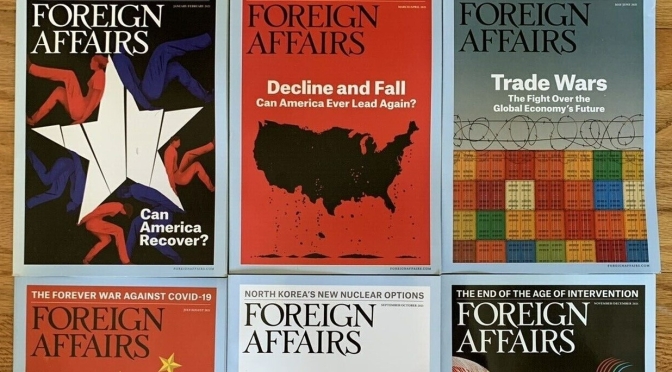
Where once disagreements concerned differing interpretations of liberalism’s demands or balancing liberalism’s conflicting goals of freedom and equality, now populist movements on both the left and the right are challenging the legitimacy of liberalism itself.
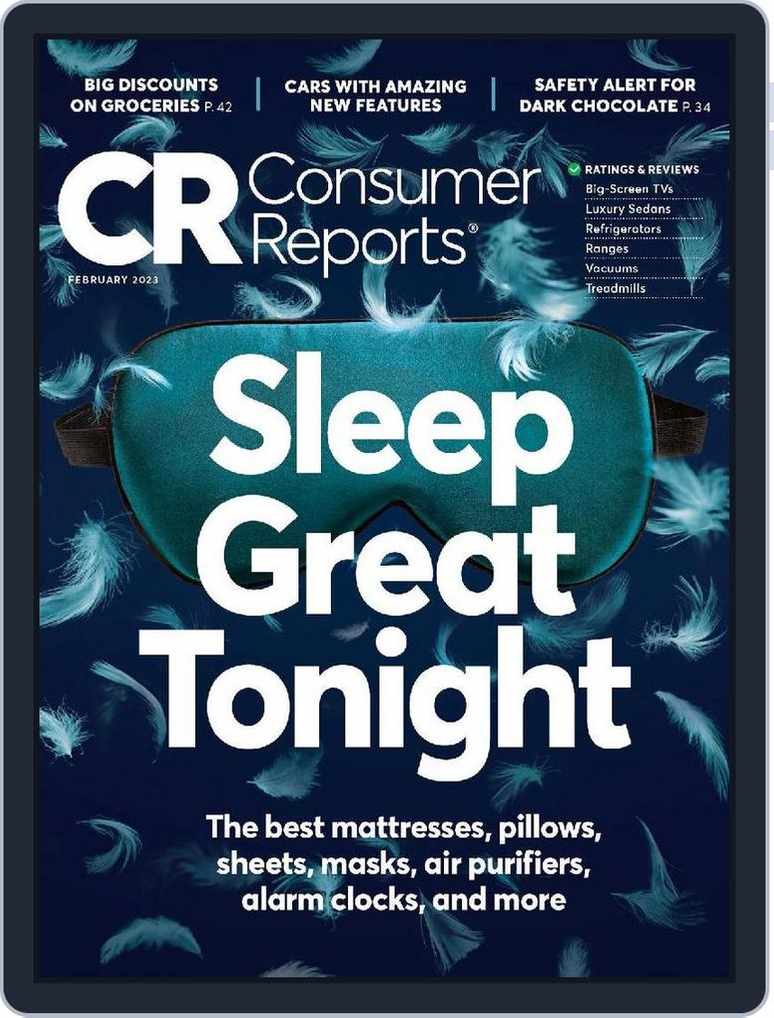
Toss and turn all night? Wake up tired and sore? Our expert advice—and the top mattresses, pillows, and more from our tests—can help you finally rest easy.
Cars you can unlock with your phone, cameras that can see where you can’t, and high beams that turn on by themselves. We’ve got the cool new tech to seek out on your next car.
Consumer Reports found dangerous heavy metals in chocolate from Hershey’s, Theo, Trader Joe’s and other popular brands. Here are the ones that had the most, and some that are safer.
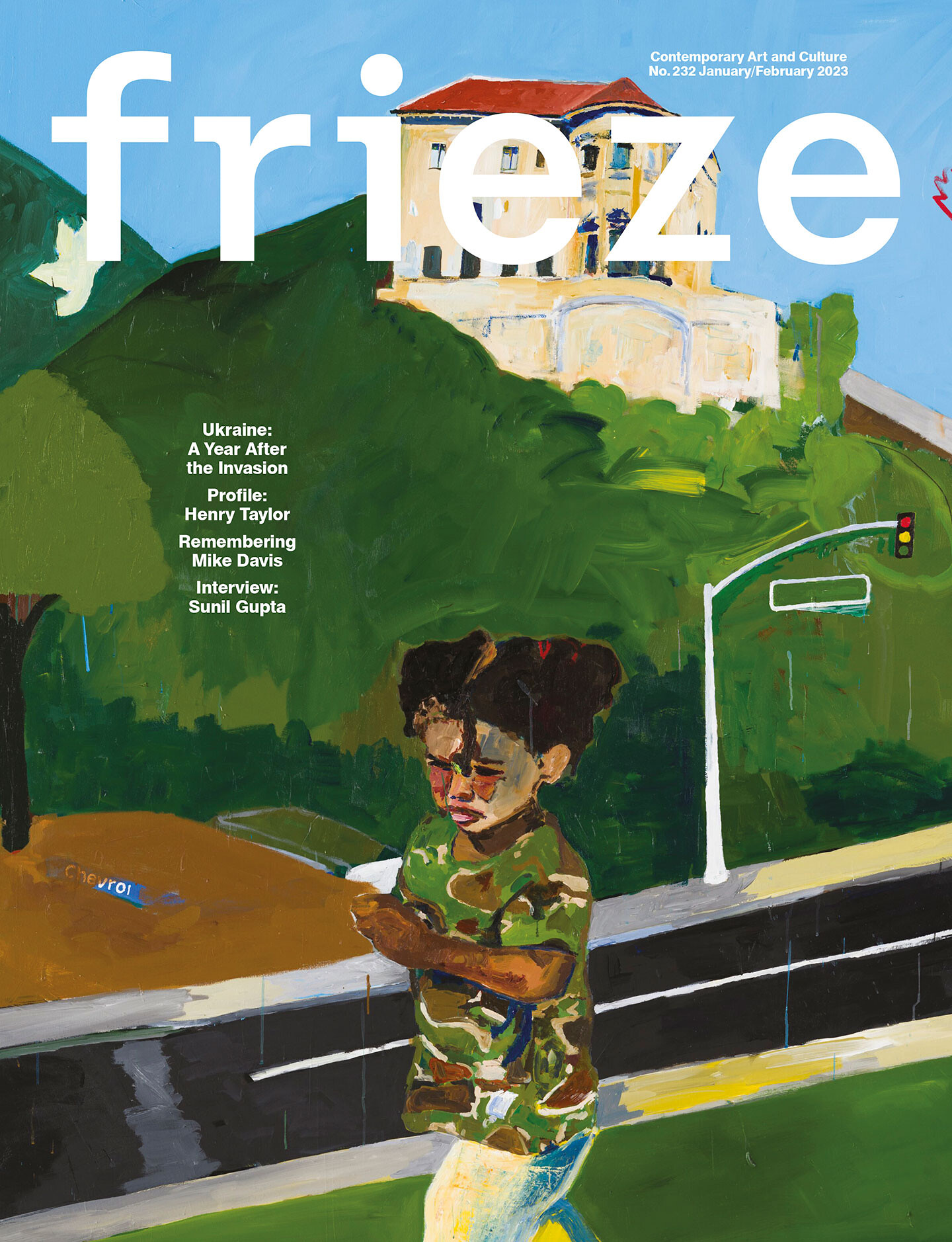
In the January/February issue of frieze, Terence Trouillot profiles artist Henry Taylor ahead of shows at The Fabric Workshop and Museum, Philadelphia, and The Museum of Contemporary Art, Los Angeles. Plus, one year after Russia declared war on Ukraine, artists and writer respond to the crisis in a dossier, including: a personal essay by painter and writer Kateryna Aliinyk; Adam Mazur profiles Taras Gembik, an artist and performer organising picnics to raise money for Ukraine in Warsaw, Poland; Nikita Kadan on what art can mean in a time of war; editor-in-chief Andrew Durbin interviews Olha Honchar, the director of Territory of Terror Museum, which documents war crimes, and the coordinator for the Museum Crisis Center, an organization helping Ukrainian museums rescue their holdings from occupied zones.
Profile: Henry Taylor “I became the observer because I was trying to understand my own life and that’s why I started making pictures. I just like looking at people.” Terence Trouillot considers how Henry Taylors oeuvre goes far beyond the canvas.
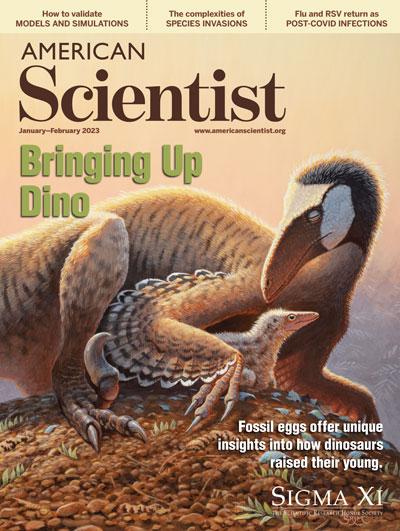
In “A New Picture of Dinosaur Nesting Ecology” (Perspective), paleontologist Daniel T. Ksepka offers an overview of these sweeping advances in his field, showcasing the spectrum of reproductive traits among the dinosaurs, often with surprising mixes of reptilian and avian traits.












 Boomers Daily