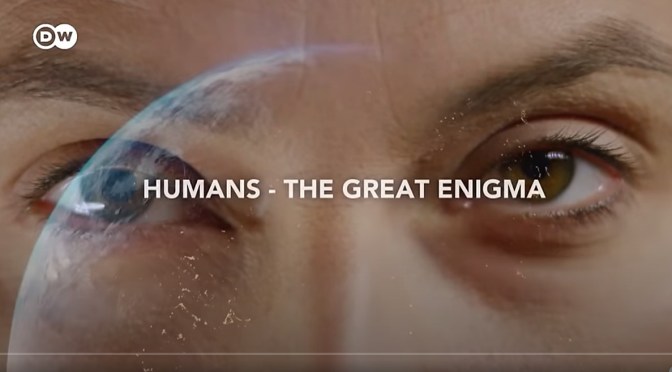
DW Documentary (September 14, 2024): What made our ancestors evolve in such an extraordinary way? This film presents the latest scientific theories on how the human species evolved and looks at the shadow side of our unique abilities.
Some animals see, hear or smell better than humans. Others can find their way in the dark much better than we can. Some can fly. All animals communicate, some have excellent memories and others build complex structures and have highly-developed social skills. So what sets humans apart? Why have humans evolved such highly developed cognitive abilities in comparison to animals?
The documentary sheds light on this major question of human evolution — one of the mysteries that has long puzzled the world of science. What is it that makes humans so fundamentally different from other animal species? And will our extraordinary abilities ultimately lead us to self-destruction?
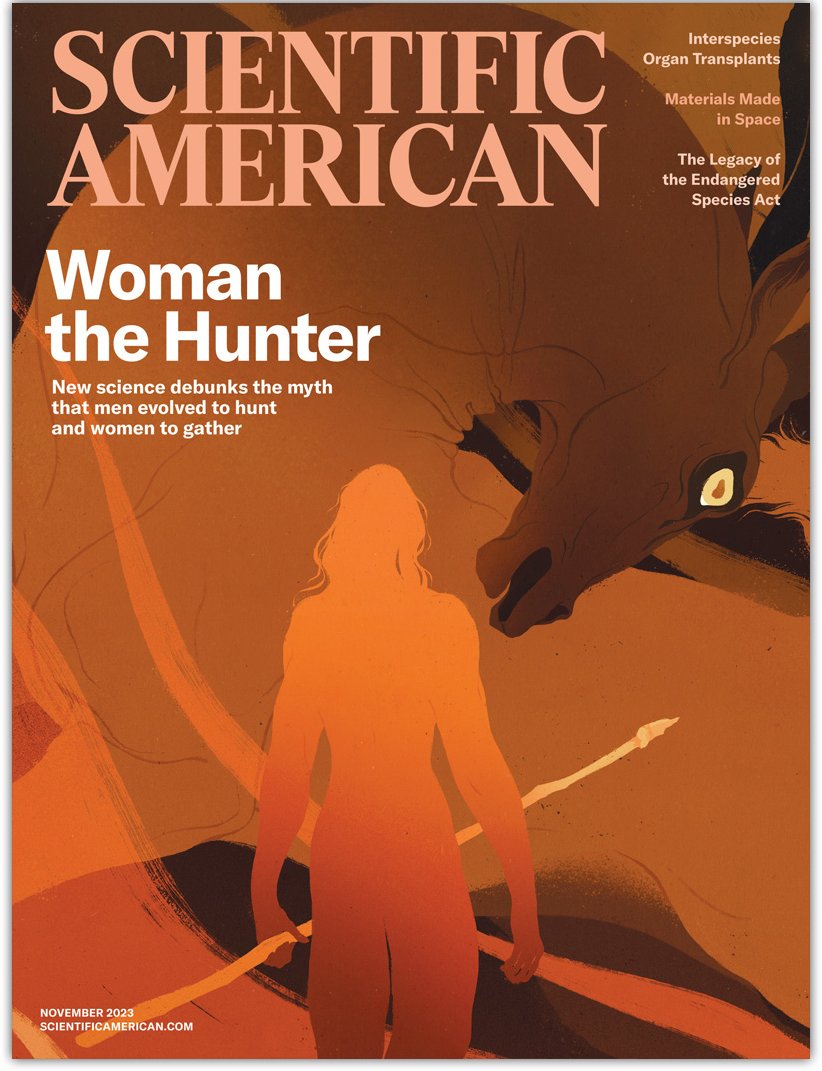
Scientific American – November 2023: The issue features Woman The Hunter – New science debunks the myth that men evolved to hunt and women to gather; Interspecies Organ Transplants; Materials Made in Space; The Legacy of the Endangered Species Act, and more…
The Endangered Species Act requires that every U.S. plant and animal be saved from extinction, but after 50 years, we have to do much more to prevent a biodiversity crisis
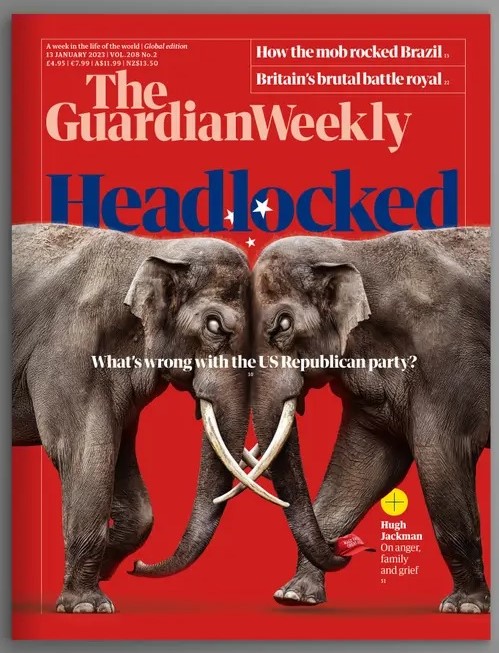
The Guardian Weekly (January 13, 2023) – In Washington, the new Republican majority in the House of Representatives took 15 attempts just to fulfil its primary duty of appointing a speaker. Kevin McCarthy eventually squeaked through by four votes, after quelling a days-long revolt from a bloc of far-right conservatives. But, with a wafer-thin majority, and few powers, Nancy Pelosi’s successor looks set to be one of the weakest speakers in history.
For our big story, Washington bureau chief David Smith examines the chaos within Republican ranks and what it means for the party. It’s a theme picked up for this week’s cover by illustrator Justin Metz, who took the traditionally harmless-looking motif of the Republican elephant and turned it into something altogether more confrontational.
In Brazil, meanwhile, supporters of the former president Jair Bolsonaro stormed congress buildings in scenes eerily reminiscent of Washington on 6 January 2021. Latin America correspondent Tom Phillips reports on a dark day for Brazilian democracy, while Richard Lapper considers the potential fallout for the new president, Luiz Inácio Lula da Silva, and a deeply fractured nation.
There’s a feast of great writing elsewhere in this week’s magazine. British food writer Jack Monroe, who taught us how to eat well on a shoestring, opens up to Simon Hattenstone about her struggles with addiction.
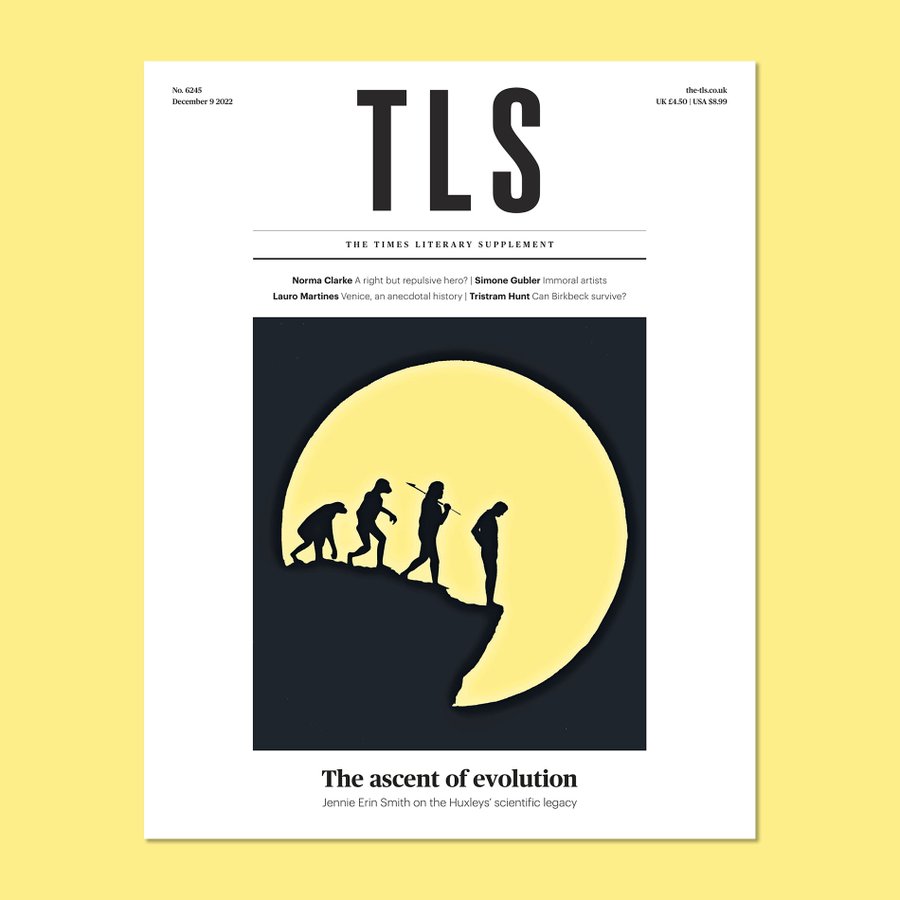
And Chris Stringer, who has received a CBE for his work on human evolution, tells how his remarkable quest as a young researcher transformed understanding of our species.
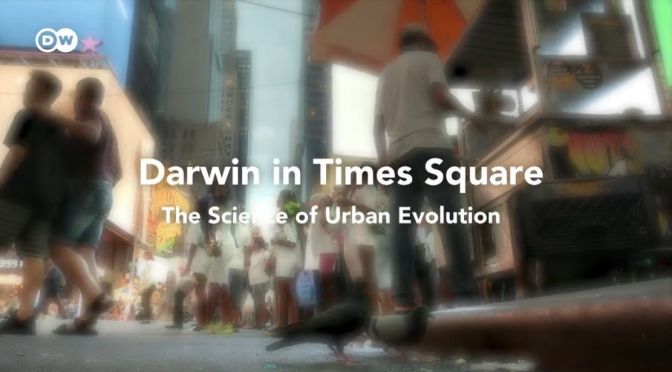
It’s a new and surprising chapter in the theory of evolution. According to recent studies, it’s in our cities, of all places, that animals and plants adapt particularly quickly to changing living conditions.
Nature’s response to the spread of cities is astonishing: Why do catfish in the river of a French city systematically prey on urban pigeons on the banks? Why do female birds on a university campus in California suddenly change their mating behavior? How do mice in New York’s Central Park cope with an altered diet of human food waste? How have killifish in the Atlantic built up resistance to deadly chemical waste?
And, is it possible for moths to adapt to nighttime light pollution? New research provides surprising new insights into Darwin’s theory of evolution. Nowhere else do animals and plants adapt so quickly to new living conditions as in cities. Biologists have long known that animals and plants occupy new habitats in the vicinity of humans.
But now, new genetic analyses show that these adaptations are accompanied by significant changes in DNA. Even more surprising: these evolutionary changes have not occurred over periods of millennia, but within just a few decades. The process has amazed scientists, who watch as nature transforms even our most hostile man-made interventions — pollution, light pollution, noise, garbage and dense development — into creative energy for new adaptations. Some researchers believe that our cities may soon develop their own, brand-new life forms. What are the implications of these developments for the balance between humans and nature on our planet?
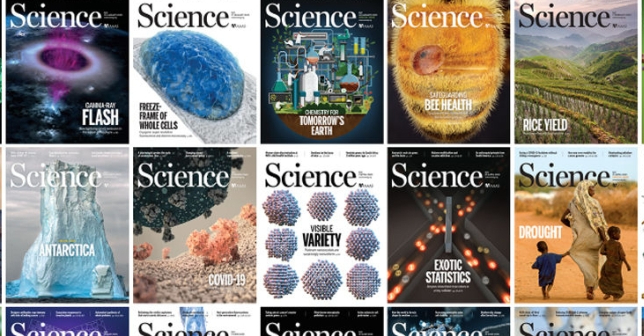
Science in the age of social media, a new model of sex chromosome evolution, and the remarkable architecture underlying the knobby starfish’s strong, light skeleton.
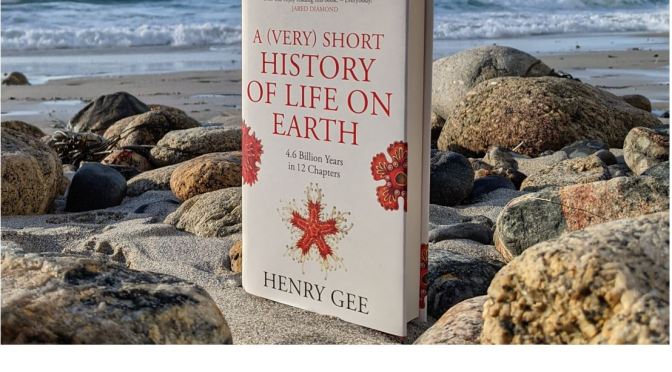
With dramatic flair, a new book tells the 4-billion-year story of life on this planet and how it has been repeatedly shaped by geological, climatic, and atmospheric forces.











 Boomers Daily