
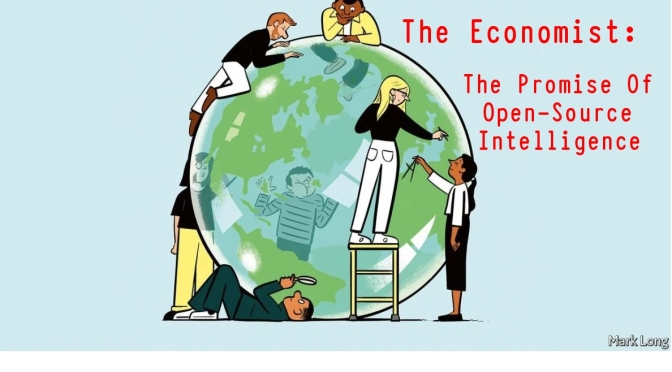
A selection of three essential articles read aloud from the latest issue of The Economist. This week, open-source intelligence comes of age, why regulators should treat stablecoins like banks (10:50) and how predicting viral evolution may let vaccines be prepared in advance (17:00).
Tag Archives: Economics

Analysis: Why Vacation Costs Are Rising (WSJ)
An economy in recovery means finding some rest and relaxation could make a bigger dent in your wallet Experts say price increases reflect an economy on the upswing from pandemic lows, but higher demand has made some vacation essentials harder to come by. We explain why, plus share some strategies to help avoid the sticker shock. Photo illustration: Jacob Reynolds/WSJ

World Affairs: Emerging Markets Growth, Tunisia Turmoil, Ireland Dry Bars
A selection of three essential articles read aloud from the latest issue of The Economist. This week: growth in emerging markets, Tunisia faces a constitutional crisis (9:53) and dry bars of Ireland (16:03)
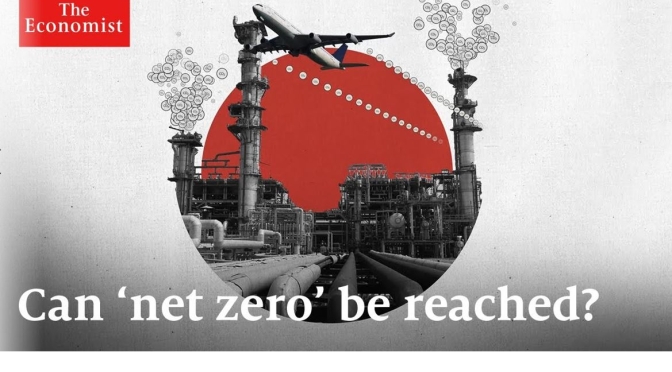
Climate: What Is ‘Net Zero’?
More than 50 countries around the world have pledged to become net zero. But what does net zero actually mean—and is it achievable?
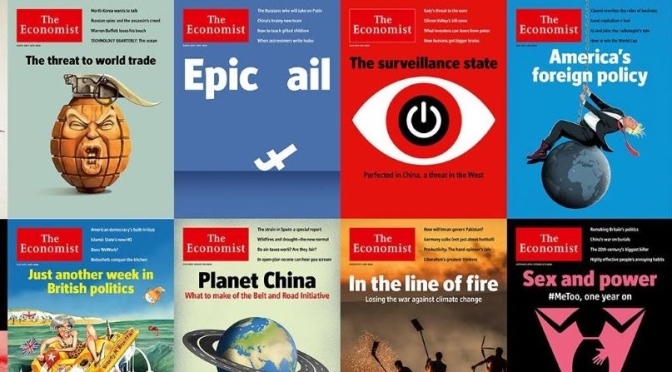
Front Cover Views: The Economist – July 24, 2021
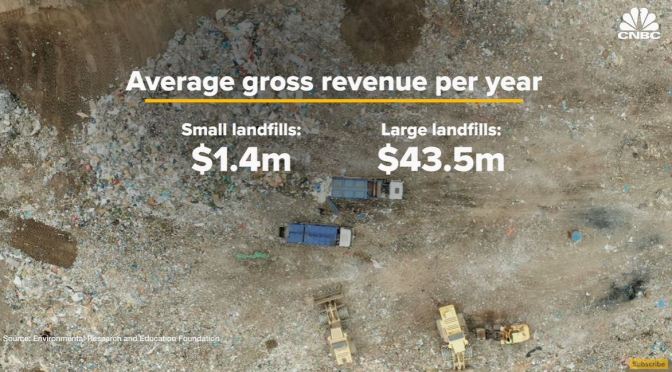
Analysis: How Landfills Make Millions From Trash
In 2019, the North American waste management market reached $208 billion. Thanks to advancements in modern chemistry and support from municipal governments, landfills have seen astonishing financial success in recent years. Private companies like Waste Management and Republic Services now own a majority of landfills across the U.S., their stocks outperforming the market every year since 2014. So how exactly are landfills turning a profit out of garbage and just how much money can be made? Watch the video to find out.

Container Shipping: How Maersk Managed Crisis
The global container business is in chaos. Surging consumer demand, covid outbreaks and a shortage of containers has led to higher volume for ocean carriers and congestion at ports.
Maersk, the world’s largest container shipper, has seen record profits. The Danish shipping firm whose customers include Walmart and Nike announced May 2021 first-quarter revenue of $12.4 billion, a 30% increase from a year earlier. Maersk has a fleet of over 700 ships and handles one in every five containers shipped by sea. The company also owns terminals around the world and has a growing land-based logistics business. On average a Maersk container ship calls on a port somewhere around the globe every six minutes.
Like its competitors the company has faced a series of obstacles in the first half of 2021 ranging from the worldwide shortage of shipping containers to the blockage of the Suez Canal. So, with vaccine rollouts in place in the U.S. and consumer discretionary spending shifting towards services will Maersk and its rivals be able to maintain their momentum? And what do bottlenecks at ports and higher freight rates mean for U.S. consumers? Watch the video to find out what’s next for Maersk.
Employment: Do Hiring Incentives Work? (WSJ)
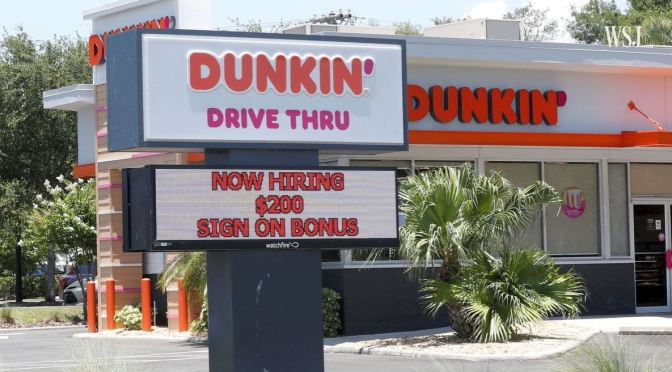
Low-wage work is in high demand, and employers are now competing for applicants, offering incentives ranging from sign-on bonuses to free food. But with many still unemployed, are these offers working? Photo: Bloomberg
Podcast: World Economy Fault Lines, Afghanistan Abandoned, Publishing
A selection of three essential articles read aloud from the latest issue of The Economist. This week, the new fault lines in the world economy, the catastrophic consequences of America abandoning Afghanistan (10:28) and how Mills & Boon, a famed publisher of romantic novels, wants to diversify its hero base (17:30)

Finance: Why The Fed Will Create A Digital Dollar
The Federal Reserve is trying to figure out how to keep cash relevant in a cashless world. It’s considering digitizing the U.S. dollar, giving people money they can access on their phone and bypassing electronic payments that can be slow and costly for businesses. Illustration: Jacob Reynolds/WSJ
 Boomers Daily