Tag Archives: Diet

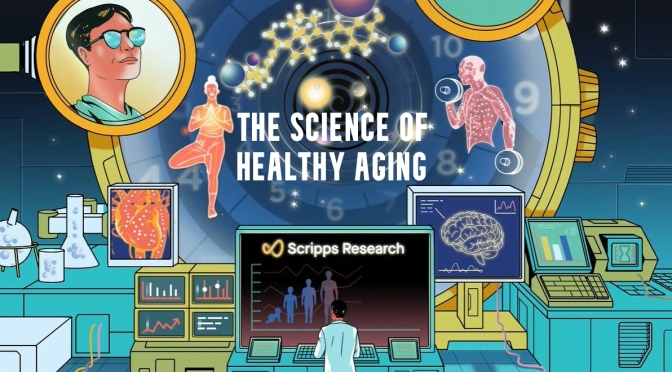
Research: ‘The Science Of Healthy Aging’ (Scripps)

Although growing older comes with a number of major life changes, science can help inform the things we do in the here in and now to forestall the most serious features of the aging self, promoting healthspan and not just lifespan.

Summer 2021
  • Build Muscle – Muscle mass is one the best predictors of health and longevity. Muscle tissue is known to release its own chemicals called myokines, which can have benefits that span cognition, immunity and anti-cancer activity. By performing regular, resistance-based exercise that prioritizes strength, we can delay the loss of bone density and risk of physical injuries.
  • Vitamin D – Commonly known as the sunshine vitamin, vitamin D is in fact a critical hormone that helps maintain healthy bones, boost our immune system and improve our cardiovascular function. With age, the production of vitamin D in the skin can become less efficient, so if we don’t spend enough time outdoors, our risk of vitamin D deficiency may increase.
  • Neurodegenerative Diseases – One of the most unsettling aspects of aging is the potential for neurodegenerative disease. These conditions are increasingly prevalent in those with diabetes, suggesting that the brain’s blood flow and energy supply may be compromised. Research indicates that regular physical exercise, a healthy whole foods diet and staying intellectually active could at least slow the rate of decline.
  • Mindfulness – As we get older, major arteries can become thicker and less flexible, leading to increased blood pressure and undue strain on the heart. A regular mindfulness practice such as yoga or meditation has been shown to stem the release of stress hormones like cortisol and adrenaline. By freeing us from this “fight-or-flight” state, this habit can improve blood flow and reduce the risk of heart attack and stroke.
  • Stay Social – As social animals, maintaining a strong sense of community and close personal relationships into old age are underestimated contributors to longevity. While social isolation in seniors can result in significant physical and mental decline, research suggests that close loved ones offer important emotional support and behavioral modifications that can overcome periods of high stress.
  • Metabolism – “My metabolism is slowing down!” That’s what we often hear, as the aging body becomes less effective at using energy, placing us at risk of obesity and type 2 diabetes. By maintaining our muscle mass and reducing sugar consumption, we can support hormonal health, preserve our metabolism and keep our vitality into those advanced years. As scientists continue to find ways to extend our lives, paying attention to these keys to healthy aging can help increase the quality of those extra years.
Read more

American Diet: The Covid Surge In Snacking (Video)

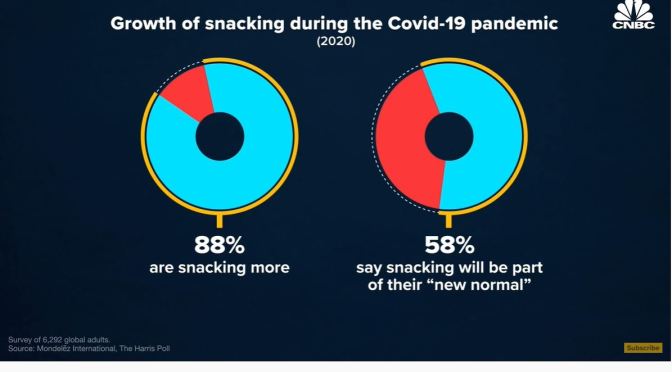
With Americans stuck at home, snack food has become a valuable commodity for the pandemic stressed consumer. North American sales of savory snacks like chips, popcorn, and pretzels climbed to $56.9 billion in 2020. In stressful times, people turn to snacking for comfort and Covid-19 has transformed kitchens across the U.S. into giant vending machines. So, has Covid-19 put an end to the shift to healthier snacks?

Health: ‘Gut Microbiomes – Enabler Of Longer Lives’

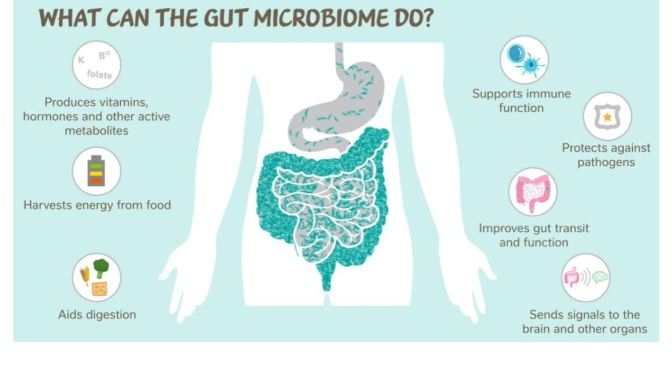
Microbiomes are complex microbial ecosystems, and amongst those found in and on human body, gut microbiome is the most complex. It performs important functions, and is increasingly recognized as a key element influencing long-life health. Specific nutritional components, such as prebiotics and probiotics, can be used to shape healthy gut microbiome. Nestlé Research has made significant contributions in this field for over 30 years.

Health: ‘What Influences Gut Microbiome’ (Video)

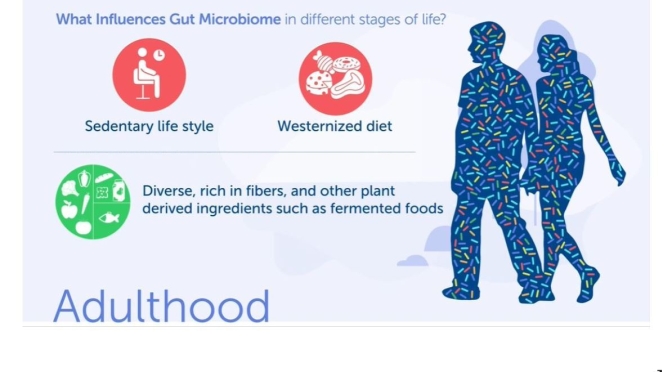
The microbiota is a dynamic community that evolves through the lifetime of an individual, being influenced by multiple factors. Nutrition is essential in the process of establishing a healthy gut microbiome, with a key role of breastfeeding in early months, and important role of diverse diet to stimulate maturation of diverse gut microbiome.

Prebiotics, probiotics and synbiotics are key tools to boost the development of an age-appropriate microbiota and its related benefits, like healthy immune development and a basis for a resilient microbiota throughout life.

Anaylysis: Is Obesity Driven By Food Industry Profits & Low Prices? (Video)

Marion Nestle, Goddard Professor in the Department of Nutrition at New York University, discusses the U.S. food industry being in a highly competitive environment where profits are paramount and public health is not a priority.

Health: ‘Top Five Diets’ Ranked – “Keep It Simple”

January 6, 2021

Every year, as millions of people around the world forge new resolutions to eat healthier and lose weight, US News & World Report releases a conveniently timed ranking of the best diets. A panel of experts in obesity, nutrition, diabetes, heart disease, and food psychology rigorously rate each of 39 diets on seven criteria:

  • Likelihood of losing significant weight in the first 12 months
  • Likelihood of losing significant weight over two years or more
  • Effectiveness for preventing diabetes (or as a maintenance diet)
  • Effectiveness for preventing heart disease (or for reducing risk for heart patients)
  • How easy it is to follow
  • Nutritional completeness
  • Health risks (like malnourishment, too-rapid weight loss, or specific nutrient deficiencies)

1. Mediterranean diet

Emphasis on fruits, veggies, whole grains, olive oil, beans, nuts, legumes, fish and other seafood. Eggs, cheese, and yogurt can be eaten in moderation. Keep red meats and sugar as treats.

2. DASH (dietary approaches to stop hypertension) diet — TIE

Eat lots of fruits, veggies, lean protein, whole grains, and low-fat dairy. Avoid saturated fats and sugar.

2. Flexitarian diet — TIE

Be a vegetarian most of the time. Swap in beans, peas, or eggs for meats, and consume plenty of fruits, veggies, and whole grains. You can look up more details because there’s actually a full meal plan involving breakfast, lunch, dinner, and two snacks to add up to a total 1500 calories per day. But feel free to also just swap in flexitarian meals ad hoc.

4. Weight Watchers

The first actual paid program on the list, WW uses a points system to guide dieters towards foods lower in sugar, saturated fat, and overall calories while consuming slightly more protein. There are a variety of paid WW plans, with the lowest being about $20 per month.

5. Mayo Clinic diet — TIE

A two-part system, with part one (‘Lose it!’) involving adding a healthy breakfast (i.e. fruits, veggies, whole grains, healthy fats) plus 30 minutes of exercise per day. You’re not allowed to eat while watching TV or consume sugar except what’s naturally found in fruit. Meat is only allowed in limited quantities, as is full-fat dairy. The second phase (‘Live it!’) is basically the first phase but with more flexibility. You aren’t realistically going to cut out sugar forever, and the Mayo Clinic diet acknowledges that. So the long term plan involves lots of whole grains, fruits, veggies, and healthy fats. Less saturated fats and sugar.

Read more