
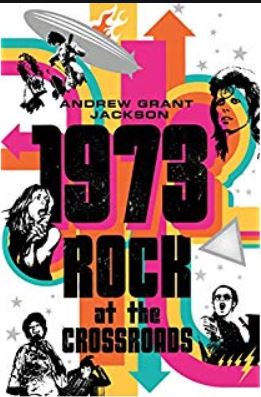
 Led Zep’s Houses of the Holy reflected the rise of funk and reggae. The singer songwriter movement led by Bob Dylan, Neil Young, and Joni Mitchell flourished at the Troubadour and Max’s Kansas City, where Bruce Springsteen and Bob Marley shared bill. Elvis Presley’s Aloha from Hawaii via Satellite was NBC’s top-rated special of the year, while Elton John’s albums dominated the number one spot for two and a half months.
A fascinating account of the music and epic social change of 1973, a defining year for David Bowie, Bruce Springsteen, Pink Floyd, Elton John, the Rolling Stones, Eagles, Elvis Presley, and the former members of The Beatles.
1973 was the year rock hit its peak while splintering―just like the rest of the world. Ziggy Stardust travelled to America in David Bowie’s Aladdin Sane. The Dark Side of the Moon began its epic run on the Billboard charts, inspired by the madness of Pink Floyd’s founder, while all four former Beatles scored top ten albums, two hitting #1.
To read more and purchase: https://www.amazon.com/1973-Crossroads-Andrew-Grant-Jackson/dp/1250299985


 An infinite number of things happen; we bring structure and meaning to the world by making art and telling stories about it. Every work of literature created by human beings comes out of an historical and cultural context, and drawing connections between art and its context can be illuminating for both. Today’s guest, Stephen Greenblatt, is one of the world’s most celebrated literary scholars, famous for helping to establish the New
 Historicism school of criticism, which he also refers to as “cultural poetics.” We talk about how art becomes entangled with the politics of its day, and how we can learn about ourselves and other cultures by engaging with stories and their milieu.
 Copenhagen’s legendary bicycle setup has been propelled by all of these aspirations, but the critical element is the simplest: People here eagerly use their bicycles — in any weather, carrying the young, the infirm, the elderly and
 Scientists believe they have located the ancestral home of one of humanity’s early ancestors—in northern Botswana. Tom Siebel, a Silicon Valley veteran and the founder of C3.ai, explains how digital transformation stops companies from going extinct. And, host Kenneth Cukier takes a trip to the Natural History Museum in London to learn about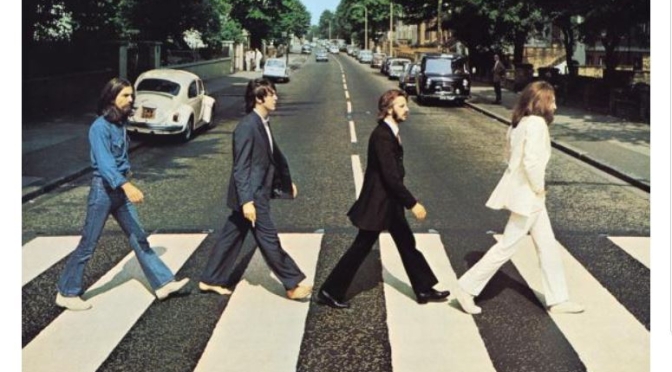
 “Abbey Road” was the Beatles’ last word—the final recordings by the most popular and influential artists of the nineteen-sixties. Now, on the occasion of its fiftieth anniversary, “Abbey Road” has been expertly remixed by Giles Martin, George Martin’s son and protégé, and reissued in a super-deluxe edition that comes with an archive of studio outtakes and a hundred-page book of essays and liner notes that chronicle how the recordings were made. “The Beatles are good even though everybody already knows that they’re good,” the classical composer Ned Rorem observed in 1968, alluding to how the band’s immense popularity confounded the usual notions of discriminating taste. If anyone needs to be reminded of this, this new edition of “Abbey Road” should do the trick.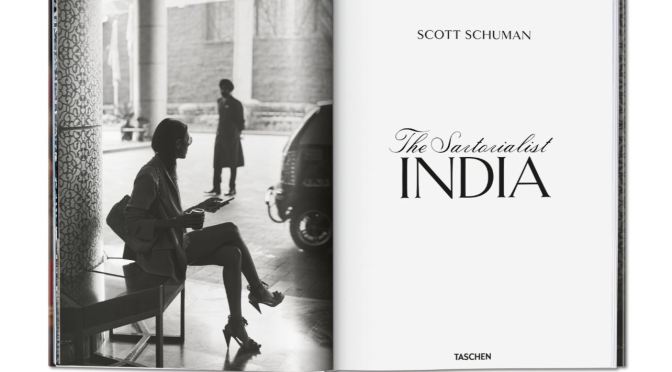
 I wanted this book to be a bit different. It’s not an encyclopaedia of India, but I really tried to go to a lot of different places and photograph whatever I saw that I thought seemed really visually intriguing. I went to music festivals, sporting events, wrestling…and there’s cricket and horse racing in this book too. There’s fashion week, and then small villages in Odisha. As a photographer, if you’re picky like I am, I didn’t want to just include say, a horse racing photograph, but I wanted to put myself in that position, and if I came up with something good, that would be great. I just wanted to try and put myself in a lot of different positions to see different elements of India.
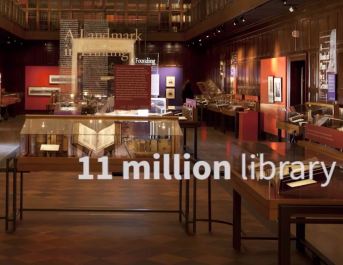 The Huntington’s
 More than 1,600 museums nationwide will be opening their doors for free on Sept. 21 in honor of Museum Day.
 Boomers Daily