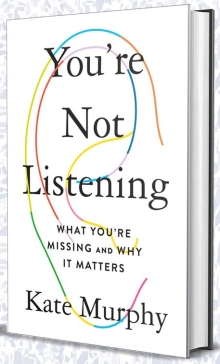
 “When you listen and really grasp what another person is saying, your brainwaves and those of the speaker are literally in sync. By looking at brain scans, neuroscientists have found that the greater overlap and similarity of neural impulses between speaker and listener, the greater the understanding. It’s observable, measurable proof of listening, comprehension, and connection. You know it’s happening when you have that “Oh I get it” moment or sense of clarity when someone else is talking. You’re on the same wavelength, even if you don’t necessarily agree.”
In her new book You’re Not Listening, Kate Murphy draws attention to the worldwide epidemic of not listening, exposing the profound impact that it is having on us all and showing what we can do about it.
In this always illuminating and often humorous deep dive, Murphy explains why we’re not listening, what it’s doing to us, and how we can reverse the trend. She makes accessible the psychology, neuroscience, and sociology of listening while also introducing us to some of the best listeners out there (including a CIA agent, focus group moderator, bartender, radio producer, and top furniture salesman). Equal parts cultural observation, scientific exploration, and rousing call to action that’s full of practical advice, You’re Not Listening is to listening what Susan Cain’s Quiet was to introversion. It’s time to stop talking and start listening.
Read more or purchase


 Our Lisbon travel guide! What a treat this city is. Lisbon, and indeed much of Portugal, is a traveler’s dream come true. Easy to navigate, effortlessly enjoyable, endlessly delicious. Lisbon is a city that I could definitely live in…and I don’t say that often.

 Monocle 24 “The Urbanist” discusses the impact that quarantines can have on cities and what lessons city planners can learn when an outbreak causes borders to close. Here is a report from the ground on the changing nature of city life in Milan.

 This week on the podcast, Contributing Correspondent Lizzie Wade joins host Sarah Crespi to discuss a turning point for one ancient Mesoamerican city: Tikal. On 16 January 378 C.E., the Maya city lost its leader and the replacement may have been a stranger. We know from writings that the new leader wore the garb of another culture—the Teotihuacan—who lived in a giant city 1000 kilometers away.
 We visit a Kengo Kuma-designed art museum in Eskisehir that’s set to become Turkey’s new cultural hotspot.
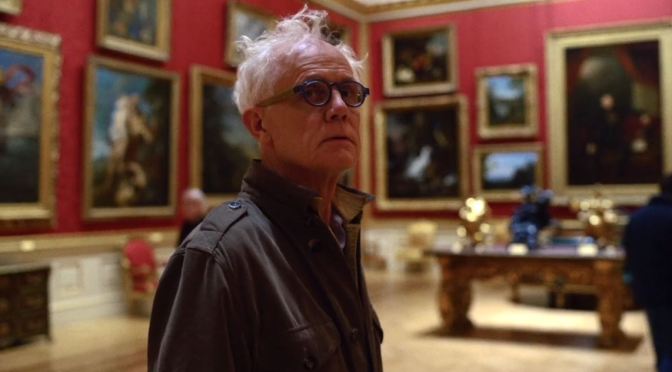


 St. Moritz also takes readers on a majestic tour of its special events, from Winter Olympics to the annual Snow Polo World Cup, as well as the summertime Jazz Festival and the British Classic Car Meeting. In St. Moritz creatives and royals share skiwassers slope-side on the sheepskin benches of El Paradiso, pause to sip champagne on long strolls around its frozen, crystalline lake and enjoy coffee and confections at the centuries old Hanselmann. St. Moritz has never lost its inimitable appeal, and will continue to reign as an elegant hideaway for all those who have come to call it a home away from home.
 Boomers Daily