
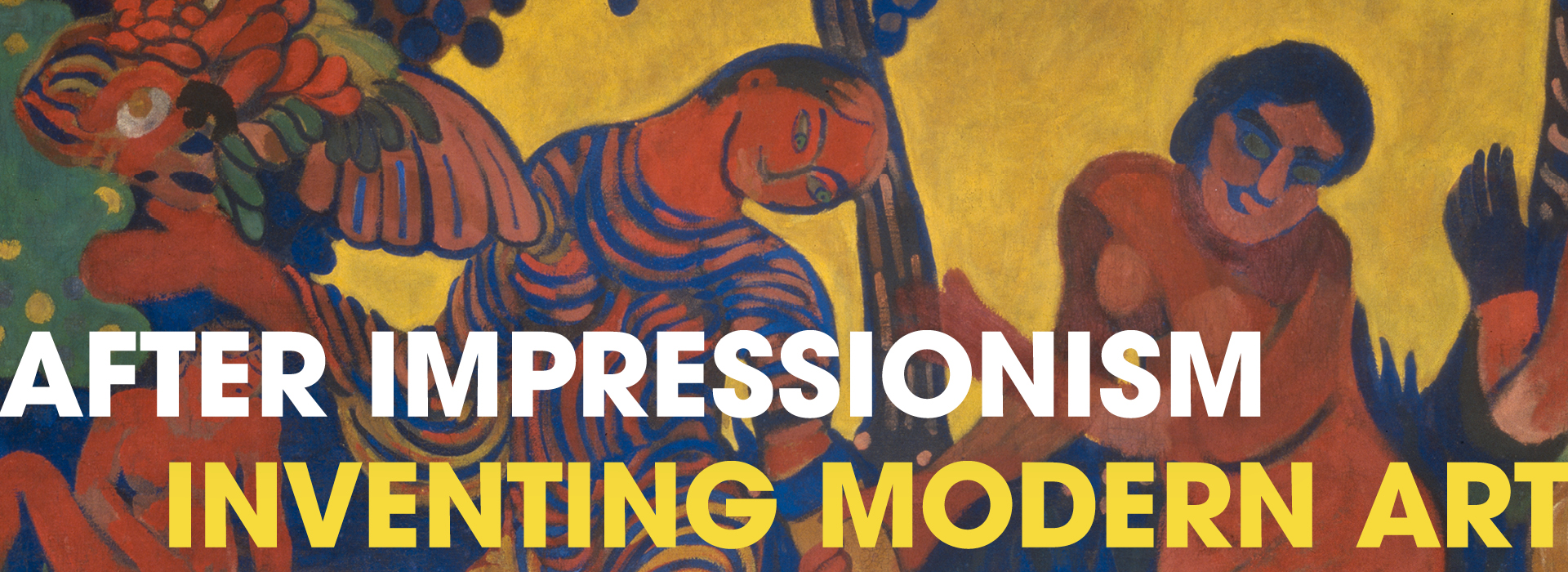
Explore a period of great upheaval when artists broke with established tradition and laid the foundations for the art of the 20th and the 21st centuries.

Explore a period of great upheaval when artists broke with established tradition and laid the foundations for the art of the 20th and the 21st centuries.

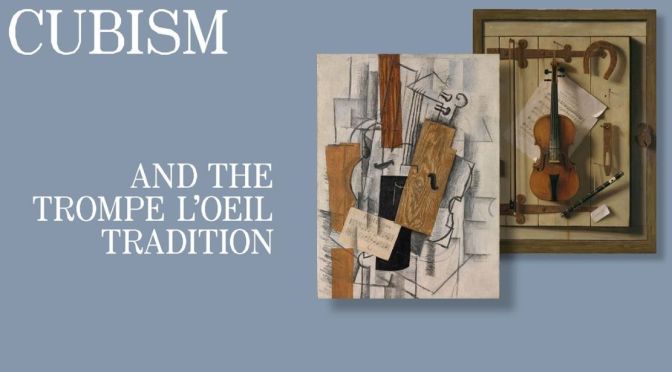
A self-referential art concerned with the nature of representation, trompe l’oeil (“deceive the eye”) beguiles the viewer with perceptual and psychological games that complicate definitions of truth and fiction. Along with Cubist paintings, sculptures, and collages, the exhibition presents canonical examples of European and American trompe l’oeil painting from the seventeenth through the nineteenth centuries.
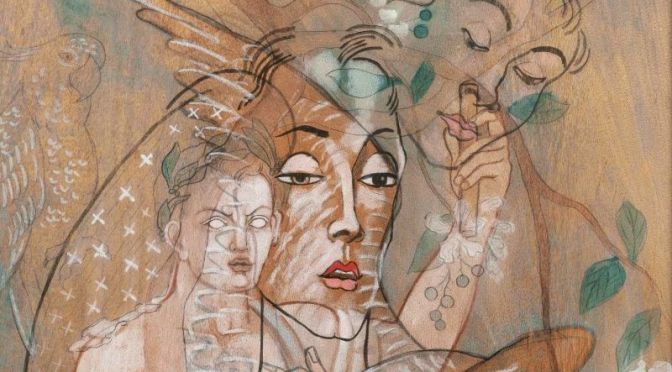
Master Surrealist Francis Picabia created complex-dream like paintings for his series, “Transparencies”. In this episode of Anatomy of an Artwork, discover the hidden inspirations for his painting, Minos, and learn about the meaning behind each transparent layer.
Francis Picabia (1879 – 1953) was a French avant-garde painter, poet and typographist. After experimenting with Impressionism and Pointillism, Picabia became associated with Cubism. His highly abstract planar compositions were colourful and rich in contrasts.
Three Musicians, 1921 by Pablo Picasso Three Musicians is a large painting measuring more than 2 meters wide and high. It is painted in the style of Synthetic Cubism and gives the appearance of cut paper. Picasso paints three musicians made of flat, brightly colored, abstract shapes in a shallow, boxlike room.
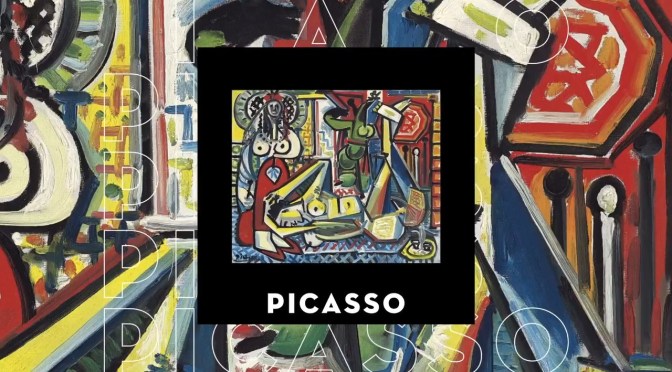
 Between 13 December 1954 and 14 February 1955, Picasso painted a series of fifteen canvases based on Eugène Delacroix’s masterwork Les femmes d’Alger, each of which he assigned an identifying letter from A to O. Together, these paintings constitute Picasso’s single greatest achievement in the decades following the end of the Second World War. They represent his first comprehensive appropriation and thoroughgoing exploration of an important painting by an earlier artist, as well as the most focused analysis he had done since the war years of the female figure set within a specific spatial environment.
Picasso painted the present Femmes d’Alger, Version F on 17 January 1955, around the halfway point in the cycle. It is the culminating, most fully resolved canvas from the first phase of the series, when Picasso favored medium-sized formats for his protean explorations.

 Boomers Daily