A bar in the Swiss Alps. A megachurch in South Korea. Scientists are focusing on certain superspreading events that might be responsible for an outsized portion of coronavirus cases.
Bojan Pancevski explains how this understanding could be key to reopening.
The first results from vaccine trials are in and they are encouraging, but scientists are still urging caution. We hear the lowdown on the types of vaccines being developed and what hope there is of rolling them out any time soon.
01:38 Trump vs the WHO
President Trump has given the WHO an ultimatum in a tweet, threatening to pull out of the organisation within 30 days unless unclear demands are met. We discuss what this means for the pandemic, the USA and the future of international health cooperation
12:06 Where are we with vaccines?
The first results from vaccine trials are in and they are encouraging, but scientists are still urging caution. We hear the lowdown on the types of vaccines being developed and what hope there is of rolling them out any time soon.
Our hosts pick out things that have made them smile in the last week, including hopeful antibody research, at-home sketch comedy and printable board games.
Interview with Dr. Nicole Lurie on rapid vaccine development, including new tools to facilitate vaccine testing and manufacturing and persistent challenges.
The need to rapidly develop a vaccine against SARS-CoV-2 comes at a time of explosion in basic scientific understanding, including in areas such as genomics and structural biology, that is supporting a new era in vaccine development. Over the past decade, the scientific community and the vaccine industry have been asked to respond urgently to epidemics of H1N1 influenza, Ebola, Zika, and now SARS-CoV-2. An H1N1 influenza vaccine was developed relatively rapidly, largely because influenza-vaccine technology was well developed and key regulators had previously decided that vaccines made using egg- and cell-based platforms could be licensed under the rules used for a strain change. Although a monovalent H1N1 vaccine was not available before the pandemic peaked in the Northern Hemisphere, it was available soon afterward as a stand-alone vaccine and was ultimately incorporated into commercially available seasonal influenza vaccines.
Nicole Lurie is a strategic advisor to the CEO of the Coalition for Epidemic Preparedness Innovations. Stephen Morrissey, the interviewer, is the Executive Managing Editor of the Journal.
Online News Editor David Grimm talks with producer Joel Goldberg about the unique challenges of reopening labs amid the coronavirus pandemic. Though the chance to resume research may instill a sense of hope, new policies around physical distancing and access to facilities threaten to derail studies—and even careers.
Despite all the uncertainty, the crisis could result in new approaches that ultimately benefit the scientific community and the world. Also this week, Joel Podgorski, a senior scientist in the Water Resources and Drinking Water Department at the Swiss Federal Institute of Aquatic Science and Technology, joins host Sarah Crespi to discuss the global threat of arsenic in drinking water. Arsenic is basically present in all rocks in minute amounts. Under the right conditions it can leach into groundwater and poison drinking water. Without a noticeable taste or smell, arsenic contamination can go undetected for years. The paper, published in Science, estimates that more than 100 million people are at risk of drinking arsenic-contaminated water and provides a guide for the most important places to test.
Predicting the path ahead has become nearly impossible, but we can speculate about the size and scale of the economic shock. Economic contagion is now spreading as fast as Covid-19 itself. Social distancing, intended to physically disrupt the spread, has severed the flow of goods and people, stalled economies, and is in the process of delivering a global recession.
Predicting the path ahead has become nearly impossible, as multiple dimensions of the crisis are unprecedented and unknowable. Pressing questions include the path of the shock and recovery, whether economies will be able to return to their pre-shock output levels and growth rates, and whether there will be any structural legacy from the coronavirus crisis.
This Explainer explores several scenarios to model the size and scale of the economic shock and the path ahead.
Based on the HBR article by Philipp Carlsson-Szlezak, Martin Reeves and Paul Swartz
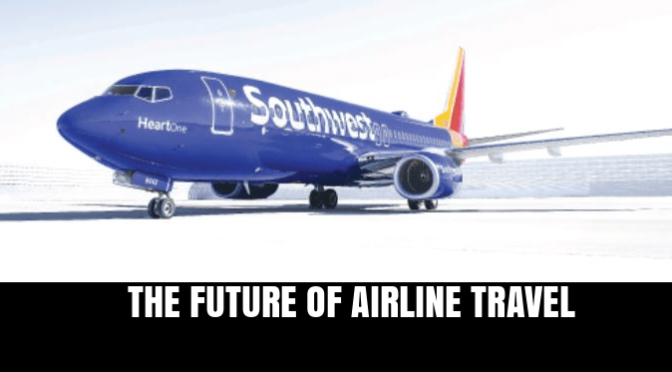
Airlines have strained to survive after travel dried up because of the coronavirus pandemic. WSJ’s Alison Sider explains how airlines are adjusting, and the CEO of Southwest Airlines paints a picture of what the future of flying might look like.
Composer: Rowan Spencer
Sound Designer: Rafal Smolen
Director of Photography: Soren Nielsen
“A City, Paused” is a personal project that Taylor Antisdel and I have been working on throughout this quarantine. It’s our attempt to portray the feeling of being in New York City over the past two months.
A selection of three essential articles read aloud from the latest issue of The Economist. This week, has covid-19 killed globalisation? Why the European Union is having a bad crisis (10:55) and how Mike Pompeo is confusing leadership with bashing his opponents (19:20). Zanny Minton Beddoes hosts.
Colin Cowherd talks with Dr. Patrick Soon-Shiong who is not only a Doctor helping to fight Covid-19 but also owns the LA Times and is a minority owner of the Lakers. Dr. Shiong talks about the things we are learning about the disease and why it is so much more dangerous than previous pandemics.
Dr Patrick Soon-Shiong is a South African-American billionaire surgeon, businessman, media mogul, and bioscientist. He is the inventor of the drug Abraxane, which became known for its efficacy against lung, breast, and pancreatic cancer.


 A bar in the Swiss Alps. A megachurch in South Korea. Scientists are focusing on certain superspreading events that might be responsible for an outsized portion of coronavirus cases.
 The first results from vaccine trials are in and they are encouraging, but scientists are still urging caution. We hear the lowdown on the types of vaccines being developed and what hope there is of rolling them out any time soon.
 Interview with Dr. Nicole Lurie on rapid vaccine development, including new tools to facilitate vaccine testing and manufacturing and persistent challenges.
 Online News Editor David Grimm talks with producer Joel Goldberg about the unique challenges of reopening labs amid the coronavirus pandemic. Though the chance to resume research may instill a sense of hope, new policies around physical distancing and access to facilities threaten to derail studies—and even careers.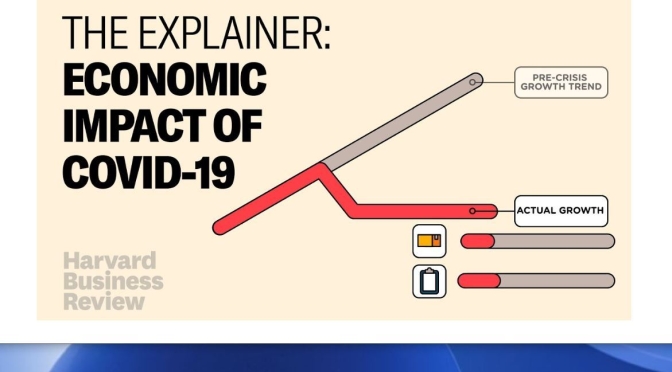

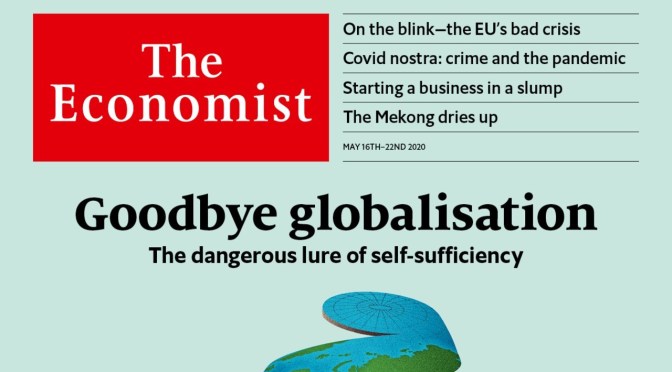
 A selection of three essential articles read aloud from the latest issue of The Economist. This week, has
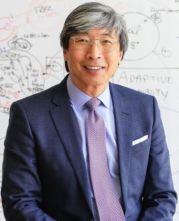 Colin Cowherd talks with Dr. Patrick Soon-Shiong who is not only a Doctor helping to fight Covid-19 but also owns the LA Times and is a minority owner of the Lakers. Dr. Shiong talks about the things we are learning about the disease and why it is so much more dangerous than previous pandemics.
 Boomers Daily