

Mining companies and governments will soon be allowed to extract minerals from the deep-ocean floor. These rare metals are vital for a more environmentally sustainable future on land, but at what cost to the health of the ocean?
Tag Archives: Conservation
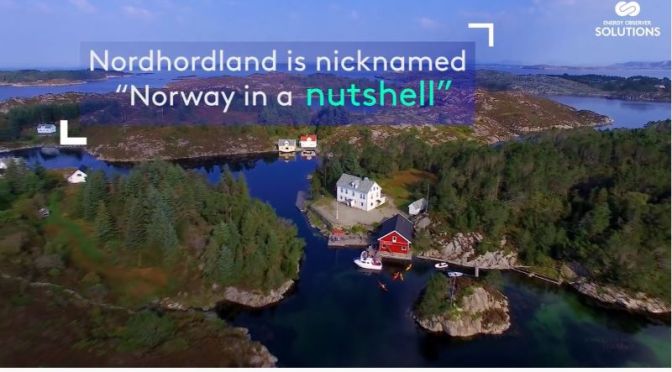
Travel & Nature Videos: ‘Nordhorland – Norway’s Only UNESCO Biosphere’
In western Norway, the Nordhordland region is the only UNESCO Biosphere Reserve in Norway. This site of more than 600,000 hectares between sea and fjords promotes sustainable development, combining economic activity and protection of biodiversity.
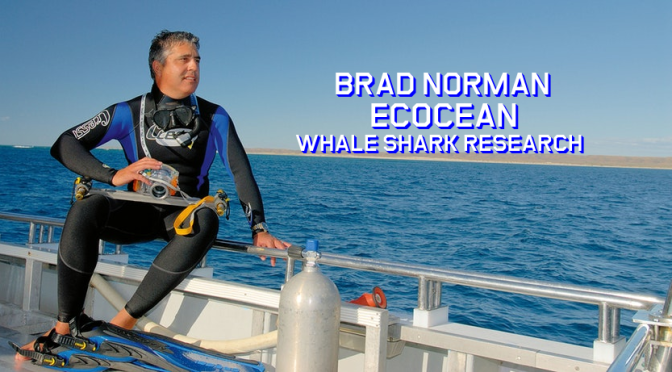
New Podcast Interviews: Whale Shark Scientist Brad Norman – “Ecocean”

The whale shark is the largest fish in the world, recognisable by its celestial markings. Australian scientist Brad Norman has been tracking this elusive and endangered creature by using technology designed to study stars, as well as images collected through ecotourism.
ECOCEAN (Australia) is a globally recognised, non-government, not-for-profit organization based in Western Australia working towards scientific research, education and conservation of the marine environment. It’s flagship species, the whale shark, is an iconic animal for marine conservation being the world’s largest fish.

ECOCEAN (Australia) was founded in 1995 by marine conservation biologist Brad Norman and was incorporated in 2006. Brad also helped in the establishment of the partner organisation WildMe (USA) who manage the global whale shark photo-identification library – Wildbook.
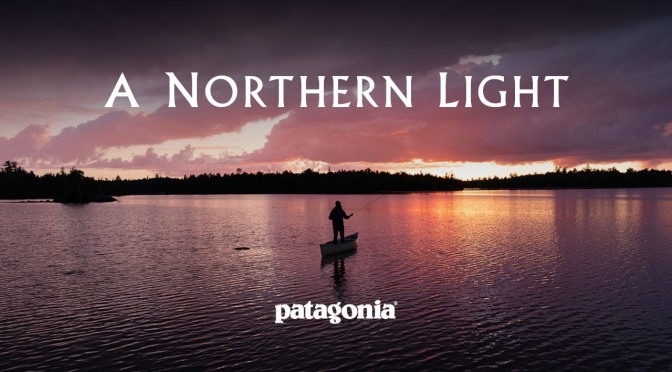
Travel Video: “A Northern Light”, Boundary Waters Canoe Area (Patagonia)
Encompassing over 1,000,000 acres, the Boundary Waters Canoe Area Wilderness is in peril from a proposed toxic copper mine on the park’s boundary. Patagonia ambassador Nathaniel Riverhorse Nakadate paddles through the BWCAW to give voice to a silent, pristine place. A film by Riverhorse Nakadate and Tony Czech.
The Boundary Waters Canoe Area Wilderness, is a 1,090,000-acre wilderness area within the Superior National Forest in northeastern part of the US state of Minnesota under the administration of the U.S. Forest Service.
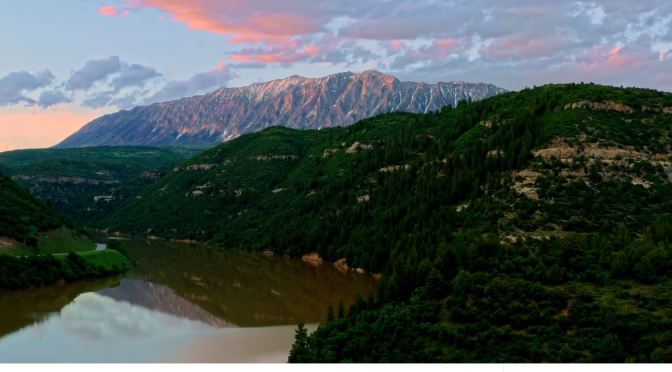
Travel & Conservation: “Bound By The River – Colorado River” (Video)
Filmed and Edited by: Vital Films
For more than 80 years, the Colorado River District has been working to safeguard Western Colorado’s water resources for agriculture, recreation, industry and the environment.
From the Continental Divide to the Utah border, the Colorado River District serves more than 500,000 West Slope citizens and covers approximately 29,000 square miles – nearly one-third of the state’s total land mass.
Approximately 70% of the Colorado River’s natural flow originates on Colorado’s Western Slope.
Visit ColoradoRiverDistrict.org to learn more.
Conservation: “How To Increase Water Efficiency At Home” (NatGeo Video)
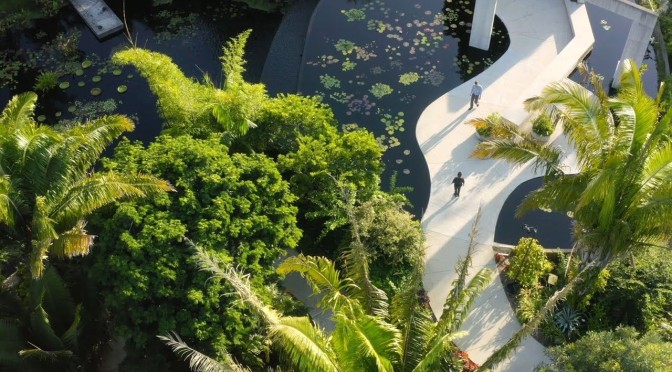
We’re facing a water shortage in the United States, but there’s a few helpful tips you can do at your home and in your gardens to make a difference. Partner Content for Finish.
Top New Travel Videos: “Last Wild Places – Iberá” In Argentina (NatGeo)
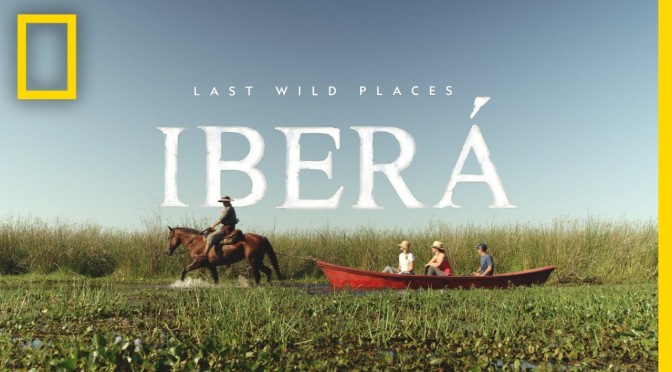
Iberá National Park in northeastern Argentina is part of one of the largest wetlands in South America, but much of its wildlife went extinct in the 20th century due to widespread hunting and habitat loss. Now, a dedicated team of conservationists is working hand in hand with local communities to reintroduce many of the keystone species that were lost, while also helping to preserve the region’s unique cultural heritage.

Interviews: 75-Year Old Earth Day Founder Denis Hayes – “How It Began”
From a Rolling Stone Magazine Interview (April 22, 2020):
 Well, in 1970, things were vastly more limited. We had three dominant television networks, and also public broadcasting. We had a handful of national newspapers and the wire services. News magazines were much more important than now. That was pretty much it.
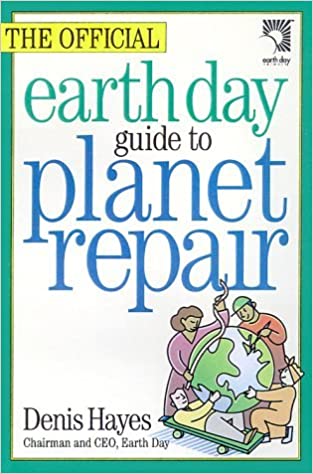
Denis Hayes is the Mark Zuckerberg of the environmental movement, if you can imagine Mark Zuckerberg with a conscience and a lot less cash. Like Zuckerberg, Hayes dropped out of Harvard to start an eccentric and unpromising venture. Zuckerberg’s was called Facebook, which he launched in 2004; Hayes’ was called Earth Day, which he founded in 1970.
Hayes is a child of the Sixties. He grew up in a small town on the Columbia River in Washington state, where his father worked in a paper mill and Hayes saw firsthand the toxic consequences of the collision between industry and nature: dirty air, spoiled streams, dead fish. He drifted through college, bummed around in Asia and Africa, and thought deeply about the role of humans in the natural world.
Preserving Wildlife: “Stay Wild” By Photographer Chris Schmid (2020)
Directed & Edited by Chris Schmid
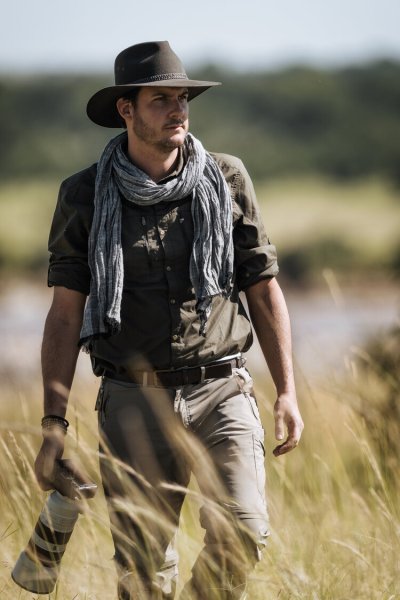 Wildlife photographers and filmmakers, have a wonderful opportunity and great responsibility to share stories about wildlife, stories that both celebrate and also raise concern around conservation issues. My tireless efforts to document and protect the few remaining areas of wilderness are fueled by true love for nature and a desire to protect what’s left. As photographers, we have the chance to put into clear focus the beauty and richness of nature which we all have a communal responsibility to protect. But there is always more we can do.
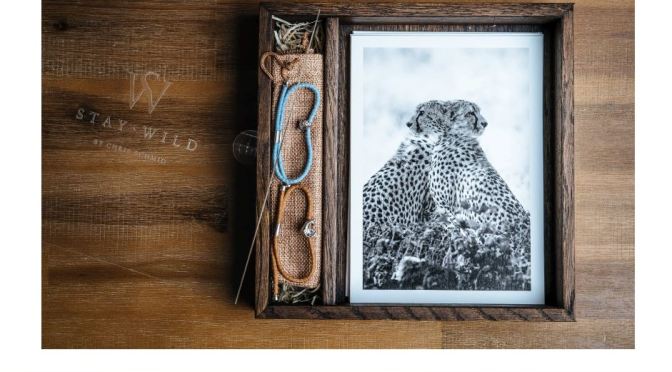
That’s why I have decided to create my own line of handmade products last year, Stay·Wild, to support and help wildlife conservation. 50% of profits is donated to non-profit organizations making a difference every single day.
Together we can make a difference: Save endangered species – Protect their habitats – Help local communities
So please join the herd by purchasing your bracelet and share awareness around you.
staywild.shop
A Chris Schmid Production
schmidchris.com
Follow us on Instagram: instagram.com/schmid_chris/
Facebook: facebook.com/chrisschmidphotography
Twitter: twitter.com/Chris__Schmid
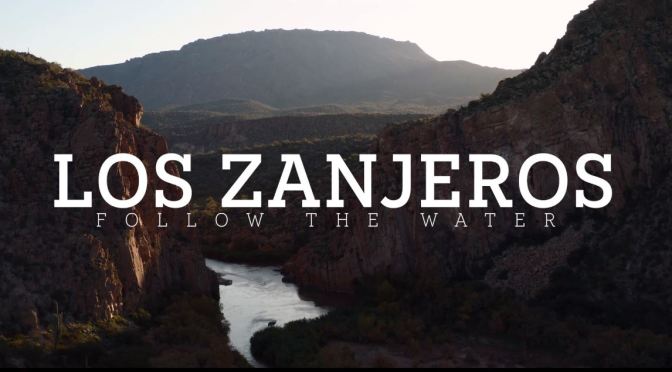
Conservation Short Films: “Los Zanjeros – Follow The Water” On History Of Arizona Water Usage
Filmed produced by: Cooper Davis, Jared Reasy, Jake Kelly and Pete Burr
4 Brophy faculty members and native Phoenicians followed the Salt River via bicycle from its source to their faucets to better understand the history of water in Arizona and how to protect and advocate for its future.
 Boomers Daily