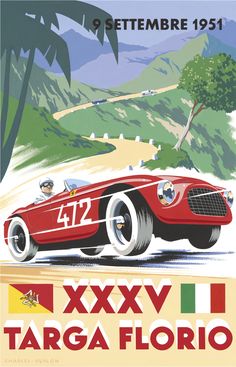
 The Targa Florio was an open road endurance automobile race held in the mountains of Sicily near the island’s capital of Palermo. Founded in 1906, it was the oldest sports car racing event, part of the World Sportscar Championship between 1955 and 1973. While the first races consisted of a whole tour of the island, the track length in the race’s last decades was limited to the 72 kilometres (45 mi) of the Circuito Piccolo delle Madonie, which was lapped 11 times.
After 1973, it was a national sports car event until it was discontinued in 1977 due to safety concerns. It has since been run as a rallying event, and is part of the Italian Rally Championship.
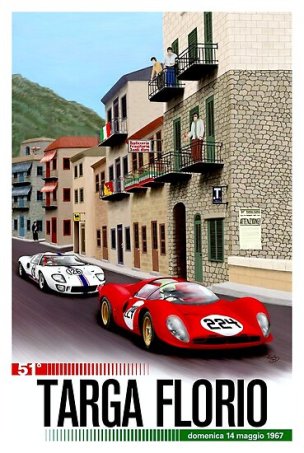 The race was created in 1906 by the wealthy pioneer race driver and automobile enthusiast, Vincenzo Florio, who had started the Coppa Florio race in Brescia, Lombardy in 1900. The Targa also claimed to be a worldly event not to be missed. Renowned artists, such as Alexandre Charpentier and Leonardo Bistolfi, were commissioned to design medals. A magazine was initiated, Rapiditas, which aimed to enhance, with graphic and photographic reproductions of the race, the myth of the car and the typical character of modern life, speed.[1]
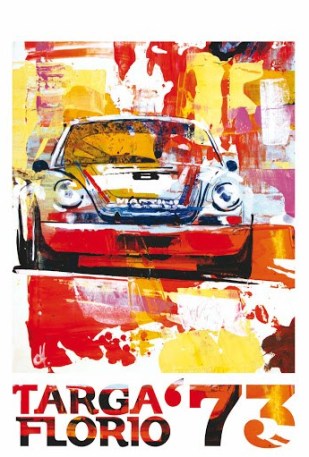 One of the toughest competitions in Europe, the first Targa Florio covered 3 laps equalling 277 miles (446 km) through multiple hairpin curves on treacherous mountain roads, at heights where severe changes in climate frequently occurred. Alessandro Cagno won the inaugural 1906 race in nine hours, averaging 30 miles per hour (50 km/h).
By the mid-1920s, the Targa Florio had become one of Europe’s most important races, as neither the 24 Hours of Le Mans nor the Mille Miglia had been established yet. Grand Prix races were still isolated events, not a series like today’s F1.
After winning the race several times, Porsche named the hardtop convertible version of the 911 after the Targa. The name targa means plaque or plate, see targa top.
From Wikipedia

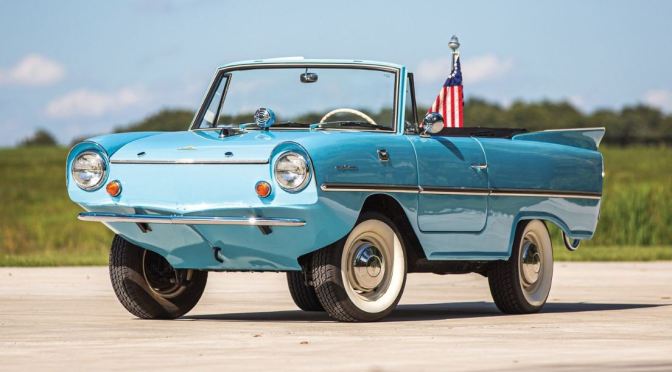
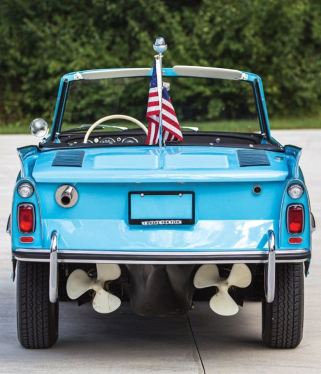 The Amphicar Model 770 is an amphibious automobile, launched at the 1961 New York Auto Show, manufactured in West Germany and marketed from 1961 to 1968. Production stopped in 1965.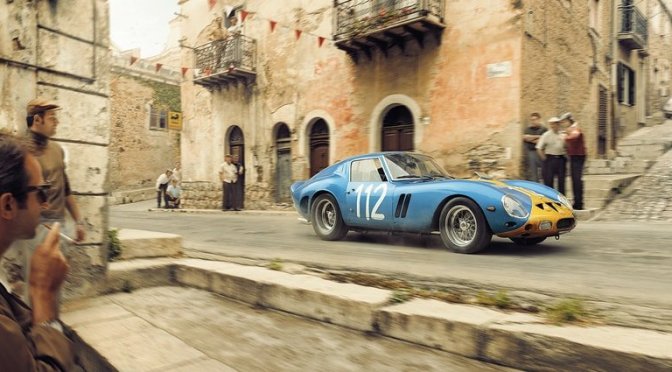
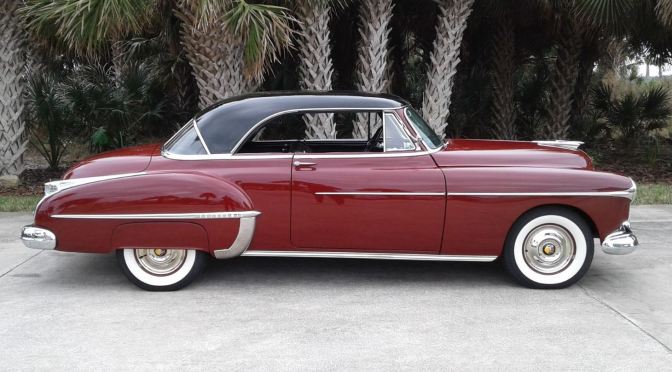
 The Oldsmobile 88 (marketed from 1989 on as the Eighty Eight) is a full-size car that was sold and produced by Oldsmobile from 1949 until 1999. From 1950 to 1974 the 88 was the division’s top-selling line, particularly the entry-level models such as the 88 and Dynamic 88. The 88 series was also an image leader for Oldsmobile, particularly in the early years (1949–51) when it was one of the best performing automobiles thanks to its relatively small size, light weight and advanced overhead-valve high-compression V8 engine. This engine, originally designed for the larger C-bodied and more luxurious 98 series, also replaced the straight-8 on the smaller B-bodied
  A large number of variations in nomenclature were seen over this long model run — Futuramic, Super, Golden Rocket, Dynamic, Jetstar, Delta, Delmont, Starfire, Holiday, L/S, LSS, Celebrity, and Royale were used at various times with the 88 badge, and Fiesta appeared on some station wagons in the 1950s and 1960s. The name was more commonly shown as numbers in the earlier years (“Delta 88”, for example) and was changed to spell out “Eighty Eight” starting in 1989.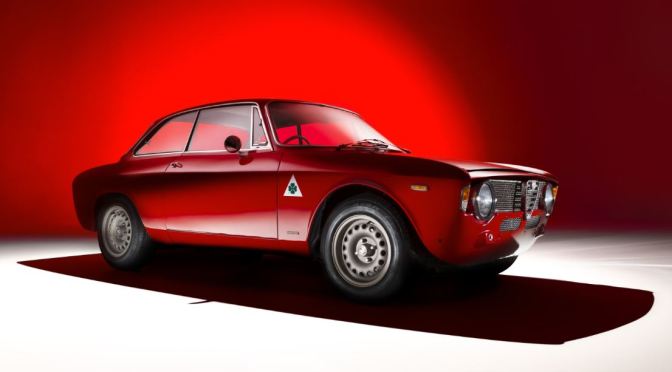
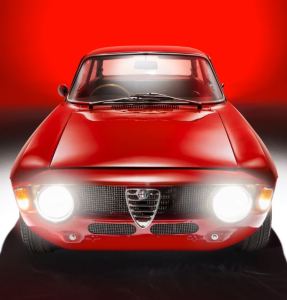 The Alfa Romeo GTA is a coupé automobile manufactured by the Italian manufacturer Alfa Romeo from 1965 to 1971. It was made for racing (Corsa) and road use (Stradale).
 The Bizzarrini Strada (also 5300 GT Strada and 5300 GT), was a gran turismo automobile produced by Bizzarrini from 1964 to 1968. Sold as an exceptionally low slung 2-seat coupe, roadster, and track-tuned “Corsa” racer, it proved their most successful model.
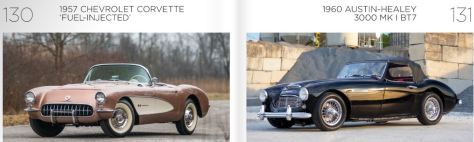

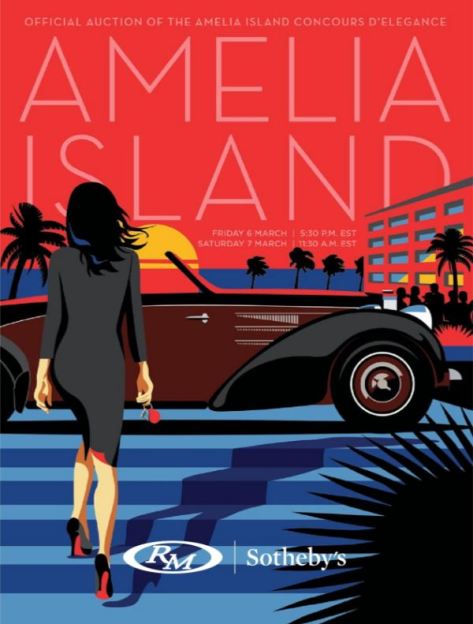

 The Buick Skylark is a passenger car produced by Buick. The model was made in six production runs, during 46 years, over which the car’s design varied dramatically due to changing technology, tastes and new standards implemented over the years.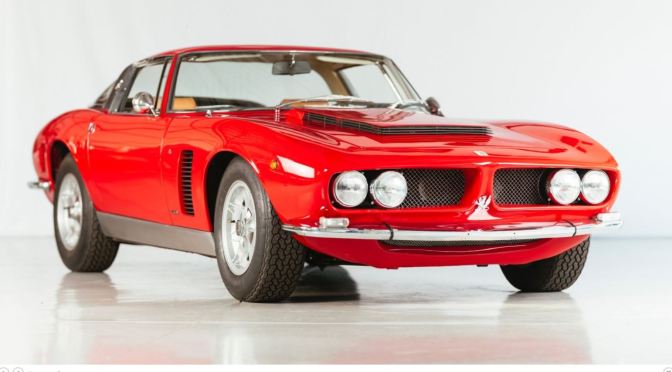
 The Iso Grifo is a limited production grand tourer automobile manufactured by Italian Iso Autoveicoli S.p.A. between 1965 and 1974. Intended to compete with Ferrari and Maserati GTs, it utilized a series of American power trains and components supplied by Chevrolet and Ford to ensure performance and maximize reliability. Styling was done by Giorgetto Giugiaro at Bertone, while the mechanicals were the work of Giotto Bizzarrini.
 In 1970, a styling change was made to the nose section of the car for the Grifo Series II, It got a sleeker look and hide-away headlights. In the IR-9 “Can Am” version the engine was switched from the 427 engines to the newer even more powerful Chevrolet 454 7.4 litre engine.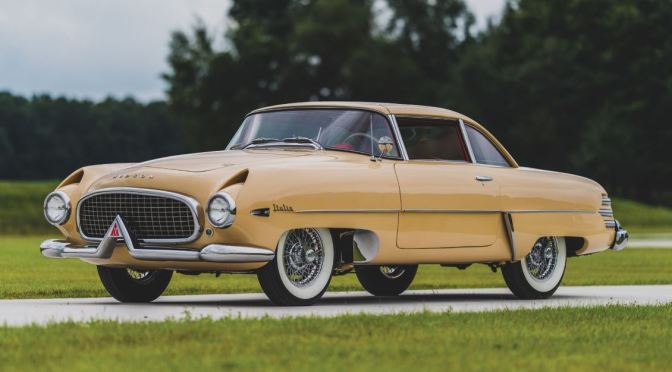
 The Hudson Italia is an automobile styling study and a limited production two-door compact coupé that was produced by the Hudson Motor Car Company of Detroit, Michigan, in cooperation with Carrozzeria Touring of Italy, and subsequently marketed by American Motors Corporation during the 1954 and 1955 model years. Designed by Frank Spring with input from Carlo Felice Bianchi Anderloni of Carrozzeria Touring, and introduced 14 January 1954,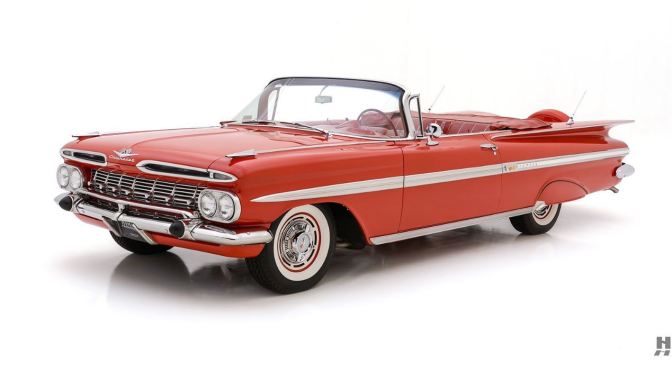
 The Chevrolet Impala is a full-size car built by Chevrolet for model years 1958 to 1985, 1994 to 1996, and 2000 onward. The Impala is Chevrolet’s popular flagship passenger car and is generally among the better selling American made automobiles in the United States.
 The Impala became a separate series, adding a four-door hardtop and four-door sedan, to the two-door Sport Coupe and convertible. Sport Coupes featured a shortened roof line and wrap-over back window. The standard engine was an I6, while the base V8 was the carryover 283 cu in (4.6 L), at 185 hp (138 kW). Optional were a 283 cu in with 290 hp (220 kW) and 348 cu in (5.7 L) V8 up to 335 hp (250 kW). Standard were front and rear armrests, an electric clock, dual sliding sun visors, and crank-operated front vent windows. A contoured hooded instrument panel held deep-set gauges. A six-way power seat was a new option, as was “Speedminder”, for the driver to set a needle at a specific speed and a buzzer would sound if the pre-set was exceeded.
 Boomers Daily