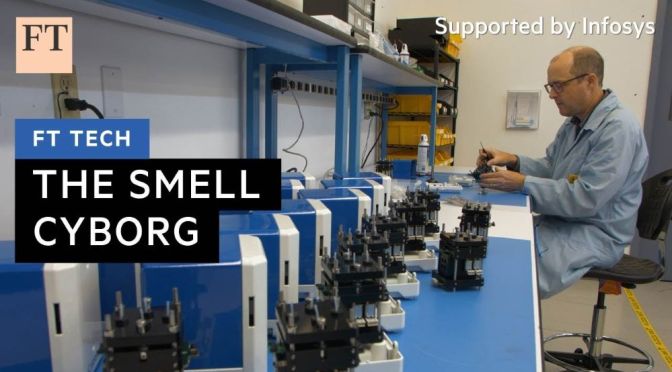
Financial Times – It could be the Shazam of smells. A California-based start-up has developed a device to sniff out substances such as drugs, explosives and viruses. Sniff tech is a burgeoning sector which could have major implications in fields including healthcare and security but may also raise issues over individual privacy. The FT’s Patrick McGee takes a trip to the lab and gets a good whiff of how the future might smell.
Koniku builds smell cyborgs. We will put out small form factor smell cyborgs in 10 million homes inside this decade. We aim to securely and safely diagnose disease and maintain health and wellness in real-time. We are building a marketplace that makes every individual the CEO of their own health.
Fed officials are considering the timeline of a potential slowdown in interest-rate hikes, according to a Wall Street Journal report. Bond yields moved off their highs.
Tesla’s stock has been in a tailspin. But if the electric-vehicle maker is able to navigate a few bumpy months, it will be a signal that it’s headed in the right direction.
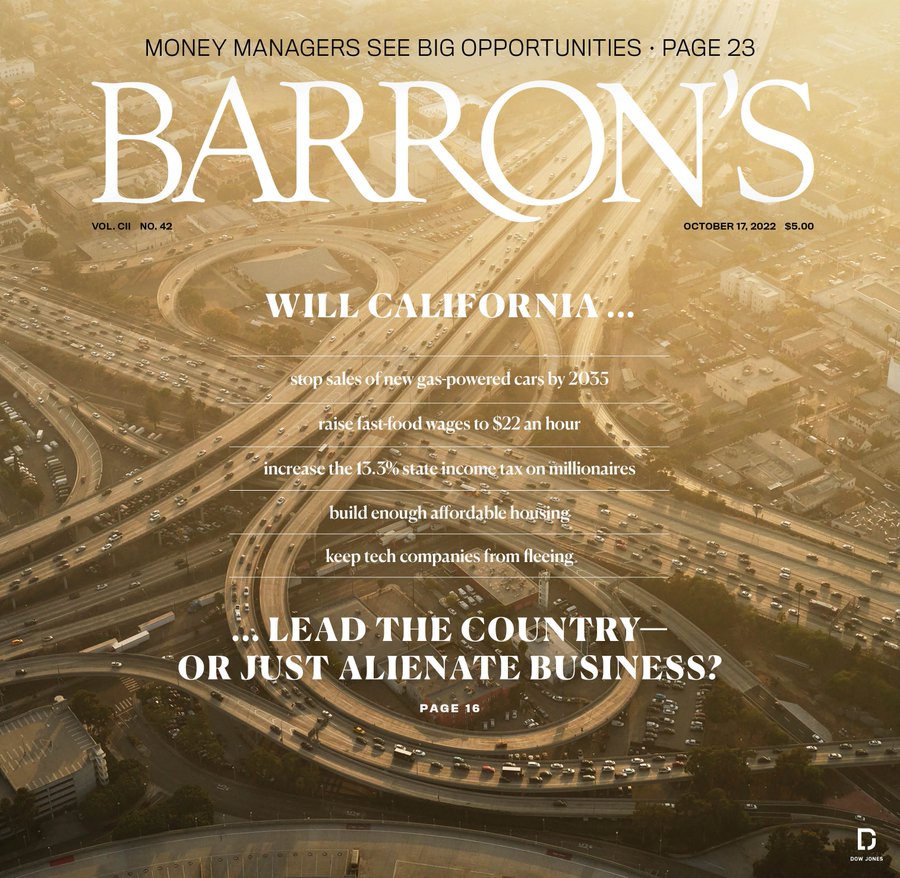
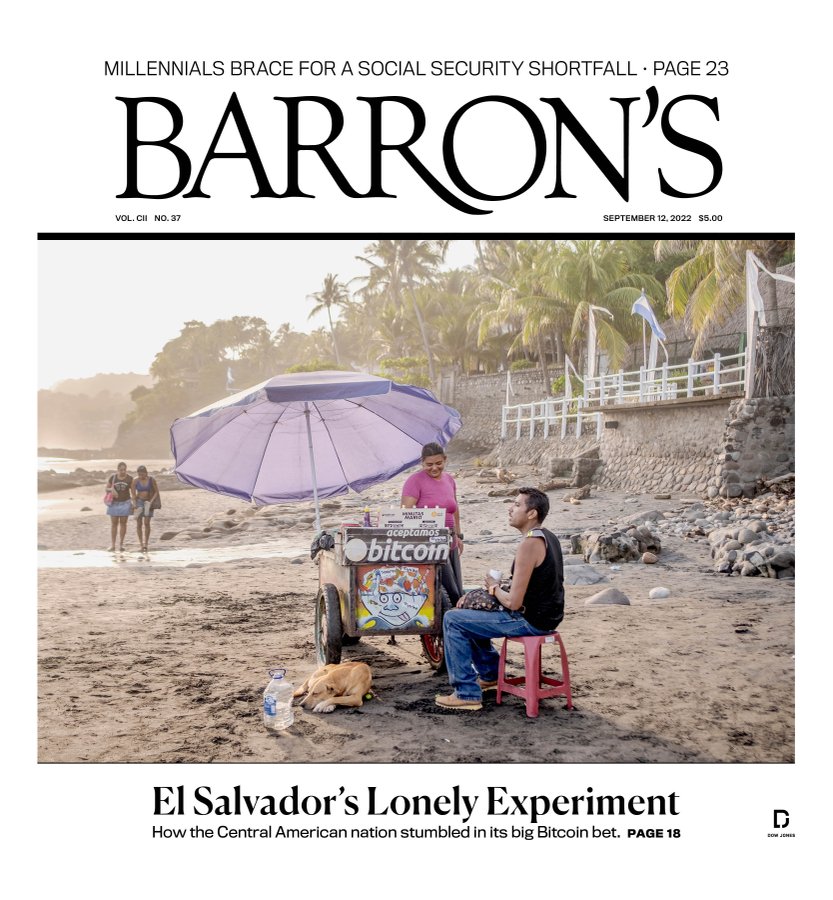
Our latest Big Money poll of professional investors finds many bearish about stocks in the near term, but bullish about the market’s longer-term outlook.
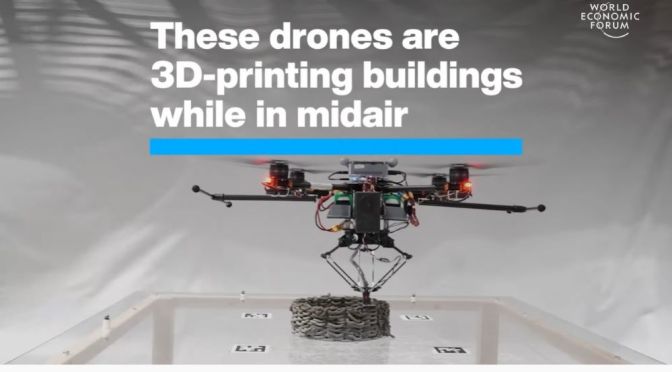
World Economic Forum top stories of the week: 0:15 – The World’s First flying 3D printer 01:32 – Your outer circle of friends is more important for your career than you think 02:47 – How high interest rates lower inflation 04:47 – This Swedish start up has developed an electric passenger plane
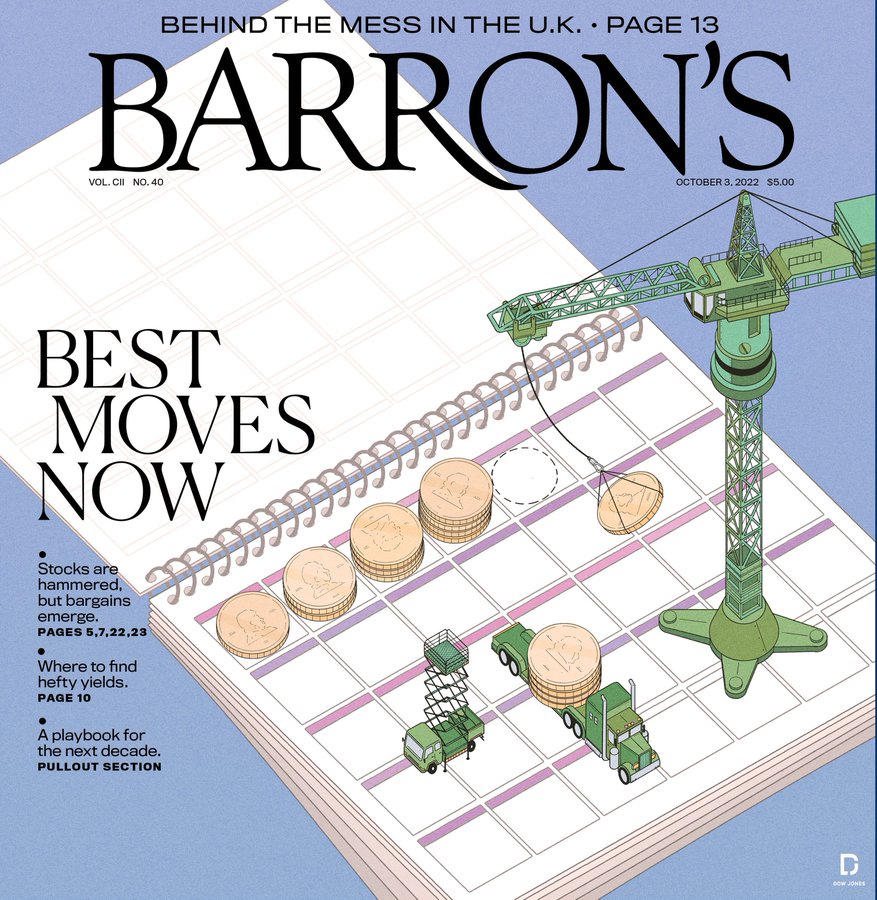
The investment landscape is shifting. Here’s how to build a plan for long-term success—along with some stocks, bonds, and funds that can help you reach your goals.
Top stories of the week of September 23, 2022 from the World Economic Forum:
Video timeline: 0:15 Could These Solar Panel Windows Be The Future Of Green Energy? – If deployed on a large scale, Ubiquitous Energy says the windows could transform solar capacity worldwide. 01:33 What Would A Post-Economic Growth World Look Like? – ‘What is the type of growth that the world needs? And what is the type of de-growth we need?’ asks Tariq Al-Olaimy, Social Entrepreneur and Global Shapers Alumni. 04:41 Clean energy jobs boom – Green energy jobs in wind and solar are more available than fossil fuel jobs for the first time 05:57 Is your smartphone making you less smart? – Not according to scientists
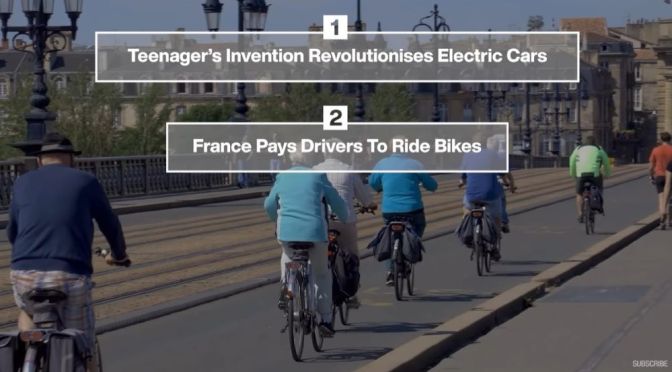
This week’s top stories of the week include: 0:16 This teenager’s invention could change the world of electric cars 02:59 France is paying it’s drivers to get on their bikes 04:22 The psychological phenomenon that is hampering our response to climate change 05:33 Paris’s Riverside Booksellers are thriving once more
The World Economic Forum is the International Organization for Public-Private Cooperation. The Forum engages the foremost political, business, cultural and other leaders of society to shape global, regional and industry agendas. We believe that progress happens by bringing together people from all walks of life who have the drive and the influence to make positive change.
Rubies are increasingly prized on the international gemstone market. The world’s largest ruby mine is in northern Mozambique, where thousands of people are fleeing extremist militias. Can the lucrative business improve the lives of the people there?
The mine’s executives have a clear-cut position: They say they pay the taxes they owe, and Mozambique’s government should use the money to build schools in the region, ensure security and fight poverty. They say the mine alone can’t provide a livelihood to the entire region. Meanwhile, some residents regularly attempt to enter and mine rubies themselves. In the past, there have been reports of violent confrontations with the mine’s security personnel. Are the rubies a blessing or a curse? A report by Adrian Kriesch.
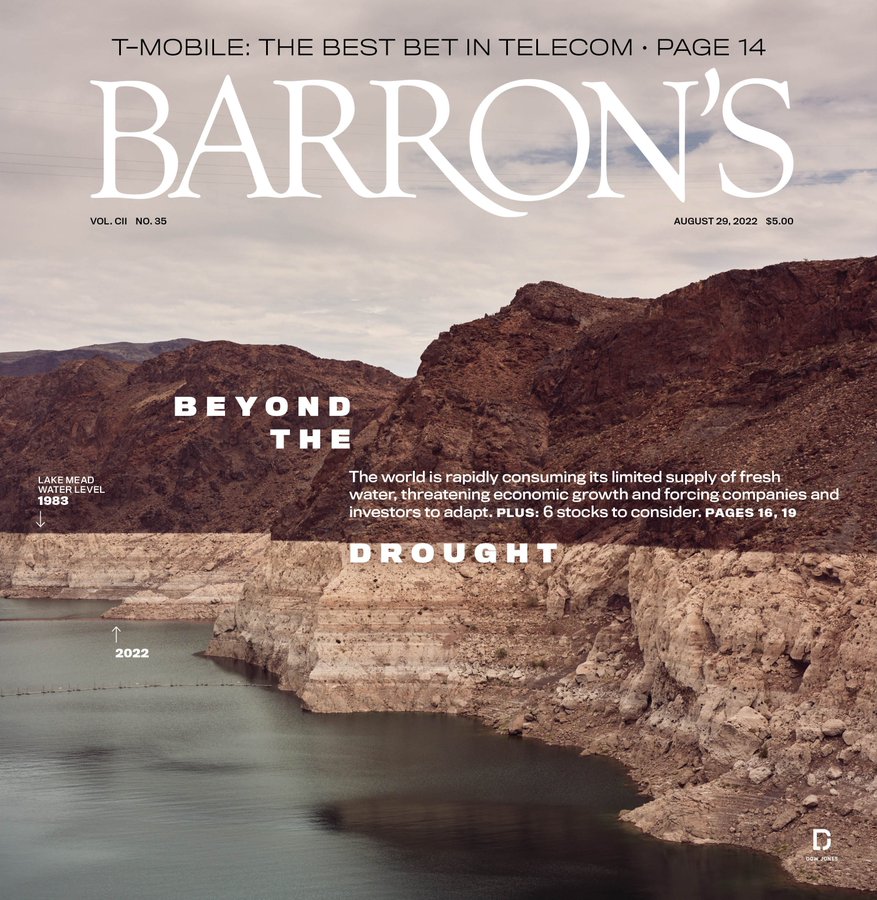
The scarcity of fresh water is rapidly emerging as a global economic threat that could disrupt businesses, crimp profits, and jeopardize growth. Companies, regulators, and investors are starting to react.



 Boomers Daily