

From Atlantis in The Spy Who Loved Me to Nathan Bateman’s ultra-modern abode in Ex Machina, big-screen villains tend to live in architectural splendor. The villain’s lair, as popularized in many of our favorite movies, is much more than where the megalomaniac goes to get some rest.
 Instead, the homes of the villains are places where evil is plotted and where, often, the hero is tested and must prove him/herself. Like evil itself, the abodes of movie villains are frequently compelling and seductive. From a design standpoint, they tend to be stunning, sophisticated, envy-inducing expressions of the warped drives and desires of their occupants.
Lair, the first title in Tra Publishing’s Design + Film series, celebrates and considers several iconic villain’s lairs from recent film history. The book, strikingly designed in silver ink on black paper, explores the architectural design of these structures through architectural illustrations and renderings, photographs, essays, film analyses, interviews, and more.
To read more and purchase: https://trapublishing.com/products/lair
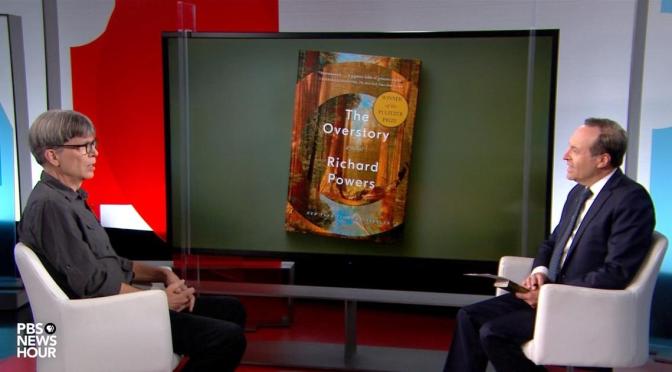
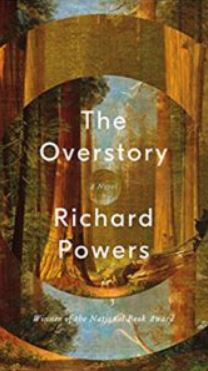 Richard Powers, author of our November pick for the NewsHour-New York Times book club, Now Read This, joins Jeffrey Brown to answer reader questions on “The Overstory,” and Jeff announces the December book selection.
 BOTANY AT THE BAR
 Hokusai’s landscapes revolutionized Japanese printmaking and became icons of world art within a few decades of the artist’s death. Hokusai’s Landscapes focuses exclusively on this pivotal body of the artist’s work, the first book to do so. Featuring stunning color reproductions of works from the incomparable Japanese art collection at the Museum of Fine Arts, Boston (the largest collection of Japanese prints outside Japan), Hokusai’s Landscapes examines the magnetic appeal of Hokusai’s designs and the circumstances of their creation.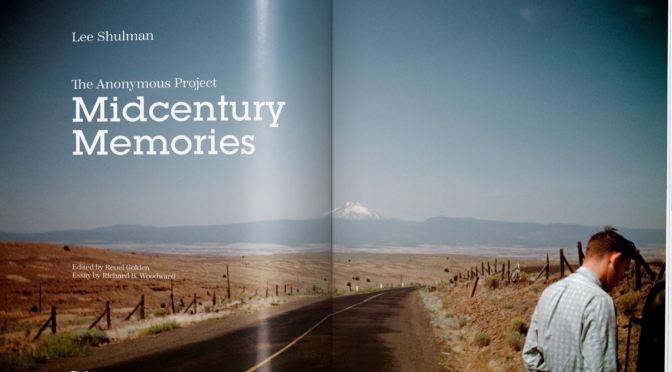
 50 years ago, people used film cameras just as we use smartphones in the age of Instagram. They photographed their meals, holidays, loved ones, celebrations, and family reunions. Imagining the past lives of these strangers is the beauty and mystery of The Anonymous Project, which curates just under 300 images from this vast collection of 700,000+ Kodachrome slides. The places, dates, and people may be unknown, but the stories in these snapshots are universally familiar.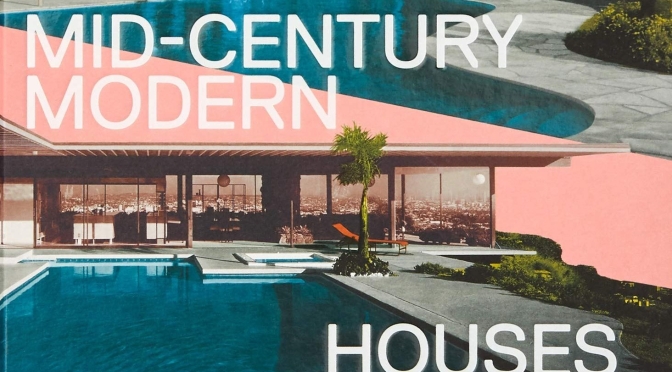
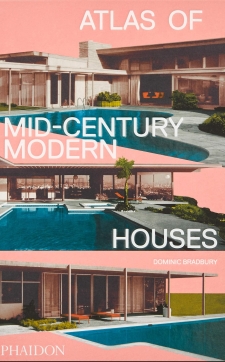 “If one imagines a list of the greatest, most influential houses of the twentieth century, it seems highly likely that the mid-century period will dominate,” writes Bradbury in the book’s introduction, going on to name such famous edifices as the three famous glass houses by Philip Johnson, Ludwig Mies van der Rohe, and Lino Bo Bardi, respectively; Richard Neutra’s Kaufmann House; and Luis Barragán’s Cuadra San Cristóbal. “One could, of course, go on.…” he writes.


 Experienced outdoor enthusiasts and those lacing-up their boots for their first time: prepare to hike the diverse American landscape. Whether aiming to conquer epic expeditions, or simply complete a day hike to recharge, paths of every size await the intrepid wayfarer in Wanderlust USA, a book that serves as a blueprint for adventurous souls in search of new summits.
 For the second year in a row, editors at The New York Times got together for a live taping of the podcast to discuss the Book Review’s list of the year’s 10 Best Books. “These are books that we think will endure, that will be looked at and read and consulted and referred to well after the year in which they were named,” says Pamela Paul, the editor of The New York Times Book Review, as part of her introductory remarks about what the editors look for in their selections.


 Boomers Daily