
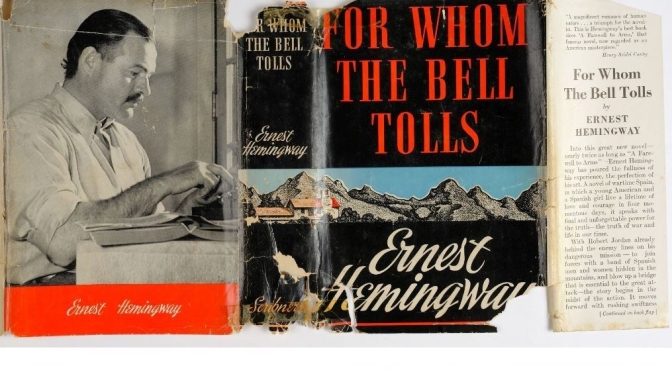

The first three chapters of Ernest Hemingway’s classic novel.
For Whom the Bell Tolls is a novel by Ernest Hemingway published in 1940. It tells the story of Robert Jordan, a young American volunteer attached to a Republican guerrilla unit during the Spanish Civil War. As a dynamiter, he is assigned to blow up a bridge during an attack on the city of Segovia.
It was published just after the end of the Spanish Civil War (1936–1939), whose general lines were well known at the time. It assumes the reader knows that the war was between a democratically elected, pro-working-class and anti-Catholic government, supported by the Soviet Union, which many foreigners like Robert went to Spain to help, and a successful, dictatorial, Catholic, pro-landowner revolt, supported by Nazi Germany and Fascist Italy. It was commonly viewed as the dress rehearsal for the Second World War. In 1940, the year the book was published, the United States had not yet entered the war, which had begun on Sept. 1, 1939, with Nazi Germany’s invasion of Poland.
The novel is regarded as one of Hemingway’s best works, along with The Sun Also Rises, A Farewell to Arms, and The Old Man and the Sea.
Ernest Miller Hemingway (July 21, 1899 – July 2, 1961) was an American journalist, novelist, short-story writer, and sportsman. His economical and understated style—which he termed the iceberg theory—had a strong influence on 20th-century fiction, while his adventurous lifestyle and his public image brought him admiration from later generations. Hemingway produced most of his work between the mid-1920s and the mid-1950s, and he won the Nobel Prize in Literature in 1954. He published seven novels, six short-story collections, and two nonfiction works. Three of his novels, four short-story collections, and three nonfiction works were published posthumously. Many of his works are considered classics of American literature.
From Wikipedia
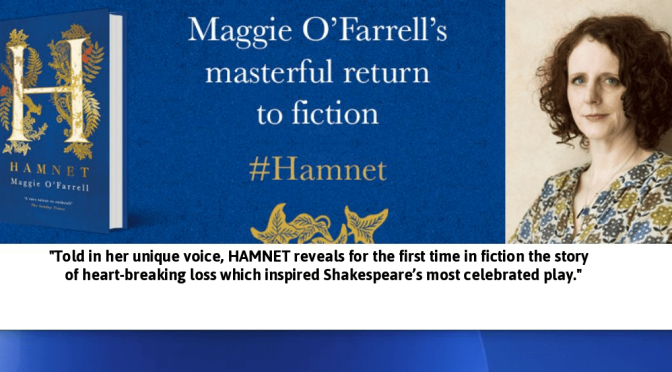
 BBC Radio 4 “Books And Authors” Talks To Maggie O’Farrell on her new novel, “Hamnet”
 On a summer’s day in 1596, a young girl in Stratford-upon-Avon takes to her bed with a fever. Her twin brother, Hamnet, searches everywhere for help. Why is nobody at home?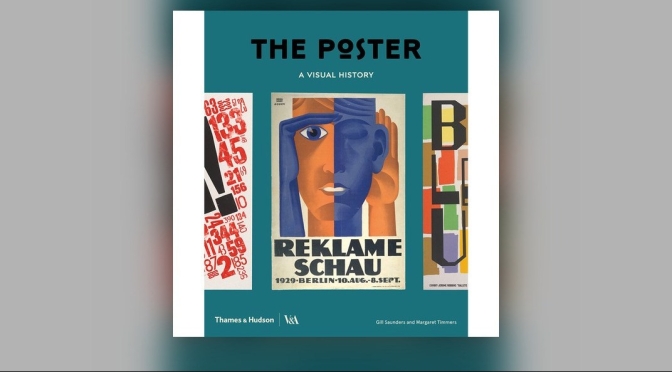
 Monocle 24 speaks with Gill Saunders and Margaret Timmers about their upcoming book ‘The Poster’ from Thames & Hudson in partnership with the V&A.
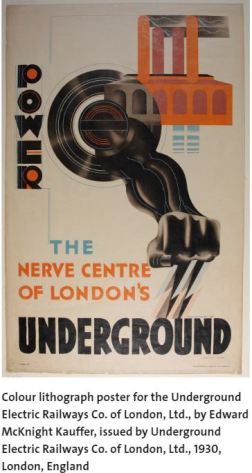 Museum, this book is the perfect resource for all those who appreciate one of the most popular art forms.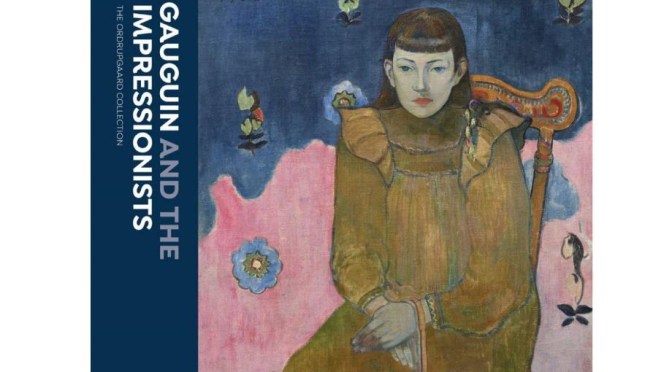
 art lover Wilhelm Hansen, the masterpieces of 19th-century French painting in this volume represent the very best of French impressionism.
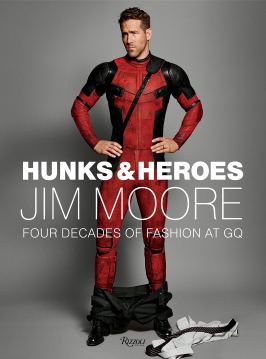 He began his career at GQ as an intern in 1979 and has since played a pivotal role in reshaping men’s fashion during his nearly forty-year tenure at the magazine. From discovering new designers, distilling the latest men’s trends, and extolling fashion advice and critiques in his popular online video series GQ Rules, to Channing Tatum wearing a “JIM F&%#ING MOORE” T-shirt, Moore’s influence and impact on men’s style is unequivocal.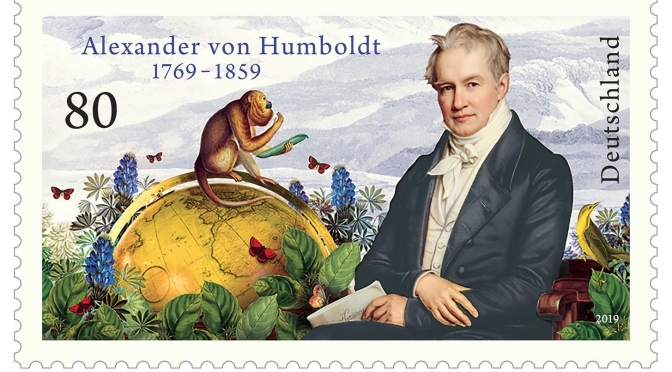
 Alexander von Humboldt might not be a name you know, but you can bet you know his ideas. Back when the United States were a wee collection of colonies huddled on the eastern seaboard, colonists found the wilderness surrounding them scary.
 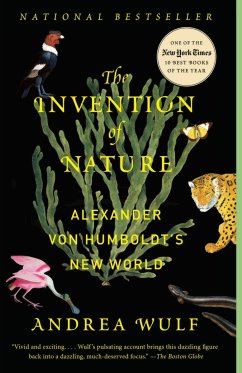 episode, we learn how Humboldt—through science and art—inspired a key part of America’s national identity.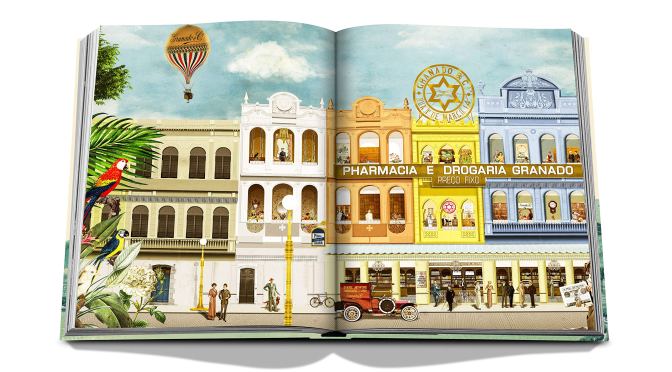
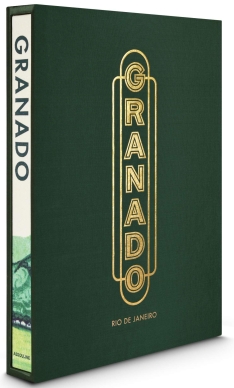 Since it first opened its doors in Rio de Janeiro in 1870, Granado has remained true to its founding mission: to concoct local, natural remedies and cosmetics, crafted from flora of Brazil. Such a formula is responsible for Granado’s endurance through time and its current standing as Brazil’s oldest pharmacy and apothecary.
 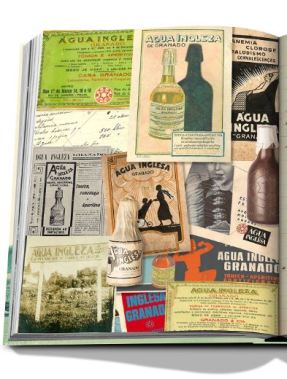 Today, Granado has three boutiques in Paris and a significant online presence in Europe; but the story of Granado’s rise begins with the tale of one man’s singular vision. At a time when medicines used toxic substances such as mercury and arsenic, José Antonio Coxito Granado began to develop natural alternatives that would quickly revolutionize the world of pharmaceuticals in Brazil. In a text enlivened by more than 200 images that capture the bright colors, botanical terrain, and vibrant aesthetics of Rio, writer Hermés Galvao traces the brand’s history, from its modest roots to its time as the Official Pharmacy of the Brazilian Imperial Family and its eventual growth into a global brand under a new family’s ownership. Featuring an illustrious cast of characters and overlapping with some of the most influential eras in Brazilian history, the story of Granado is a tale as rich as the land that yields its products.
 Striking, innovative, and dramatically sited, the twenty-nine projects in Tom Kundig: Working Title reveal the hand of a master of contextually astute, richly detailed architecture. As Kundig’s work has increased in scale and variety, in diverse locations from his native Seattle to Hawaii and Rio de Janeiro, it continues to exhibit his signature sensitivity to material and locale and to feature his fascinating kinetic “gizmos.”
 Boomers Daily