
Tag Archives: Books
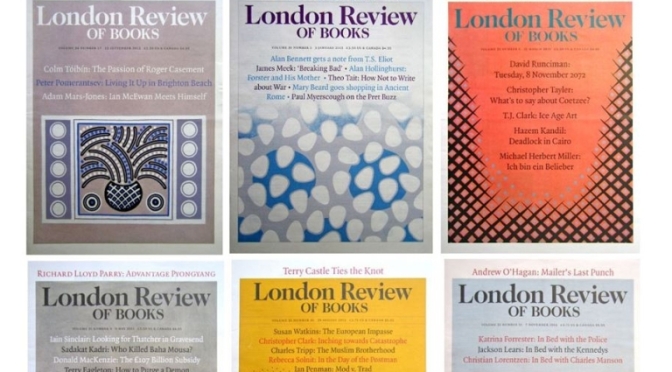

Preview: Times Literary Supplement – June 17, 2022
This week’s Times Literary Supplement @TheTLS, featuring @muldoonpoetry on Ulysses at 100; John Fuller on Auden; @MatthewReiszTHE on science reporting; @MalikShushma on elite women in Rome; @majorjonnyd on Yorkshire – and more.
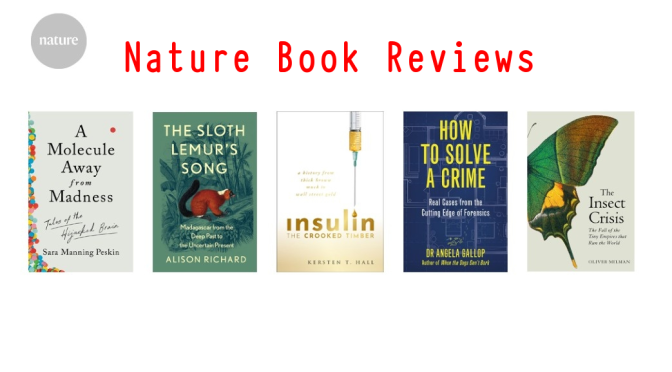
Reviews: Top New Science Books – June 10, 2022
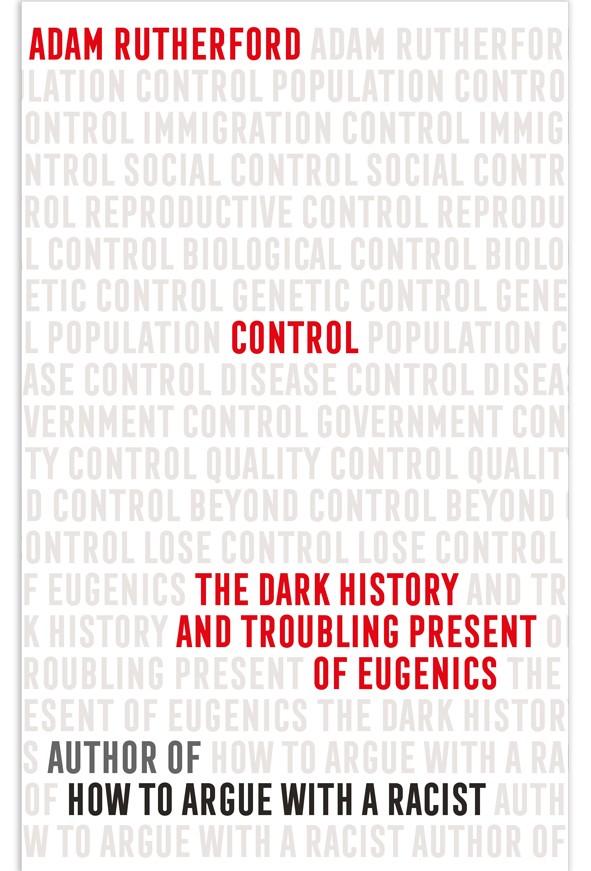
Control
Adam Rutherford Weidenfeld & Nicolson (2022)
When Charles Darwin’s cousin, Francis Galton, coined the word eugenics in 1883, he called it the study of the conditions under which “men of a high type are produced”. This gross idea led to the gates of Auschwitz, reminds broadcaster Adam Rutherford (an alumnus of the Galton Laboratory, former name of University College London’s human‑genetics centre). It hasn’t gone away, he explains in his timely salvo on the politics and history of notions that dog genetics, events up to and after the ‘CRISPR twins’ and the resurgence of white supremacy.
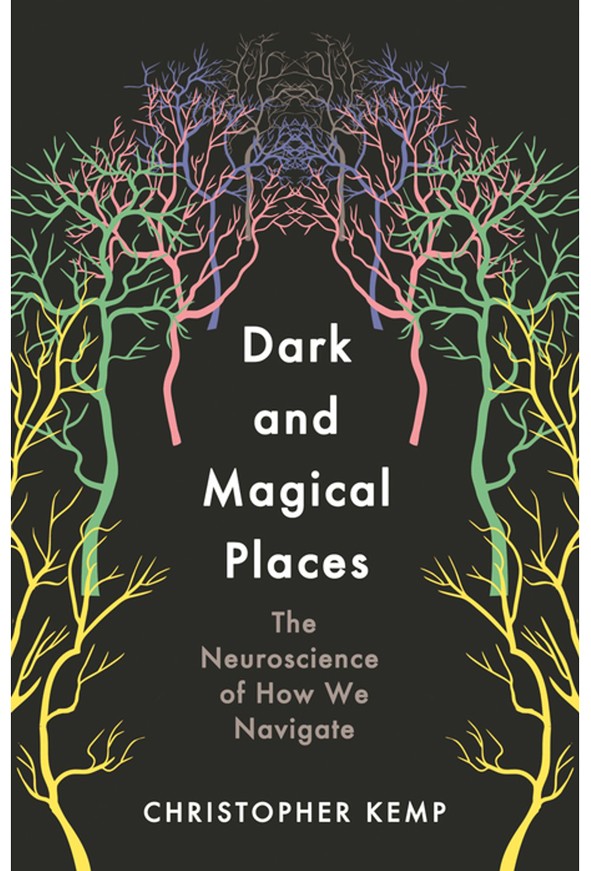
Dark and Magical Places
Christopher Kemp Profile/Wellcome Collection (2022)
“I have no sense of direction,” confesses molecular biologist Christopher Kemp — unlike his wife, “an effortless and intuitive navigator”. Once, in a mirror maze, he was transfixed with alarm, and had to be pulled out by his seven-year-old son. Many others experience similar disorientation, sometimes with disastrous results, as when hikers get lost. Their stories vitalize this compelling study of the brain, memory and navigation, in which one psychologist compares our understanding of parts of the brain with knowledge of black holes.
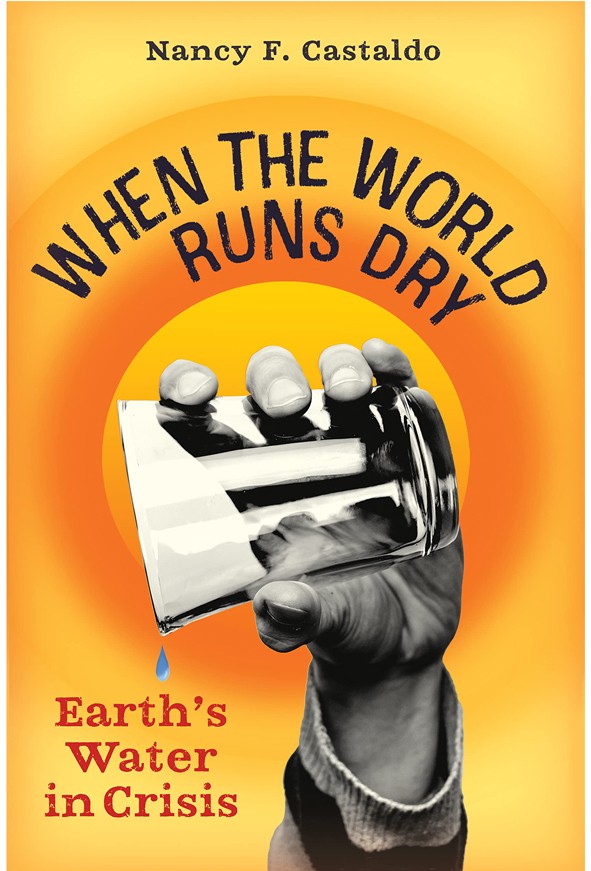
When the World Runs Dry
Nancy F. Castaldo Algonquin (2022)
Globally, millions of people must walk up to 6 kilometres daily to get clean water, says environmental writer Nancy Castaldo. Moreover, each year, more children die as a result of water contamination than from violence, including war, said the United Nations in 2019. Castaldo’s alarming book discusses many examples of shortages and tainting, ranging from drought in Cape Town, South Africa, to lead pollution in Flint, Michigan. She concludes with realistic steps to reduce domestic consumption and contamination.
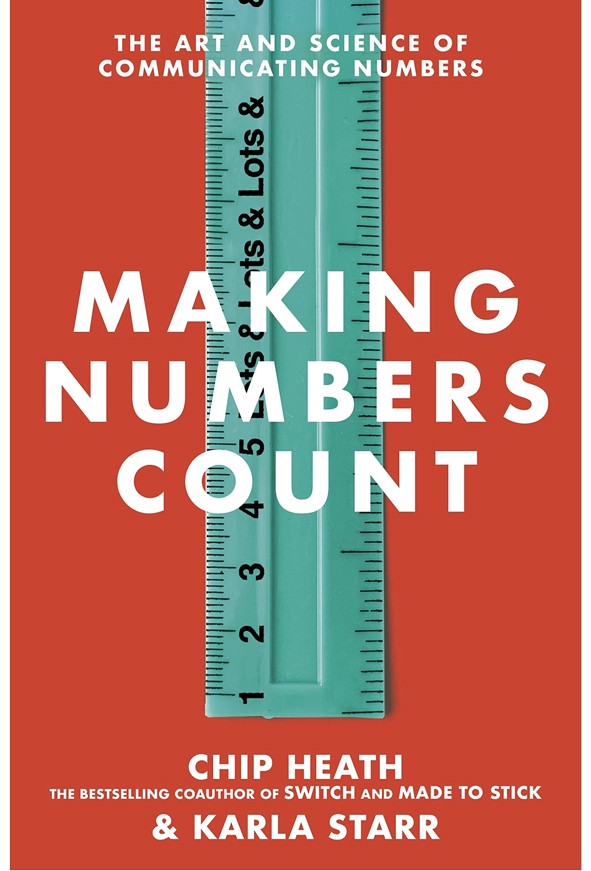
Making Numbers Count
Chip Heath and Karla Starr Avid Reader (2022)
Business scholar Chip Heath and science journalist Karla Starr are familiar with the need to “translate numbers into instinctive human experience”, informatively and memorably. Unable to find a book on the subject, they decided to write their own. Their diverse guide bubbles with translated statistics. For example, there are about 400 million civilian-owned firearms in the United States — that translates into one for every adult and child, with around 70 million left over.
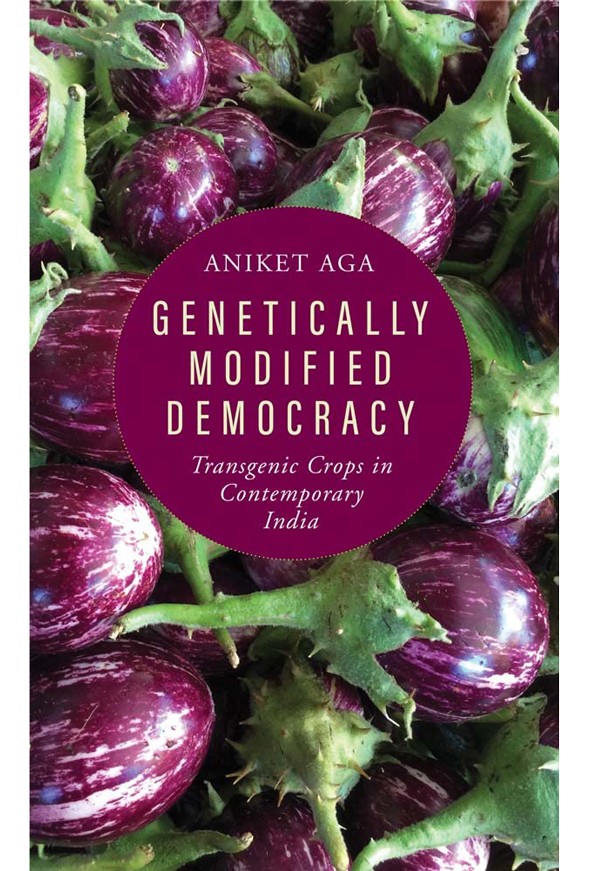
Genetically Modified Democracy
Aniket Aga Yale Univ. Press (2021)
India’s 1960s Green Revolution began without much deliberation. The government promoted high-yielding varieties of wheat and rice, and guaranteed purchase prices. This helped “already well-off, landed farmers”, notes environmentalist Aniket Aga, but led to huge debts for the struggling majority. When genetically modified crops reached India in 2002, they cultivated much more scrutiny, involving scientists, seed companies, farmers, consumers and the state. Aga describes the debate, without claiming to provid
Book Reviews: Booklist Magazine – June 15, 2022
From Poet Warrior, by Joy Harjo, a Top 10 Memoirs title. Artwork: She Comes with Fire and Weaves the World, beadwork © Rainy Dawn Ortiz. Photograph: © Melissa Lukenbaugh. Used by Permission of W. W. Norton & Company, Inc.
Spotlight on Biography & Memoir
Preview: Times Literary Supplement – June 10, 2022
Times Literary Supplement (TLS), June 10, 2022 – This week’s @TheTLS, featuring @ianground on Wittgenstein’s notebooks; @CaroDuttlinger on Kafka’s drawings; @wander2wonder on Budapest; Emily Barton on Mieko Kawakami; @sophieolive on fabric; @TobyLichtig on Jarvis Cocker – and more.
Preview: London Review Of Books – June 9, 2022
London Review of Books, June 9, 2022 –
The new issue is now online, featuring Jonathan Meades’s #platinumjubilee tribute,
@mmschwartz on the Bataclan trial,
@MJCarter10 on Desert Island Discs, Colin Burrow on Stanley Cavell, Jo Applin on Judy Chicago and a cover by Naomi Frears: http://lrb.co.uk
Previews: Times Literary Supplement – June 3, 2022
In this week’s TLS
Things don’t usually fall apart completely in Britain and the centre holds. In the mid-seventeenth century, however, civil war raged across the islands. Military rule in England was followed by the conquest of Ireland and Scotland, paving the way for the Union. Michael Braddick, reviewing Ian Gentles’s The New Model Army, thinks there are lessons here for our “dysfunctional” democracy. This week the TLS features several meditations on times of civil war.
By Martin Ivens
Preview: Times Literary Supplement – May 27, 2022
Times Literary Supplement, May 27, 2022 – @TheTLS, featuring @NshShulman on the Queen; @nclarke14 on Melvyn Bragg; @richardlea on nuclear power; Claire Lowdon on Elif Batuman; @RohanMaitzen on Rosalind Brackenbury; @rinireg on abortion – and more.
Reviews: Top New Science Books (Nature Magazine)
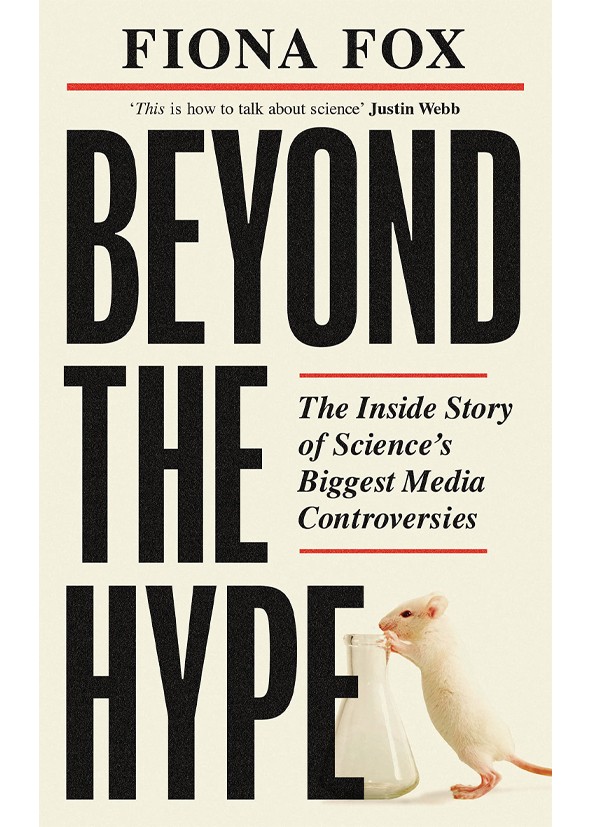
Beyond the Hype
Fiona Fox Elliott & Thompson (2022)
It is 20 years since journalist Fiona Fox set up the influential Science Media Centre in London, to persuade more scientists to engage with the media. This absorbing, detailed book is her memoir of that period — not, as she makes clear, an “objective record”. Separate chapters deal with controversies such as “Climategate”, “Frankenfoods”, the politicization of science, sexism in research and how the current pandemic epitomizes an “age-old dichotomy” between the need for simple public messaging and the messy complexity of science.
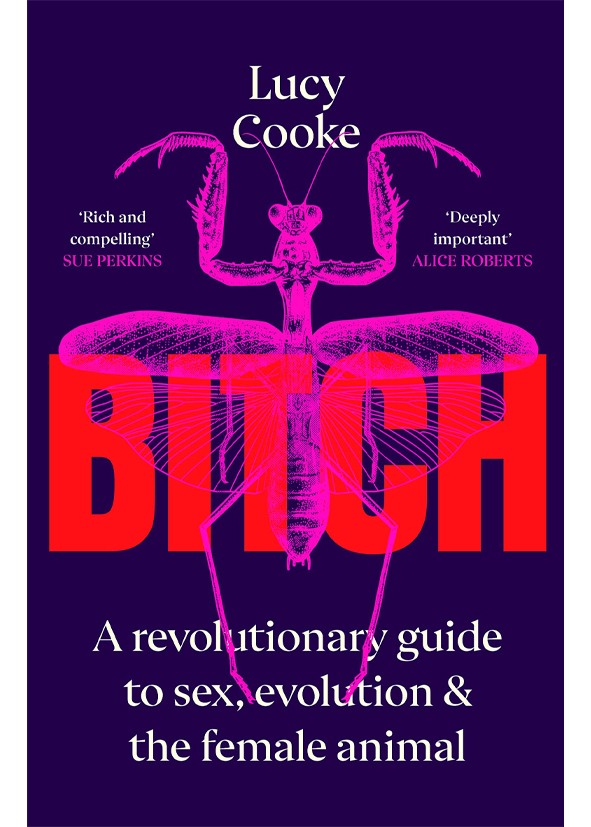
Bitch
Lucy Cooke Doubleday (2022)
“Try explaining the need to be passive” to a female spotted hyena (Crocuta crocuta), writes zoologist and author Lucy Cooke, “and she’ll laugh in your face, after she’s bitten it off”. She is dominant in rough play, scent‑marking and territorial defence. By analysing numerous animals, this sparkling attack on scientific sexism draws on many scientists — of multiple genders — to correct stereotypes of the active male versus passive female. Many such concepts were initiated by Charles Darwin, who is nevertheless Cooke’s “scientific idol”.
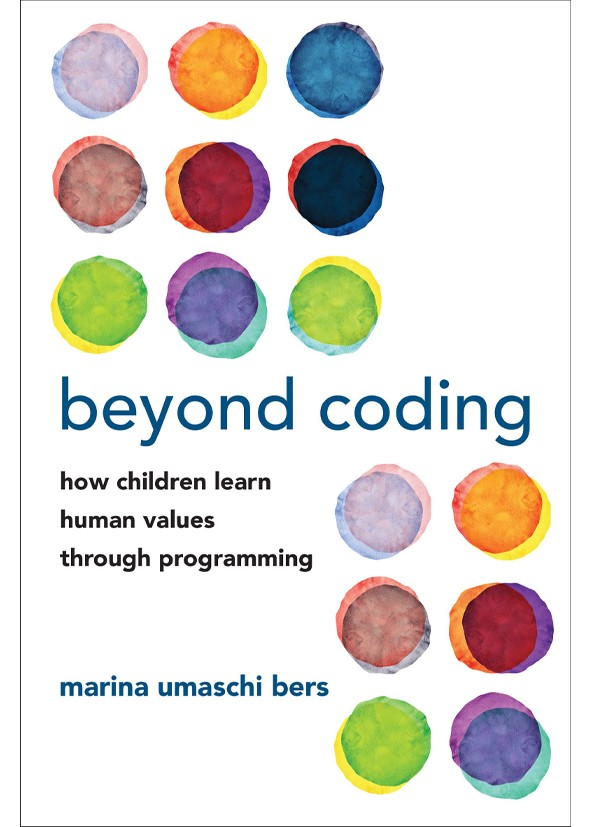
Beyond Coding
Marina Umaschi Bers MIT Press (2022)
Early-childhood technologist Marina Bers developed the KIBO robot, which young children can program with coloured, barcoded wooden blocks to learn computer coding. It is the chief character in her engaging book, which presents four key ways to consider coding for kids: as a “playground”; “another language”; a “palette of virtues”; and a “bridge”. The palette includes infusing ethics and moral education into programming. The bridge involves finding points of connection between diverse cultural, ethnic and religious groups.
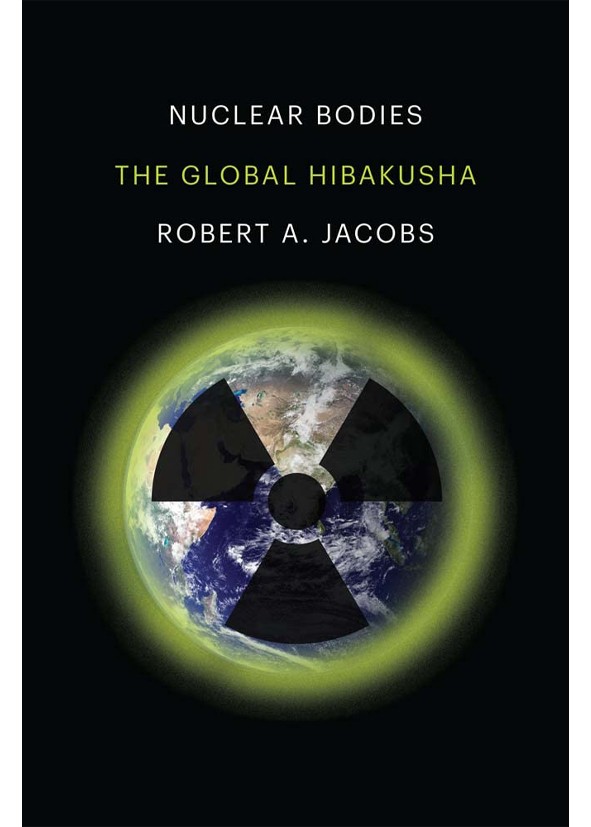
Nuclear Bodies
Robert A. Jacobs Yale Univ. Press (2022)
The Japanese word hibakusha originally described the victims of the atomic bombs dropped on Japan in 1945. Since the 2011 Fukushima nuclear power-plant disaster, the term has been widely extended to denote worldwide victims of radiation exposure. Yet it does not appear in the Oxford English Dictionary: evidence that “these ‘global hibakusha’ have been largely invisible to us”, because of their relative political insignificance, notes Hiroshima-based historian Robert Jacobs in this grimly important analysis of the cold war.
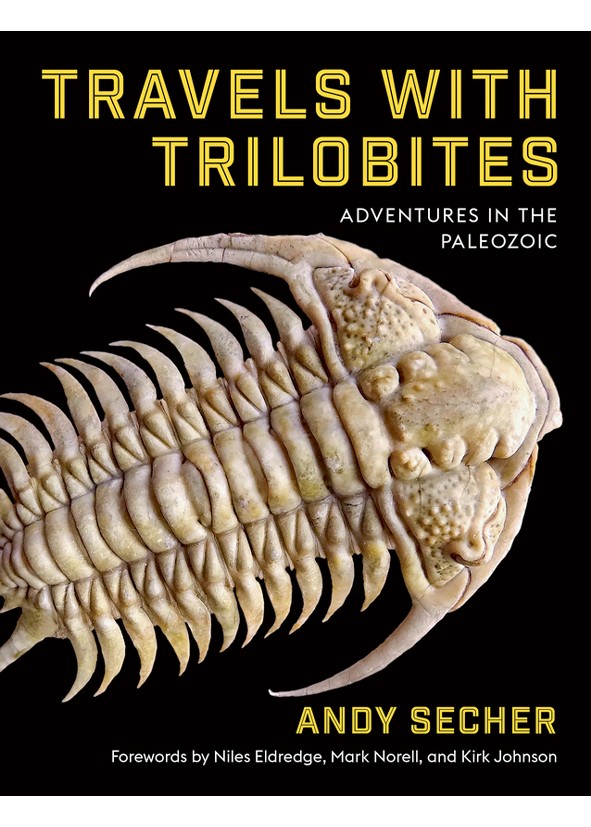
Travels with Trilobites
Andy Secher Columbia Univ. Press (2022)
The fascinating marine invertebrate known as a trilobite belongs to the beginning of complex animal life. It appeared some 521 million years ago, and endured for more than 250 million years, evolving more than 25,000 recognized species. Palaeontologist Andy Secher coedits the trilobite website for the American Museum of Natural History in New York City. He owns more than 4,000 trilobite fossils, many of which are pictured in this paean to “the omnipresent monarchs of the world’s ancient se
Previews: London Review Of Books – May 26, 2022
London Review of Books, May 26, 2022 –
James Meek – How Civil Wars Start – And How to Stop Them by Barbara F. Walter
LettersHugh Pennington, Anna Swan, Thomas Ciantra, Nicholas Blanton, David Howell, Oren Margolis, Peter Thonemann, Michael Gray, Nick Rampley, Bernard Richards, Tom WellsClare JacksonElizabeth Stuart: Queen of Hearts by Nadine AkkermanJames ButlerShort Cuts: Limping to Success
 Boomers Daily