
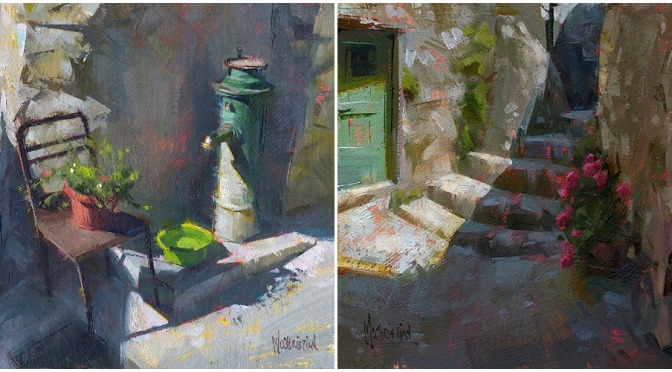
 Award winning artist, Jennifer McChristian, was born and raised in Montreal, Canada. From an early age, she knew she wanted to be an artist. Upon completing high school, McChristian began her art education at Dawson’s College in Montreal, Canada. In 1986, she and her family took permanent residency in California, where she earned a Bachelor of Fine Art Degree with Honors from Otis Art Institute in 1990.
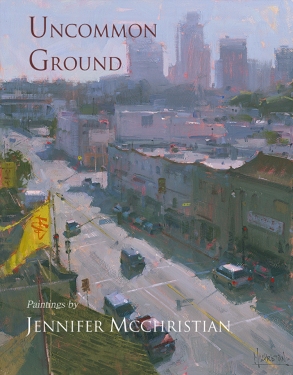
Her inspirations consist of notable artists such as John Singer Sargent, Anders Zorn, Nicolai Fechin and Cecilia Beaux. McChristian primarily paints in oils and occasionally watercolors and gouache. She has an affinity for painting ‘en plein air’ and also enjoys creating studio works using her outdoor sketches as inspiration. “Painting is somewhat of a spiritual experience for me. Although challenging at times, the end result evokes within me a sense of elation, nostalgia and harmony”.
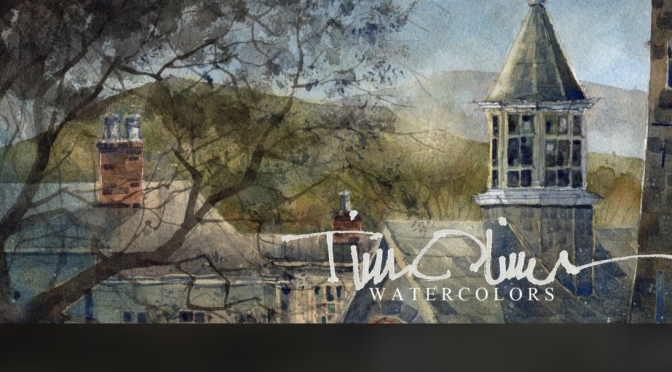
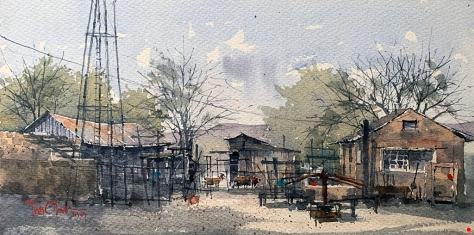
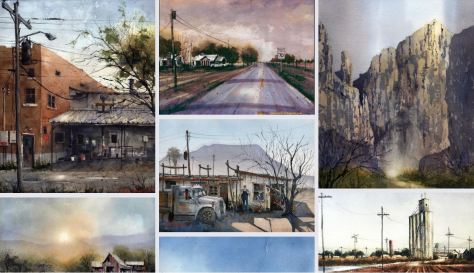
 Watercolor, in a practiced hand, is the perfect medium for capturing the powerful emotion of a place. While I paint a variety of subjects, I’m most attracted to landscapes that stir passion within me in the moment. I’m always drawn to things western, rural, gritty and seemingly mundane or ordinary. Anything evocative of a ‘time long passed by’ will always capture my attention.
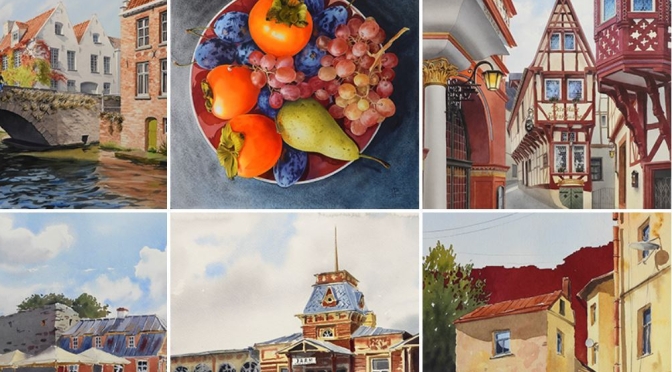
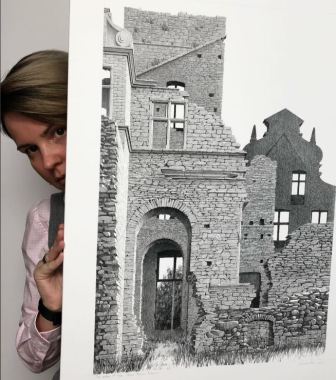 “Buildings and constructions once created by people but now fallen into oblivion have an inspirational value for me,” Mill tells My Modern Met. “They are silent witnesses of history. These giants towering over densely populated cities preserve the memories from the moment of their creation until the last stone drops off their walls.”
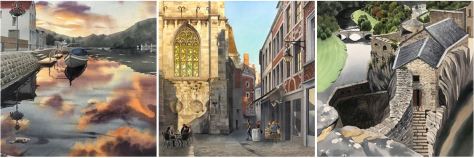 Russian graphic designer and watercolor painter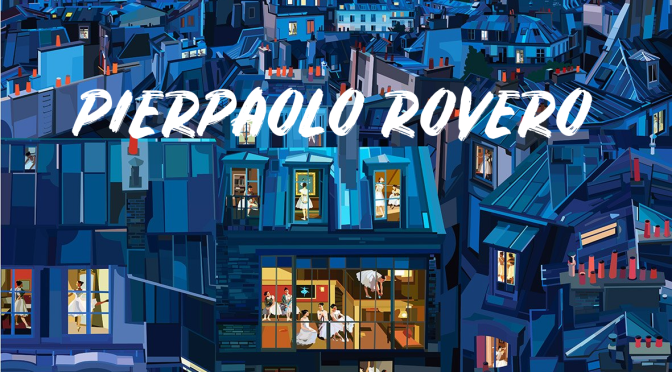
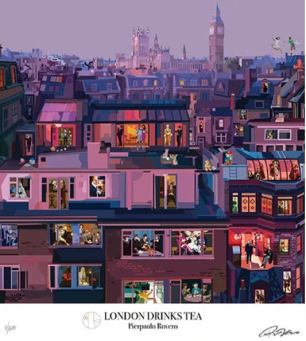 “Imagine all the people” is a project by Turin-based artist and illustrator Pierpaolo Rovero that fantasizes about the way people around the word spend their time in quarantine. Depicting a diverse range of metropolitan panoramas, from New York and Paris, to Jerusalem, to Tokyo, Rovero imagines the citizens of each city indulging in the same activity while stuck at home, allowing viewers to catch glimpses through windows, balconies and skylights.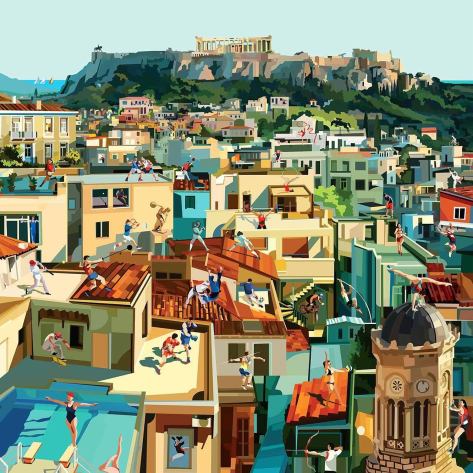
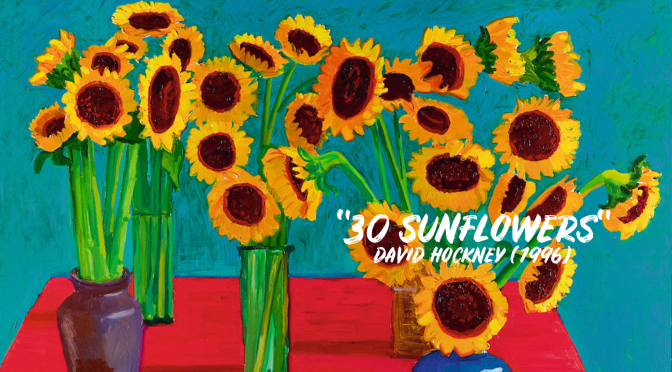
 Painted in 1996, David Hockney’s “30 Sunflowers” is a bold and luscious still life of contemporary times. In this episode of Expert Voices, discover how Hockney was inspired to paint “30 Sunflowers” after a decade hiatus, and hear Hockney himself explain the influence of the Old Masters in this vivid work.


 Boomers Daily