Architectural Digest takes you to Washington, D.C. for a walking tour of The National Mall with architect Nicholas Potts, highlighting some complex architectural details hidden in plain sight. The development of our nation’s capitol was drastically reimagined by 1902’s McMillan plan, implemented primarily to improve the design of the city’s monuments and parks.
Nick Potts brings this evolution to life, highlighting some remaining vestiges of 19th century D.C. while explaining how the city changed around them – including the White House itself.
The American Institute of Architects has revealed the winners of the 2022 Housing Awards. The 14 projects span single-family, affordable housing, and specialized housing projects, and include new construction, renovations, and restorations.
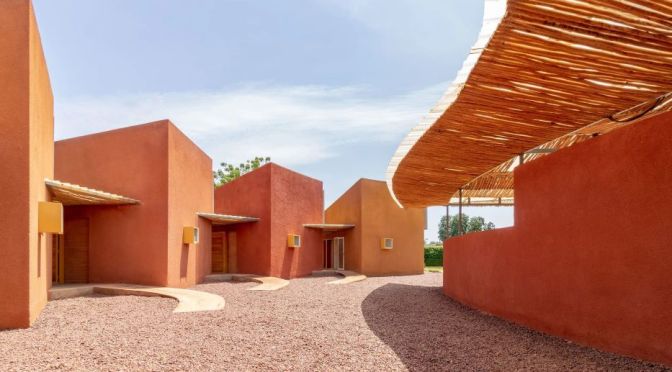
"In a world where architects are building projects in the most diverse contexts -not without controversies- Kéré contributes to the debate by incorporating local, national, regional and global dimensions in a very personal balance…and truly sophisticated multiculturalism." pic.twitter.com/oeZIdEgYae
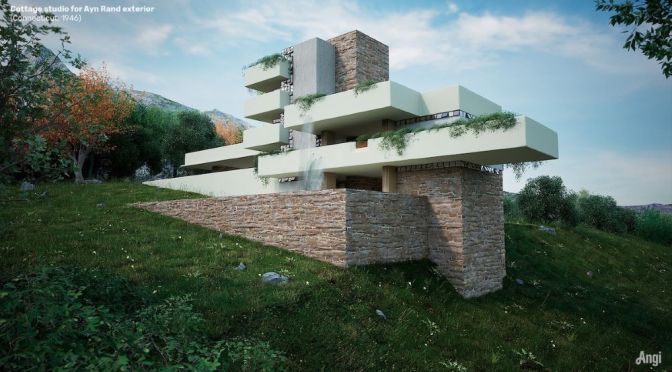
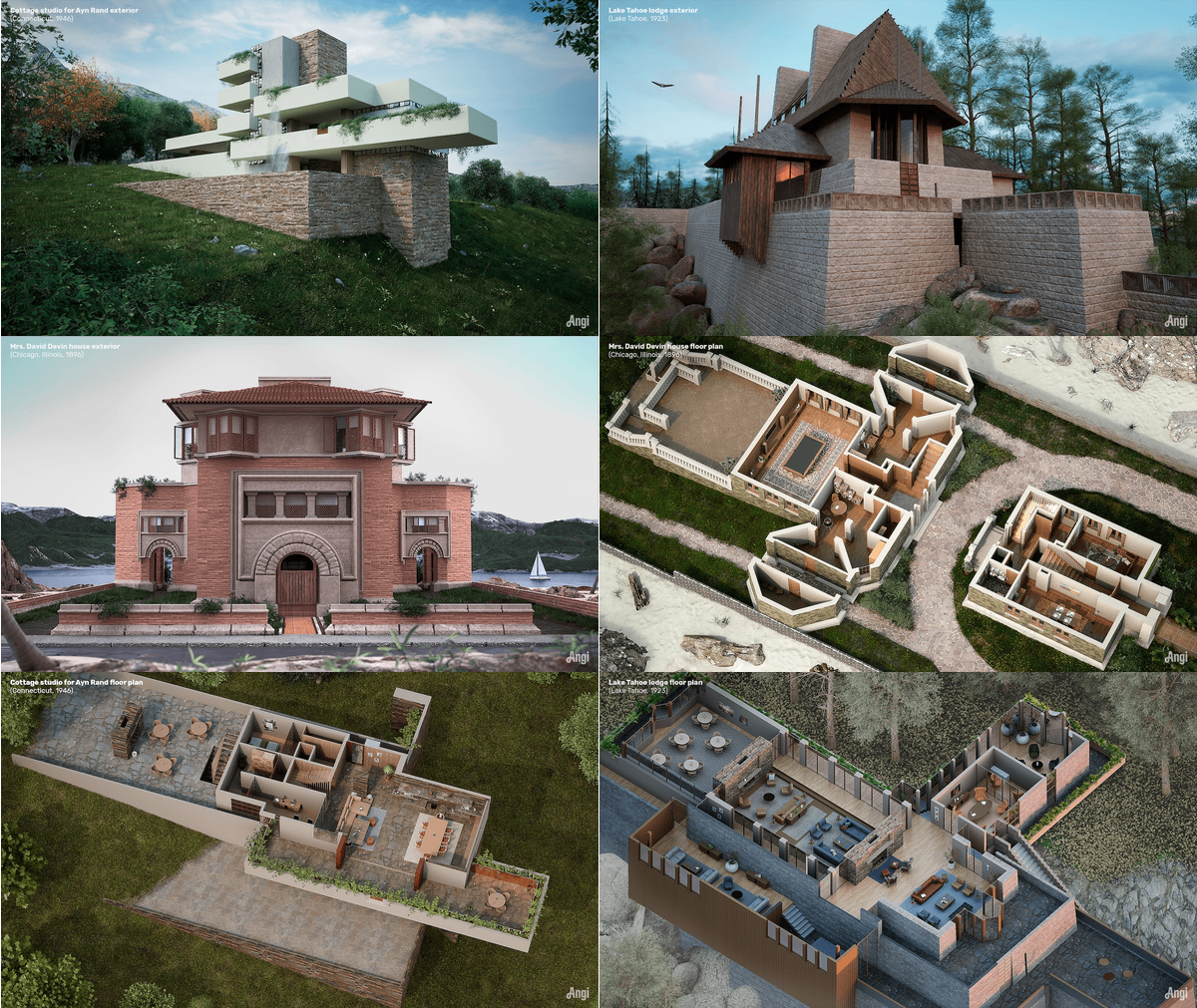
Frank Lloyd Wright is one of the most famous architects to ever live. He is known for the first American style of architecture called the Prairie style, the architectural masterpiece Falling Water, the Solomon R. Guggenheim Museum, and more. But despite his fame and the many followers he trained during his lifetime, more than half of his projects were never built. Out of 1,171 concepts, only 660 made it past the design phase. Angi and NeoMam Studios have selected three of these paper projects to bring to life.
“Wright’s plans are things of beauty, but it’s difficult to imagine what his unrealized sketches might have looked like in real life,’ says Angi. The new work helps make those sketches accessible to those not able to easily read or understand architectural drawings. The designers created a series of six images that feature one plan rendering and one perspective rendering of each project. The set describes not only what the buildings would have looked like, but also how they were organized.
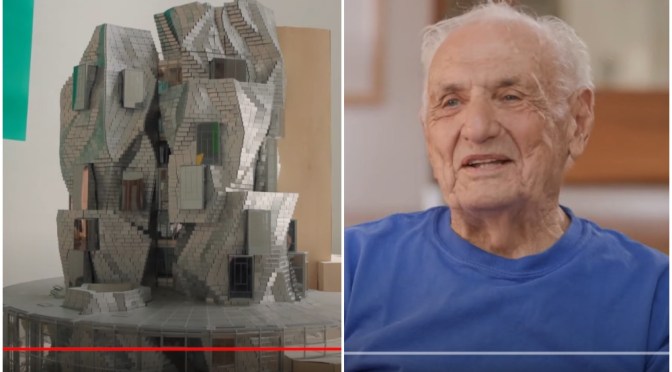
At 92, famed architect Frank Gehry is not resting on his substantial laurels. The designer behind such landmarks as the Walt Disney Concert Hall in downtown Los Angeles and the Guggenheim Museum in Bilbao, Spain, talks with “60 Minutes” correspondent Bill Whitaker about his creative process, and how aerospace technology has enabled him to turn his playful ideas into reality.
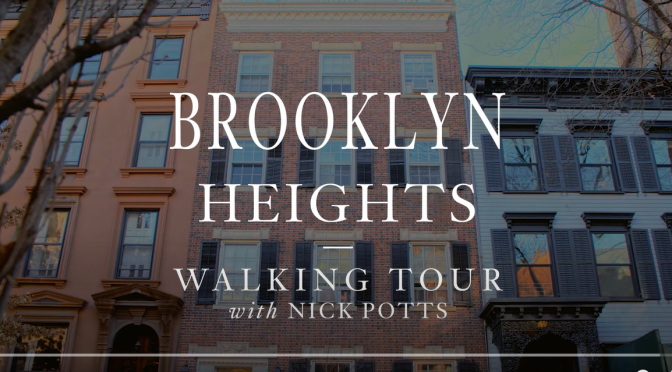
Today Architectural Digest takes you to Brooklyn Heights in New York City for a walking tour with architect Nicholas Potts, highlighting some complex architectural details hidden in plain sight. Just a ferry ride away from Lower Manhattan, the classic buildings of Brooklyn Heights reflect the neighborhood’s origins as a residential suburb for the late 19th-century’s emerging middle-class. From intricate flourishes to roman columns, a world of architectural influence can be seen from one building to the next, all in the same square mile.
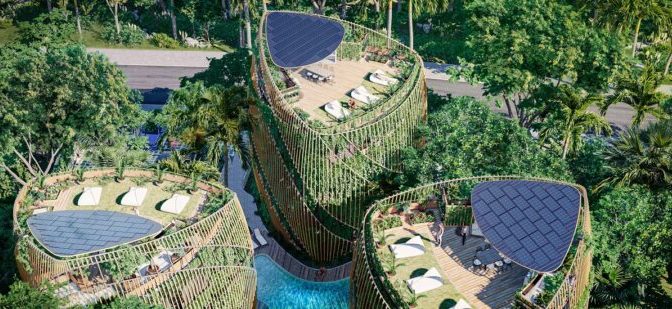
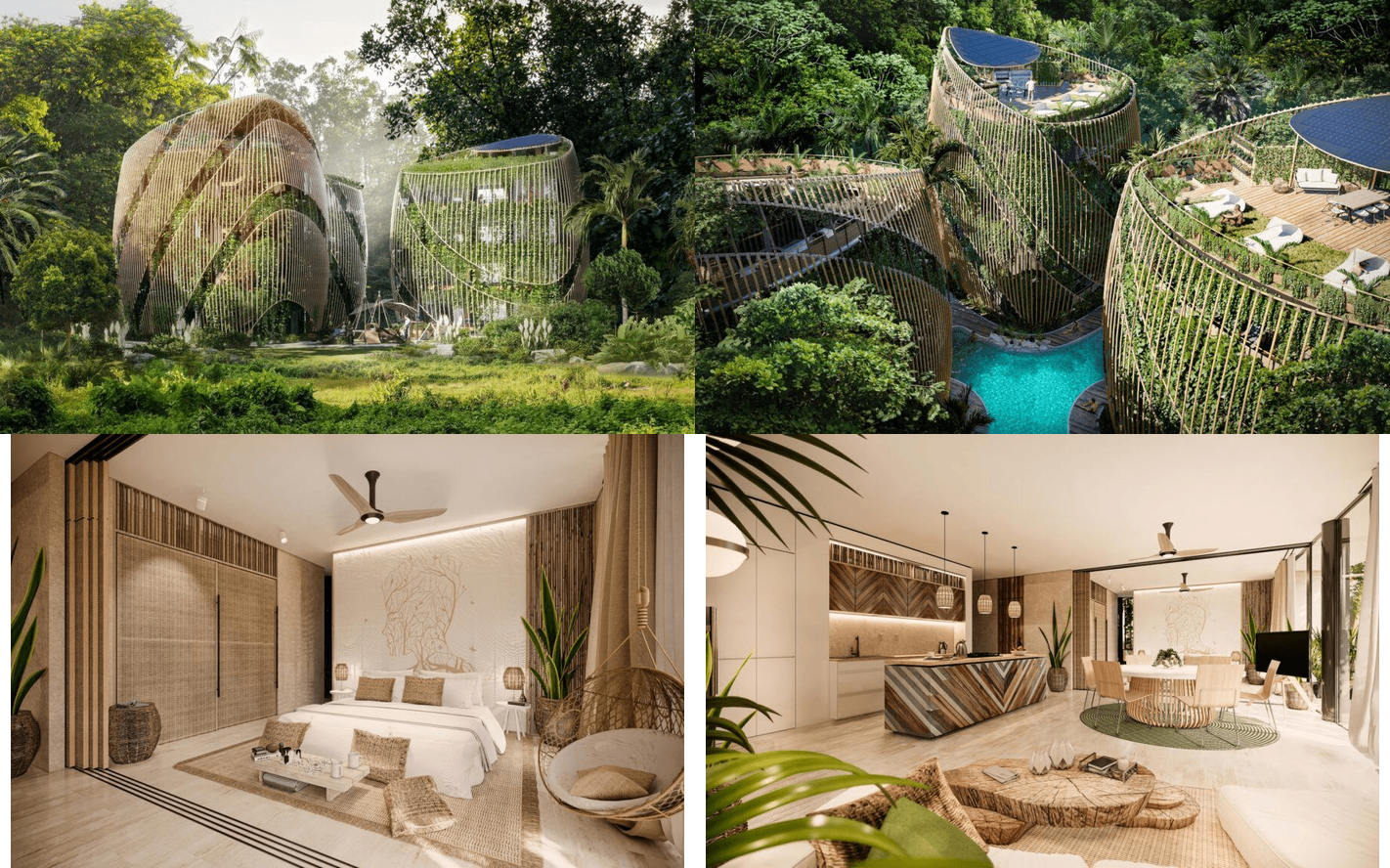
Living the Noom apartments look like giant bamboo bird cages bursting with green plantings. On top, shared roof decks boast deck chairs and community gardens where residents can grow food for the community or host a picnic. A pool sits on the axis between the apartment buildings, creating a natural landscape of green and blue.
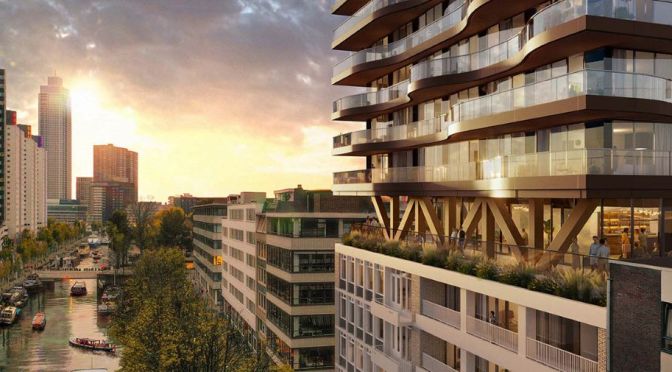
Called Riva, the new tower will be a residential building built on top of the existing office block, retaining the iconic reconstruction architecture of this building. The office completed the final design of the building.
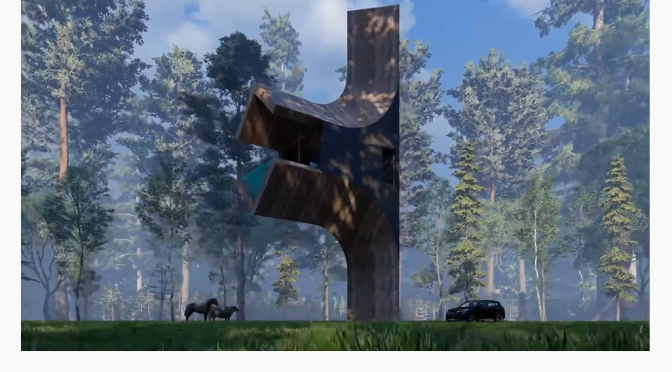
The location of this project is in Athena, Florida, In designing this project, we got an idea from a tree branch, so that the house is connected to a vertical structure in the form of a console, like a tree branch growing from a tree trunk.
Vertical connection including stairs and elevators inside the structure, which is located vertically, which acts as a vertical core. As soon as a person enters the house, one is faced with the endless view of nature, which is in front of the entrance door of the house. In fact, one reaches the light (interior space of the house) from the dark space of vertical connection.
The interior includes a bedroom and living room next to the fireplace, a bathroom and Wc , and a small kitchen.
An architect’s own home, Menzies Pop is a celebration of architectural craft. Introducing a refined material palette to the pre-existing building, Common Architecture maximises the potential of the New Zealand property. Located in Sumner, a suburb settled on the outskirts of Christchurch, Menzies Pop is a distinctive concrete construction.
A house tour of ‘The Bunker’, as it is referred to by locals, reveals the creative possibilities of the building that culminated in it becoming an architect’s own home. Hand-crafted details give character to the foundation of the house, such as clover shapes cut into the parapets and a skilfully carved arched entrance. Features retained by Common Architecture, such as a concrete ceiling and concrete work beams, present the home as an architecturally exciting offering.
Cementing its status as an architect’s own home, Menzies Pop emerges as a thoughtful reconfiguration of its original building. Three bedrooms are reimagined as a kitchen-living area, with their north-west orientation allowing the spaces to have access to a deck at the rear of the home. By moving the kitchen into a more communal part of the house, Common Architecture presents the space as central to family life. The interior design of the structure speaks to the fact that it is an architect’s own home.
An expert eye is applied to the scale of furniture, skylights and the single-length boards that cover some of the walls of the home, so that the dimensions of the building are emphasised. The beloved timber of the pre-existing home is complemented by teak, stone and brass accents, which form a sophisticated extension of the original material palette. Embracing its structural history, Menzies Pop stands as a cleverly crafted example of an architect’s own home.
Timeline: 00:00 – The Local Project’s Print Publication 00:20 – An Introduction to Menzies Pop by Common Architecture 00:40 – Where It’s Located 00:52 – The Existing House 01:35 – The Beginning of the Renovations 02:45 – The Key Elements of the New Renovation 03:47 – The Kitchen 04:01 – The Extension (First Floor Edition) 05:03 – The Key Learnings 05:41 – What Common Architecture Are Most Proud Of 06:19 – The Local Project’s Tri-Annual Subscription
News, Views and Reviews For The Intellectually Curious




 Boomers Daily