
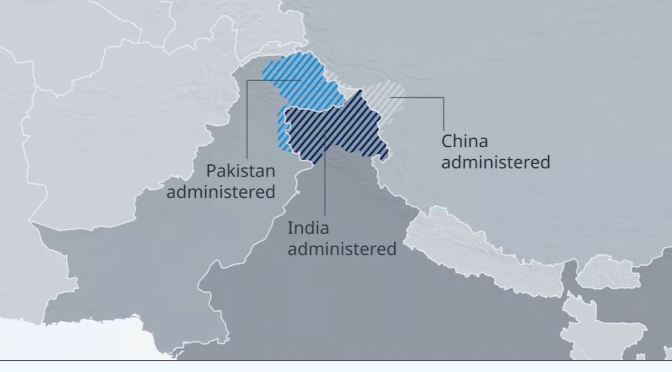
In February 2021, India and Pakistan agreed to strictly observe all previous agreements on ceasefire along the Line of Control in Jammu and Kashmir and other sectors, and to address core issues and concerns. It was their first joint statement in over eight years. But will the agreement be upheld this time? Both countries have come close to an all-out military conflict several times in the past two decades. DW takes a look at factors that are driving the hostility between the two South Asian neighbors.
Tag Archives: Analysis
Analysis: Why Demand For Armed-Drones Is Surging
Armed drones are growing in military importance as conflicts around the world have proven the utility of these effective tools of war. Companies in China, Turkey, and Russia, among others, have developed advanced remotely piloted aircraft that can use guided weapons on and off the battlefield.
The widespread use of drones in Iraq and Afghanistan by the United States to target and kill insurgents jump started a new chapter in the history of conflict. These high flying and remotely piloted aircraft could engage targets with impunity while the operators were safely working in a ground control station. Keeping the crews out of danger also made the drones politically cheap to use over dangerous skies.
Now more and more countries are gaining this military capability for their own purposes. “At the moment, we’ve seen over 100 states worldwide using military drones and that number is growing significantly” said Wim Zwijnenburg, Project leader, Humanitarian Disarmament at PAX. “We have over 20 states that are using armed drones in conflicts or outside of armed conflicts.”
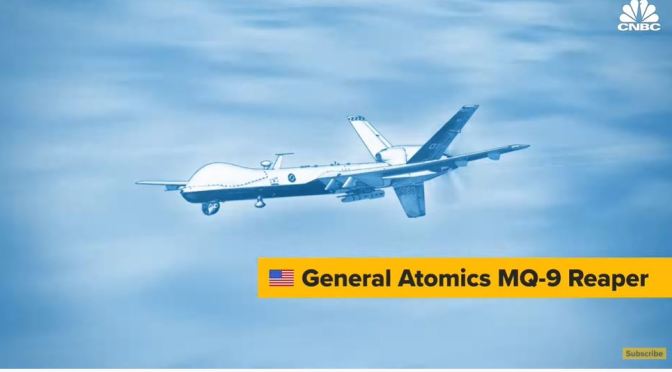
Although larger and more complex drones, like the General Atomics MQ-9 Reaper are not cheap to develop or operate, smaller drones are becoming more ubiquitous in conflict zones. Limiting the proliferation of these smaller drones, and the ability to weaponize them, is a regulatory nightmare for government agencies around the world.
“Drones are just model airplanes with great sensors on them. And all of these are dual use and have been used in the civilian realm” said Ulrike Franke, a Senior Policy Fellow at the European Council on Foreign Relations. “And in fact, drones have risen enormously in the civilian realm over the last five to 10 years. And so controlling their export is really difficult.”
Analysis: The Future Of Geothermal Energy
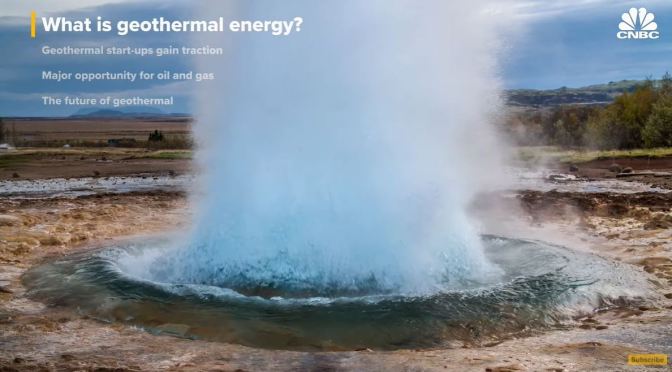
Miles below the Earth’s surface, there’s enough thermal energy to power all of humanity for the foreseeable future. It’s called geothermal energy, and it’s poised to play an increasingly large role as a source of always available, renewable power. Now, there are a number of startups in the geothermal space, working to figure out how to access this heat in difficult to reach geographies, at a price point that makes sense. And it’s even gotten the attention of oil and gas industry giants, who are interested in greening their portfolios while sticking to their core competencies – extracting energy resources from deep within the Earth.
Cultural View: What Will An Independent Scotland Look Like? (Documentary)
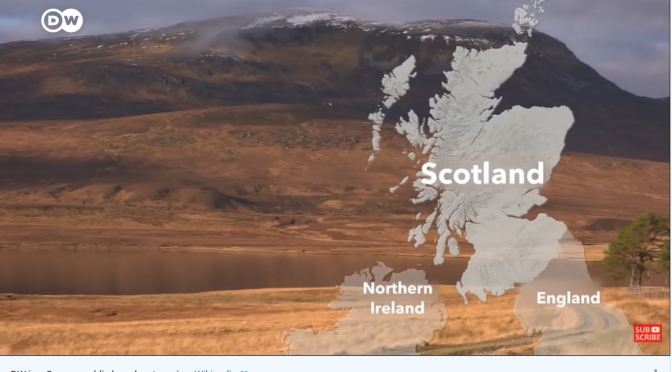
What does it mean to be Scottish? Since Brexit, people here at the northernmost end of the island of Great Britain have been asking this question with renewed vigour. Now, with the Scottish Parliament election approaching, many Scots see their future outside of the United Kingdom. So how do ordinary Scottish citizens see their homeland?
On her journey through Scotland, journalist Diana Zimmermann quickly learns that it is impossible to travel through the country these days without talking about Brexit. Geography and history have brought the Scots to a breaking point. Just ask Sophie Gault, a deer-hunter whose breath-taking workplace is in the heart of the Highlands, at the foot of Ben Alder. “Being Scottish is something I’m really proud of,” says Gault, adding that taking this job was the best decision she ever made.
“Being with nature and with wildlife, it makes you appreciate Scotland even more. There’s always that sense of community. And I’m very proud of our own Scottish humour.” What does fisherman Victor Laurenson, who had hoped Brexit would bring him better fishing conditions, think of his country now?
Janey Godley, a comedian from Glasgow, brings yet another perspective: In the Scottish independence referendum in 2014, she says, the English told the Scots to vote against independence so that Scotland could stay in the EU. “It’s basically like your Mum and Dad saying – look – if you go to bed early, when you wake up, you will have a pony. And you go to bed, you sleep early, you wake up and there’s just a cushion in the shape of a cat instead, and it’s not even a good cat.”
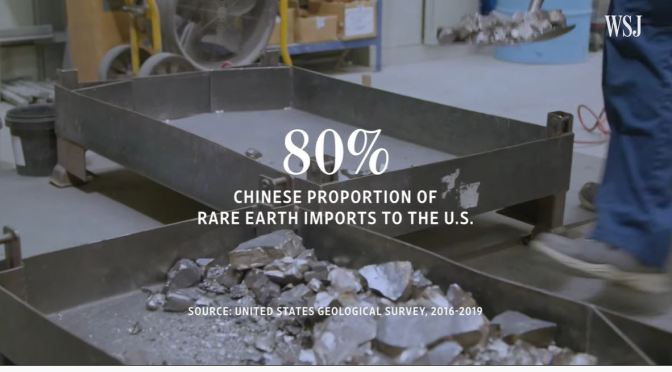
Analysis: How China Came To Dominate Rare Earth Minerals (WSJ Video)
Neodymium is critical to making the wheels of a Tesla spin or creating sound in Apple’s Airpods, and China dominates the mining and processing of this rare-earth mineral. So the U.S. and its allies are building their own supply chain. Photo illustration: Clément Bürge/WSJ
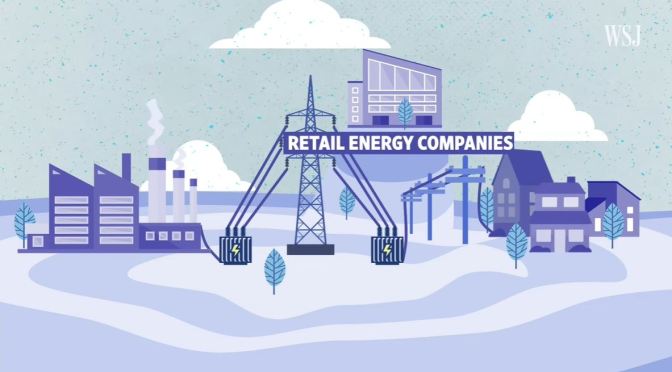
Analysis: How Electricity Bills Have Risen Over Time
Retail energy companies compete with local utilities to give U.S. consumers more choice. But in nearly every state where they operate, retailers have charged more than regulated incumbents, meaning you may be paying more for your electricity than your neighbors. Here’s why. Photo Illustration: Jacob Reynolds
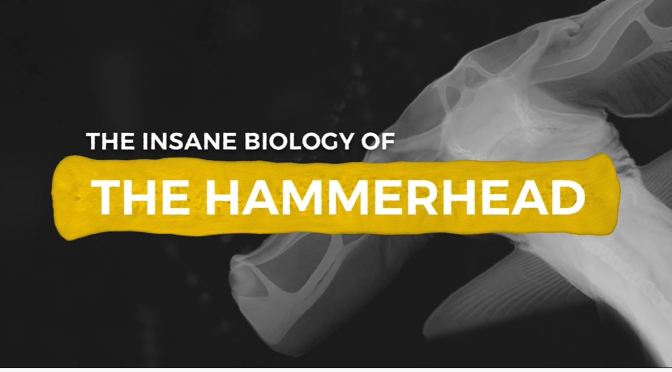
Wildlife: Hammerhead Sharks – ‘Insane Biology’
The hammerhead sharks are a group of sharks that form the family Sphyrnidae, so named for the unusual and distinctive structure of their heads, which are flattened and laterally extended into a “hammer” shape called a cephalofoil.
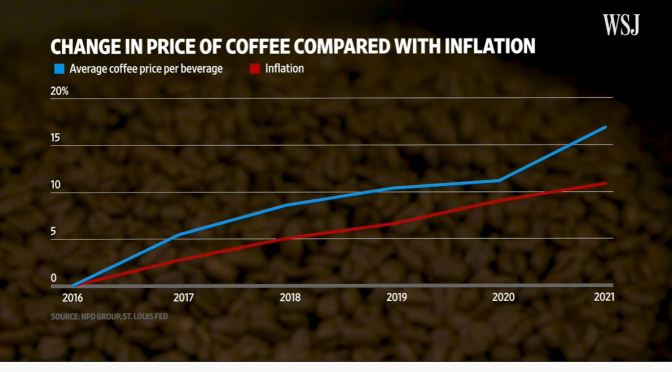
Analysis: Why Coffee Is Getting More Expensive
Coffee prices are heating up, and experts say an even bigger price hike could be coming. WSJ explains the web of economic forces that help determine the cost of coffee. Illustration: Mallory Brangan/WSJ

Real Estate Videos: Inside ‘Youtube Home Tours’
Luxury home tours on YouTube are exploding, and transforming the way high-end real estate is discovered and sometimes sold. YouTube personality Enes Yilmazer walks us through the making of a video for his channel, which gets an average of 15 million views a month. Photo: Mikey Ayers

Political Analysis: Is Taiwan Part Of China?
If countries were people, the relationship between China, America and Taiwan would be a love triangle like no other.
Taiwan is by some reckoning the most dangerous flashpoint between China and America. Though Taiwan is in most respects an independent country, China insists it is part of the People’s Republic and is not ruling out taking the island by force. If that were to happen it could ignite an all-out war between America and China. This film explains how this precarious situation came about and how might it play out.
 Boomers Daily