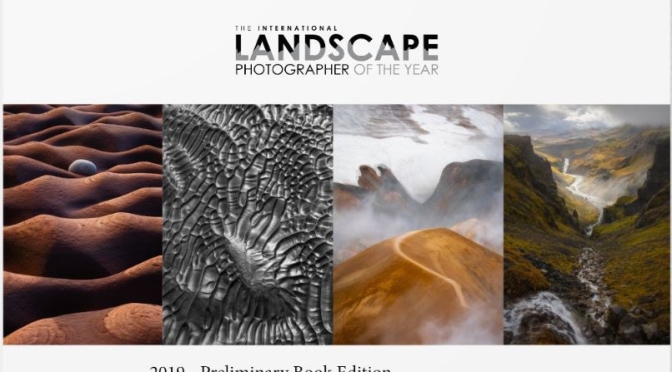
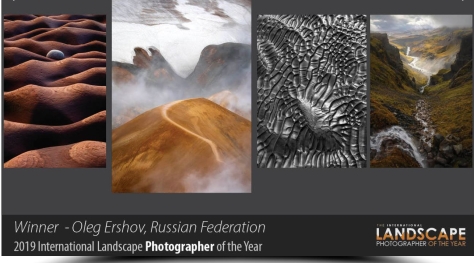
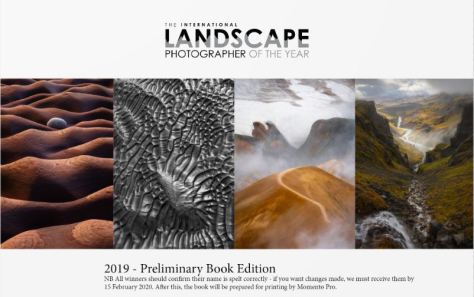
From website: Congratulations to Oleg Ershov, Russian Federation, the International Landscape Photographer of the Year 2019!
And to all the other winners and, most importantly, all the Top 101 photographers! It was a huge year and one of the toughest yet – the quality continues to get better and better!
The prize winners are:
Oleg Ershov, Russian Federation, the International Landscape Photographer of the Year 2019
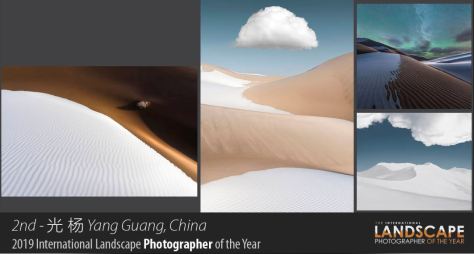
光 杨 (Yang Guang), China, The International Landscape Photographer of the Year 2019 – Second Place
Blake Randall, Canada, The International Landscape Photographer of the Year 2019 – Third Place
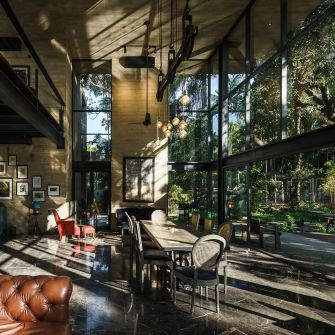
The two and half-storied ‘Vacation Villa’ in Himchori marine drive is a holiday destination amidst the natural setup of hills and sea. The existing topography inspired project is an alluring statement of contemporary architecture in Bangladesh. The purpose of the villa as a place of vacationing is well served as it ensemble two exquisite natural proponent of the site; sea and hills within its built premise. Knotting multiple forces of nature within a space to create and balance the desired psychological mood of relaxation for user was the challenge.
The composite structure of the project is well displayed to its true expression. The RCC structure of east and west wing have been adjoined centrally with steel structure. The sturdy sleek steel frame refurbished with glass is the central segment of the form. Recycled and vintage materials used in various spaces of the villa have added sophistication without making it much ornate.
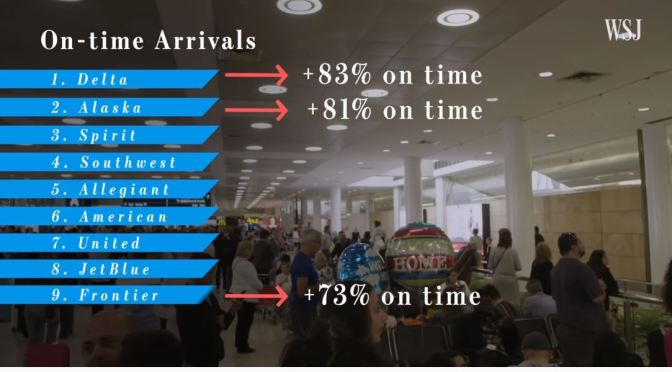
With more and more people taking flight each year, there’s a lot that can go wrong. WSJ’s Scott McCartney tallies the data for a definitive look at which airlines performed best and worst in 2019 in key categories like on-time departures, baggage handling and flight cancellations.
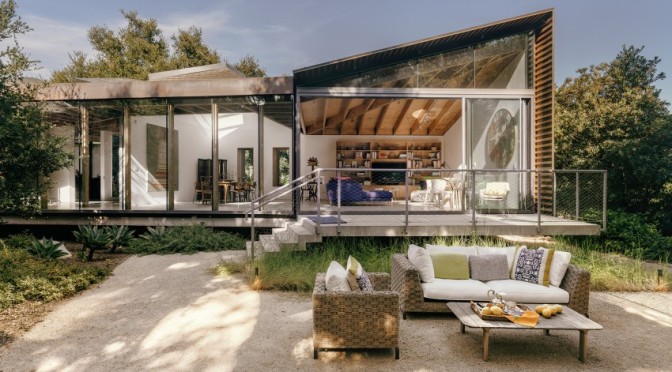
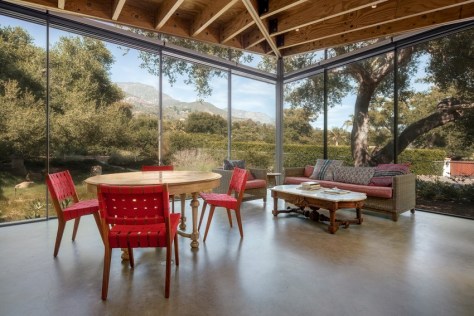
The interior palette is simple, even stark: concrete floors, gypsum board walls and ceilings, and exposed laminated-veneer lumber joists in the corridors and other areas. Colorfully glazed Heath clay tile punctuates specific areas: blue for the kitchen, and blue, pink, and yellow for the bathrooms. The exterior is even simpler, with the roof and siding of the boldly geometric volumes sheathed in copper shingles that act as a rainscreen while protecting the wood-framed structure from fire like a protective armor.
Designed by Los Angeles–based TOLO Architecture, the Branch House brings a village of abstract domestic forms to a typical suburban enclave in Montecito, Calif. The 4,400-square-foot single-family residence sits on a 1-acre site on a cul de sac. A series of eight rectangular volumes, each with a skylight, enclose a living room and dining room, a kitchen, a two-car garage, an office, two bedrooms, a master bath, and a powder room, respectively, and are deployed in a nonorthogonal layout across the site. The positioning of each balances the desire for occupant privacy as well as views of the surrounding landscape. Meandering glass-lined hallways connect the volumes and act as galleries for the client’s art collection.
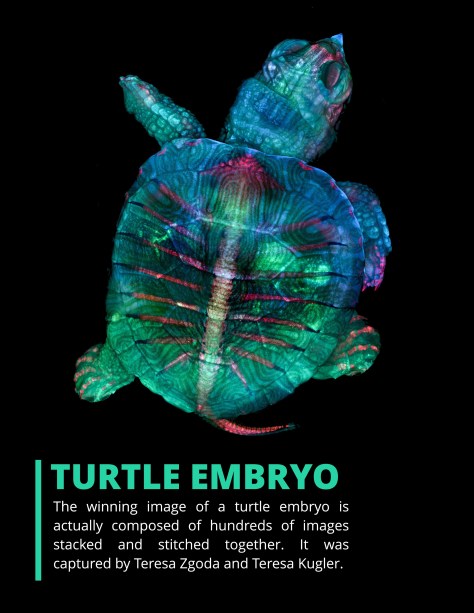
Location: Campbell Hall, New York, USA; Technique: Stereomicroscopy, Fluorescence; Magnification: 5x (Objective Lens Magnification)
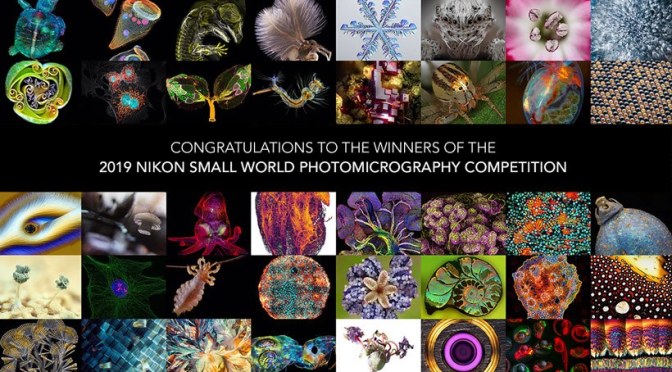
For microscopy technician Teresa Zgoda and recent university graduate Teresa Kugler, microscopy is a discipline that allows them to blend their dual passions of art and science. The 2019 winning image is a spectacular example of that, featuring a colorful turtle embryo captured using a combination of fluorescence and stereomicroscopy.
The pair captured this image while assisting in the Marine Biological Laboratory’s embryology course. It was here they learned the precise technique required to properly prepare various types of embryos to be observed and photographed. Creating this image was a unique challenge, largely due to the size of the sample. Over an inch long, and thick, it took time and precision to ensure the entire subject was photographed completely. What’s more, the magnification used meant only a small part of the turtle could be imaged on the focal plane. The final image is a compilation of hundreds of images that had to be stacked and stitched together.
When they are not taking photos through the microscope, both women enjoy being creative (for Kugler, that means cosplay, and for Zgoda it means photographing the landscapes, plants, and animals she sees on her hikes). Zgoda has recently started a job in a Boston hospital in a lab focused on neurology, while Kugler is excited to see what the world of science has in store for new Rochester Institute of Technology graduate.
“Microscopy lets us get a better look at the small things in life,” said Kugler, “It allows me to do science with a purpose.”
“We are inspired by the beautiful images we see through the microscope,” added Zgoda, “It’s amazing to be able to share that science with other people.”
“Future of Food” series on PBS. In this episode they discussed technology in food production including fast-growing salmon (Aquabounty), cell-based meat (Memphis Meats), diversified crop rotation in Iowa, and other trends.

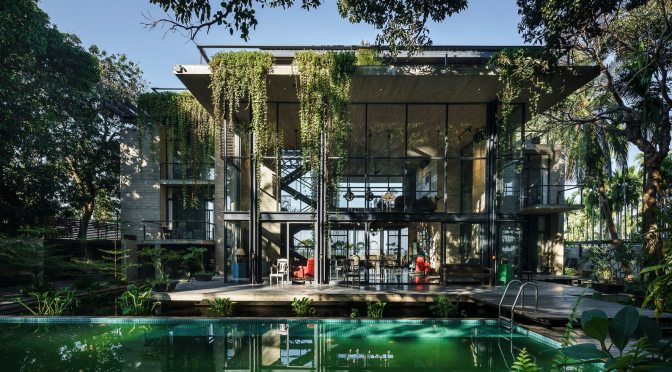
 The two and half-storied ‘Vacation Villa’ in Himchori marine drive is a holiday destination amidst the natural setup of hills and sea. The existing topography inspired project is an alluring statement of contemporary architecture in Bangladesh. The purpose of the villa as a place of vacationing is well served as it ensemble two exquisite natural proponent of the site; sea and hills within its built premise. Knotting multiple forces of nature within a space to create and balance the desired psychological mood of relaxation for user was the challenge.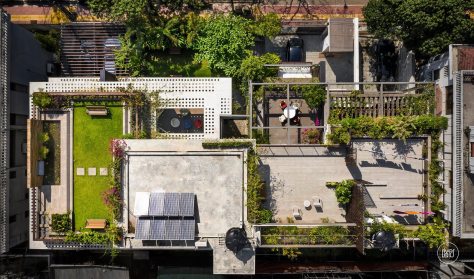






 “Future of Food” series on PBS. In this episode they discussed technology in food production including fast-growing salmon (Aquabounty), cell-based meat (Memphis Meats), diversified crop rotation in Iowa, and other trends.
 Times Critics Talk About Their Year-End Lists
 Boomers Daily