
New Science Podcasts: Faster Image ID, Crafting Crystals And Coronavirus / Covid-19 Update (Nature)

Nature PodcastsListen to the latest from the world of science, with Benjamin Thompson and Nick Howe. This week, improving computers’ image identification, and a new method for growing crystals.

In this episode:

00:44 Upgrading computer sight

Researchers have designed a sensor that allows machines to assess images in nanoseconds. Research Article: Mennel et al.News and Views: In-sensor computing for machine vision

06:51 Research Highlights

Calorie restriction’s effects on rat cells, and the dwindling of sandy seashores. Research Highlight: Old age’s hallmarks are delayed in dieting ratsResearch Highlight: Sandy beaches are endangered worldwide as the climate changes

08:53 Crafting crystals

To understand the structure of materials, researchers often have to grow them in crystal form. A new method aims to speed up this process. Research article: Sun et al.

14:48 News Chat

Coronavirus outbreak updates, and climate change’s role in the Australian bush fires. News: Coronavirus: latest news on spreading infectionNews: Climate change made Australia’s ‘unprecedented’ bushfires 30% more likely
Health: All Adults 18-79 Should Be Screened For Hepatitis C Virus (HCV)

From a Stanford University online article (March 2, 2020):

Health Policy Stanford“The opioid epidemic has added fuel to the HCV fire, substantially increasing transmission,” said Owens. “HCV is now an enormous public health problem, affecting a much broader age range of people than before. Fortunately, we have the tools to identify people and treatment is now successful in the vast majority of patients, so screening can prevent the mortality and morbidity from HCV.”
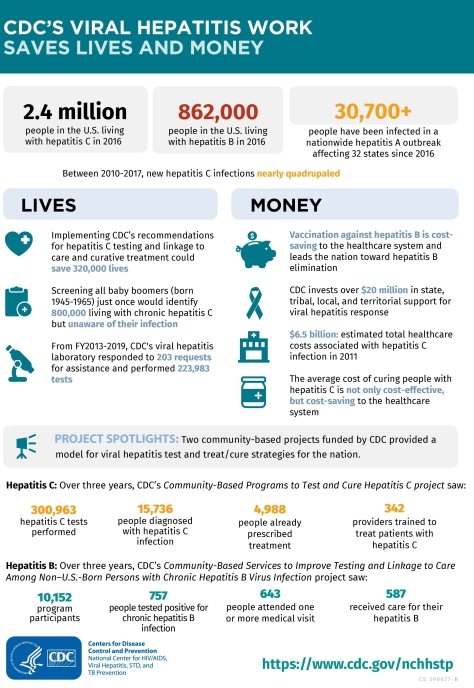

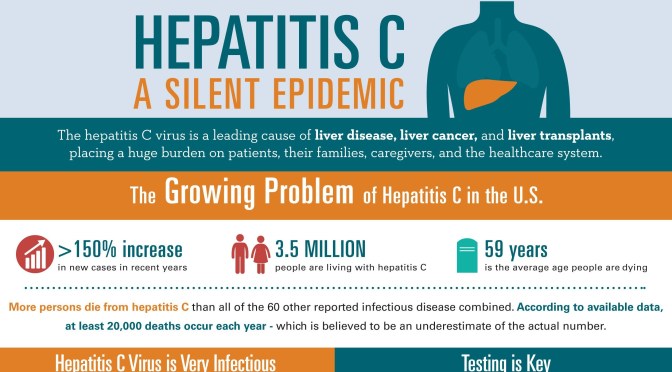
A task force of national health experts recommends clinicians screen all adults 18 to 79 for the hepatitis C virus (HCV), noting that the viral infection is now associated with more deaths in the United States than the top 60 reportable infectious diseases combined. Many people are unaware they are carrying the viral infection.

CDC-viral-hepatitis-work-P-page-0

“People with hepatitis C do not always feel sick and may not know they have it,” says chair of the U.S. Preventive Services Task Force Douglas K. Owens, M.D, M.S. “Screening is key to finding this infection early, when it’s easier to treat and cure, helping reduce illnesses and deaths.”

Owens, who is the director of Stanford Health Policy and the Henry J. Kaiser, Jr., Professor of Medicine, said the opioid epidemic now plays an important role in the prevalence of HCV. There are more than three times the number of acute HCV cases than a decade ago, particularly among young, white, injection drug users who live in rural areas. Women aged 15 to 44 have also been hit hard by the virus that is spread through contaminated blood.

Read full Article

Art History Podcasts: “Understanding the Medieval World through Books” (Getty Museum)

Getty Museum PodcastsWhat was the world like from 500 to 1500 CE? This period, often called medieval or the Middle Ages in European history, saw the rise and fall of empires and the expansion of cross-cultural exchange.

Getty curator Bryan C. Keene argues that illuminated manuscripts and decorated texts from Africa, Asia, Australasia, the Americas, and Europe are windows through which we can view the interconnected history of humanity. In this episode, he discusses his recent book Toward a Global Middle Ages: Encountering the World through Illuminated Manuscripts, highlighting the challenges and opportunities of the emerging discipline known as the Global Middle Ages.

Politics: Biden And Sanders Emerge As Favorites On “Super Tuesday” (BBC News)


Super Tuesday provided contrasting fortunes for the Democratic candidates hoping to take on Donald Trump. BBC reporters were on the ground with the three leading campaigns as the results came in (but with no decision yet in the all-important Texas and California contests). Here are their verdicts on where Bernie Sanders, Joe Biden and Michael Bloomberg stand now.

Art Lectures: “Science In The 17th Century Dutch Golden Age” (MFA Boston)

Peer through the lens of flourishing 17th-century Dutch technological innovation to witness wondrous advancements in science, including astronomy and medicine.

Harold J. Cook, John F. Nickoll Professor of History, Brown University

Medicine: “Relentless Prescription Drug Price Increases” (JAMA Podcast)

JAMA Network NewsDrug Pricing Theme Issue: Is Pharma Earning Too Much?, R&D Costs Required to Bring a New Drug to Market, Probiotic Safety, and more
One in 4 people in the US has difficulty paying the cost of their prescription medications. This stark fact was recently reported in a 2019 Kaiser Family Foundation public opinion poll among a nationally representative random sample of 1205 adults.1 Persons who reported having the greatest difficulty affording their prescription drugs were those who most needed them, including those who took 4 or more prescription drugs, spent $100 or more per month on their drugs, and reported being in fair or poor health.

Website

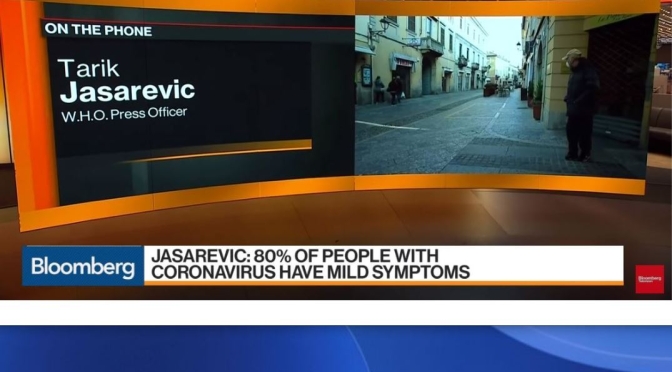
W.H.O. Update: 80% Of “Coronavirus/Covid-19” Patients – “Mild Symptoms”

Real-Time Update of Cases

Mar.03 — World Health Organization spokesman Tarik Jasarevic speaks from Geneva about the latest advice for avoiding the coronavirus. He also comments on efforts to develop a vaccine and advice for public health workers. He speaks on “Bloomberg Markets: European Open.”

Study: “Dysfunctional And Variable Sleep” Increases Risks Of Cardiovascular Disease

From a MedPageToday.com online article (March 2, 2020):

Journal of the American College of CardiologyDysfunctional sleep likely is by far the most prevalent comorbidity in CVD. This makes it essential to explore the nature of sleep, but this is reliant on the enthusiasm of clinician scientists,” according to the editorialists.

“In modern society, both the quantity and quality of sleep are negatively influenced by factors such as longer hours of work, more shift work, artificial light and cell phones, all leading to self-reported daytime symptoms such as fatigue, tiredness, and sleepiness,”

A larger range in individual sleep duration and sleep timing across 7 days of wrist actigraphy was associated with significantly more CVD events over a median 4.9 years of follow-up (P=0.002 for both trends).

Read abstract of Study

Read full article

News, Views and Reviews For The Intellectually Curious