
Category Archives: Reviews

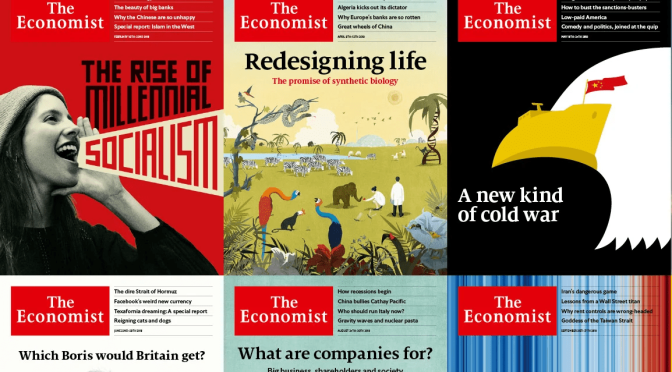
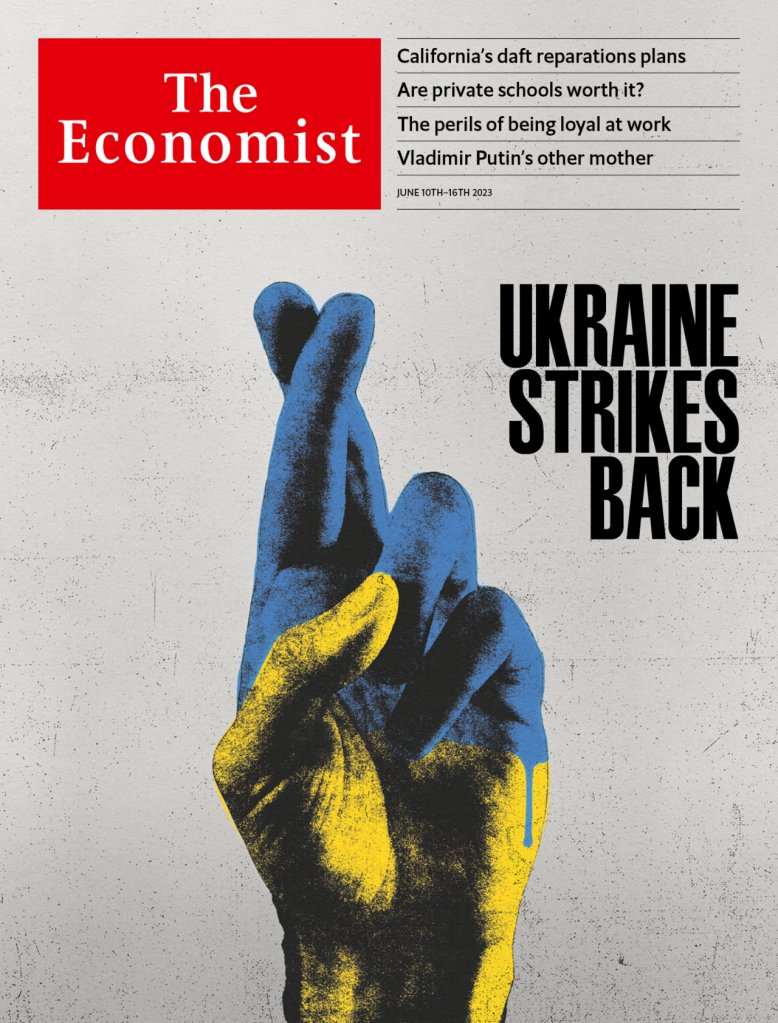
Previews: The Economist Magazine – June 10, 2023

Image

The Economist Magazine– June 10, 2023 issue:

Ukraine strikes back


The counter-offensive is getting under way. The next few weeks will be critical

Trailed ten days early with a blood-stirring video in which Ukrainian troops asked God to bless their “sacred revenge”, Ukraine’s counter-offensive is under way. For weeks its armed forces have conducted probing and shaping operations along the 1,000km front line, looking for weaknesses and confusing the Russians. Now Ukraine is testing enemy defences with an intensity not seen for months, with attacks against the occupiers in a series of positions in the east and south. The apparent demolition of the Kakhovka dam on June 6th, if it was indeed Russian sabotage as Western military sources believe, would be clear evidence that they are already feeling the pressure.

Apple’s Vision Pro is an incredible machine. Now to find out what it is for

The meaning of “spatial computing”

No one shows off a new gadget quite like Apple. But the device that Tim Cook unveiled on June 5th was billed as something more significant. The Vision Pro, a pair of sleek glass goggles, represents “an entirely new spatial-computing platform”, said Apple’s boss, comparing its launch to that of the Macintosh and the iPhone. Apple’s message is clear: after desktop and mobile computing, the next big tech era will be spatial computing—also known as augmented reality—in which computer graphics are overlaid on the world around the user.

California’s reparations scheme is bad policy and worse politics

Democrats should ditch it in favour of ideas that Americans actually support
Politics: The Guardian Weekly – June 9, 2023

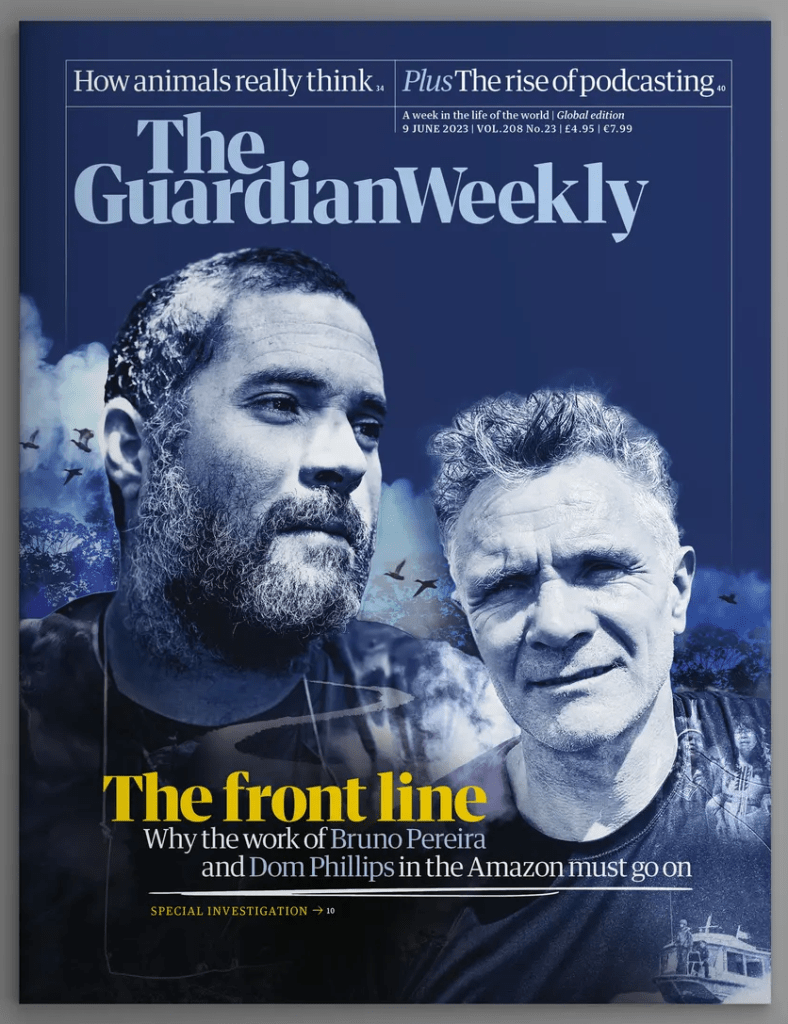
The Guardian Weekly (June 9, 2023) – A year ago, the Indigenous expert Bruno Pereira and Guardian contributor Dom Phillips were murdered in a remote area of the Brazilian Amazon. They had travelled there to meet with Indigenous activists who patrol the Javari valley to protect it from illegal fishing and mining gangs.

Their deaths laid bare the environmental devastation inflicted under Brazil’s former president, Jair Bolsonaro, as well as the extreme threat to those who dare to disrupt the activities of exploitative industries in the region. That’s why, in collaboration with an international journalists’ consortium, the Guardian has published the Bruno and Dom project: a series that seeks to honour their work and continue it. You’ll find a selection of pieces in this week’s Guardian Weekly and the rest are available online.

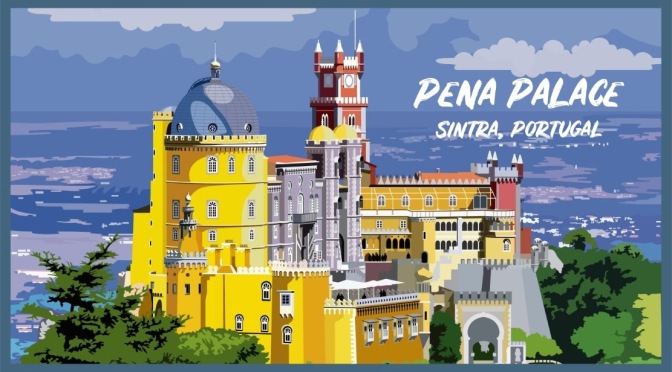
Travel Guide: What To See & Eat In Sintra, Portugal

ILLUSTRATION BY CLARE COLLINS

The Times and The Sunday Times (June 6, 2023) – Don’t be fooled by its modest size.

Sintra town square

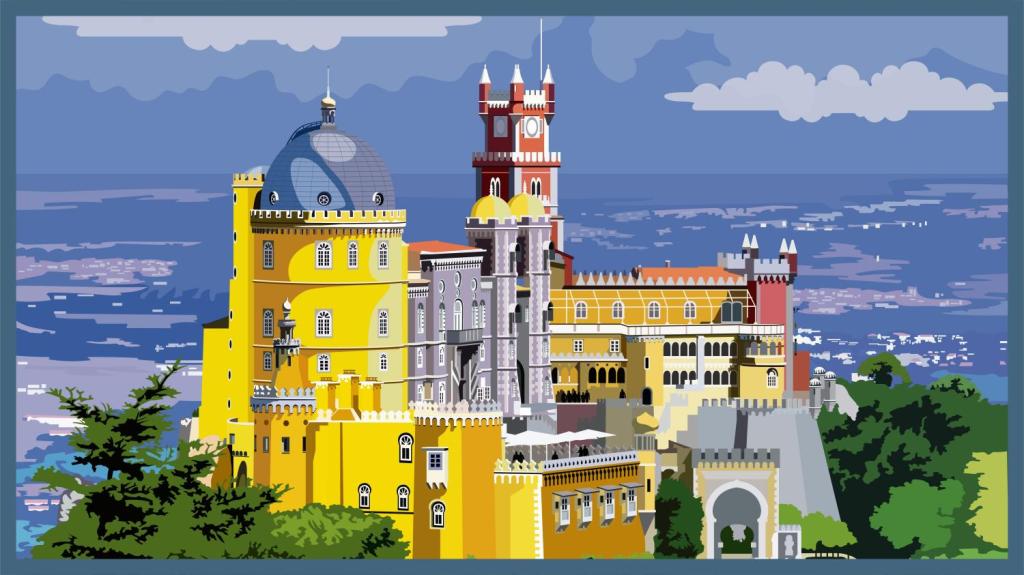
For centuries Sintra was the favoured summer retreat and hunting ground of Portuguese nobles, and their legacy is a veritable jewel box of palaces, castles and candy-coloured mansions.

The traditional retreat of Portuguese nobility provides the perfect mix of palaces and pastries

The Unesco-listed cultural landscape of domes and turrets seems to be straight out of a fairytale — no wonder it has fired the imaginations of literary luminaries from Hans Christian Andersen to Byron. Deserving of far more than a day trip from Lisbon, 20 miles away, Sintra is even more magical at the day’s end. Once the coach parties have departed, the few who linger have the run of all those lofty viewpoints and quaint pestico bars.

Casa Piriquita

Casa Piriquita
There’s more to Portuguese pastry craft than pasteis de nata, as this traditional bakery that dates from 1862 proves. Treat yourself to a signature queijada, a type of cheesecake, or the sugar-dusted puff pastry “cushions” called travesseiros, which are filled with almond cream.

Incomum by Luis Santos
Incomum is one of Sintra’s smartest dinner spots, with a Mediterranean menu that ranges from carpaccio and truffle-laced risotto to Iberian pork filet mignon and lobster bisque — and a signature olive oil pudding to finish. Handily, there’s a wine bar next door for an aperitif or post-dinner glass of port.

Read more

Art: ‘Bonnard – Designed By India Mahdavi’ (June ’23)

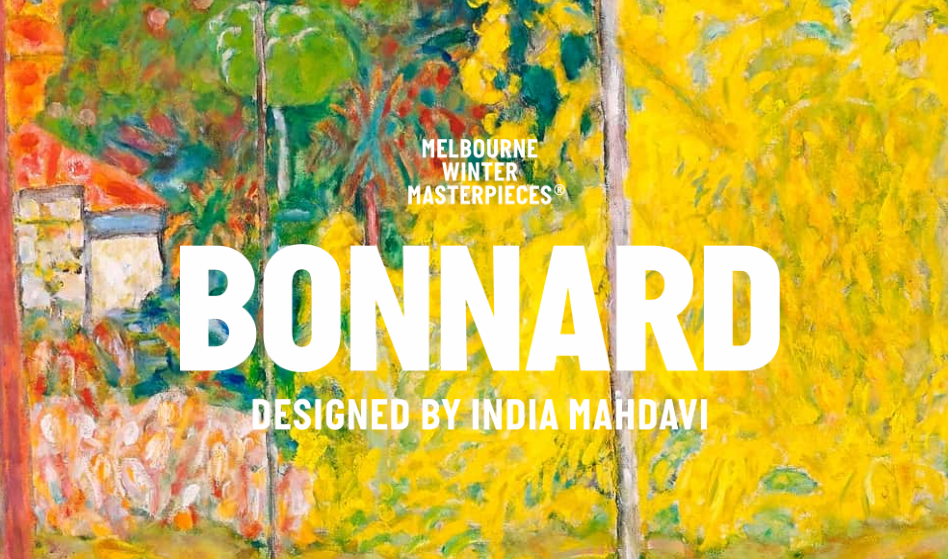
designboom Films (June 8, 2023) – Pierre Bonnard is one of the most beloved painters of the twentieth century, celebrated for his use of colour to convey an exquisite sense of emotion. His close friend Henri Matisse declared that Bonnard was ‘a great painter, for today and definitely also for the future’.

Opening in June 2023, the blockbuster Melbourne Winter Masterpieces® exhibition Pierre Bonnard presents the iridescent paintings of Bonnard within immersive scenography by Paris-based designer India Mahdavi

Pierre Bonnard (3 October 1867 – 23 January 1947) was a French painter, illustrator and printmaker, known especially for the stylized decorative qualities of his paintings and his bold use of color. A founding member of the Post-Impressionist group of avant-garde painters Les Nabis, his early work was strongly influenced by the work of Paul Gauguin, as well as the prints of Hokusai and other Japanese artists. Bonnard was a leading figure in the transition from Impressionism to Modernism.

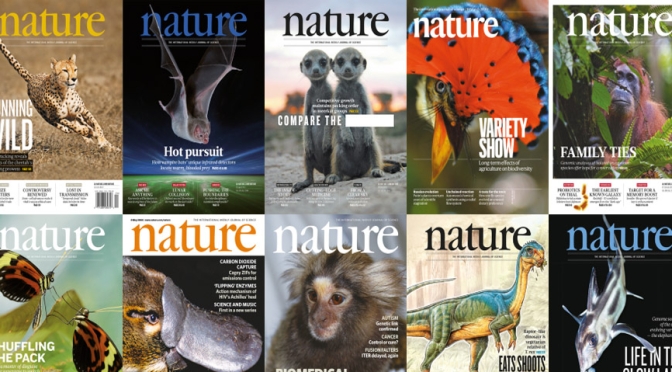
Research Preview: Nature Magazine – June 8, 2023

Image

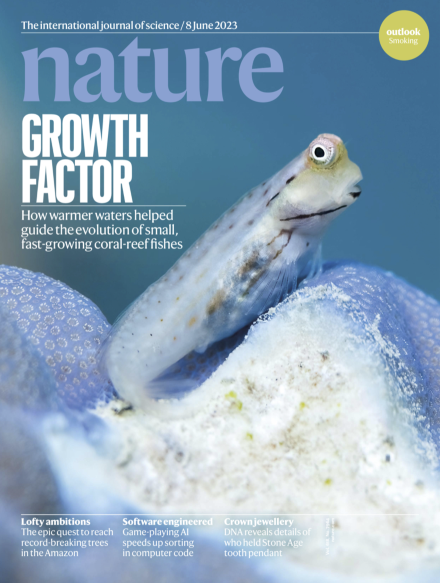
nature Magazine – June 8, 2023 issue:  Coral reef fishes, such as the blenny Ecsenius stictus pictured on the cover, are diverse, abundant and grow quickly. In this week’s issue, Alexandre Siqueira and his colleagues investigate the evolutionary history of these fishes to find out how growth has shaped life on coral reefs. 

Camera that could fit on a penny captures vivid colour photos

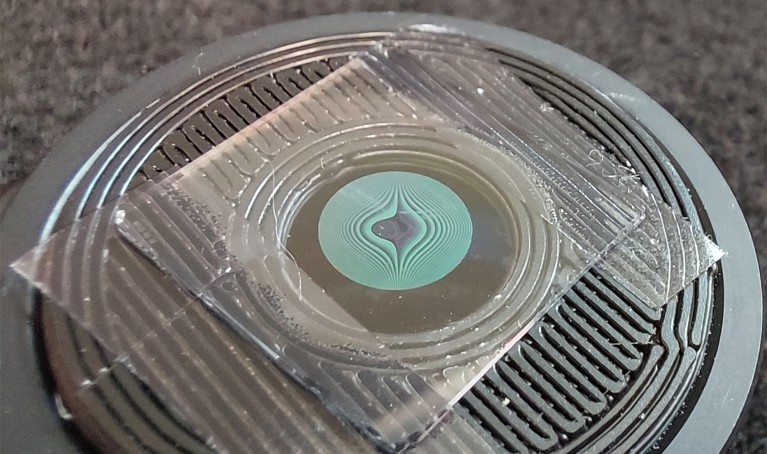
Optimized phase mask of five-millimetre diameter fabricated using a nanofabrication approach.

A ‘meta-lens’ and corrective algorithms allow a tiny device to produce high-resolution images.

A computational-imaging technique paves the way for ultra-small cameras that could be used in various portable devices.

These hardy ants build their own landmarks in the desert

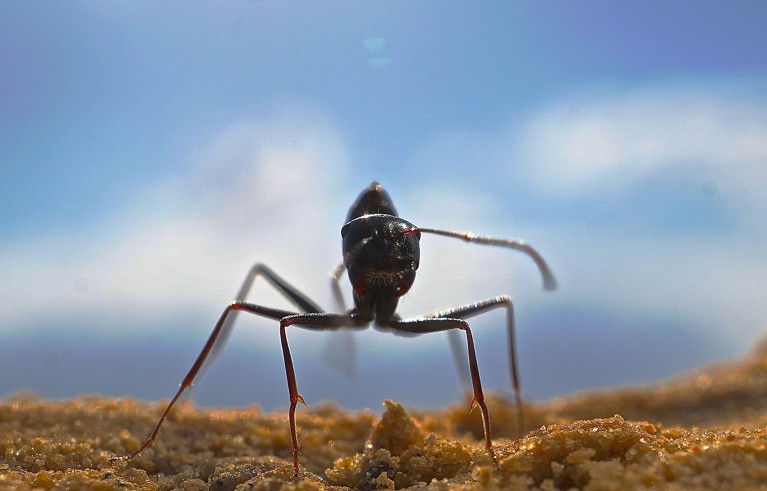
Tunisian desert ant Cataglyphis fortis.

Ants living on the sprawling salt pans of Tunisia use DIY markers to find their way home.

The desert ant Cataglyphis fortis lives in Tunisia’s arid salt flats, and can travel more than a kilometre from its underground nest in search of food. Now scientists have found that these ants build tall hills on top of their nests that help the insects to find their way home across the vast, featureless landscape1.

Cover: Stanford Medicine Magazine – Summer 2023

Image

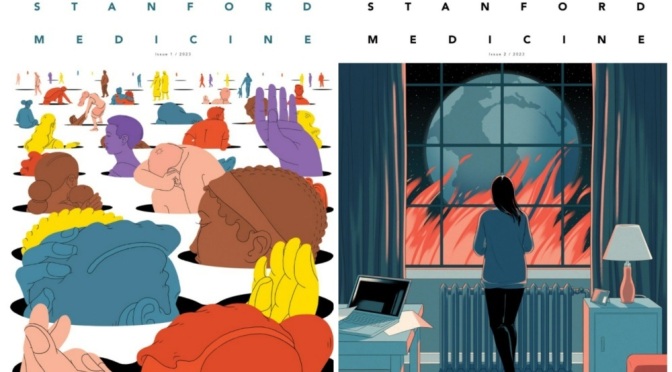
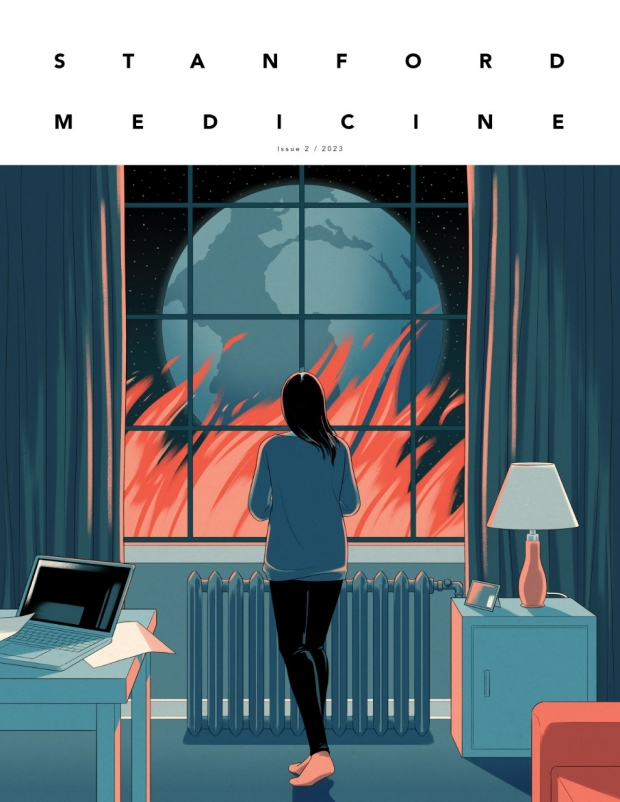
Stanford Medicine Magazine (Summer 2023) – The new issue of Stanford Medicine magazine explores how the environment and health interact — and ways to counter negative impacts.

Special delivery – mRNA moves past COVID-19

Cover for Special delivery

Catastrophe occasionally apologizes for itself by coughing up a consolation prize. World War II gave us penicillin. So, let’s count our blessings.

By Bruce Goldman

The COVID-19 pandemic, from which we’re still struggling to emerge, has expanded our working vocabulary, gifting the public lexicon with new, if admittedly mostly gloomy, words and concepts. (Examples: spike protein, intubation, N95, rapid antigen test.) We may not flood our speech with these terms, but we’re at least passingly familiar with them now.

Sniff – Making sense of smell

Cover for Sniff

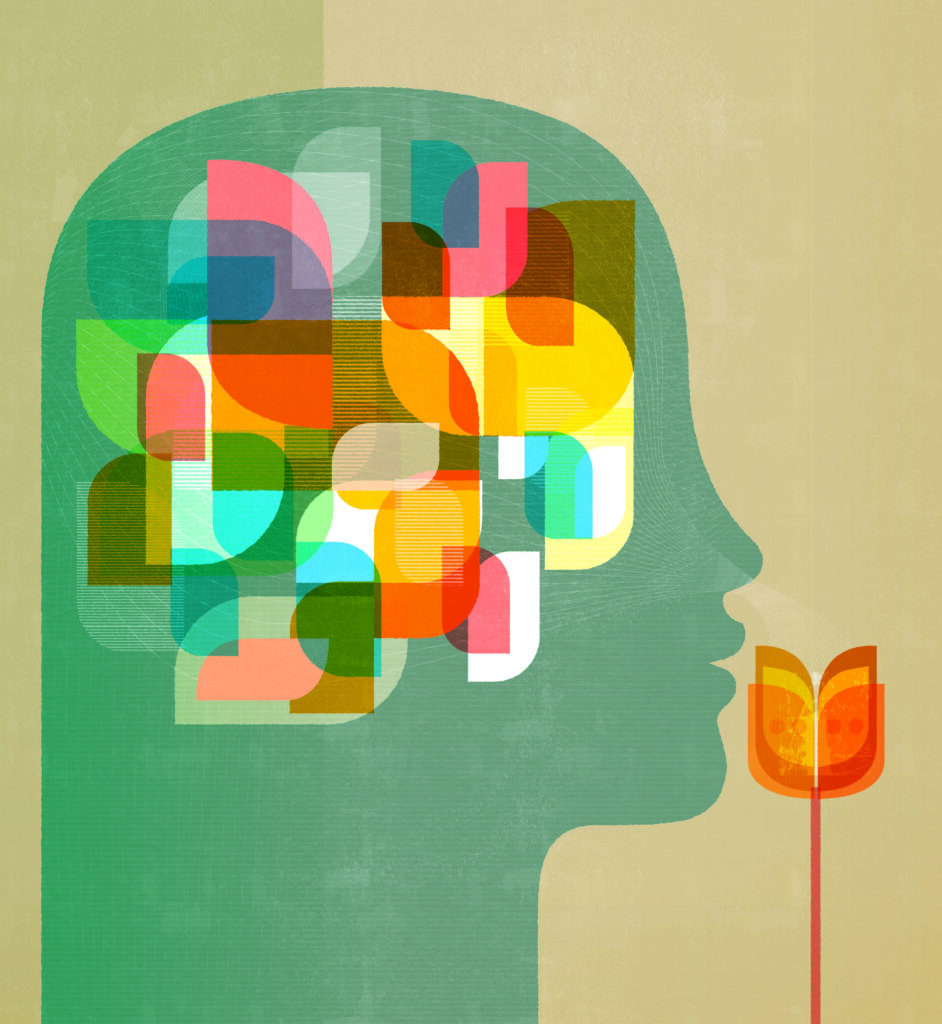
Among the human senses, smell — or more formally, olfaction — is often considered the most dispensable. In a recent survey, 1 in 6 college students said they would rather lose their sense of smell than their little left toe, and 1 in 4 would forgo their sense of smell to keep their phone.

By Nina Bai

But for people who’ve found themselves suddenly unable to smell — a more common predicament since the COVID-19 pandemic — the loss can be surprisingly, profoundly devastating.

Museum Stories: ‘Japanese Plate With Kintsugi Repair’

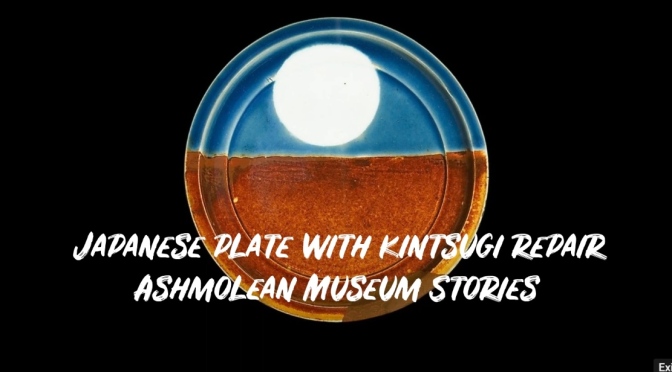
Ashmolean Museum (June 7, 2023): Here, animator Charlie Black brings the poetic story behind this beautifully broken 17th-century Japanese plate to life.

JAPAN COLLECTION

Ashmolean Museum – Oxford University

The Japanese collection is now best known for its ceramics, in particular the collection of seventeenth- and eighteenth-century export porcelain which is one of the most comprehensive collections in the world. Ceramics for the Japanese market are also well represented, including fine examples of Arita, Nabeshima and Hirado porcelain, tea ceremony wares and Kyoto earthenwares.

Arts/Books: Times Literary Supplement – June 9, 2023

Image

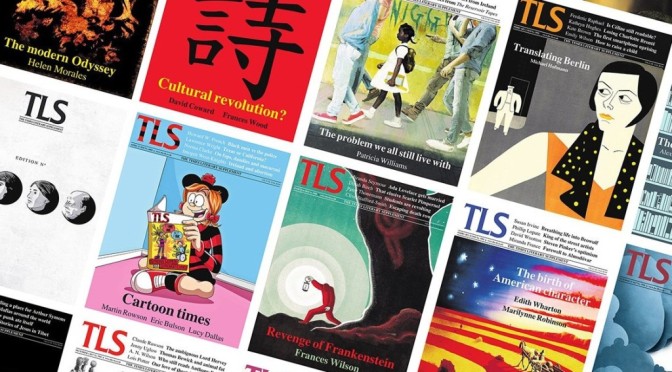
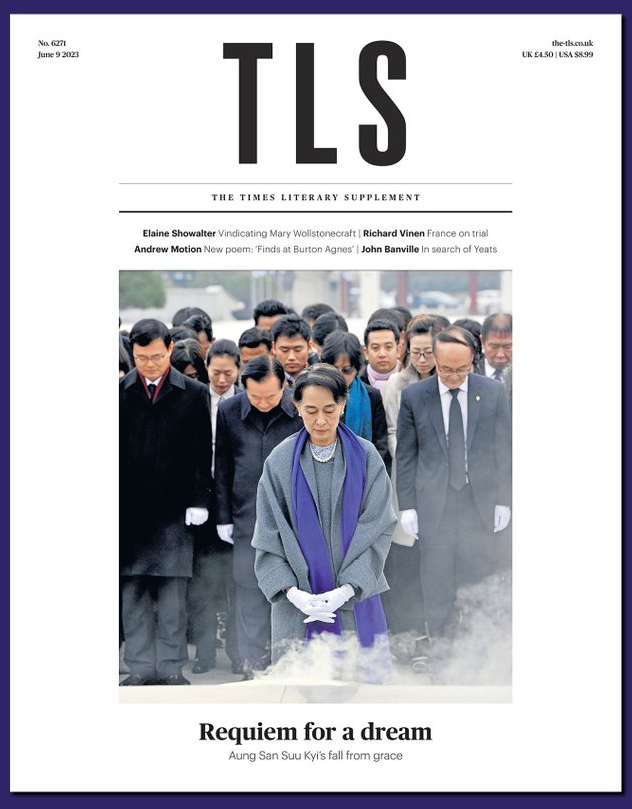
Times Literary Supplement (June 9, 2023): Requiem for a dream – Aung San Suu Kyi’s fall from grace; Vindicating Mary Wollstonecraft; France on Trial; In search of Yeats, and more…

Aung San Suu Kyi by Wendy Law-Yone review — how a saint became a pariah

Aung San Suu Kyi in Yangon, Myanmar, in 2011

This short biography explains why the West misunderstood the Myanmar leader. Review by Richard Lloyd Parry

In humanity’s long history of toppled heroes, shattered reputations and honour besmirched, it is difficult to think of a more extreme case than that of Aung San Suu Kyi. A decade ago, the Myanmar leader was among the most adored and respected figures in the world — winner of the Nobel peace prize, long-term political prisoner, an emblem of peaceful, uncompromising democratic struggle. Her ascension to the national leadership felt like the vindication of precious hopes and principles; today, “the Lady”, as she used to be known, is face down in the mud.

Environment: The Grand Canyon Is Losing Its River

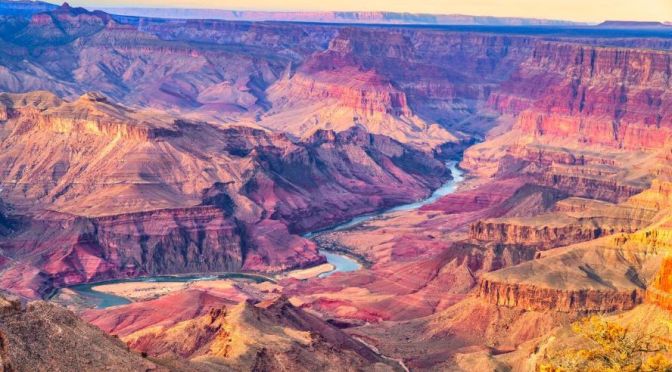
Long shadows are in the foreground of a view of the reddish canyon walls, which loom on either side and ahead. The sky is blue with ribbed white clouds.

The New York Times (June 6, 2023) – Down beneath the tourist lodges and shops selling keychains and incense, past windswept arroyos and brown valleys speckled with agave, juniper and sagebrush, the rocks of the Grand Canyon seem untethered from time. The oldest ones date back 1.8 billion years, not just eons before humans laid eyes on them, but eons before evolution endowed any organism on this planet with eyes.

The Grand Canyon, a Cathedral to Time, Is Losing Its River

Written and photographed by Raymond Zhong, who joined scientists on a 90-mile raft expedition through the canyon.

About half a dozen people with orange life jackets ride a blue raft on a murky, brownish and somewhat choppy Colorado River. Rust-colored canyon walls loom on either side and ahead of them. Three other rafts are in the distance.

Since 1963, the Glen Canyon Dam has been backing up the Colorado for nearly 200 miles, in the form of America’s second-largest reservoir, Lake Powell. Engineers constantly evaluate water and electricity needs to decide how much of the river to let through the dam’s works and out the other end, first into the Grand Canyon, then into Lake Mead and, eventually, into fields and homes in Arizona, California, Nevada and Mexico.


Spend long enough in the canyon, and you might start feeling a little unmoored from time yourself.

A spring that looks like a narrow waterfall cascades out of a hole in a canyon wall down into a calm part of the Colorado River. The canyon walls are rust-red.
North Canyon, and a spring at Vasey’s Paradise.

The immense walls form a kind of cocoon, sealing you off from the modern world, with its cell signal and light pollution and disappointments. They draw your eyes relentlessly upward, as in a cathedral.

You might think you are seeing all the way to the top. But up and above are more walls, and above them even more, out of sight except for the occasional glimpse. For the canyon is not just deep. It is broad, too — 18 miles, rim to rim, at its widest. This is no mere cathedral of stone. It is a kingdom: sprawling, self-contained, an alternate reality existing magnificently outside of our own.

And yet, the Grand Canyon remains yoked to the present in one key respect. The Colorado River, whose wild energy incised the canyon over millions of years, is in crisis.

Read more