

People who used a #salt substitute on their food had a lower risk of #stroke, #heartattack, and early death, compared with people who used regular salt, according to a large study published by The New England Journal of Medicine: https://t.co/JMsg9mnMwh #HarvardHealth pic.twitter.com/nBaYfYtlp7
— Harvard Health (@HarvardHealth) January 2, 2022
Category Archives: Medicine

2021 Heart Research: Top Findings Of Cardiologists
Coronary artery bypass graft (CABG) was supported as superior to fractional flow reserve (FFR)–guided percutaneous coronary intervention (PCI) for three-vessel coronary artery disease (CAD). PCI failed to meet noninferiority criteria at 1-year follow-up in a study comparing outcomes between FFR-guided PCI using contemporary stents and CABG. This adds to existing evidence showing superior outcomes with CABG in patients with the most-complex CAD.
The sodium–glucose transporter-2 (SGLT-2) inhibitor empagliflozin was found to be beneficial in heart failure with preserved ejection fraction. Empagliflozin is the first medication shown to improve outcomes in this population. It’s unknown if this is a class effect of all SGLT-2 inhibitors, but this could be a game changer.
Poor-quality carbohydrates were linked to cardiovascular mortality, around the world. Consumption of higher-glycemic-index carbohydrates was associated with higher rates of cardiovascular disease and mortality in countries all around the world. These data are particularly important because lower-income countries often have diets high in refined carbohydrates, which may worsen cardiovascular disparities.
New guidelines for managing valvular heart disease were released. These new guidelines add or elevate several recommendations for transcatheter therapy, and they lower thresholds for intervention in some conditions.
The editors of Circulation: Cardiovascular Quality and Outcomes addressed racial-ethnic disparities. The editors affirmed that structural racism is a public health crisis and that the scientific publishing community can play a role in addressing it.
Tricuspid annuloplasty for moderate regurgitation during mitral-valve surgery was of unclear benefit. Annuloplasty was associated with less progression of moderate tricuspid regurgitation but more pacemakers at 2 years. Unfortunately, this mixed outcome does not clearly inform the decision on performing annuloplasty at the time of surgery, and longer-term follow-up is needed.
Immediate angiography was not beneficial in out-of-hospital cardiac arrest without ST elevation. Patients with out-of-hospital cardiac arrest who did not have ST elevation on their initial ECG did not benefit from immediate angiography. Although a potential coronary culprit was identified in about 40% of patients, neurologic injury was by far the most frequent cause of death, negating any benefit from coronary revascularization.
Many statin side effects are related to the “nocebo” effect. A creative study enrolled 60 people with statin intolerance and gave them 12 randomly ordered 1-month treatment periods: 4 periods of no medication, 4 of placebo, and 4 of statin. Symptom intensity did not differ between placebo and statin periods and, interestingly, some even had more symptoms on placebo. This demonstrates that some cases of “statin intolerance” may be related to the “nocebo” effect.
Shorter duration of dual antiplatelet therapy following PCI/stent placement was found to be acceptable in patients with high bleeding risk. A large, randomized trial found that 1 month of dual antiplatelet therapy provided similar clinical outcomes and a lower bleeding risk than 3-to-6-month regimens for this challenging patient subset.
“De-escalation” of dual antiplatelet therapy for patients undergoing PCI for acute myocardial infarction (MI). This industry-funded study evaluated patients who had received 1 month of aspirin plus ticagrelor after acute MI and stent placement and “de-escalated” half to aspirin plus clopidogrel. At 1 year, there was significantly less bleeding in the de-escalation group and a nonsignificant trend toward fewer ischemic events as well.
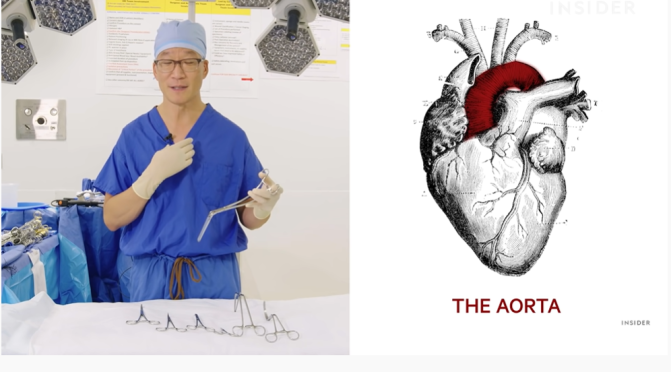
Medicine: Every Major Tool A Heart Surgeon Uses
Dr. Leonard Lee, a cardiac surgeon, explains every common tool he uses when he performs heart surgery in his operating room.
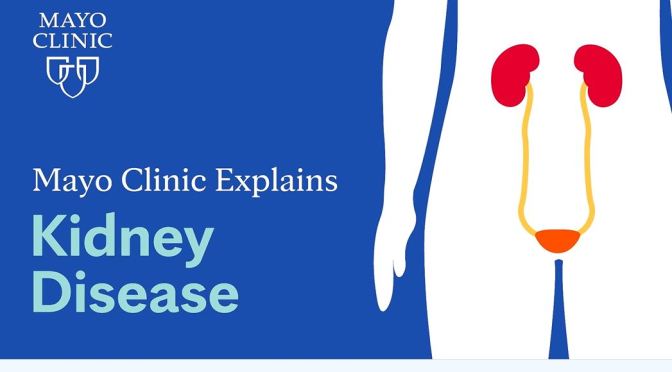
Medicine: Kidney Disease Explained (Mayo Clinic)
Chronic kidney disease, also called chronic kidney failure, involves a gradual loss of kidney function. Your kidneys filter wastes and excess fluids from your blood, which are then removed in your urine. Advanced chronic kidney disease can cause dangerous levels of fluid, electrolytes and wastes to build up in your body.
Video timeline: 0:31 What is kidney disease? 1:09 Who gets kidney disease/risk factors? 2:24 Kidney disease symptoms 3:03 How is kidney disease diagnosed? 3:53 Treatment options 5:23 Coping methods/ What now? 6:16 Ending
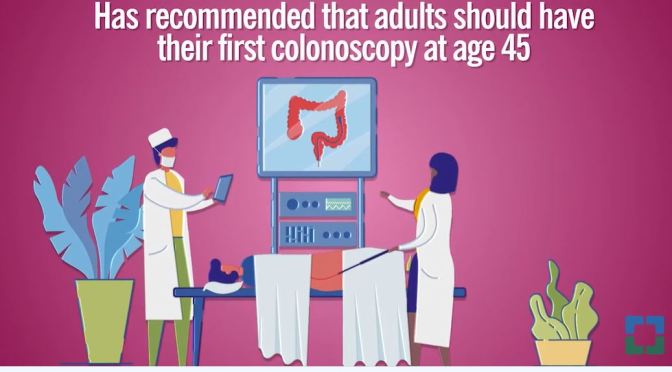
CANCER: WHAT AGE SHOULD YOU GET A COLONOSCOPY?
According to the American Cancer Society, colorectal cancer is the third most common cancer diagnosed in both men and women in the United States. While diagnoses are decreasing in people over the age of 50, there’s been an increase for those who are younger.
For more information on why you should get a colonoscopy and how to schedule yours today, please visit https://cle.clinic/3oqWdy6
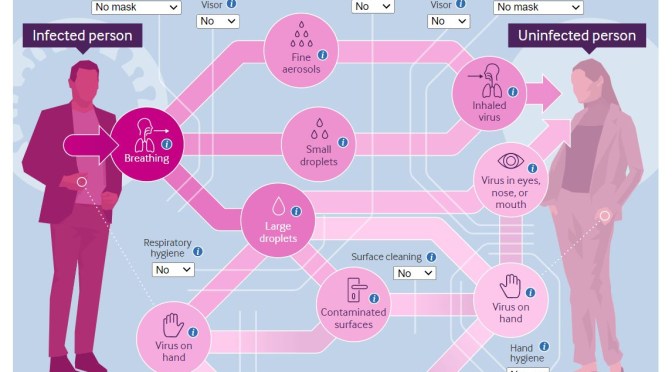
Covid-19: The Best Ways To Avoid Virus Transmission

Aging: The Importance Of Cardiovascular Exercise
Medicine: The Mayo Clinic Explains Lymphoma (Video)
Learning about lymphoma can be intimidating. Let our experts walk you through the facts, the questions, and the answers to help you better understand this condition.
Video timeline: 0:24 What is Lymphoma? 1:20 Types of Lymphoma 2:04 Who gets Lymphoma? 2:48 Risk factors 3:30 Symptoms 4:10 How is Lymphoma diagnosed? 5:07 Treatment options 6:11 Coping methods/ What now? 7:09 Ending
For more reading visit: https://mayocl.in/3xThjs7

Covid-19: Why Omicron Concerns Scientists (WSJ)
The B.1.1.529 variant was first reported to WHO from South Africa on 24 November 2021. The epidemiological situation in South Africa has been characterized by three distinct peaks in reported cases, the latest of which was predominantly the Delta variant. In recent weeks, infections have increased steeply, coinciding with the detection of B.1.1.529 variant. The first known confirmed B.1.1.529 infection was from a specimen collected on 9 November 2021.
This variant has a large number of mutations, some of which are concerning. Preliminary evidence suggests an increased risk of reinfection with this variant, as compared to other VOCs. The number of cases of this variant appears to be increasing in almost all provinces in South Africa. Current SARS-CoV-2 PCR diagnostics continue to detect this variant. Several labs have indicated that for one widely used PCR test, one of the three target genes is not detected (called S gene dropout or S gene target failure) and this test can therefore be used as marker for this variant, pending sequencing confirmation. Using this approach, this variant has been detected at faster rates than previous surges in infection, suggesting that this variant may have a growth advantage.
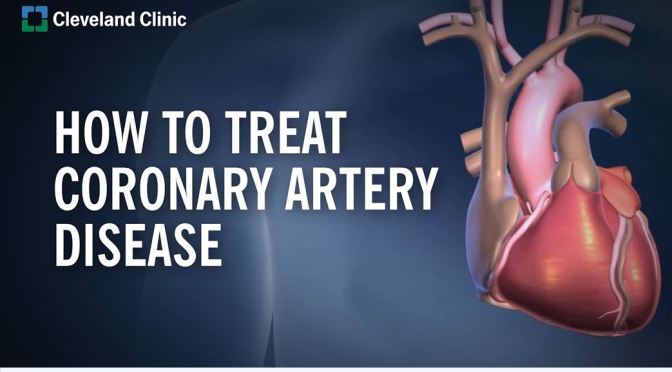
Medicine: How To Treat Coronary Heart Disease
More than 360,000 people died from coronary artery disease in 2019. While there is no cure to the disease, you can take steps to lower your risk and manage the harmful plaque build-up impacting your health. The information in this video was accurate as of 11.25.2021 and is for information purposes only. Consult your local medical authority or your healthcare practitioner for advice.
Chapters: 0:00 Intro 0:12 What is coronary artery disease? 0:26 What are the signs of coronary artery disease? 0:41 Can you reverse coronary artery disease? 1:04 What are statins? 1:34 What are the treatments for coronary artery disease? 1:46 Make lifestyle changes to reduce your risk. 2:07 Taking medication can help treat coronary artery disease. 2:25 What is a coronary stent procedure? 3:03 What is coronary artery bypass graft surgery? 3:36 What’s the best treatment for coronary artery disease? 3:45 When should you talk to your doctor about coronary artery disease symptoms?
 Boomers Daily