
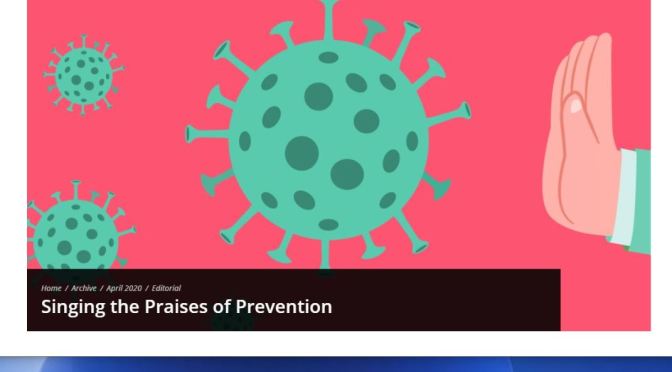
From Bob Grant, The Scientist Magazine (April 1, 2020):
Prevention has been playing a growing role in other diseases, infectious and 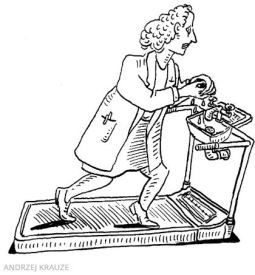 otherwise, long before this latest global pandemic. Cancer, the focus of this issue, is ubiquitous, and one would be hard pressed to find a person anywhere on Earth whose life wasn’t in some way touched by the complex and vexing malady.
This cancer-focused issue features a cover story in which we explore one facet of cancer prevention: exercise. In this feature story, Danish researcher Bente Klarlund Pedersen explains that studies have shown frequent exercise to be useful in avoiding cancer as well as in helping cancer patients lessen the side effects of their cancers and treatments. Her research and that of others is seeking to enumerate the molecular and cellular mechanisms that underlie the benefits exercise seems to offer cancer patients.
But when one considers the practical ripples that biology sends through societies—issues of public health and the shared goal of minimizing the impact of diseases on a global scale—human behavior and prevention become vitally important.

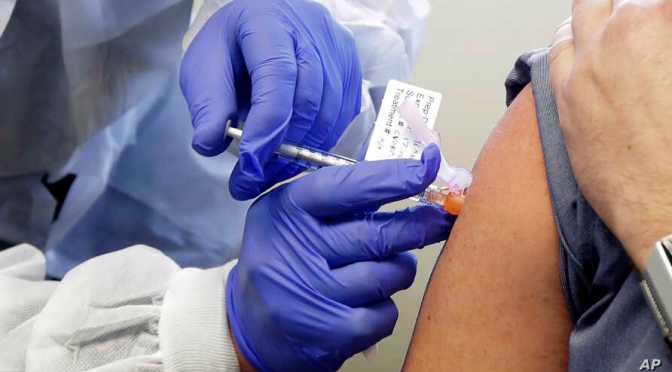
 Scientists around the world are racing to develop a vaccine for COVID-19. But experts have said it could take a year to 18 months for one to hit the market. The process for testing and approving a vaccine is long and complicated.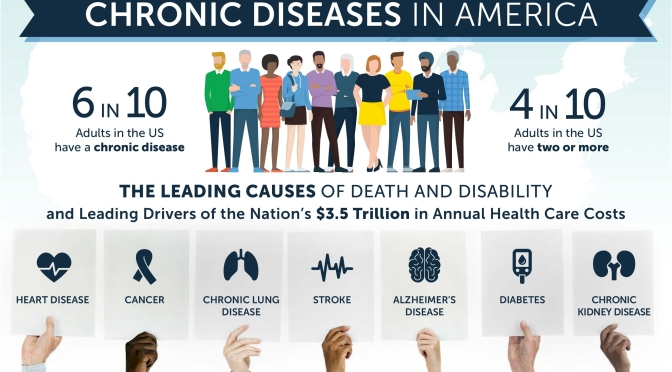



 Facing shortages of critical equipment, medical workers must make life-or-death decisions about who receives care. WSJ’s Joe Palazzolo reports from an emergency room that’s running short on ventilators, and Chris Weaver explains the plans hospitals are putting in place to decide who gets them.

 Though U.S. legislation targeting the problem of surprise medical bills advanced out of key congressional committees in 2019 with support from leaders in both parties, Congress ultimately failed to pass a law to end such bills.
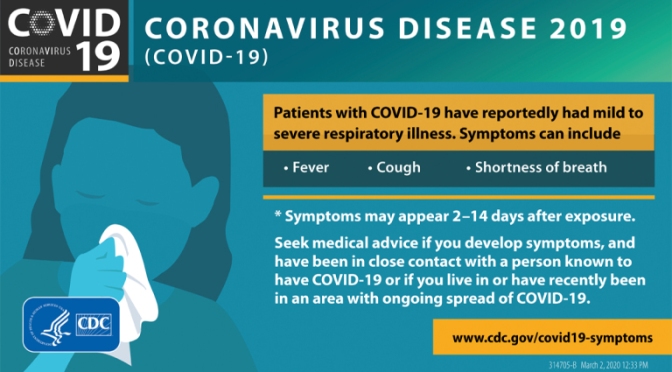

 Chloroquine was shown in 2004 to be active in vitro against SARS coronavirus but is of unproven efficacy and safety in patients infected with SARS-CoV-2. The drug’s potential benefits and risks for COVID-19 patients, without and with azithromycin, is discussed by Dr. David Juurlink, head of the Division of Clinical Pharmacology and Toxicology at Sunnybrook Health Sciences Centre in Toronto.
 Boomers Daily