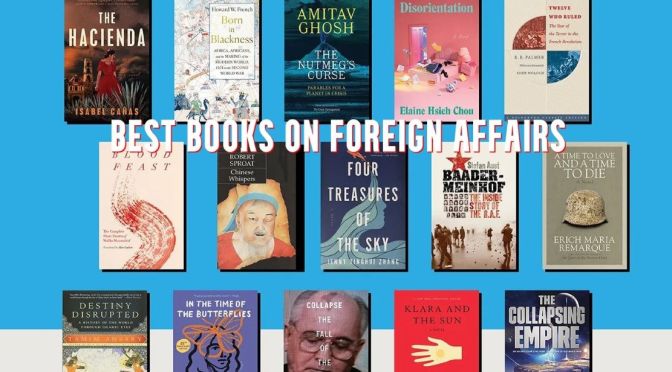
Foreign Policy Magazine(December 8, 2023): The Best of Books 2024 on international politics, economics, and history that were featured in the magazine this year, selected by Foreign Affairs’ editors and book reviewers.
In a revelatory book, Farrell and Newman describe how the United States has turned its control over information networks into a hidden tool of economic domination—and warn of the risks of Washington’s weaponization of data power for ordinary people, as well as for the global financial system.read the review
In a major reconsideration of Cold War history, Radchenko examines the Soviet Union’s competing ambitions for revolution, security, and legitimacy—and how Soviet leadership, blinded by its own hubris and aggression, set the stage for the downfall of the USSR. read the review
Kahan argues that what unifies liberals across the centuries, including those involved in building and defending liberal democracy today, are their efforts to build societies free from the fear of arbitrary power. He sculpts a masterful and beautifully written history of liberalism’s long intellectual journey. read the review
In this sobering study, Levitsky and Ziblatt demonstrate how the United States’ enduring constitutional order—one forged in a pre-democratic age—increasingly thwarts the will of an expanding multicultural majority in favor of a shrinking rural white minority.read the review
Focused on the sophisticated and networked world of autocracy, dictatorship, and tyranny, Applebaum argues that what separates hardcore autocratic states, such as China and Russia, from softer illiberal and authoritarian regimes, such as those in Hungary, India, and Turkey, is the ruthlessness and reach of their dictatorial power and their deep hostility to the Western-led democratic world.read the review
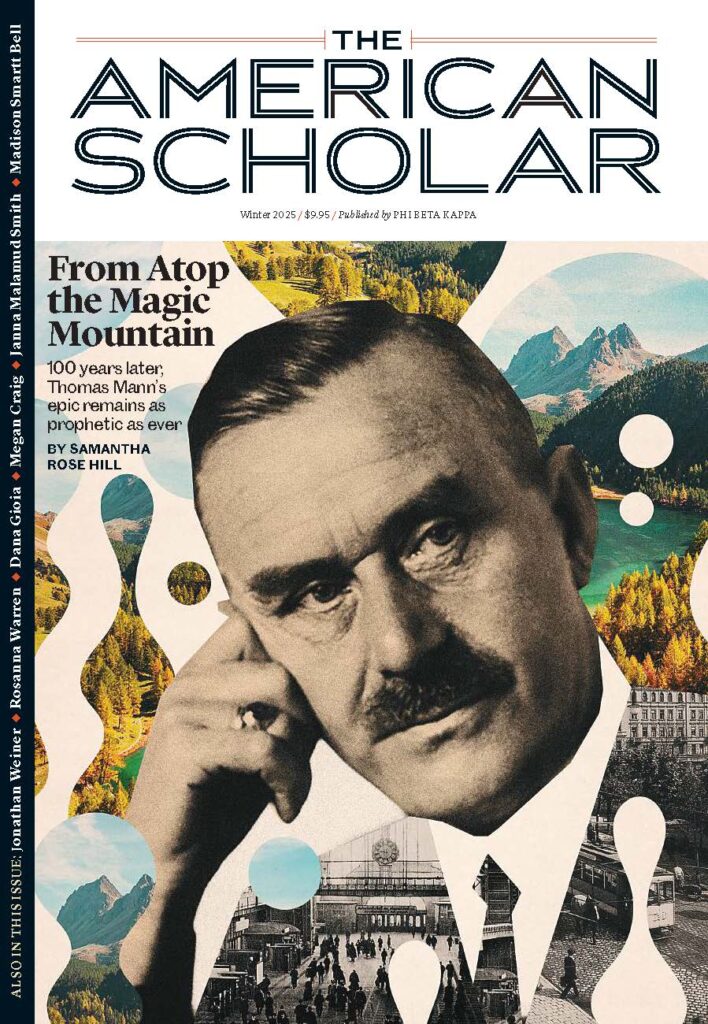
THE AMERICAN SCHOLAR (December 2, 2024): The latest issue features ‘From Atop The Magic Mountain’ – One-Hundred years later, Thomas Mann’s epic remains as prophetic as ever.
Only rarely did the outside world intrude on an idyllic Connecticut childhood, but in the tumultuous 1960s, that intrusion included an encounter with evil
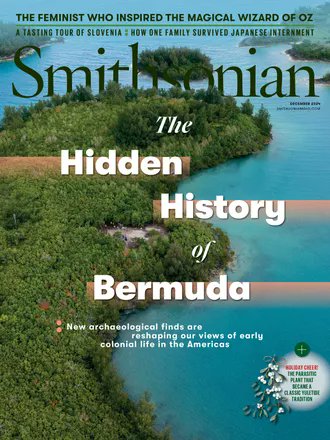
Smithsonian Magazine (November 21, 2024) –The latest issue features ‘The Hidden History of Bermuda’ – New archaeological finds are reshaping our views of early colonial life in the Americas…
What excavations in Bermuda are revealing about one of Britain’s first settlements in the Americas—and the surprising ways it shaped the New World. By Andrew Lawler. Photographs by Nicola Muirhead
The untold story of Matilda Gage, the freethinker who inspired her son-in-law L. Frank Baum’s classic novel “The Wonderful Wizard of Oz”. By Evan I. Schwartz
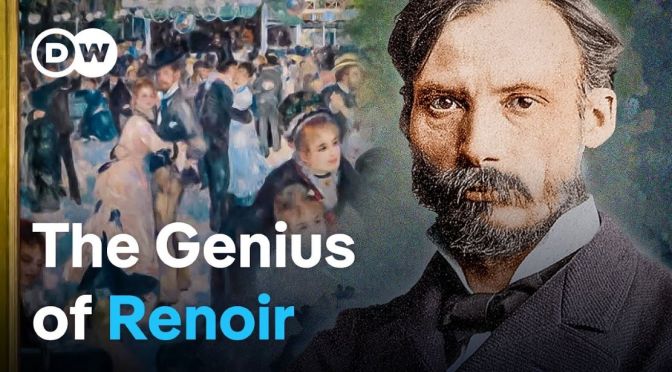
DW History and Culture (November 21, 2024): Discover the trailblazing spirit of Auguste Renoir, one of the founders of impressionism, whose canvases shattered centuries of artistic convention. In “Renoir – Portrait of Changing Times,” we see how Renoir took inspiration from the past, while transforming Parisian life undergoing societal change into timeless masterpieces.
Renoir’s impressionistic strokes capture the pulse of 1870s Paris, a city reeling from war and revolutionary change, whilst incorporating Rococo references. This documentary explores the genesis of Renoir’s vision, which melds tradition with the avant-garde. As his son later wrote, “Renoir loved fairy tales.
The everyday was like a fairy tale to him”. Like the fairytale world of Rococo Painting, Renoir’s impressionist works do not depict reality but create an alluring and beautiful fiction that still captures the imagination today.
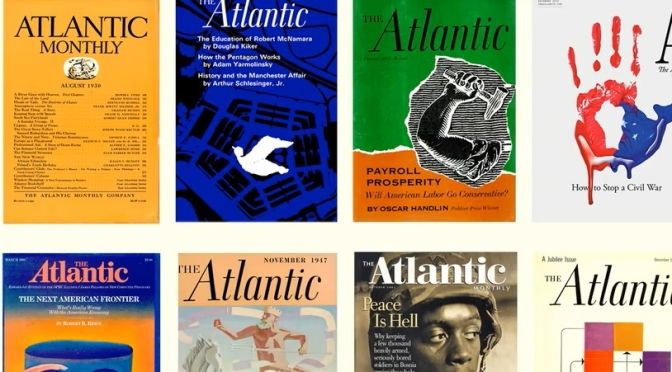
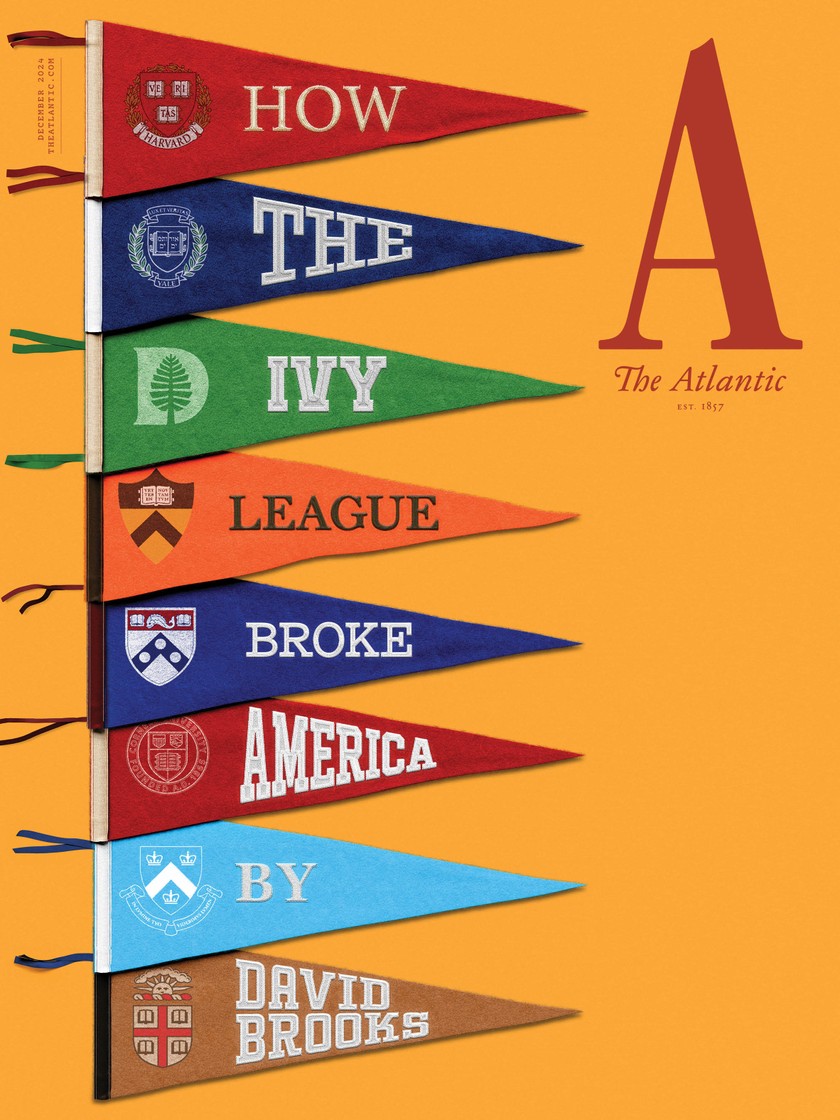
The Atlantic Magazine – November 20, 2024: The latest issue features ‘How the Ivy League Broke America’ – The meritocracy isn’t working. We need something new.
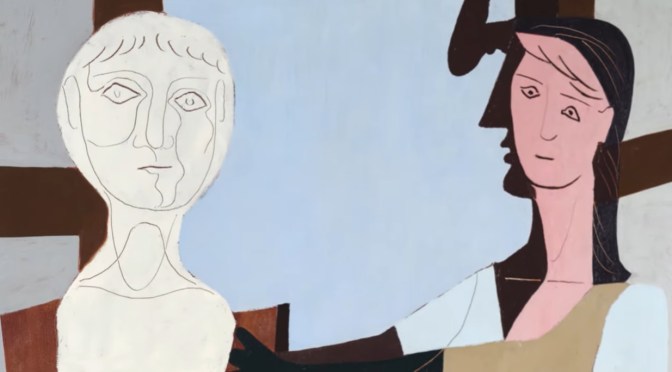
Sotheby’s (November 17, 2024):In late September of 1925, Pablo Picasso, his wife Olga and their young son Paolo returned to Paris from their annual summer holiday in the South of France.
The summers were beginning to blend together for Picasso, who was tiring of the swell set he and Olga socialized with. The home they returned to at 23 rue la Boetie was a changed one. After lengthy negotiations, Picasso had acquired an additional floor of the building to be used as his studio.
He set about immediately modifying the space: removing doors from their hinges, bringing in his copious art supplies (and a limited amount of furniture) and stripping back most of the existing wallpaper. After years of jostling with his elegant and socially aspirational wife for space in their apartment on the floor below he relished a place to colonize as his own.
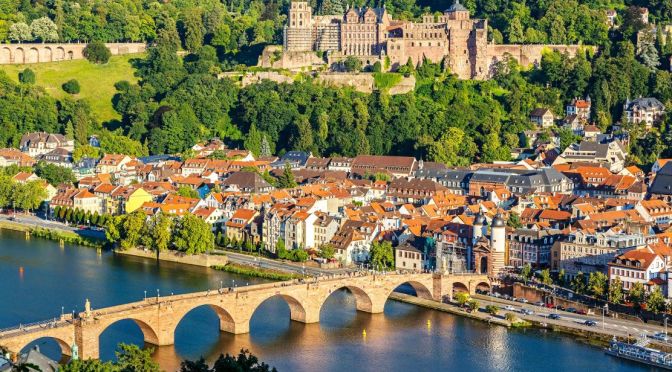
DW Travel (November 17, 2024): Even the artists of Romanticism loved the city of Heidelberg on the Neckar and painted the ruins of Heidelberg Castle.
Video timeline: 00:00 Intro 00:24 Heidelberg Castle 02:32 Philosopher’s Way 03:26 The Old Bridge
Today, it is tourists who post stunning photos of Heidelberg on social media. But are the castle and the city really as romantic as they appear? We conduct a reality check.
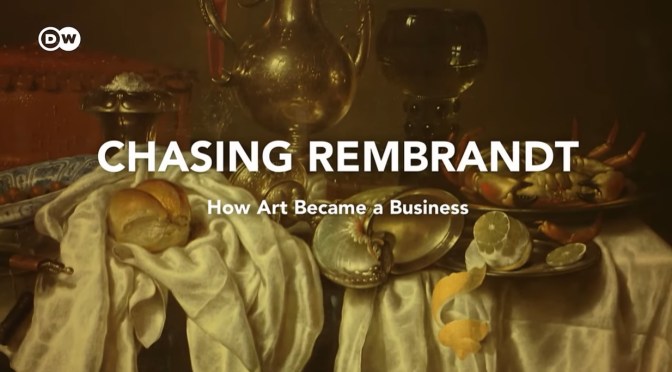
DW Documentary (November 15, 2024): The 17th century was the zenith of painting, in the Netherlands. In no other era were artists so productive. Never before had so many painters tried to make a living from their art. Demand was huge.
People from all walks of life began to enthusiastically collect paintings. New genres were born. And both the art market and the profession of art dealer emerged. Exceptional artists such as Rembrandt van Rijn, Jan Vermeer and Frans Hals created masterpieces that still inspire us today.
One reason for the cultural heyday and its glut of paintings was an enormous surplus of capital, generated by speculative money transactions and trade, which was also based on the exploitation of the colonies and the ideal conditions that shipping found in the Netherlands. The film traces a period in which art, too, became an economic factor. In a way, the 17th century can be seen as the origin of our current art system.
After all, this was when auction houses were first established, leading to emergence of professional art dealers and wealthy collectors. Art was democratized. This documentary film explores an era when business and art entered into a marriage for the first time. How did such an artistic flourishing come about? What art-historical innovations do we owe to this period? And what significance does it have for our view of art and our approach to art today?















 Boomers Daily