
From a Becker’s Hospital Review online release:
 “This is the fourth time in the last two years we’ve had to activate our hospital’s emergency operations plan for a major drug shortage,” Dr. Biddinger told NBC News. “It’s almost unfathomable in modern medicine. I never thought we would get to a point in the U.S. healthcare system where we wouldn’t have essential medicines to be able to treat patients.”
Drug shortages are increasing and lasting longer, according to an FDA report published Oct. 29. Of 163 drugs running low in 2013-17, over 62 percent were due to manufacturing or product quality problems.
Hospitals nationwide are facing shortages of crucial, lifesaving drugs, with 116 drugs currently running low, according to the FDA and cited by NBC News.
Boston-based Massachusetts General Hospital is a prime example, getting as close as two weeks away from canceling a lifesaving cardiac surgery due to a lack of herapin, a blood-thinner, according to Paul Biddinger, MD, chief of the division of emergency preparedness at Massachusetts General Hospital.

 “The results we saw were stunning and suggest that holistically addressing aging via gene therapy could be more effective than the piecemeal approach that currently exists,” said first author Noah Davidsohn, a former research scientist at the Wyss Institute and HMS who is now chief technology officer of Rejuvenate Bio. “Everyone wants to stay as healthy as possible for as long as possible, and this study is a first step toward reducing the suffering caused by debilitating diseases.”
 “Another behavior change is physical exercise,” Pillemer said. “A paradox of pain is that exercise helps reduce it, but it’s difficult for people in pain to think about exercising. So they don’t exercise, they get more sedentary and the pain increases; it’s a vicious circle. So how do you get people to actually change their behavior?”
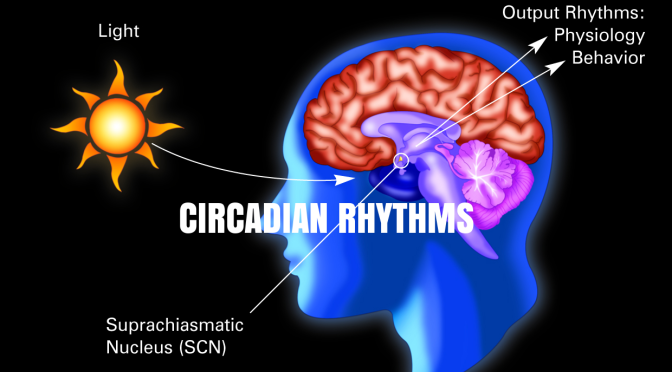
 When people are awake during the night, their behaviors are often mismatched with their internal body clocks. This can lead to nighttime eating, which can influence the way the body processes sugar and could lead to a higher risk in diabetes. “What happens when food is eaten when you normally should be fasting?” Scheer asked the audience. “What happens is that your glucose tolerance goes out the window….So your glucose levels after a meal are much higher.” This can increase people’s risk for diabetes.
 Measles is a dangerous infection that can kill. As many as 100,000 people die from the disease each year. For those who survive infection, the virus leaves a lasting mark—it appears to wipe out the immune system’s memory. News Intern Eva Fredrick joins host Sarah Crespi to talk about a pair of studies that looked at
 For new patients, whose visits entail more work than those of established patients,
 Researchers suggest that intensity is critical. Seniors who exercised using short, bursts of activity saw an improvement of up to 30 percent in
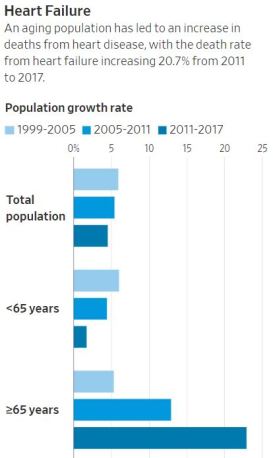 The findings help explain why a decadeslong decline in the death rate from cardiovascular disease has slowed substantially since 2011 and started rising in middle-aged people, helping
  Boomers Daily