

Excerpts from a NextAvenue.org online article interview:
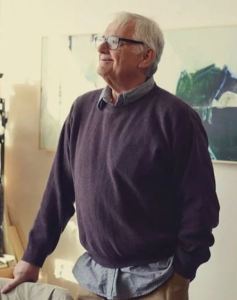
“I don’t like the word ‘evolve,’” he says. “Art means the same thing today as it always has. Styles change, but art doesn’t.”
Hesitant to put too defining a label on his work, Wrayge claims his paintings have “a landscape feel.” He doesn’t consider them to be abstract. “That’s a word invented by the press, not by painters,” he says. “What I prefer to say [about my paintings] is that they are a visual manifestation of my values.”
 In James Wrayge’s quiet studio on an early winter afternoon, there is a tangible sense of purpose. Wrayge’s paintings line the walls along the portion of the space he shares with another artist at the Northrup King Building in Minneapolis. There are also some paintings on the floor propped up against the same walls. And there is one — in progress — set on an easel in the corner.


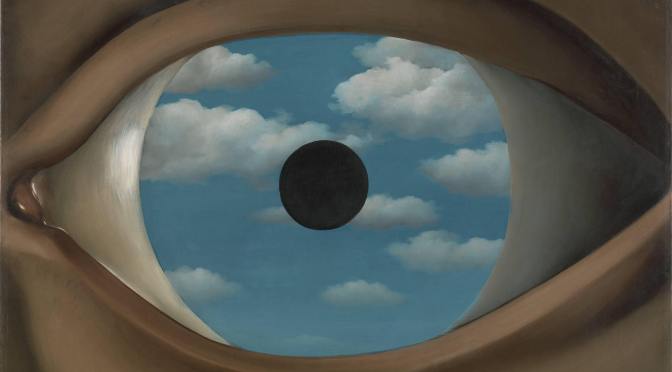
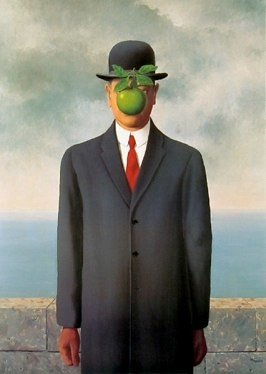
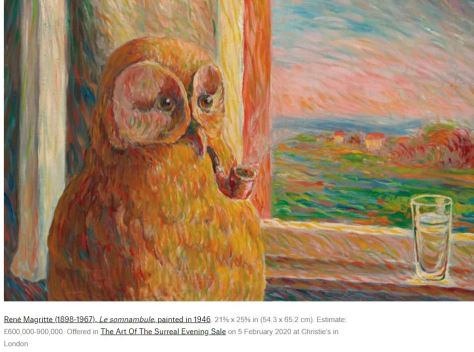
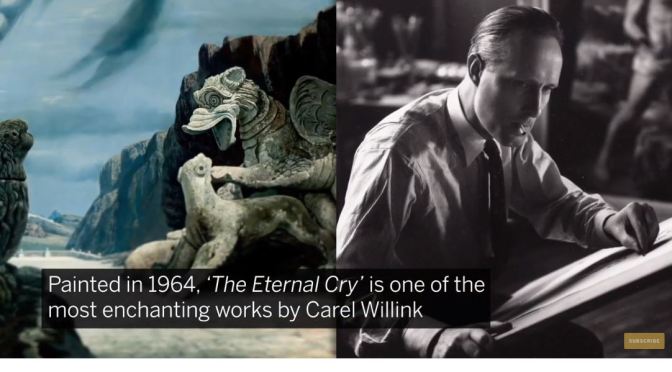
 Carel Willink was a pioneer of Magic Realism, an avant-garde movement of Dutch modernism closely associated with Surrealism. In this episode of Anatomy of an Artwork, discover how a visit to Italy’s Bomarzo Gardens following the death of his wife inspired a series of paintings featuring monsters, see how Willink drew further inspiration from dream-like images and illusions, and learn how his near-photographic style exudes a sense of mystery and enchantment.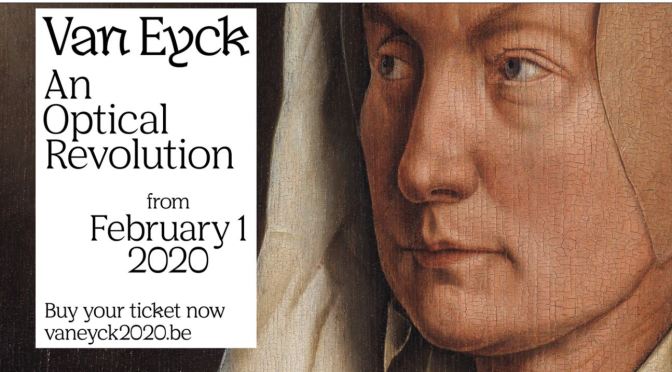
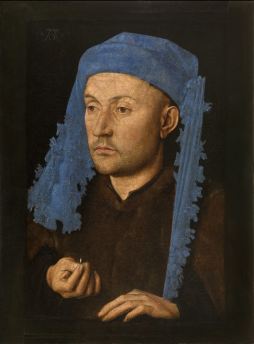
 In dialogue with Van Eyck’s contemporaries
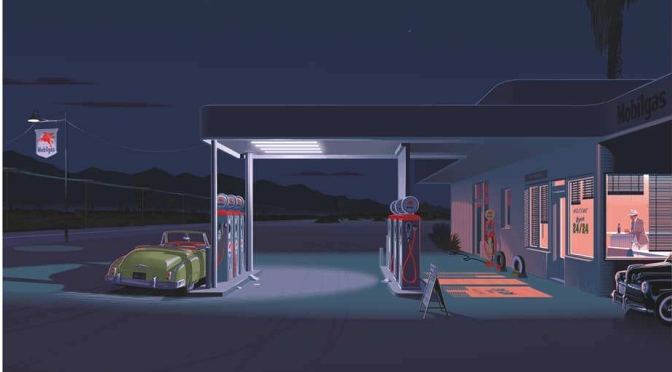
 Laurent Durieux is a famous Belgian illustrator well known to lovers of pop culture and collectors for his reinterpretations of posters of cult films. Each of his American exhibitions was sold out during the opening night and in the presence of thousands of enthusiastic fans.
 Boomers Daily