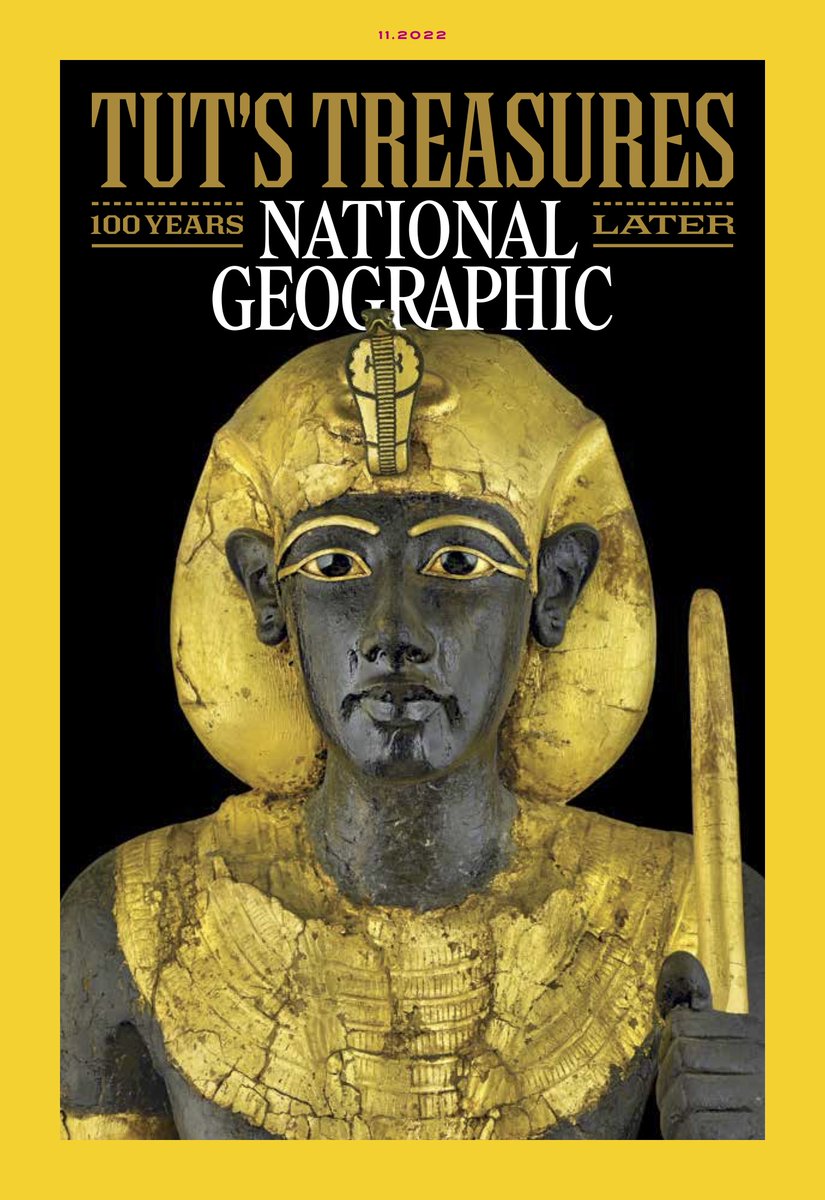
Photographer Sandro Vannini used his decades-long knowledge of Tut’s antiquities to stitch together a stunning image of a guardian statue from 48 perfectly lit pictures.
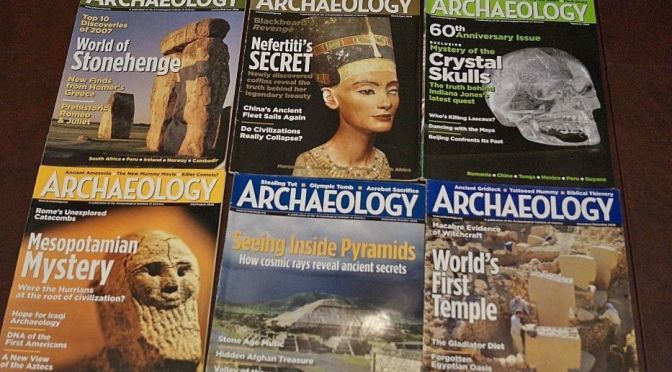
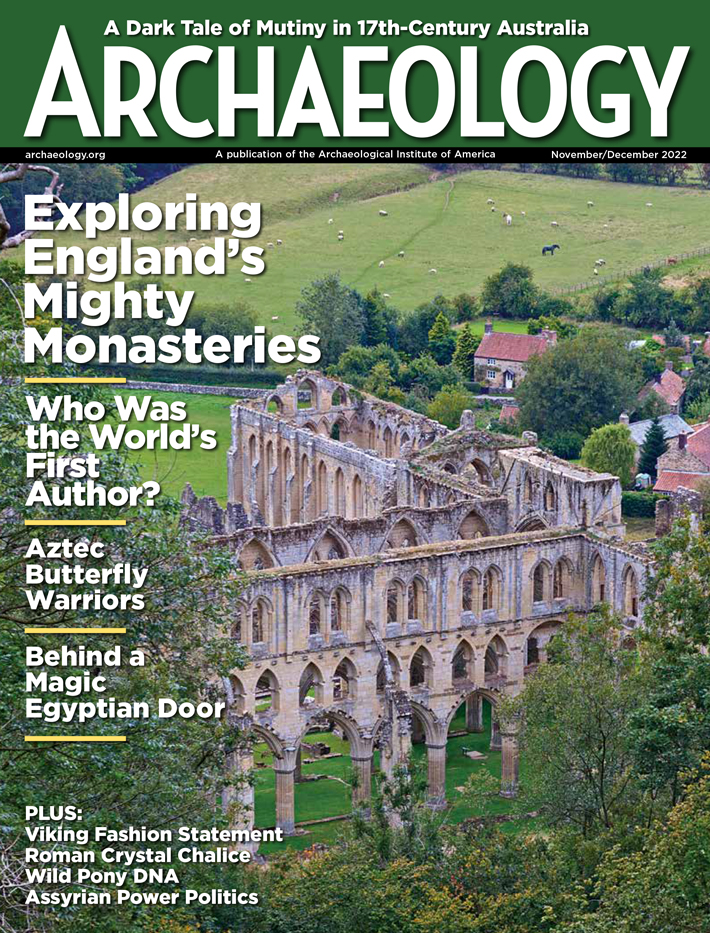
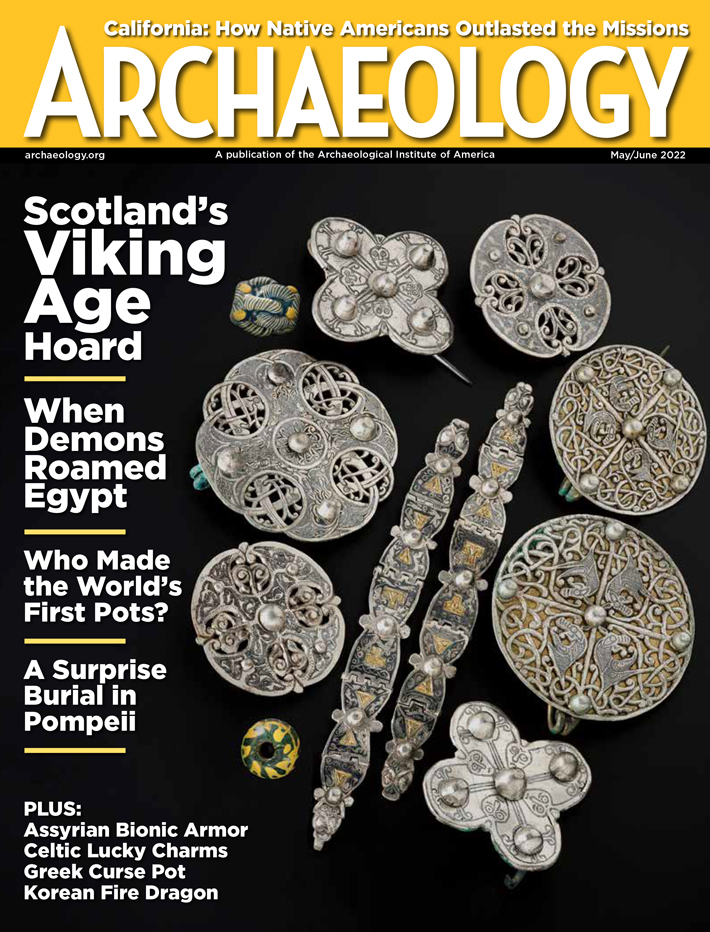
The World Archaeology October 2022 issue explores the secrets of Japan’s stone circles, the lost prehistoric cities of Bolivia, women’s everyday lives in the Ice Age, an idyllic alpine region that saw fierce fighting during the First World War, and much more.
The stone circles of Japan are enigmatic monuments. These structures were created by Jomon hunter-gatherers, mostly from roughly 2500-300 BC, and can be associated with burials, seasonal ceremonies, and solar alignments. Such preoccupations are far from being restricted to Jomon Japan, with study of these circles proving influential when it came to early 20th-century attempts to understand Stonehenge. In our cover feature, we take a detailed look at some of the Jomon stone circles, examining both the monuments themselves, and wider activity in the period.
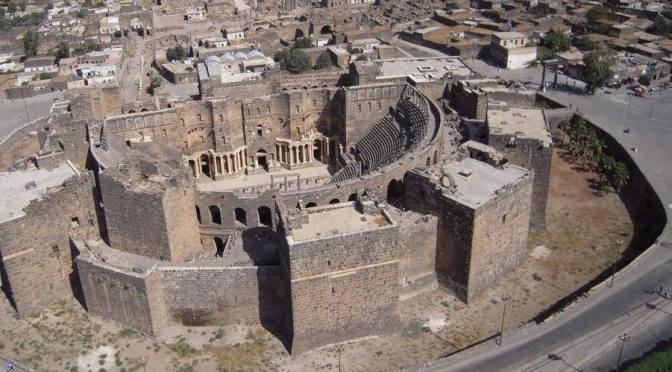
Bosra is a major archaeological site in Syria, with ruins from Roman, Byzantine, and Muslim times. The most impressive of all is the magnificent perfectly preserved Roman amphitheater, built in the second century. Bosra, also spelled Bostra, Busrana, Bozrah, Bozra and officially called Busra al-Sham, is a town in southern Syria.
Below the Yucatán Peninsula in Mexico lies a submerged world of extraordinary beauty. Caves once created a subterranean labyrinth that the earliest human settlers seemingly associated with magic. After these passageways flooded at the end of the last Ice Age, they created reservoirs that proved essential for the success of Maya cities. Now a fascinating project is revealing the remarkable range of archaeology preserved in this underworld.
Goddesses and spiritual beings also display an impressive range, in this case of powers. There can be a tendency for modern audiences to focus on a single attribute – Venus as the goddess of love, for instance – but this obscures the remarkable breadth of gifts they could bestow on worshippers. An exhibition examining the nature of feminine power provides an opportunity to consider the divine and the demonised.
This year, events are taking place across the country to celebrate the 1,900th anniversary of the construction of Hadrian’s Wall (the eagle-eyed among you may have spotted that this most-famous Roman landmark has also featured, in some capacity, in every issue of CA since January).
This month our cover story considers whether the Romans too may have commemorated the Wall’s construction – and we also have an opinion piece asking how sure we can be about its date.
From monumental stonework to modern quarrying, we next head to Bedfordshire to learn about archaeological investigations at Black Cat Quarry, carried out before extraction works began on the site. There, excavations have revealed an impressive multi-period landscape, including Neolithic and Bronze Age settlements, a significant Roman farmstead, and what may be the remains of a Viking ‘fort’ referred to in the Anglo-Saxon Chronicle.
PHARAOH OF THE TWO LANDS – The African Story of the Kings of Napata
28 April – 25 July 2022
OVERVIEW
In the 8th century BC, a kingdom grew up around the Nubian capital, Napata. In about 730 BC, the Nubian king Piankhy conquered Egypt and founded the 25th Dynasty of Kushite kings, who ruled for more than fifty years over a kingdom stretching from the Nile Delta to the confluence of the White and Blue Niles. The most famous of those kings is the pharaoh Taharqa.
The exhibition highlights the importance of this vast kingdom, located in what is now northern Sudan. It is organised in connection with the Louvre’s archaeological campaign in Sudan, which focused for ten years on the site of Muweis before moving some 30 kilometres northwards to El-Hassa, not far from the pyramids of Meroe.
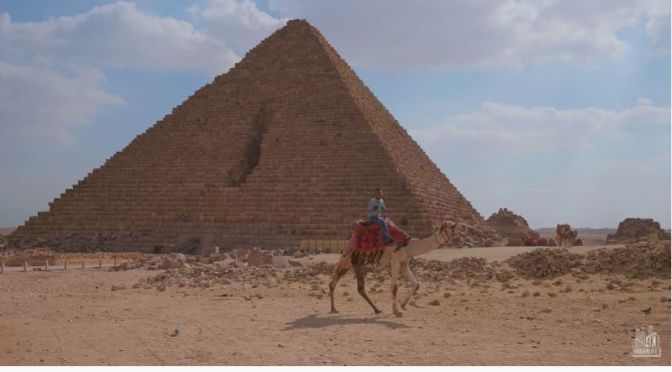
This walking tour of the Giza Pyramid Complex was filmed on Friday April 1st, 2022 starting at 1:23 at the Great Sphinx. After visiting the Sphinx, you will walk up the causeway to the Pyramid of Khafre and walk around all four sides. Next we will walk through the Western Cemetery over the Great Pyramid, the Pyramid of Khufu. After exploring the Eastern Cemetery, we will take a horse carriage ride to the Pyramid of Menkaure.
Timeline: 0:00 Intro and Map 8:36 Great Sphinx 17:40 Khafre Causeway 28:19 Khafre Mortuary Temple 32:28 Pyramid of Khafre 41:01 Back side of Khafre Pyramid 47:26 Hieroglyphs and Tomb 56:20 Western Cemetery 1:03:30 Pyramid of Khufu 1:06:40 Climbing the Great Pyramid 1:13:08 Boat Pits 1:24:54 Khufu Mortuary Temple 1:28:07 Mastaba of Qar (G 7101) 1:29:57 Pyramids of the Queens 1:33:30 Eastern Cemetery 1:47:28 Horse Ride to Pyramid of Menkaure 1:56:16 Pyramid of Menkaure 2:01:35 Mortuary Temple of Menkaure 2:11:00 Pyramid Viewpoint 2:15:40 Pyramids of the Queens 2:21:54 Pyramid of Khafre 2:27:03 Khafre Causeway 2:37:12 Wall of the Crow 2:38:07 Streets outside the Pyramids
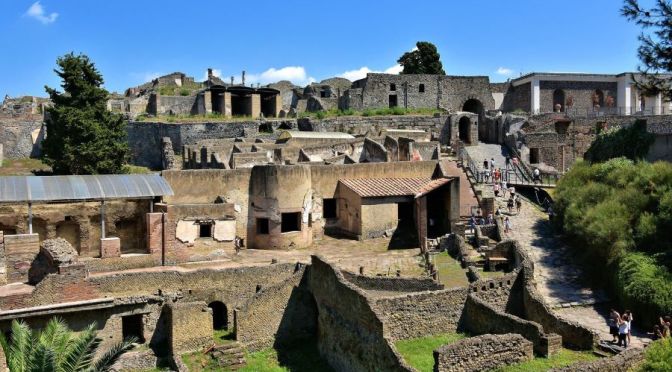
The archaeological ruins of Pompeii, Campania, Italy walking tour in 4k. January 2, 2022.
Pompeii is a vast archaeological site in southern Italy’s Campania region, near the coast of the Bay of Naples. Once a thriving and sophisticated Roman city, Pompeii was buried under meters of ash and pumice after the catastrophic eruption of Mount Vesuvius in 79 A.D. The preserved site features excavated ruins of streets and houses that visitors can freely explore
Video timeline: 00:00 Preview 01:27 Piazza Anfiteatro (Entrance) 04:00 Anfiteatro / Amphitheater 11:00 Praedia di Giulia Felice 14:00 Via dell’Abbondanza 16:25 Casa di Octavius Quartio 20:50 Via di Castricio 23:10 Via dell’Abbondanza 24:00 Taverna di Sotericus 25:36 Casa di Trebio Valente 27:25 Casa del Frutteto 29:00 Casa di Giulio Polibio 29:45 Casa e Thermopolium di Vetutius Placidus 33:20 Thermopolium di Asellina 34:30 Casa degli Epidii 39:36 Panoramic view of Pompeii 43:30 Via dell’Abbondanza 45:25 Via Stabiana 46:35 Casa del Citarista 50:00 Porta di Stabia (Gate of Stabia) 52:20 Teatro Piccolo (Small Theater) Odeion 53:03 Quadriportico dei Teatro o Caserma dei Gladiatori (Quadriportico of the Theater or Barracks of the Gladiators) 54:30 Teatro Grande 1:04:05 Terme Stabiane (Stabian Baths) 1:11:50 Forum 1:24:50 Granaries of the Forum (Casts) 1:28:30 The garden of the fugitives (Casts) 1:30:00 Necropoli di P. Nocera
News, Views and Reviews For The Intellectually Curious






 Boomers Daily