Category Archives: Archaeology

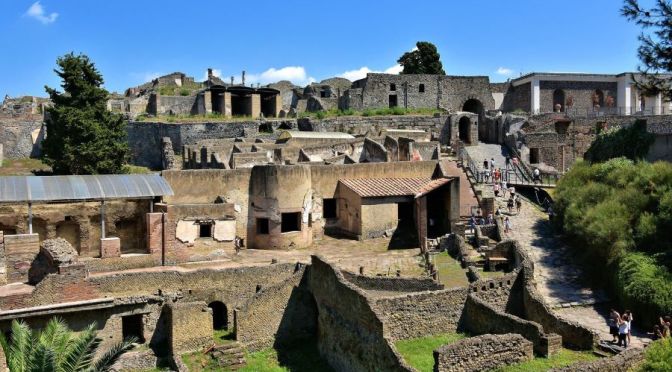
Walking Tour: Roman Ruins At Pompeii, Italy (4K)

The archaeological ruins of Pompeii, Campania, Italy walking tour in 4k. January 2, 2022.

Pompeii is a vast archaeological site in southern Italy’s Campania region, near the coast of the Bay of Naples. Once a thriving and sophisticated Roman city, Pompeii was buried under meters of ash and pumice after the catastrophic eruption of Mount Vesuvius in 79 A.D. The preserved site features excavated ruins of streets and houses that visitors can freely explore

Video timeline: 00:00 Preview 01:27 Piazza Anfiteatro (Entrance) 04:00 Anfiteatro / Amphitheater 11:00 Praedia di Giulia Felice 14:00 Via dell’Abbondanza 16:25 Casa di Octavius Quartio 20:50 Via di Castricio 23:10 Via dell’Abbondanza 24:00 Taverna di Sotericus 25:36 Casa di Trebio Valente 27:25 Casa del Frutteto 29:00 Casa di Giulio Polibio 29:45 Casa e Thermopolium di Vetutius Placidus 33:20 Thermopolium di Asellina 34:30 Casa degli Epidii 39:36 Panoramic view of Pompeii 43:30 Via dell’Abbondanza 45:25 Via Stabiana 46:35 Casa del Citarista 50:00 Porta di Stabia (Gate of Stabia) 52:20 Teatro Piccolo (Small Theater) Odeion 53:03 Quadriportico dei Teatro o Caserma dei Gladiatori (Quadriportico of the Theater or Barracks of the Gladiators) 54:30 Teatro Grande 1:04:05 Terme Stabiane (Stabian Baths) 1:11:50 Forum 1:24:50 Granaries of the Forum (Casts) 1:28:30 The garden of the fugitives (Casts) 1:30:00 Necropoli di P. Nocera

Egyptian History: Saving The Temples On The Nile

A timeless treasure, nearly lost forever. Without the UNESCO‘s unprecedented rescue operation, future generations might have only seen the stunning temples of Ramses II and Cleopatra in the pages of history books. Majestic stone colossi rising from the desert sands, structures like these kept their secrets for generations.

For centuries, Abu Simbel, Dendur, Amada and other monuments faced threats from looters, earthquakes, and floods. Ultimately, it was the waters of the Aswan Dam that nearly sealed their fate. In 1960, then Egyptian President Nasser ordered the dam‘s construction. In order to save the temples of Ramses II and Cleopatra, among others, UNESCO reached out to over 50 countries, and raised $80 million.

After receiving multiple proposals to save the structure, it was one from Sweden that proved successful. The plan: dismantling the complex and rebuilding it on higher ground. Between November 1963 and September 1968, saws were used to cut the two temples into 1,036 blocks, each weighing between seven and 30 tons.

Their new location was 64 meters above the old site and 180 meters further inland. After five years of construction, this major undertaking was completed on September 22, 1968. The Nubian temples of Abu Simbel are now a UNESCO World Heritage Site.

Egyptology: Engineering Secrets Of King Khufu’s Great Pyramid Of Giza

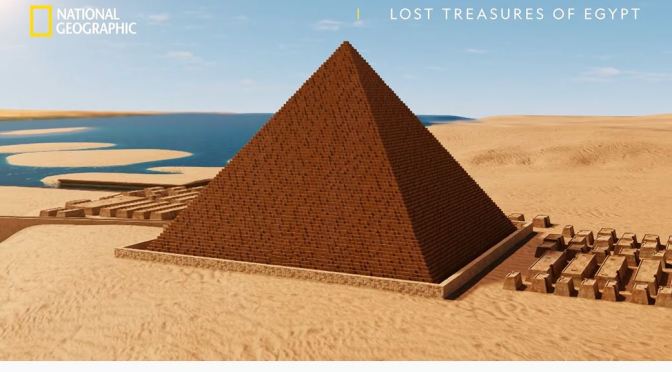
The Great Pyramid of Giza is the largest pyramid ever built and is a staple of Egyptian pyramid architecture. It was built to protect the tomb of King Khufu and was the first-ever true pyramid, due to its perfect shape and extraordinary features.

The entrance of the tomb is located 24 feet off centre and even if trespassers found it, a pulley system of ropes 130 feet above the passage dropped 3 enormous granite slabs to seal the burial chamber entrance. Topped with a layer of white limestone, The Great Pyramid was and is a symbol of the Pharaoh’s reputation and respect. Now, explorers are eagerly searching the pyramid for clues about the life and death of the great King Khufu.

Archaeology: The Lost City Of Chan Chan In Peru

Dr. Albert Lin is investigating the true origin of the ancient story of the great flood. In his search for answers he comes to the lost city of Chan Chan where the Chimú people have recorded a violent shift in the ocean currents.

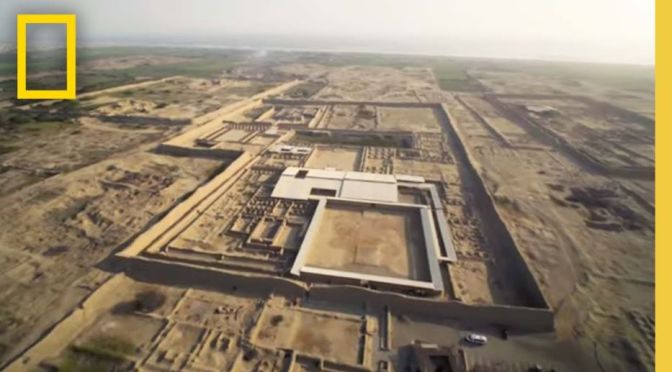
Chan Chan was the largest city of the pre-Columbian era in South America.[1] It is now an archaeological site in La Libertad Region 5 kilometres (3.1 mi) west of Trujillo, Peru.[2]

Chan Chan is located in the mouth of the Moche Valley[3] and was the capital of the historical empire of the Chimor from 900 to 1470,[4] when they were defeated and incorporated into the Inca Empire.[5] Chimor, a conquest state,[3] developed from the Chimú culture which established itself along the Peruvian coast around 900 AD.[6]

Chan Chan is in a particularly arid section of the coastal desert of northern Peru.[7] Due to the lack of rain in this area, the major source of nonsalted water for Chan Chan is in the form of rivers carrying surface runoff from the Andes.[4] This runoff allows for control of land and water through irrigation systems.

Archaeology: Lost Cities Of The Nabateans, Jordan (National Geographic)

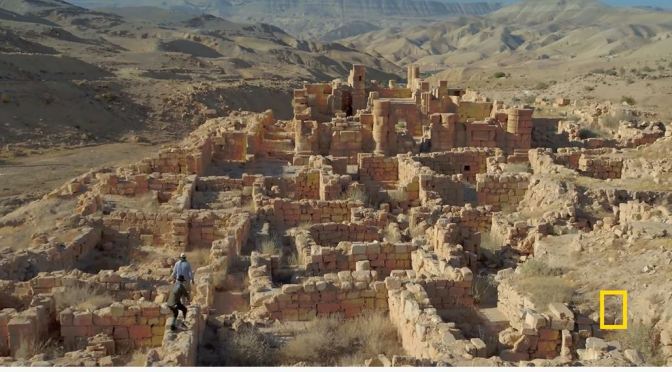
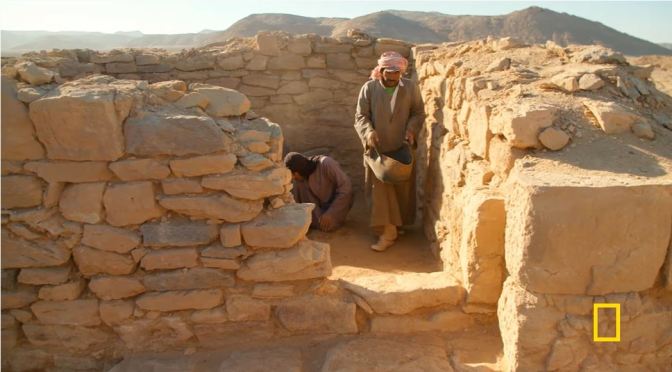
Dr. Albert Lin is exploring the ancient architecture of the Nabateans, and recreates one of their lost cities using lidar.

The Nabataeans, also Nabateans, were an ancient Arab people who inhabited northern Arabia and the southern Levant. Their settlements—most prominently the assumed capital city of Raqmu —gave the name Nabatene to the Arabian borderland that stretched from the Euphrates to the Red Sea.

Ancient Egypt: Ramses II & The Hittite Peace Treaty

While Ramses II is often hailed for his military achievements and his skill as a warrior, he was also a well versed diplomat. During his reign he brought the 20 year war with the Hittites to an end and created one of the first written peace treaties.

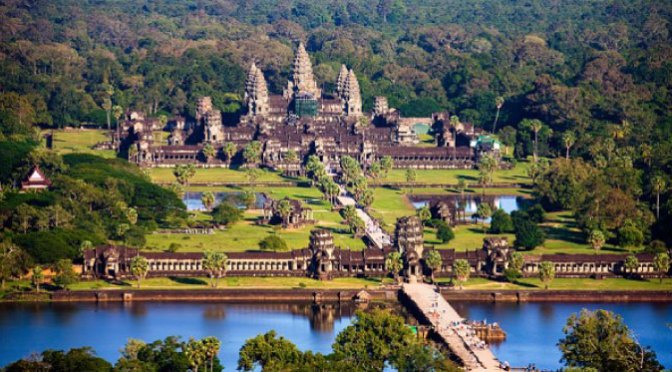
Views: History Of Angkor Wat In Cambodia (Video)

Angkor Wat, located in northwest Cambodia, is the largest religious structure in the world by land area, measuring 162.6 hectares. At the centre of the temple stands a quincunx of four towers surrounding a central spire that rises to a height of 65 m above the ground.

The cause of the Angkor empire’s demise in the early 15th century long remained a mystery. But researchers have now shown that intense monsoon rains that followed a prolonged drought in the region caused widespread damage to the city’s infrastructure, leading to its collapse.

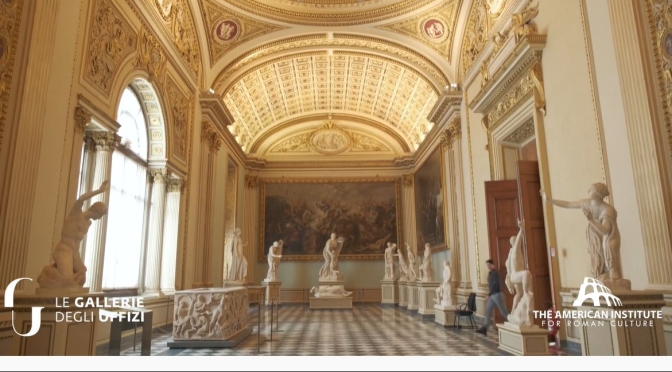
Archaeology: ‘Ancient Rome Live – Episode 1’ – Uffizi Gallery, Florence

Here is the first episode of the series about archaeology at the Uffizi Galleries, realized by the American Institute for Roman Culture. Darius Arya today speaks about some masterpieces of the Uffizi and the Boboli Gardens.