

NPR’s Tamara Keith and Amy Walter of the Cook Political Report join Amna Nawaz to discuss the latest political news, including race relations in America, investigating the Capitol riot, and U.S. response to the Israeli-Palestinian conflict in the Middle East.
Category Archives: Analysis
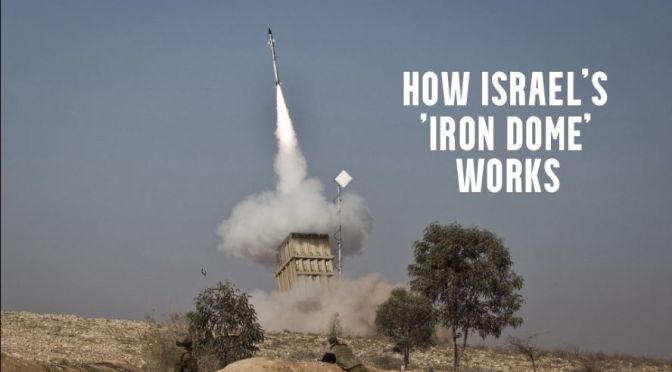
Military Analysis: How Israel’s ‘Iron Dome’ Works
Israel’s Iron Dome missile-defense system is designed to intercept and destroy short-range rockets and mortars. During the recent conflict, it has been used to destroy more than 200 rockets bound for Israeli cities. Here’s how it works. Photo: Ilia Yefimovich/Getty Images
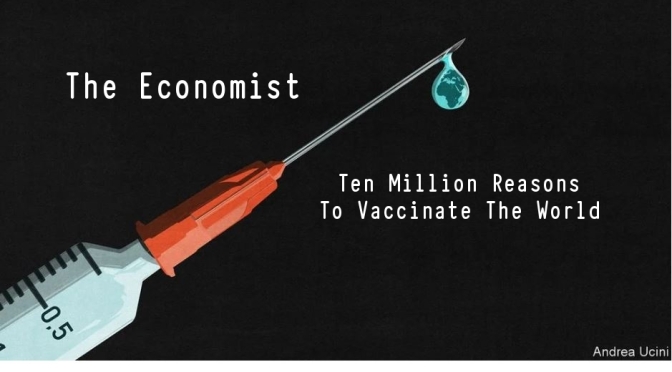
Analysis: Vaccinating The World, Israel-Palestinian Clash, Musical Plagarism
A selection of three essential articles read aloud from the latest issue of The Economist. This week: ten million reasons to vaccinate the world, Israel and the Palestinians (9:48) and musical plagiarism (15:35).
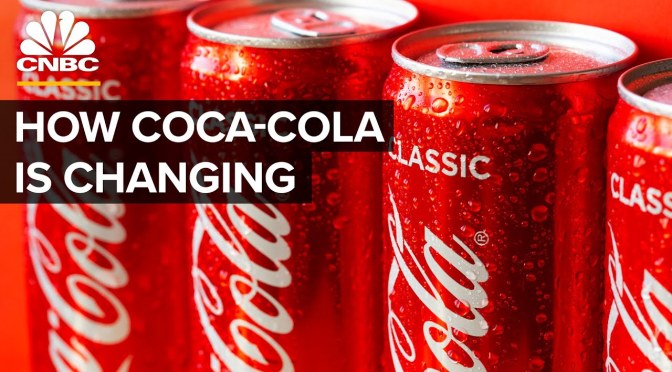
Analysis: How Coca-Cola Leads Beverage Market
With more than 1.9 billion drinks served every day Coca-Cola is one of the world’s largest beverage companies. From its humble beginnings selling a single product at a drugstore for 5 cents a glass, the company now has a roster of 200 brands that includes Coke, Fanta, and Sprite. But with health and wellness trends on the rise, the company has been forced to pivot. So after 135-years in business, can the soft drink giant stay on top? And what will the secular decline of sugar-sweetened beverages in the U.S. mean for the future of Coca-Cola?
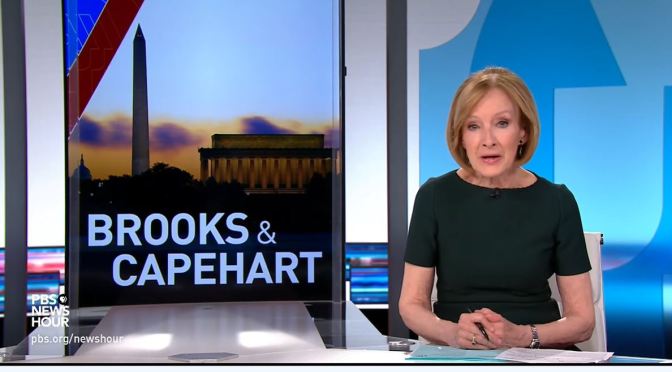
Political Analysis: Brooks & Capehart On Republican Shakeup, Mask Guidance
New York Times columnist David Brooks and Washington Post columnist Jonathan Capehart join Judy Woodruff to discuss the week in politics, including what the Isreali-Palestinian conflict and the CDC’s new mask guidance means for President Joe Biden, as well as the Republican shakeup in the House of Representatives.
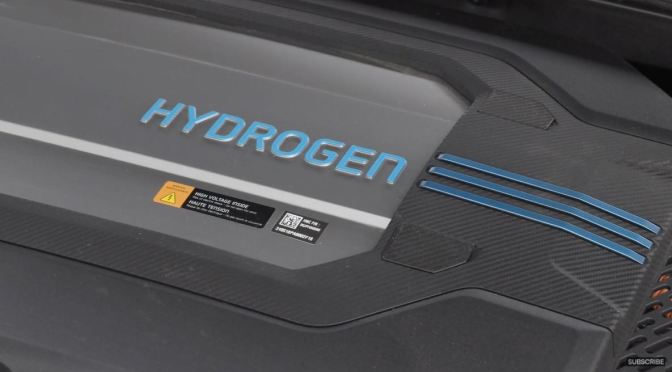
Energy: Why Hydrogen Is The Fuel Of The Future
There’s a lot of interest in the hydrogen fuel economy. Here’s what you need to know about how it works and the hurdles it faces.
Hydrogen is a clean fuel that, when consumed in a fuel cell, produces only water. Hydrogen can be produced from a variety of domestic resources, such as natural gas, nuclear power, biomass, and renewable power like solar and wind. These qualities make it an attractive fuel option for transportation and electricity generation applications. It can be used in cars, in houses, for portable power, and in many more applications.
Business: Why Arizona is Now A Technology Hub
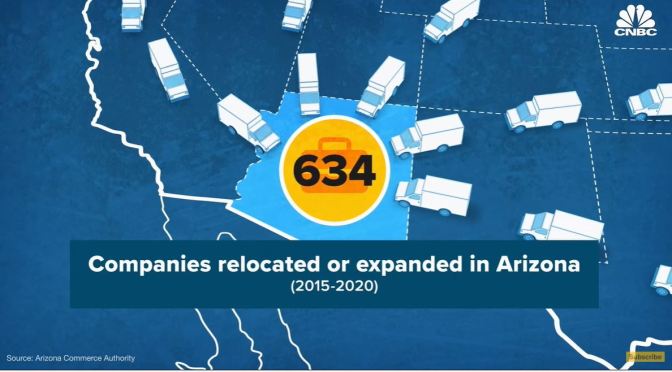
Arizona has rapidly become an epicenter for electric vehicle and self-driving tech, and it’s now the site of three big new semiconductor factories as the U.S. struggles to increase production during the global chip shortage. In 2020, Phoenix attracted more residents than any other U.S. city for the fourth year in a row, as highly skilled workers flocked to the lower cost of living and wide open spaces of the Grand Canyon State. From Lucid Motors to ElectraMeccanica, Intel to Taiwan Semiconductor Manufacturing Co, 634 companies relocated or expanded in Arizona between 2015 and 2020. CNBC asked the governor, big companies, and Arizonans about why the tech boom is happening and how it’s changing the state.

Culture & Design: The ‘Chinatown’ Style In Cities
From London, to Manila, to Melbourne, Chinatowns in cities around the world share similar design elements. And that’s on purpose. Their distinct “Chinatown” style can be traced back to a single event: the 1906 San Francisco earthquake, which came on the heels of decades of violence and racist laws targeting Chinese communities in the US. The earthquake devastated Chinatown. But in the destruction, San Francisco’s Chinese businessmen had an idea for a fresh start: a way to keep their culture alive, by inventing a completely new one. Chinatown carved out a place for itself under the threat of hate and violence. Today, that legacy is staring us in the face.
Analysis: Why The World Is Running Out Of Sand
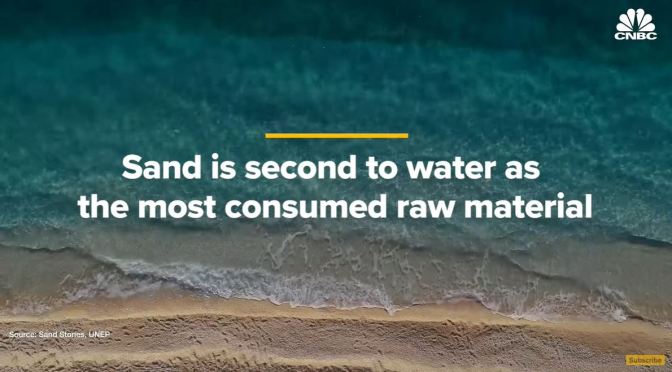
Even though sand can be found in nearly every single country on Earth, the world could soon face a shortage of this crucial, under-appreciated commodity. Sand use around the world has tripled in the last twenty years, according to the UNEP. That’s far greater than the rate at which sand is being replenished. Here’s what’s behind the looming sand crisis.
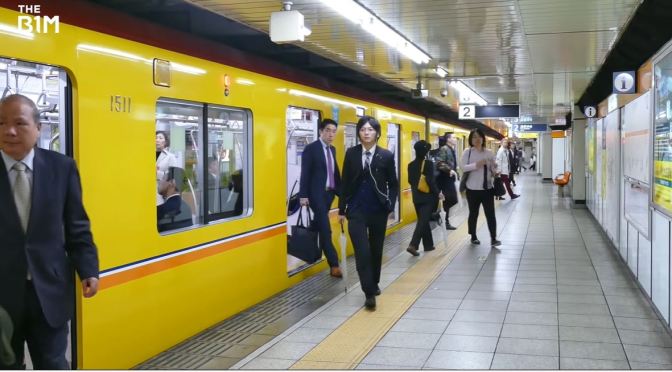
Mass Transit: Worlds’ Best Subway System In Tokyo
Japan’s capital has built the world’s best subway system (in our opinion). Discover the benefits of connected construction for metro and rail construction projects – https://bit.ly/3eBeNPh
The Tokyo subway (東京の地下鉄, Tōkyō no chikatetsu) is a part of the extensive rapid transit system that consists of Tokyo Metro and the Toei Subway in the Greater Tokyo area of Japan. While the subway system itself is largely within the city center, the lines extend far out via extensive through services onto suburban railway lines.
 Boomers Daily