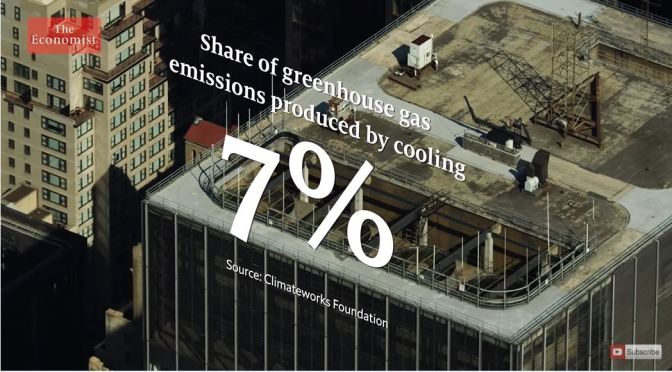
The warmer it gets, the more people use air conditioning—but the more people use air conditioning, the warmer it gets. Is there any way out of this trap?
Video timeline: 00:00: What’s the cooling conundrum? 01:05: The pros and cons of AC 03:28: How to reinvent air conditioning 05:02: Can buildings be redesigned to keep cool? 07:30: Scalable, affordable cooling solutions 10:24: Policy interventions for cooling
A selection of three essential articles read aloud from the latest issue of The Economist. This week: the calamity facing Joe Biden and the democrats, the uses and abuses of green finance (10:19) And Orwellian and proud (16:07).
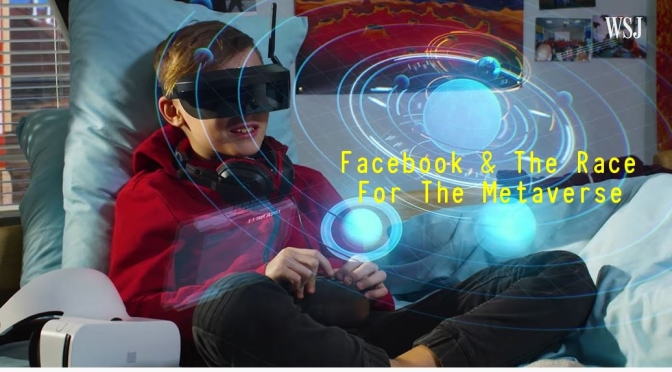
A tech industry battle is taking shape over the “metaverse.” WSJ tech reporter Meghan Bobrowsky explains the concept and why tech companies like Facebook, Roblox and Epic Games are investing billions to develop this digital space. Photo: Storyblocks
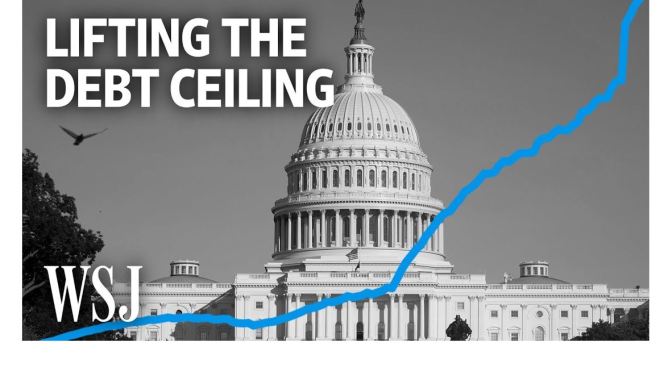
As lawmakers prepare for another hike in the U.S. debt ceiling, WSJ’s Greg Ip explains why it’s economically feasible for the U.S. to keep borrowing, as long as interest rates stay low.
A selection of three essential articles read aloud from the latest issue of The Economist. This week why the COP26 climate summit will be both disappointing—and crucial; the autumn of a patriarch in Turkey (11:23); and our Banyan columnist on the BJP’s battle with Bollywood (18:47).
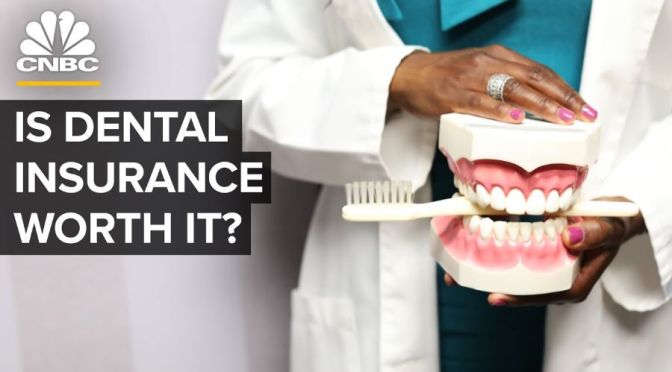
Americans have a tendency to avoid the dentist. More than 40% of Americans said they don’t see a dentist as often as they would like, according to a 2018 survey by the American Dental Association.
Their number one reason for skipping visits is cost, even among those with dental insurance. Dental insurance policies can be confusing and difficult to use, making some Americans wonder whether dental insurance is worth investing in at all. Watch the video to find out to learn what it actually costs to go to the dentist, whether dental insurance is worth investing in and what patients and policymakers can do about it.
Chapters 0:00 – Introduction 1:42 – How dental insurance works 4:15 – Dental care costs 6:17 – Is dental insurance worth it? 9:49 – Solutions Americans have a tendency to avoid the dentist. More than 40% of Americans said they don’t see a dentist as often as they would like, according to a 2018 survey by the American Dental Association. People have lots of reasons for not going, including fear, inconvenience and trouble finding a dentist who take their insurance. But the top reason Americans cite for avoiding the dentist is cost, with nearly 60% of Americans saying cost was the main reason they haven’t visited the dentist in the past 12 months. Cost remained the number one reason regardless of age, income level or type of insurance. Dental insurance can be confusing since it’s considered a separate service from medical insurance, which means it has different policies and procedures that many patients are not familiar with. From a lack of transparency about benefits to rules like annual maximums — which means plans stop paying for treatment after hitting a certain amount for the year — some patients question whether dental insurance is worth investing in at all. “There’s this misnomer that you need dental insurance to go to the dentist, you really don’t,” said Dr. Mark Vitale, a general dentist and owner of Edison Dental Arts in Edison, New Jersey. “Dental insurance is not the panacea that most people think it is.” But the industry landscape is shifting as more traditional health insurance companies are supplementing their medical plans with dental benefits. “Dental insurance is extremely profitable to the insurance companies, which is why many of the insured many of the major carriers offer dental insurance,” Vitale said.
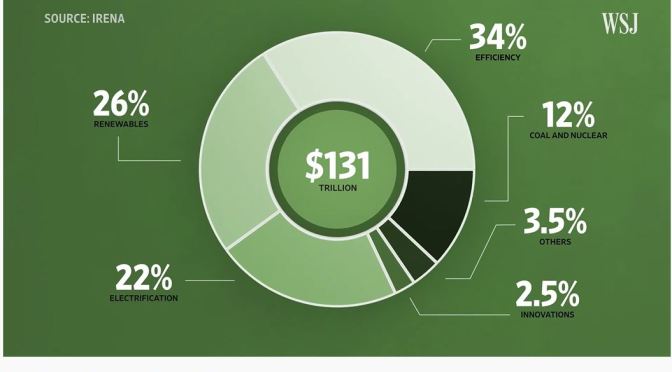
Money is a sticking point in climate-change negotiations around the world. As economists warn that limiting global warming to 1.5 degrees Celsius will cost many more trillions than anticipated, WSJ looks at how the funds could be spent, and who would pay. Illustration: Preston Jessee/WSJ
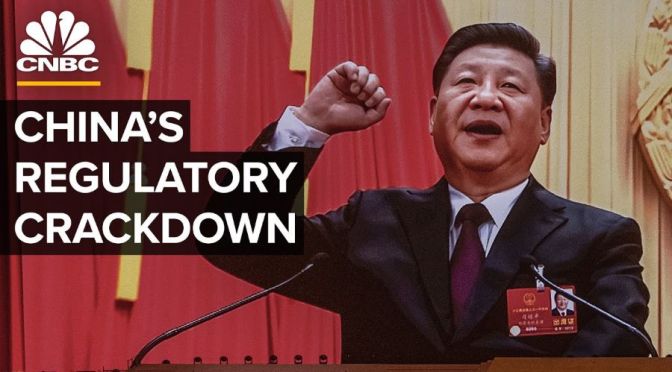
Big Tech, real estate, and even video games are being targeted by new regulations in China. This regulatory upheaval could be yet another sign that Xi Jinping and the Chinese Communist Party is trying to reign in the business sector.
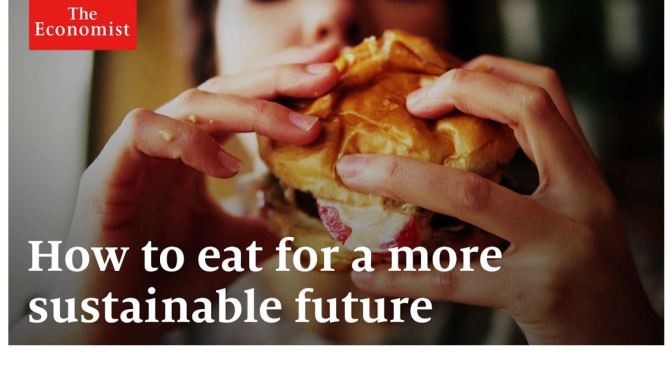
Over one-third of greenhouse-gas emissions come from food production. For a greener future, this urgently needs to change. What’s the future of food in a more sustainable world? Our experts answer your questions.
Video timeline: 00:00 – Food’s environmental impact 00:44 – Why it’s important to make food sustainable 01:34 – Will everyone have to give up meat? 02:13 – Can lab-grown meat be scaled up? 03:32 – Could nutrients and vitamins be added to new foods? 04:52 – Will insects become a new staple food? 05:35 – Why small-scale farming isn’t the main solution 06:51 – Is vertical farming more sustainable? 07:36 – Will consumers accept new foods?
Over a month and a half before the World Health Organization officially declared a pandemic, BioNTech CEO Uğur Şahin met with his wife, BioNTech’s co-founder and chief medical officer Özlem Türeci, and together they agreed to redirect most of the company’s resources to developing a vaccine. Up until that point, BioNTech was little-known internationally and primarily focused on developing novel cancer treatments. The founders were confident in the potential of their mRNA technology, which they knew could trigger a powerful immune response. That confidence wasn’t necessarily shared by the broader medical community. No mRNA vaccine or treatment had ever been approved before. But the couple’s timely breakthrough was actually decades in the making. CNBC spoke with Şahin and Türeci about how they, along with Pfizer, created a Covid-19 vaccine using mRNA.
News, Views and Reviews For The Intellectually Curious

 Boomers Daily