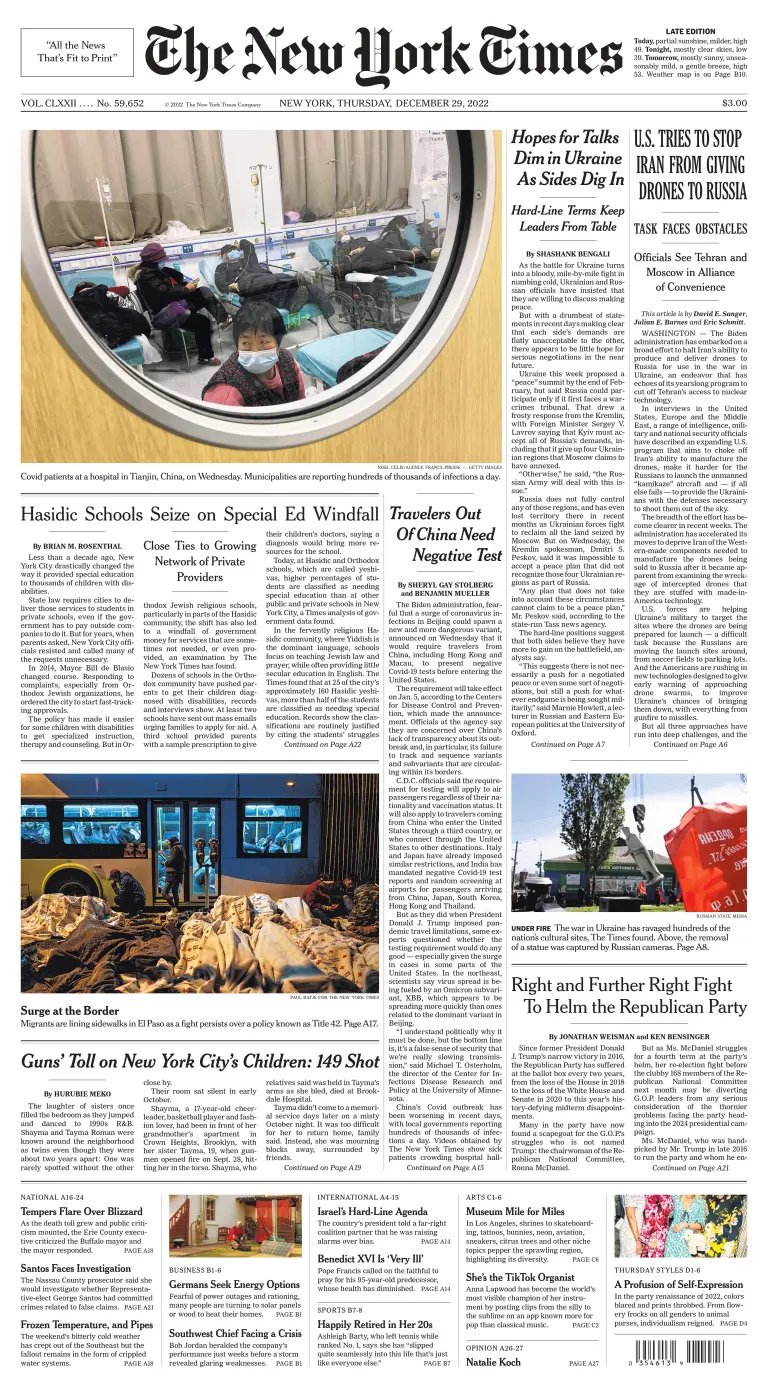
New York has paid companies millions of dollars to help children with disabilities in religious schools. But the services are not always needed or even provided.
At 69, skydiving instructor Arnold Camfferman stays active, one of the keys to longevity. As the world grows older, research into the field is soaring.
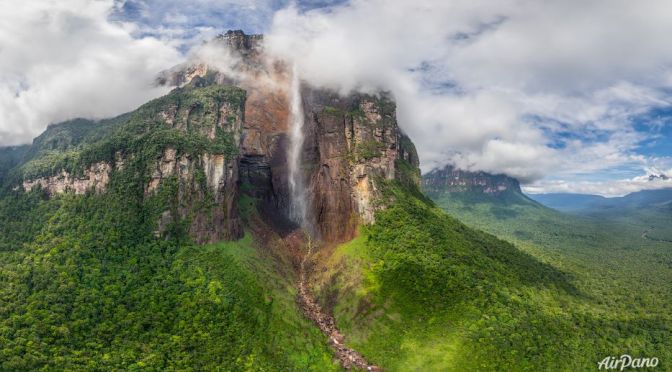
DW Travel (December 28, 2022) – Hidden deep in the rainforest and reachable only by plane and boat: The Salto Àngel waterfall, or ‘Angel Falls’ in English. It’s the world’s highest, uninterrupted waterfall, and locals say its waters have healing properties. Join DW’s @joeldullroy on an adventurous journey of discovery in Venezuela’s Canaima National Park!
The Economist – From India becoming the world’s most populous country, to an illegal drug that might be approved as a medicine, The Economist offers its annual look at the year ahead.
Video timeline: 00:00 – The World Ahead 2023 00:35 – India’s population potential 04:30 – Psychedelic medicines 08:06 – Japan’s markets mayhem? 12:45 – Repairing the world 15:50 – The coronation’s colonial concerns
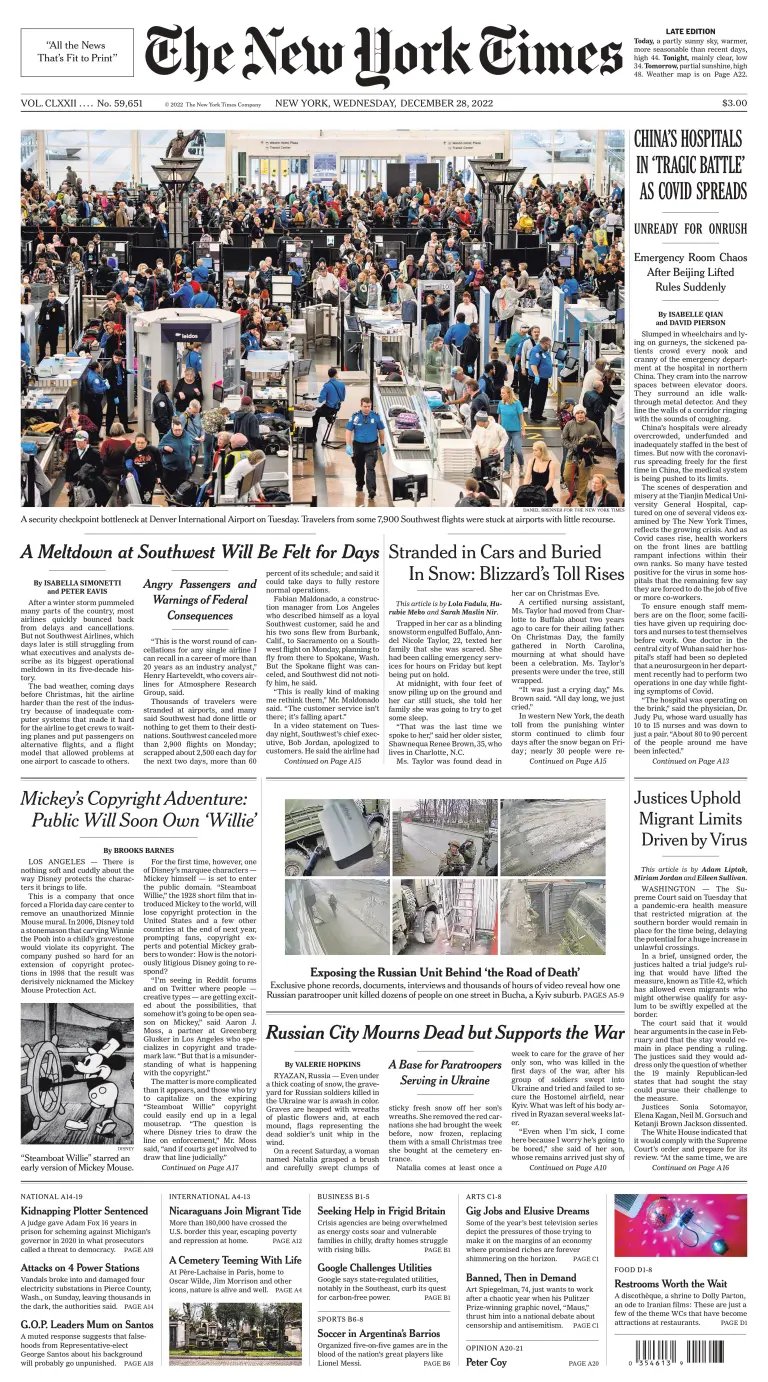
The version of the iconic character from “Steamboat Willie” will enter the public domain in 2024. But those trying to take advantage could end up in a legal mousetrap.
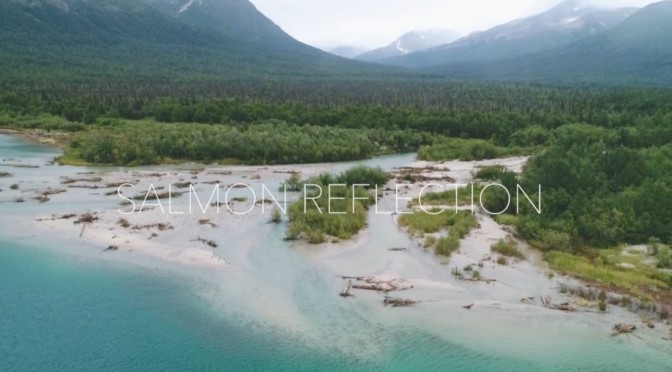
BBC Earth – A unique relationship is changing in Alaska. In her film ‘Salmon Reflection’ Norwegian and Unangax̂ filmmaker Anna Hoover explores the effects of a changing world on the communities of Bristol Bay, one of the last surviving wild salmon ecosystems.
The Local Project (December 27, 2022) – Taking a house tour inside a home made entirely from local and sustainable building materials, Topology Studio offers a rare insight into how a structure becomes one with its surrounds.
Video timeline:00:00 – Introduction to the Sustainable Home 00:30 – The Architect and The Home Owner 01:00 – The Location 01:19 – A Walkthrough of the Sustainable Home 01:40 – Expanding Spaces Through Shapes 02:27 – A Seamless Connection of Inside and Outside 02:47 – A Home that Sits Quietly and Calmly 03:00 – Using Local Manufacturers 03:21 – Maximising the Benefits of the Natural Elements 04:01 – An Entirely Electric Home 04:13 – Climate Change Impacts and Planning for the Future 04:48 – Minimising Footprints
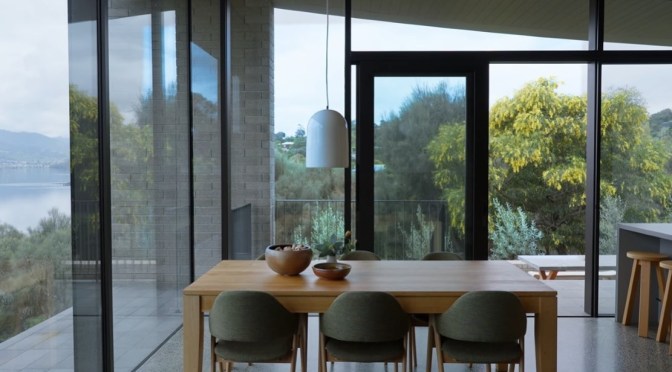
Sitting atop the land, House at Otago Bay looks out toward the bay and as far as Mount Wellington – offering the owners a home that is flush with the landscape. Modest upon arrival, House at Otago Bay is positioned at the end of the drive with its back towards neighbours and its front facing the opposite bush reserve.
Made of locally sourced bricks, bushfire-resistant timber and glass, the home’s design showcases a passion for building sustainably for the present and future. Entering the home at the main living level, Topology Studio has designed the space to open and focus on unrivalled views of the bay. Though sitting on a narrow site, the insertion of unique architectural and design choices inside a home, such as the continuous curved ceiling, help the home to branch outwards and avoid being marginalised by frames. Stairs that sit off to the side lead down to the lower ground floor, in which a bedroom and ensuite have been partially set into the foundation of the home, offering a distinctive view out across the grass and towards the water’s edge.
With a seamless connection that isn’t often seen inside a home, the external façade blurs the lines between inside and out and adds a layer of connection to the surrounding environment. Sitting quietly and calmly upon the land, the architects have chosen to use tones that reference the rocks, water and greenery of the landscape. Using locally sourced and produced materials inside and out took away the need to import from overseas, avoiding unnecessarily increasing the home’s carbon footprint during construction.
After specifying the Tasmanian brick, Topology Studio positioned the building to maximise sunlight during winter and shield the inside during the summer, while also taking advantage of the expansive views. To cater to the changing temperature inside a home, the masonry and concrete floor provide a high level of thermal mass through the seasons and take away the need for external heating technology.
House at Otago Bay is supplied electricity by the solar panels on the boat house – taking away any need for gas and minimising running costs and impact on the environment. Though inside a home can be thought of as sustainable, Topology Studio has taken the extra step to respect the environment by providing robust materials across both outside and inside – proving that homes can provide longevity for its owners in sustainable and eco-friendly ways
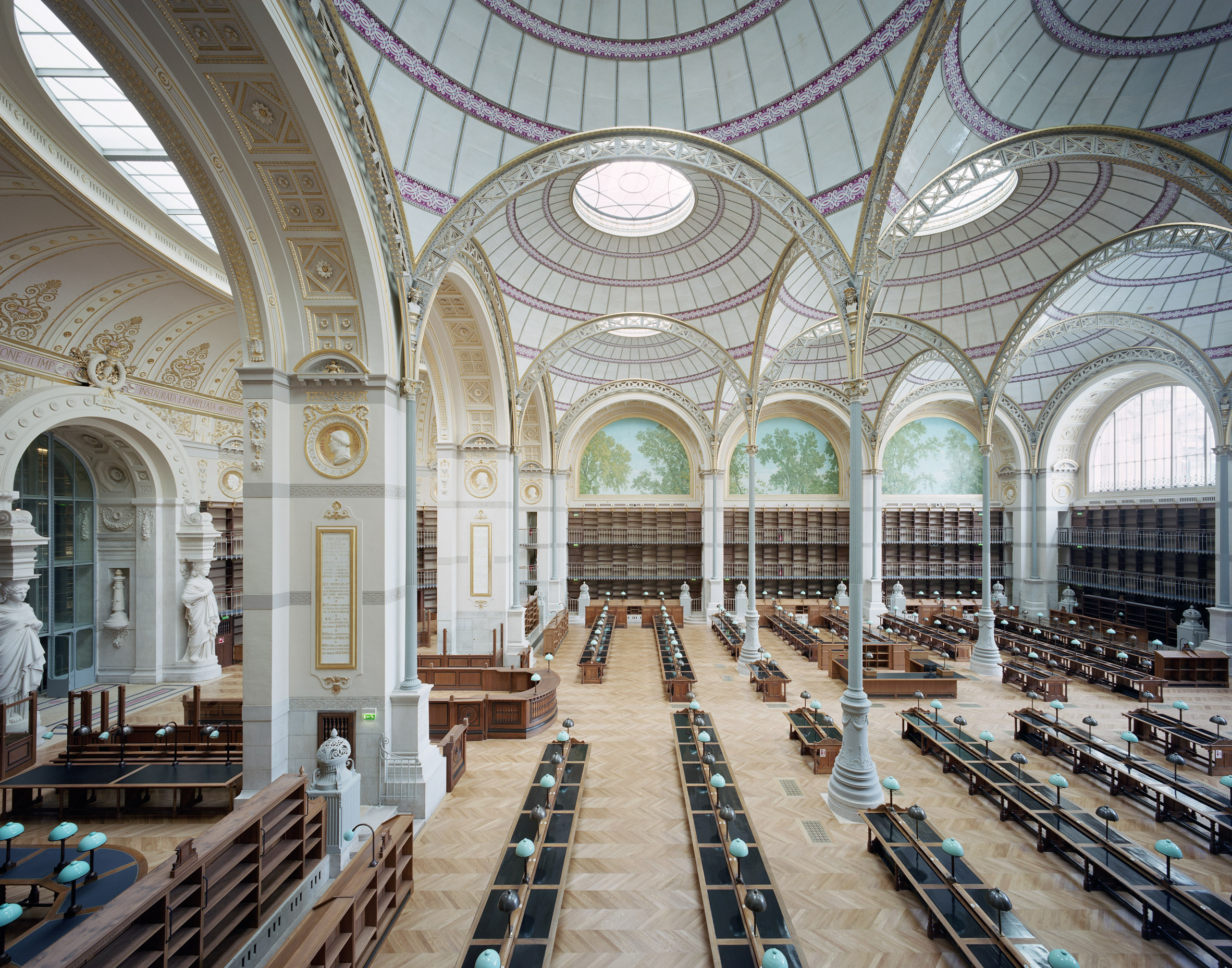
It was originally designed by architect Henri Labrouste. Photo by Marchand Meffre
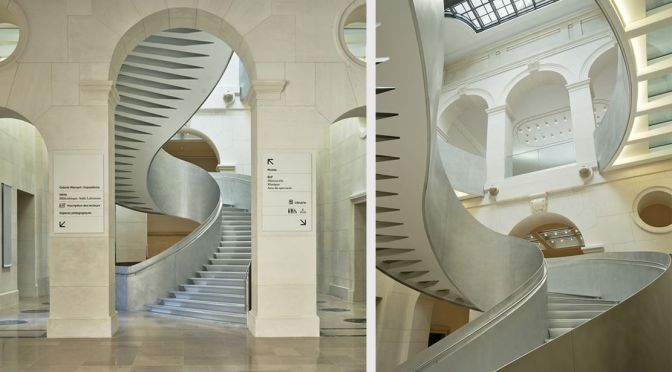
Dezeen (December 26, 2022) – French practice Bruno Gaudin Architectes has completed a 15-year project to renovate and open up the historic rue de Richelieu site of the National Library of France in Paris, incorporating new public routes and spaces.
It took 15 years to renovate and open up the historic building
Completed in the late 19th century by architect Henri Labrouste, the library is considered a masterpiece of the Beaux Arts style, with vast, skylit reading rooms framed by slender steel columns and highly decorative arches.
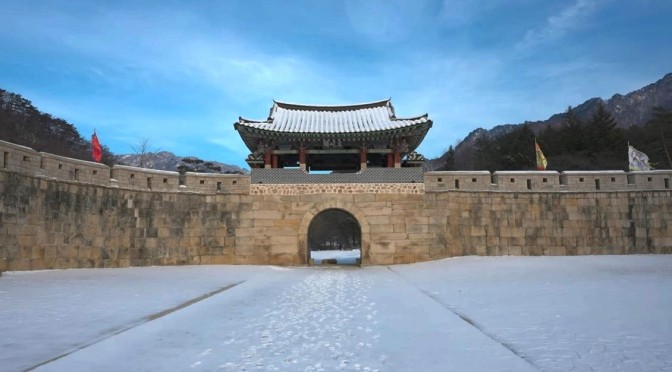
Seoul Walker (December 2022) – The Mungyeong-saejae (문경새재) Open Set is a historical Korean drama filming location. Over the years, a large number of Korean dramas and movies have been filmed here, including Bossam: Steal the Fate (2021), Kingdom (2020), The Crowned Clown (2019), Hwarang (2016), The Face Reader (2013), The Moon Embracing the Sun (2012), The Great King Sejong (2008), Taejo Wang Geon (2000), and many more. Therefore, this place offers various historical locations set in the Joseon era, such as the homes of the nobility and commoners, Gwanghwamun Gate, government offices, and Joseon and Baekjae period palaces.
North Gyeongsang Province is a province in eastern South Korea. The province was formed in 1896 from the northern half of the former Gyeongsang province, and remained a province of Korea until the country’s division in 1945, then became part of South Korea.
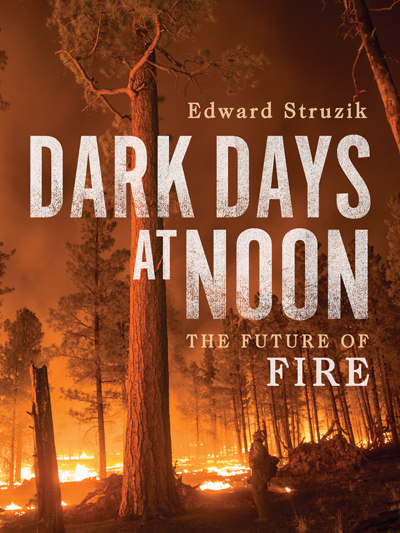
The catastrophic runaway wildfires advancing through North America and other parts of the world are not unprecedented. Fires loomed large once human activity began to warm the climate in the 1820s, leading to an aggressive firefighting strategy that has left many of the continent’s forests too old and vulnerable to the fires that many tree species need to regenerate.












 Dezeen (December 26, 2022) – French practice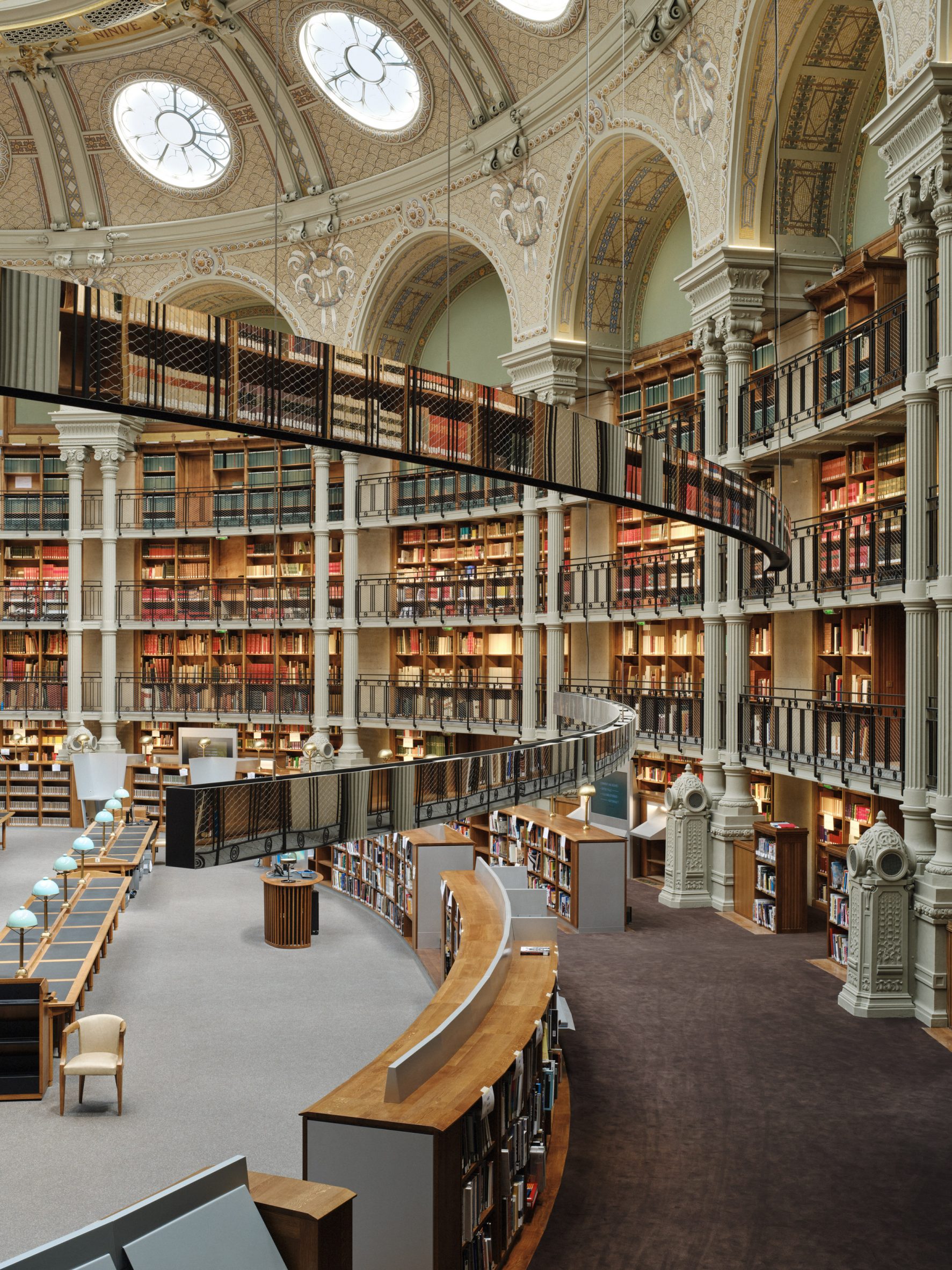


 Boomers Daily