

From the Gestalten website:
 Start your engines for a grand tour of the most stylish grand motoring automobiles ever created. Evoking an era when elegance, romance, and outright performance defined the automobile and the fascinating stories that made them icons of the road. From the shark-inspired Maserati Ghibli to the fiery Lamborghini Miura, from European elegance with American firepower such as the Iso Grifo and Facel Vega to the groundbreaking designs of the Alfa Romeo Tipo 33 Stradale and Renault Alpine and the advanced technology behind the Jensen FF or Porsche 918 Spyder.

These cars are less transportation and more testaments to beauty, freedom, ambition, innovation, and speed. Beautiful Machines was conceived and edited by gestalten. The stories are written by automobile expert Blake Z. Rong with a preface by Classic Driver’s Jan Baedeker and gestalten’s Robert Klanten.

 The TACT Pivotal study of MRI-guided TULSA for whole-gland ablation in men with localized prostate cancer met its primary PSA endpoint in 96% of patients, with low rates of severe toxicity and residual GG2 disease. MRI at 12mo detected residual disease with NPV of 93%.
 The reality, however, is that modular, prefabricated housing can exceed the limitations put upon it by popular conceptions of trailer parks and postwar government housing. Not only are they certainly faster – an important factor in cost, as the cost of land and construction have as much as
 Time brings new colour to old materials, and what makes Ways of Seeing so enduring might not be the same as what made it so electrically influential when it first appeared. We are now more aware of the fissures in the show, in its slight hesitations and indecisions, and in the hedges to what was otherwise such a freight train of an argument. The pictorial tradition of the female nude, Berger argues throughout the second episode, was not a celebration of humanist virtue but a fantasy of the acquisitive ‘male gaze’ (the term was coined a year later by Laura Mulvey).
 As a contemporary French alternative for the successful Mercedes-Benz SL 190 and popular Alfa Romeo Giulietta Spider the Facel Vega Facellia FA is now seen as a rare gem that sits in between, target market-wise. It was almost as luxurious as the Benz, but also nearly as sporty as the Alfa. The Facellia’s reputation among car collectors is steadily improving, especially the first series. Despite being smaller the Facellia FA offers the same fine shapes and details of its larger family members like the Facel Vega FV3 and HK500. And besides being sporty enough for most drivers, it’s also as comfortable as you can expect from a French car. Which makes it a refreshing early 60’s sports car for all kinds of drives.
 In an engaging, deeply reported book, the authors travel to mobility hotspots, from Helsinki to Shanghai, to scout out this future. And they visit the companies putting it together. One, Divergent3d, is devising a system to manufacture cars with robots and 3D printers. PonyAI, a Chinese-Silicon Valley startup, builds autonomous software that perceives potholes, oncoming trucks, and wayward pedestrians, and guides the vehicle around them. Voom, an Airbus subsidiary, is racing with dozens of others to operate fleets of air taxis that fly by themselves.
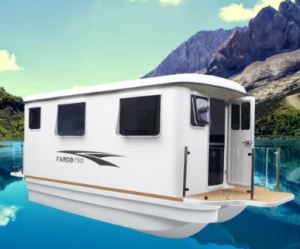 Equally at home on land or water, the Fargo Elite Cabin is a fully self contained accommodation unit perfect for cruising the waterways, exploring the open roads on a trailer or truck, or even as a spare room or private rental in your own backyard!
 Contrary to popular opinion, when it comes to well-being, our lives do not represent an inevitable decline from the sunny uplands of youth to the valley of death. Instead, the opposite is true — we can confidently look forward to old age as the happiest time of our lives.
 So why do people grow happier as they age? Is it an absence of stress, or are they able to focus more on what brings them joy?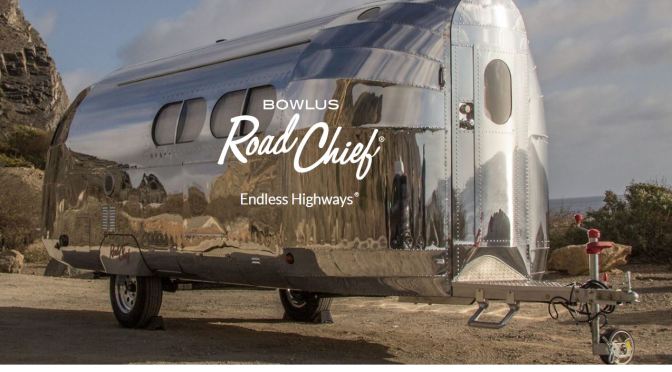
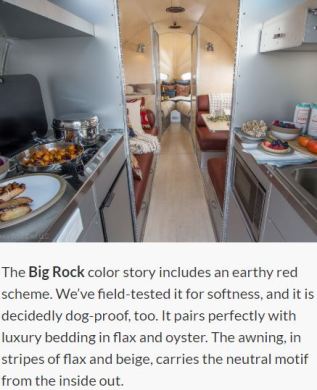 The Endless Highways is the ultimate luxury performance RV. As the industry leader with the most advanced technology, our high tech design is further elevated by more than two dozen luxurious and
 “The way our customers order and receive meals is evolving, and ClusterTruck’s innovative culinary and digital design is cracking the code for the future of profitable meal delivery,” said Yael Cosset, Kroger’s CIO. “Kroger is leveraging ClusterTruck’s advanced technology to ensure our customers don’t have to sacrifice quality and value for convenience when it comes to meal delivery. Kroger Delivery Kitchen Powered by ClusterTruck will allow our customers to access restaurant-quality fresh and delicious meals like never before and without having to pay excessive service or delivery fees.”
  Boomers Daily